
Hack Your Headshots: What Is a Headshot — and What Can It Be?
What Is a Headshot, Really?
At its simplest, a headshot is a marketing tool. For an actor, it’s a small image designed to help casting make quick decisions. These days, it lives as a thumbnail, gets scanned in a grid, and usually earns only a second or two of attention before someone moves on.
That reality can feel limiting. And sometimes discouraging. But I think it’s also where the opportunity is.
On a practical level, casting needs to understand the basics at a glance. Approximate age range you can play. Hair. Skin tone. Eyes. Build. The things that help them place you quickly and honestly in a breakdown.
I know actors who have spent a lot of money on headshots with very expensive photographers. They upload the images, hit submit, and… nothing happens. In many cases, those shots did answer the basic questions. They were clean, professional, and well lit. But that was it.
They looked like headshots.
They didn’t invite anything further.
If a headshot isn’t artfully accurate (a phrase I use a lot), and if it hides or softens the realities of how you’re cast, it doesn’t help you. It slows casting down, and casting rarely waits.
A headshot should give casting a sense of who you are as an actor. It should quickly allow them to picture you in one of the worlds they’re populating, and make them curious enough to click and see more.
If those fundamentals aren’t clear, the image creates friction. Casting hesitates. They wonder what they’re really getting. And often, they move on.
This is worth taking to heart: a headshot isn’t meant to show your range or prove your talent. It doesn’t need to explain your story or justify your casting. It’s a first-impression tool. A way for casting to understand who they’re meeting before you ever walk into the room.
If those basic questions are answered clearly, the headshot is doing its job.
Clarity almost always beats cleverness.
Before I go on, I want to say this clearly: everything in the Hack Your Headshots blog is just my experience and opinion. I contradict myself sometimes. I break my own “rules.” I break other people’s “rules.” Take what’s useful, leave what isn’t. It’s 2026, and these are simply ideas I see working with my clients, based on two decades of shooting headshots and watching what actually gets traction.
What a Headshot Can Be
Once that clarity is in place, there’s room for something more subtle.
A headshot can suggest a world without spelling one out. It can hint at environment, tone, or emotional temperature without becoming a concept. Sometimes that’s as simple as a background that adds context, or a sense that you exist somewhere beyond a flat backdrop.
This is where the idea of a cinematic headshot comes in, quietly.
A cinematic headshot isn’t about drama or performance. It’s about connection. Presence. A moment that feels caught rather than posed.
The difference between a neutral stare into the camera and a cinematic moment isn’t intensity. It’s awareness.
When that connection is there, the image feels authentic. It reads quickly. And it gives casting just enough information to imagine you in their world, without telling them what to think.
That’s when a headshot stops being just accurate and starts being effective.
It’s All About the Thumbnail
When you’re submitting online, it’s initially all about your thumbnail image.
Most casting decisions don’t start with a full-screen photo. They start small. A thumbnail in a grid. A quick glance while sorting through dozens, sometimes hundreds, of submissions.
That means your headshot has to read clearly at a very small size. Shape, contrast, color, and connection matter here. My favorite thumbnails are the ones that feel alive. A little contrast. A little movement. A little humanity.
If the thumbnail is confusing, casting doesn’t click. If it’s clear, they do.
When I’m shooting, I’m always thinking about how an image will live at that scale. Does it read instantly? Does it feel authentic? Does it look like someone casting would actually want to meet in the room?
If a shot works as a thumbnail, it almost always works full size. That clarity is what gets you in the door.
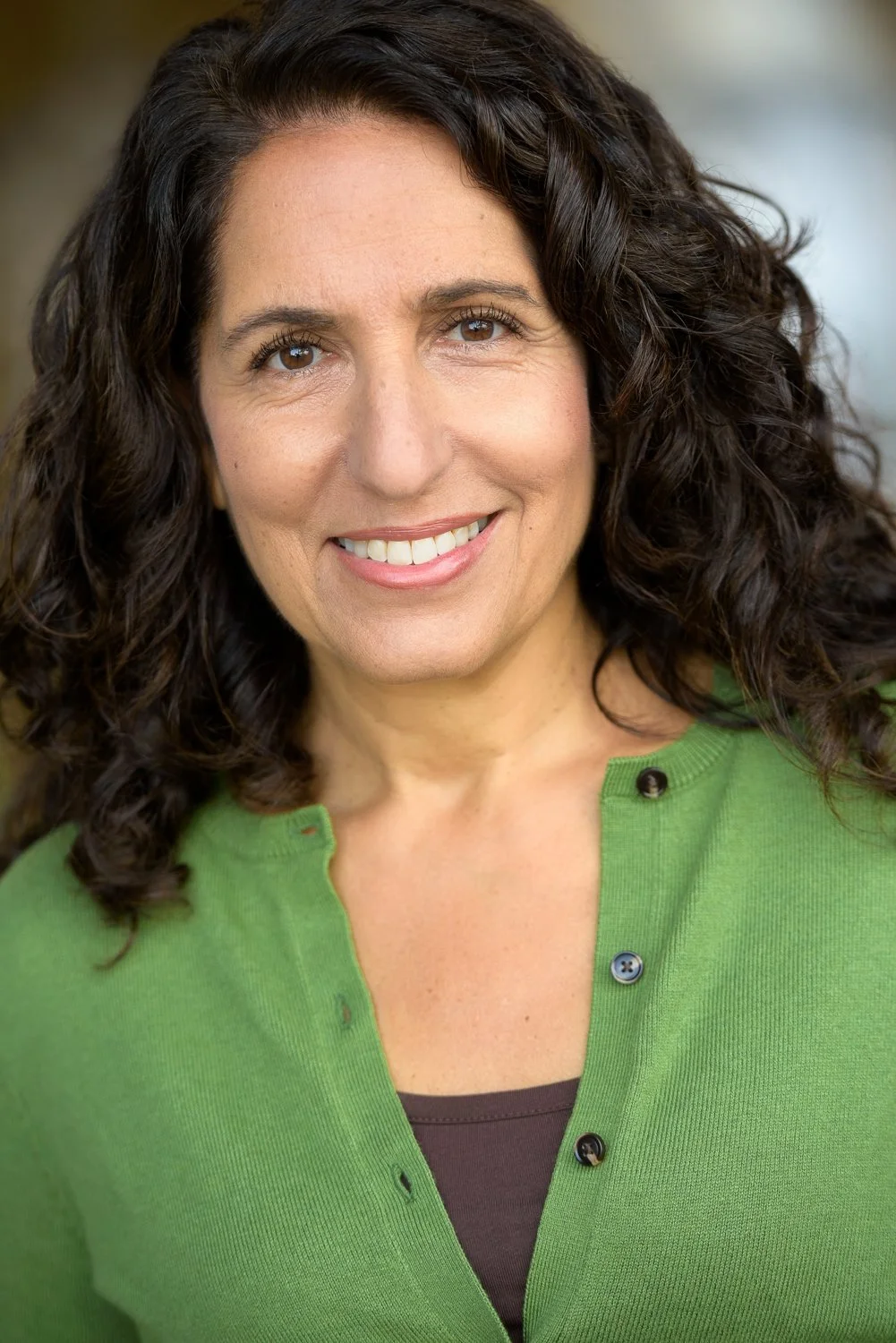
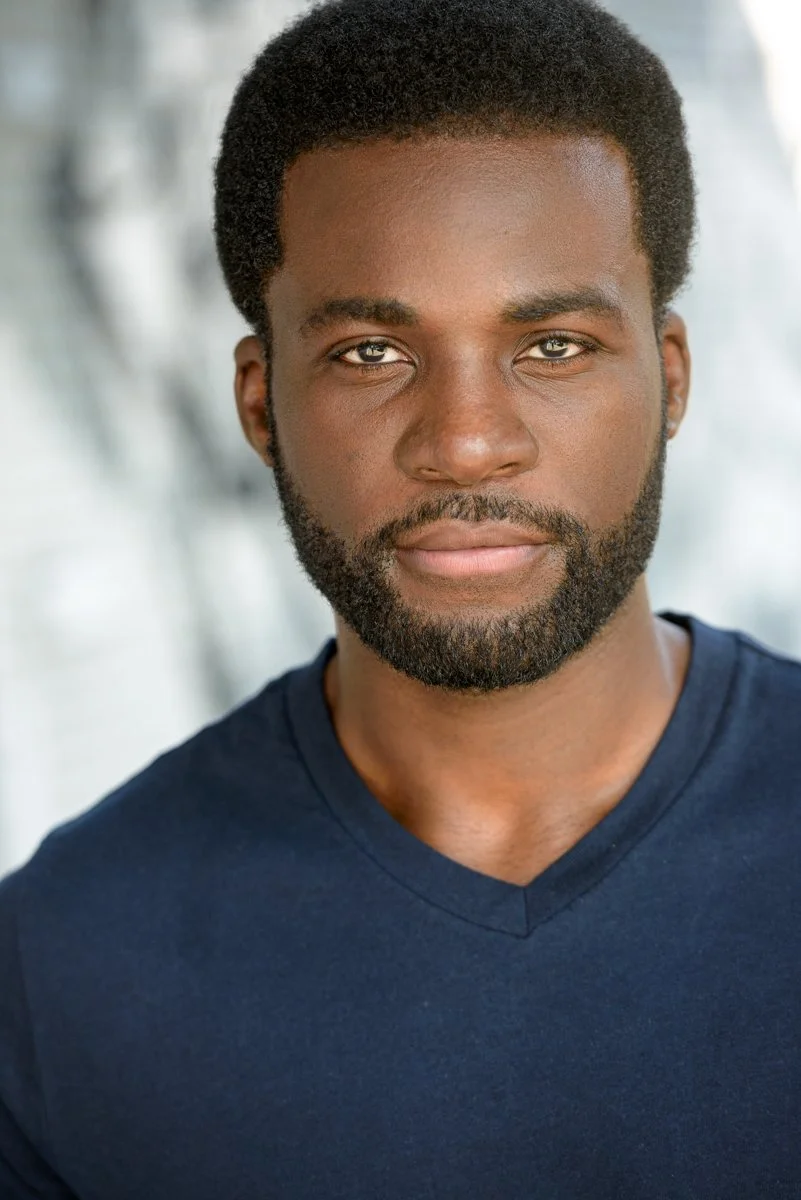
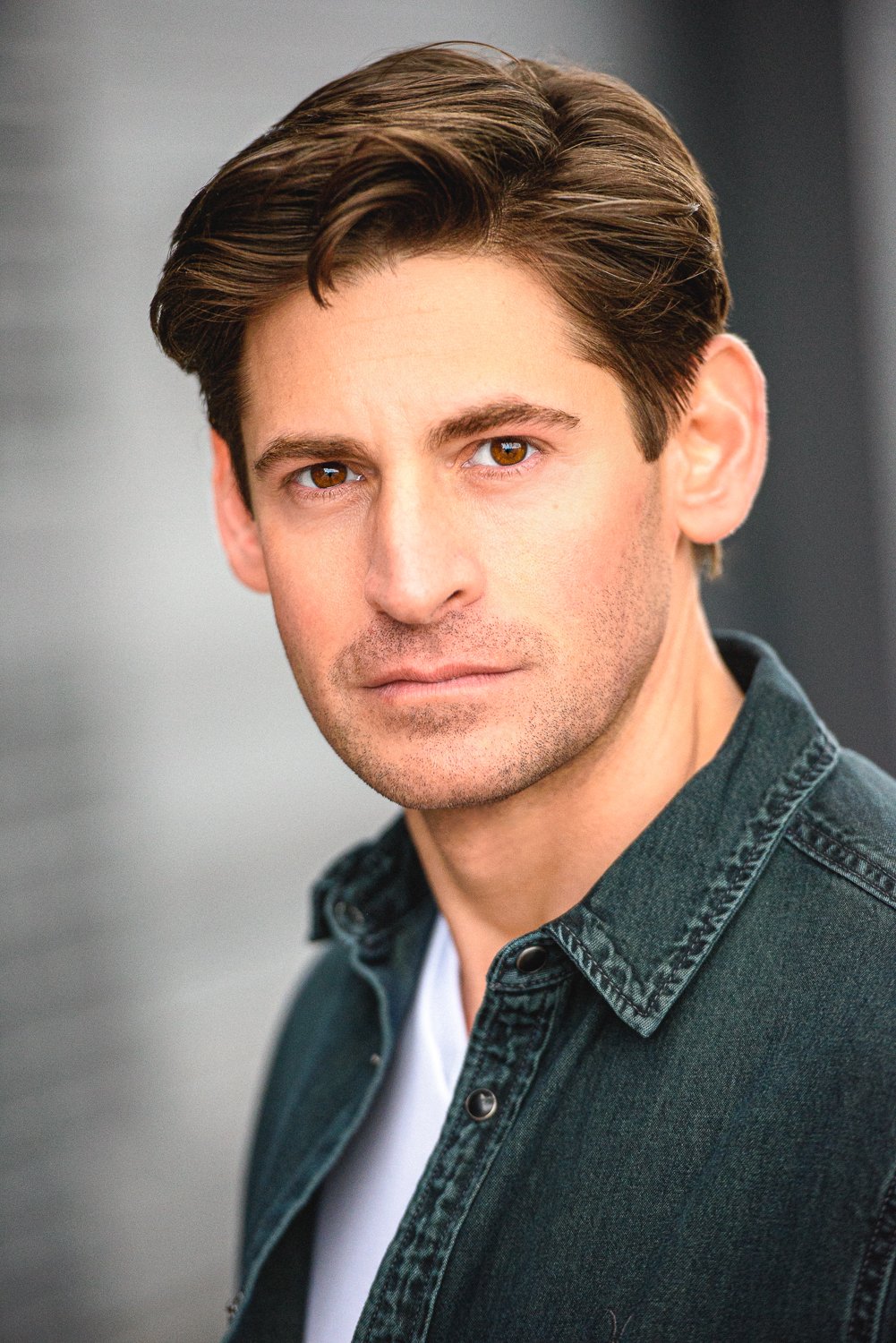
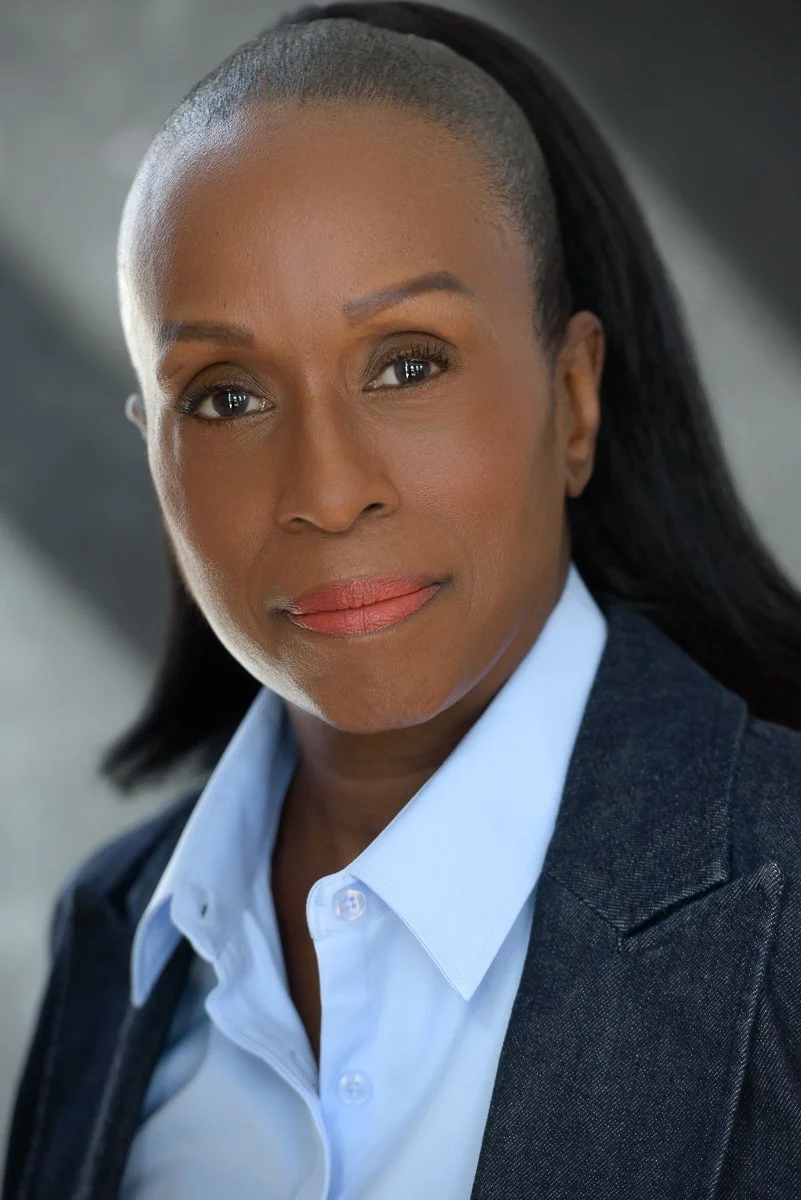
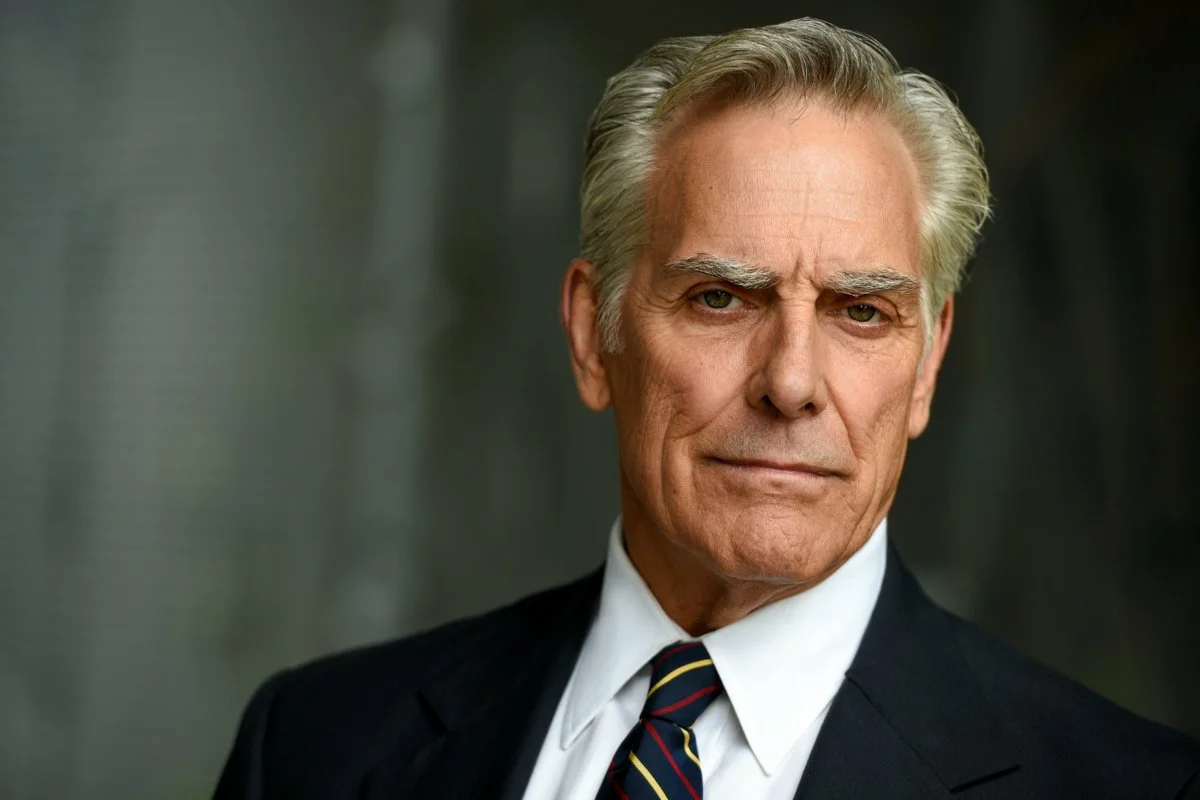
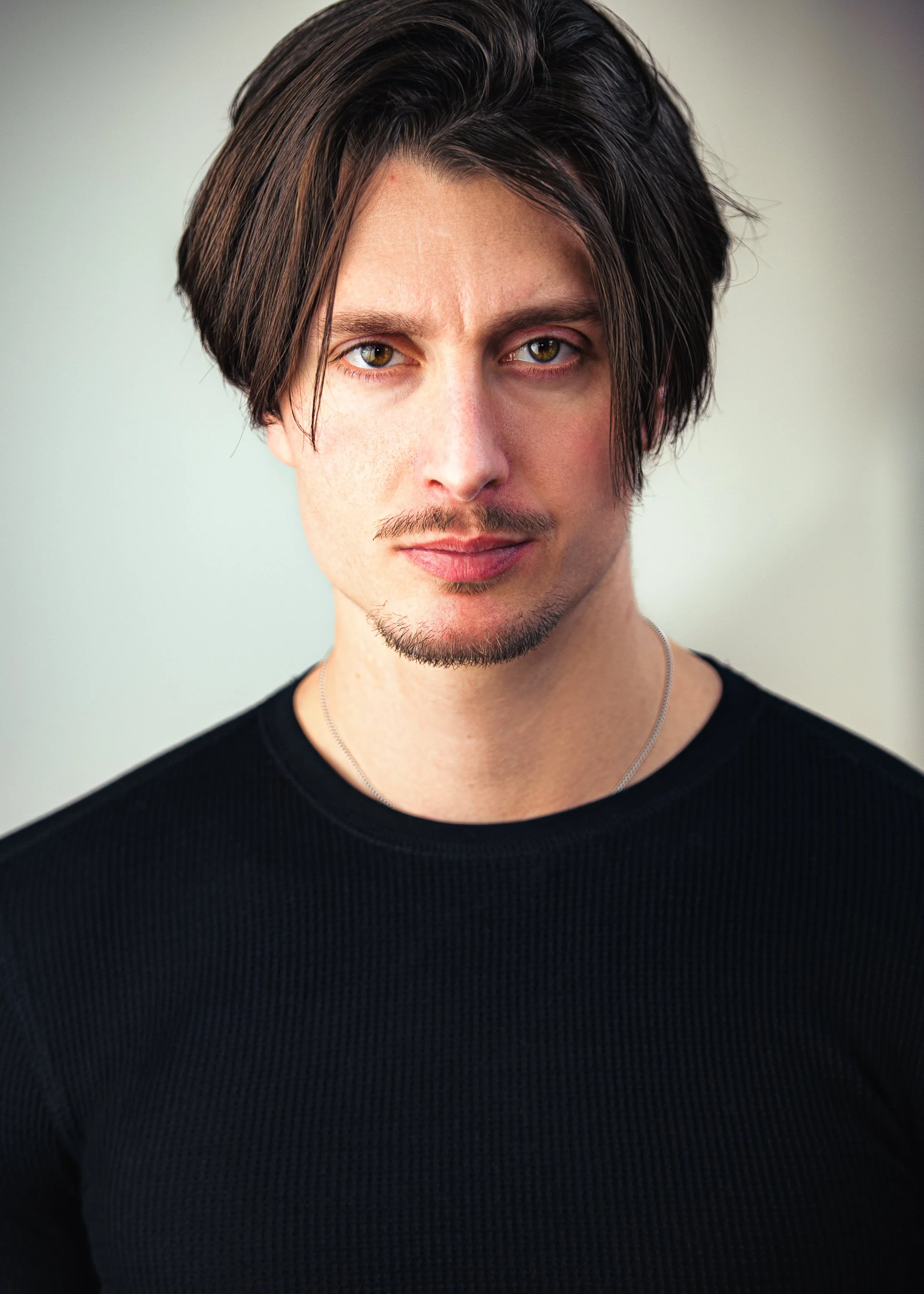
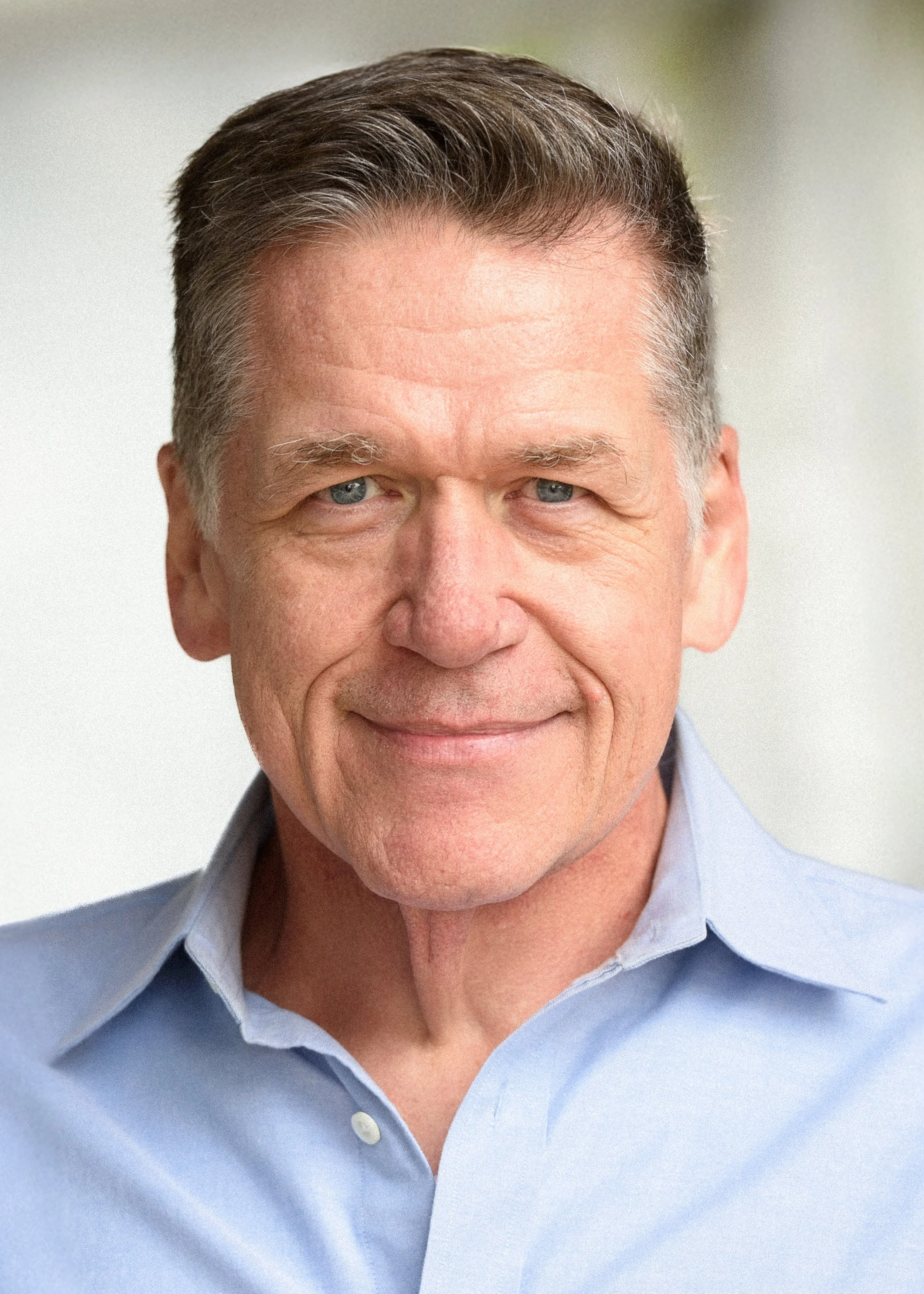


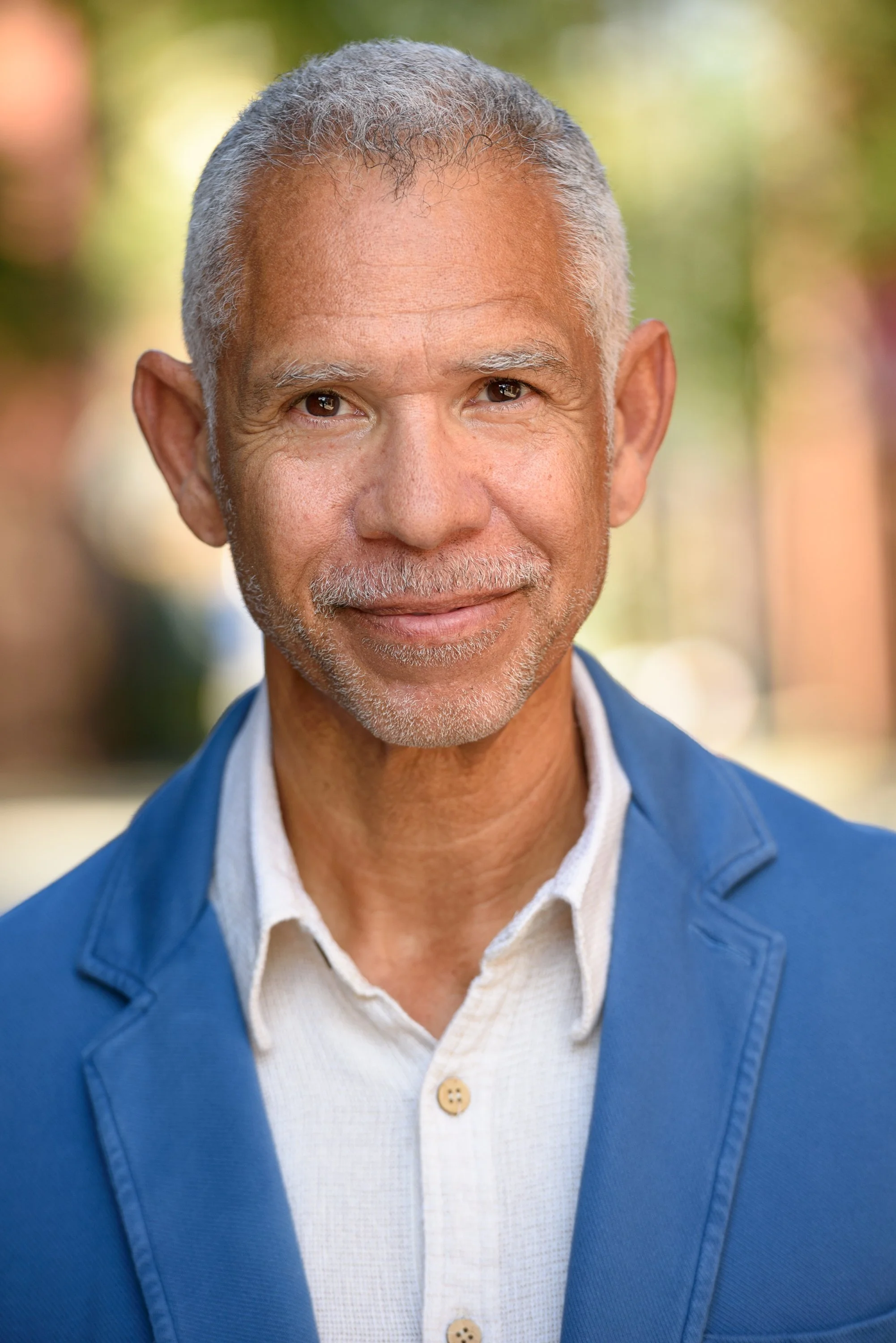
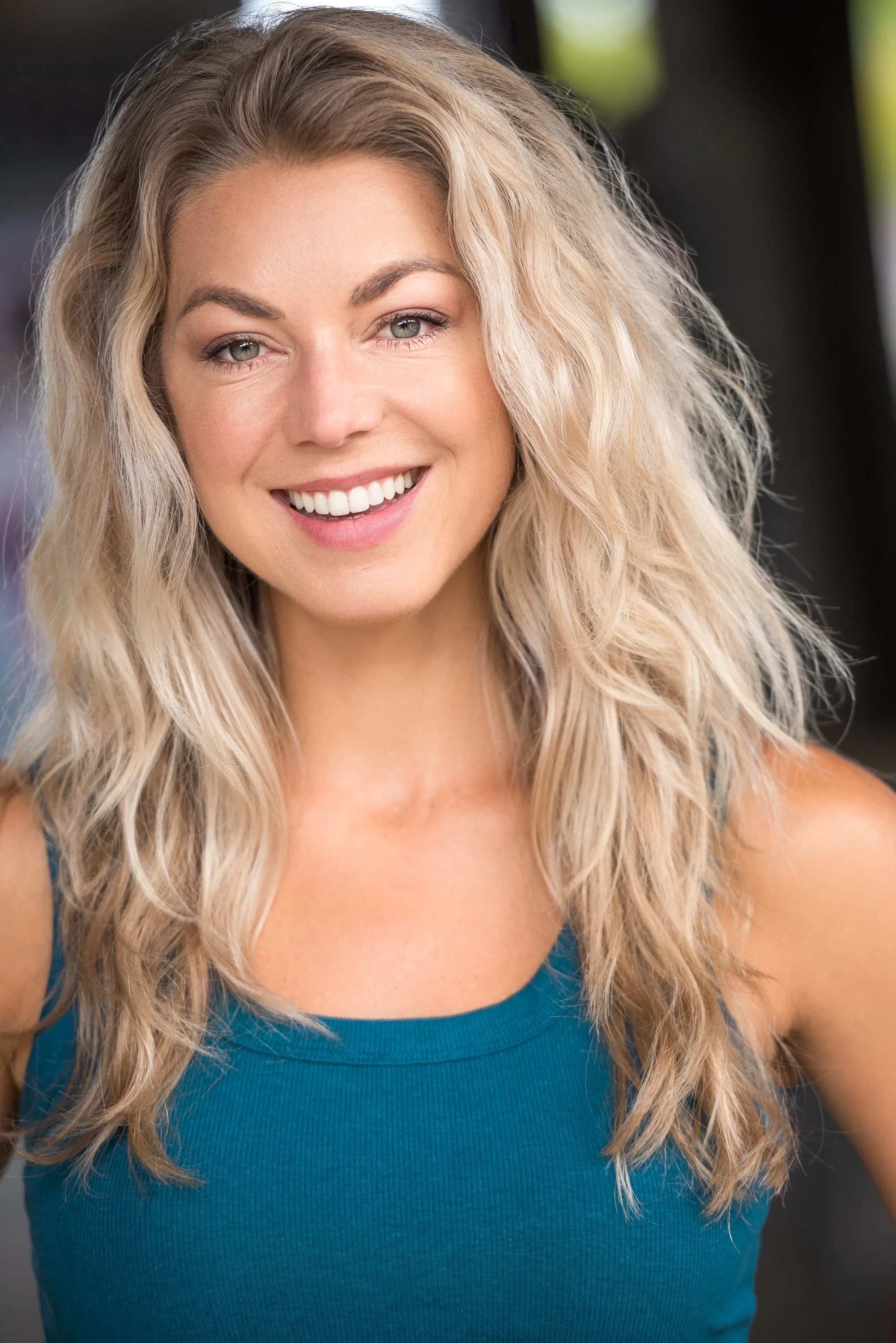
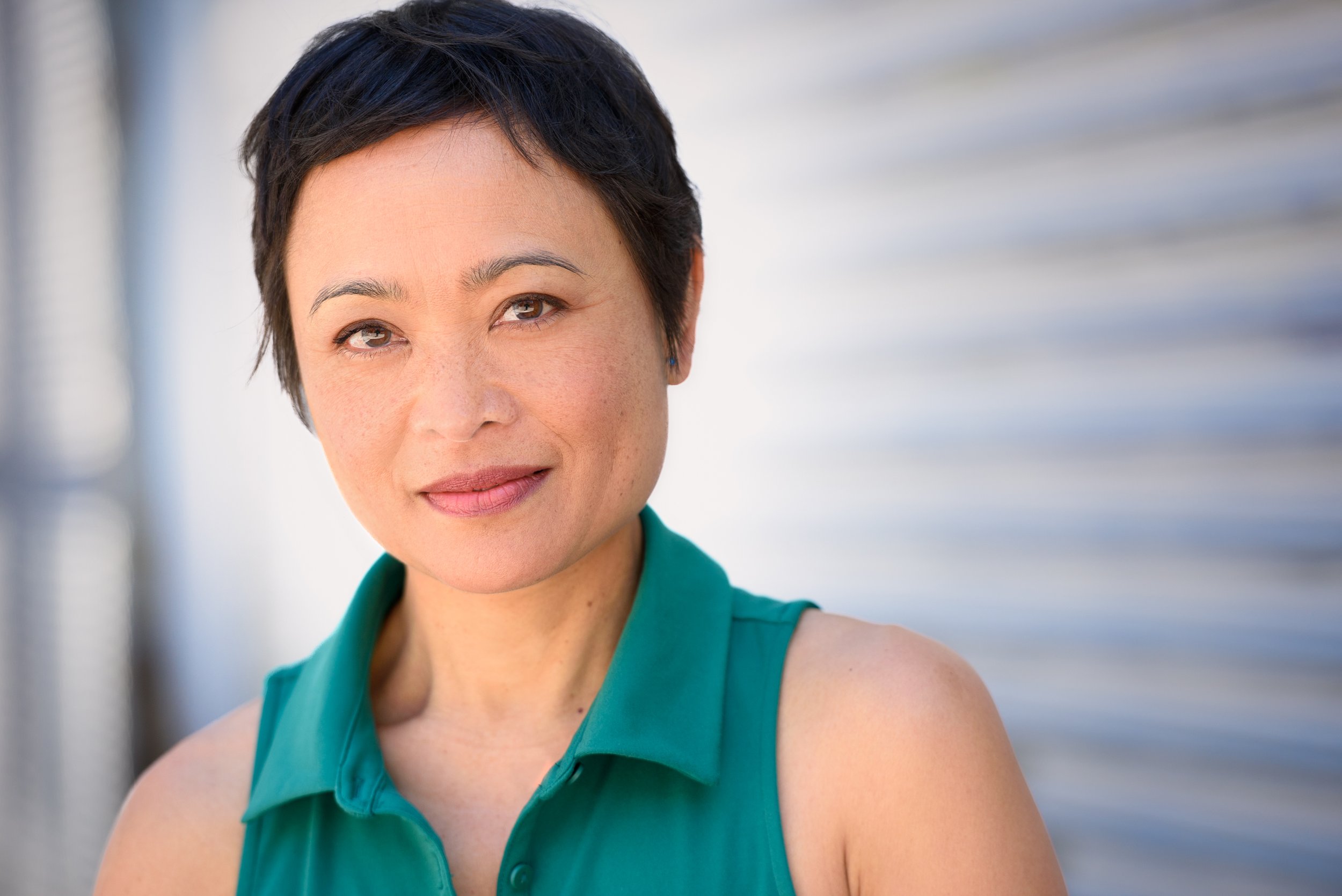
One of the reasons headshots carry so much weight is that they’re one of the few parts of your career you actually get to shape.
You don’t control what projects are casting, who’s in the room that day, or what a particular casting director is looking for in that moment. But you do get to decide how clearly and honestly you’re represented when your name comes up.
A good headshot doesn’t try to game the system. It doesn’t chase trends or disguise realities. It gives casting accurate, usable information and trusts that the right rooms will respond to that clarity.
That’s not about limiting yourself. It’s about setting yourself up to be seen for who you actually are, instead of who you think you’re supposed to be.
That thinking shapes how I approach every session.
Before we ever step into the studio or walk around the block, we talk. We look at where you’re working, what you’re being called in for, and what feels unclear or missing in your current materials. The goal is to arrive with a clear set of ideas so we’re building a focused set of marketing tools, not improvising our way through the day.
During the shoot, I don’t like to rush. We take our time, talk throughout the session, and pause to look at what we’re capturing along the way. That feedback loop matters. It helps us adjust, refine, and make clearer choices as we go.
By the end of the shoot, we’re aiming for a set of images that feel authentic and useful. Clear reads that reflect who you are right now and do real work when they’re sent out.
If you’re curious how these ideas show up in my actual sessions, you can read more about how I work with actors here.