Hack Your Headshots | Clear thinking and practical tools for actors who want their headshots to work harder.
This page is a growing collection of ideas I teach in my Hack Your Headshots workshops and one-on-one sessions. You don’t need to read everything at once, and there’s no “right” order.
The goal here isn’t to overwhelm you. It’s to help you make clearer choices, slow down the process just enough, and end up with headshots that actually work for where you are right now.
I feel like I’ve gotta say this as informally as possible. These are just my ideas. My opinions. Things that I’ve seen work in my own career as well as many, many clients. These are just tools and ways of thinking about headshots. Take what you want, ignore the stuff ya don’t. It’s all good . I’ll bet ya learn something new if ya poke around.
Hope it’s helpful!
-Clint
ClintonB’s Thoughts on Headshots
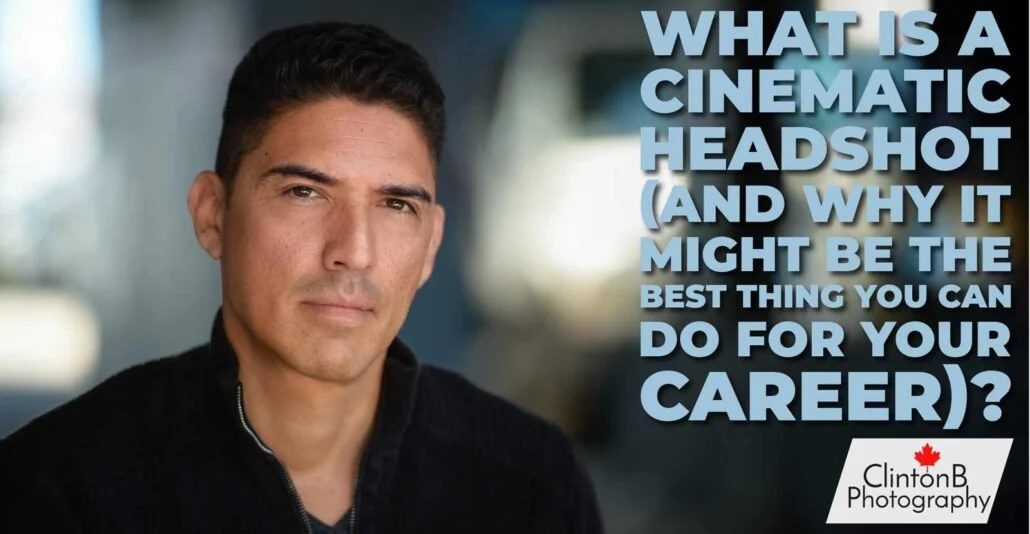
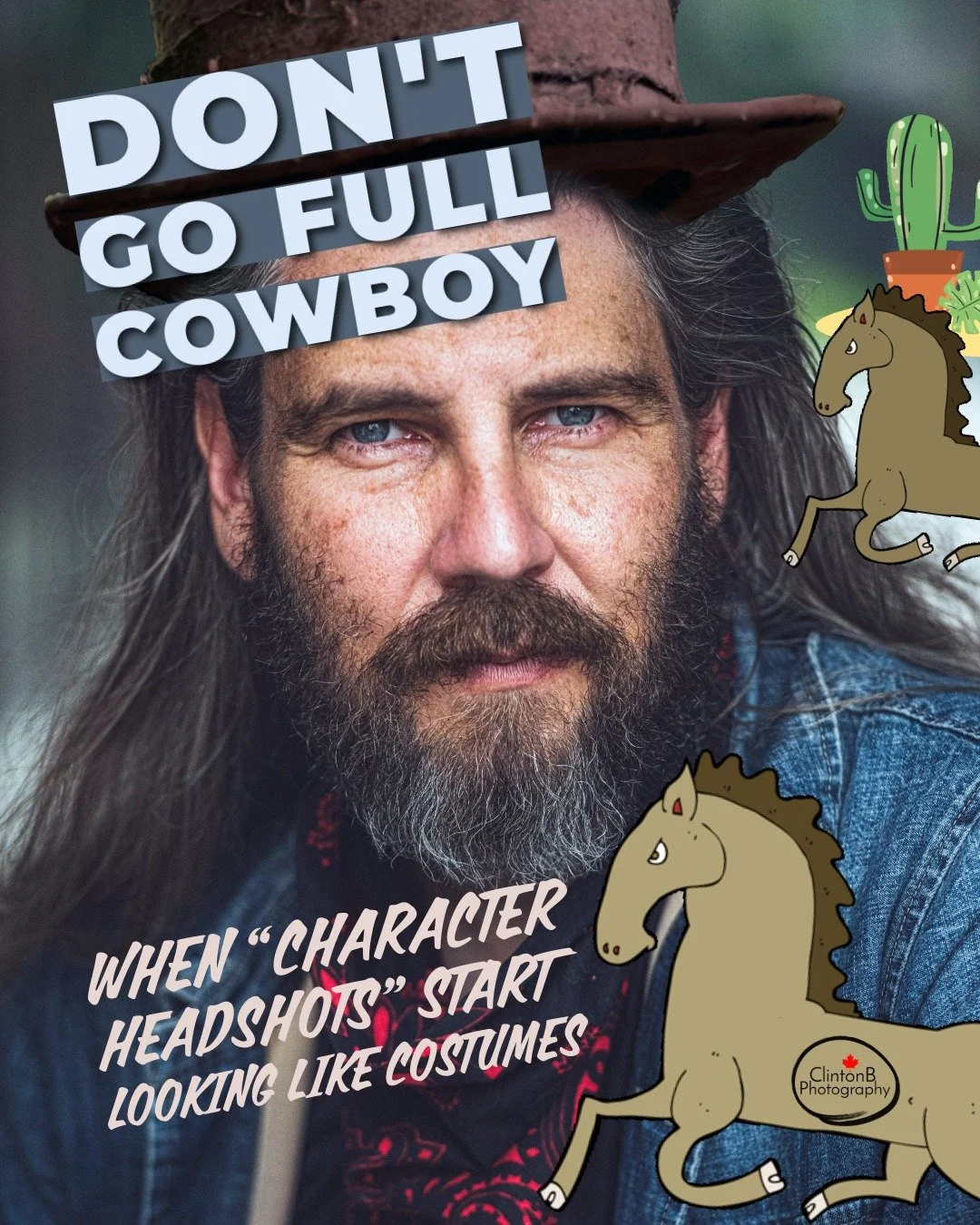
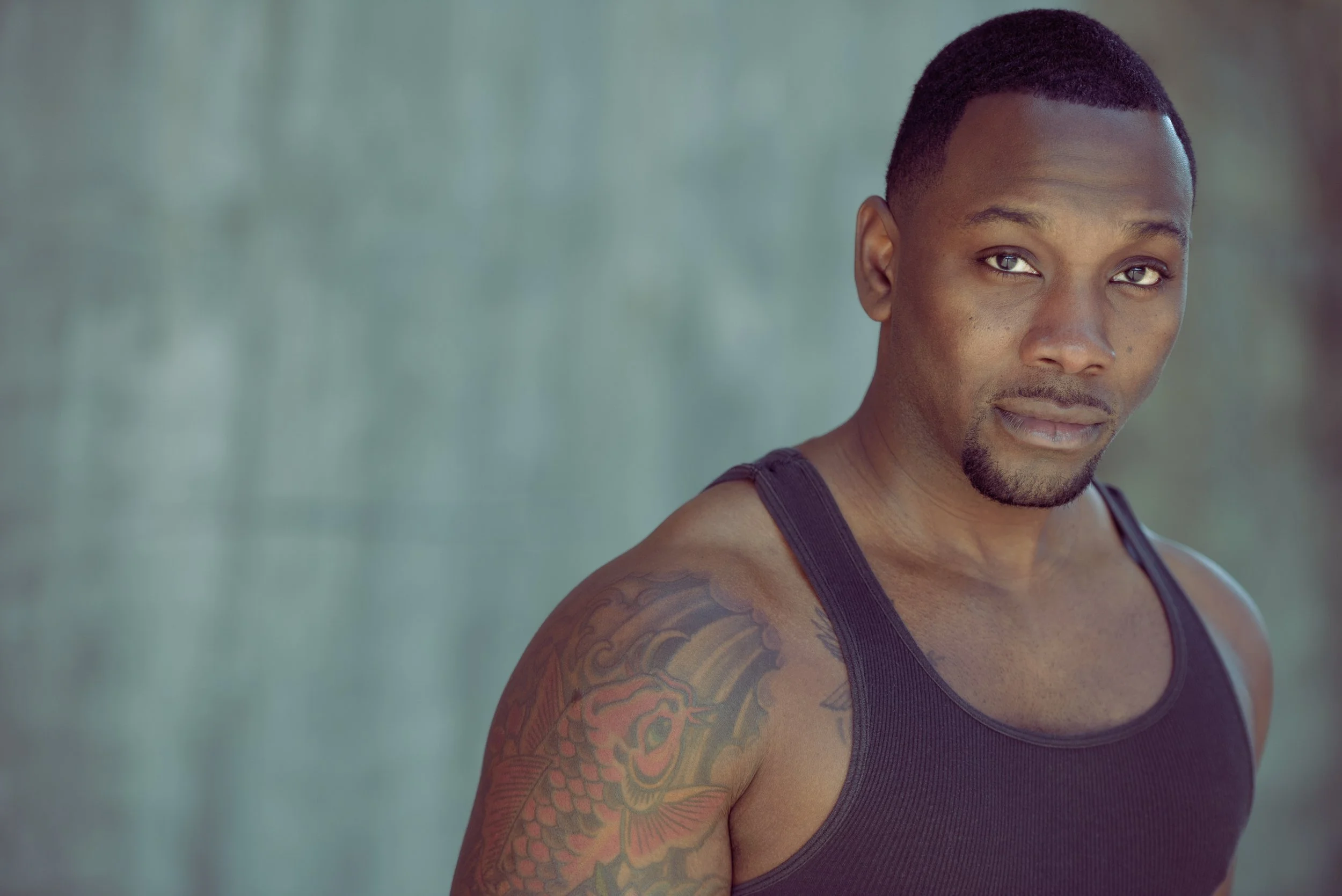
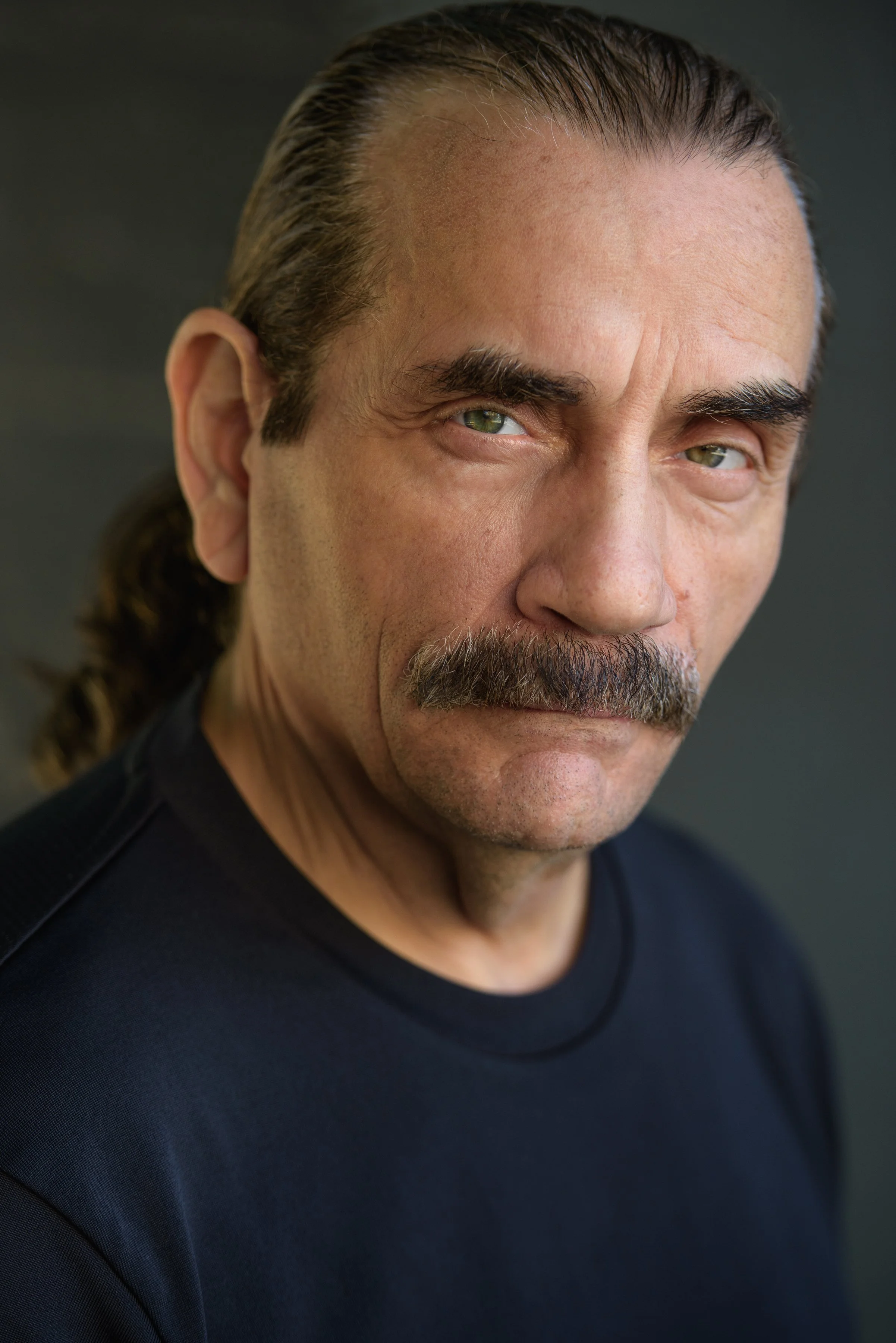
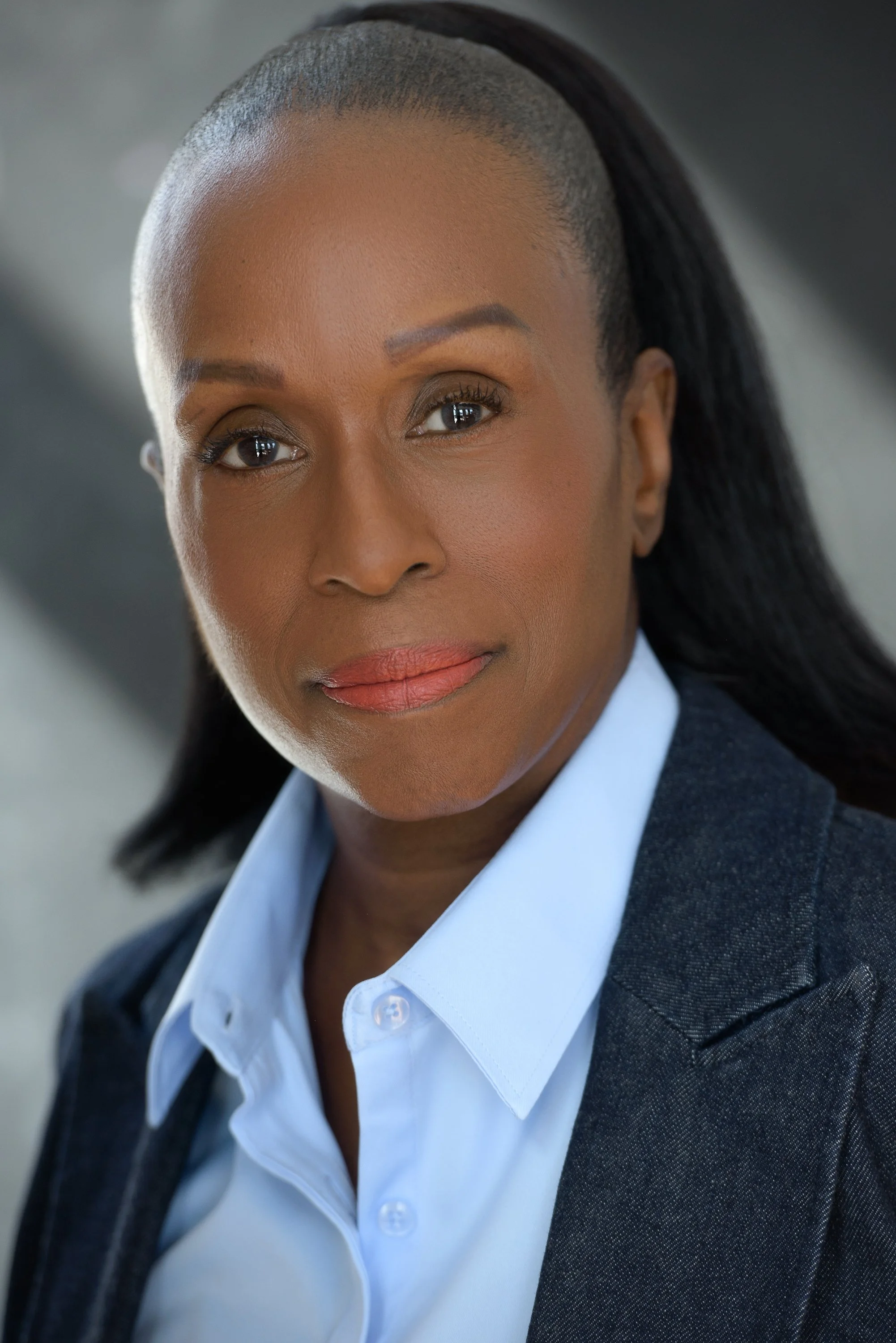
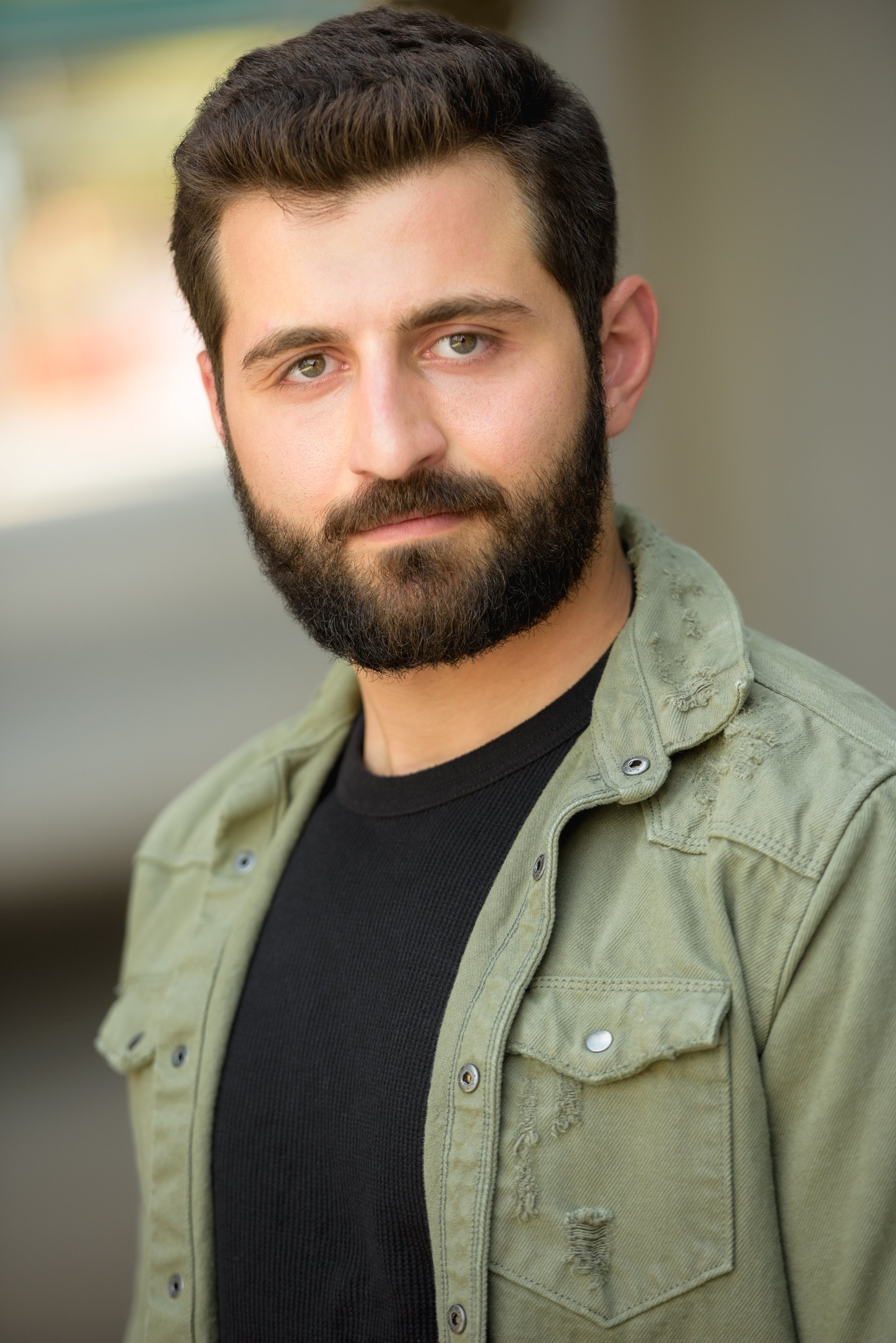
Cinematic headshots aren’t about looking dramatic or “acting” in a still frame. They’re about clarity, presence, and story. A strong cinematic headshot feels like a moment pulled from a larger world. It reads quickly, feels specific, and helps casting immediately understand who you are and where you fit. This post breaks down what cinematic actually means in a casting context, and how to use it strategically rather than stylistically.
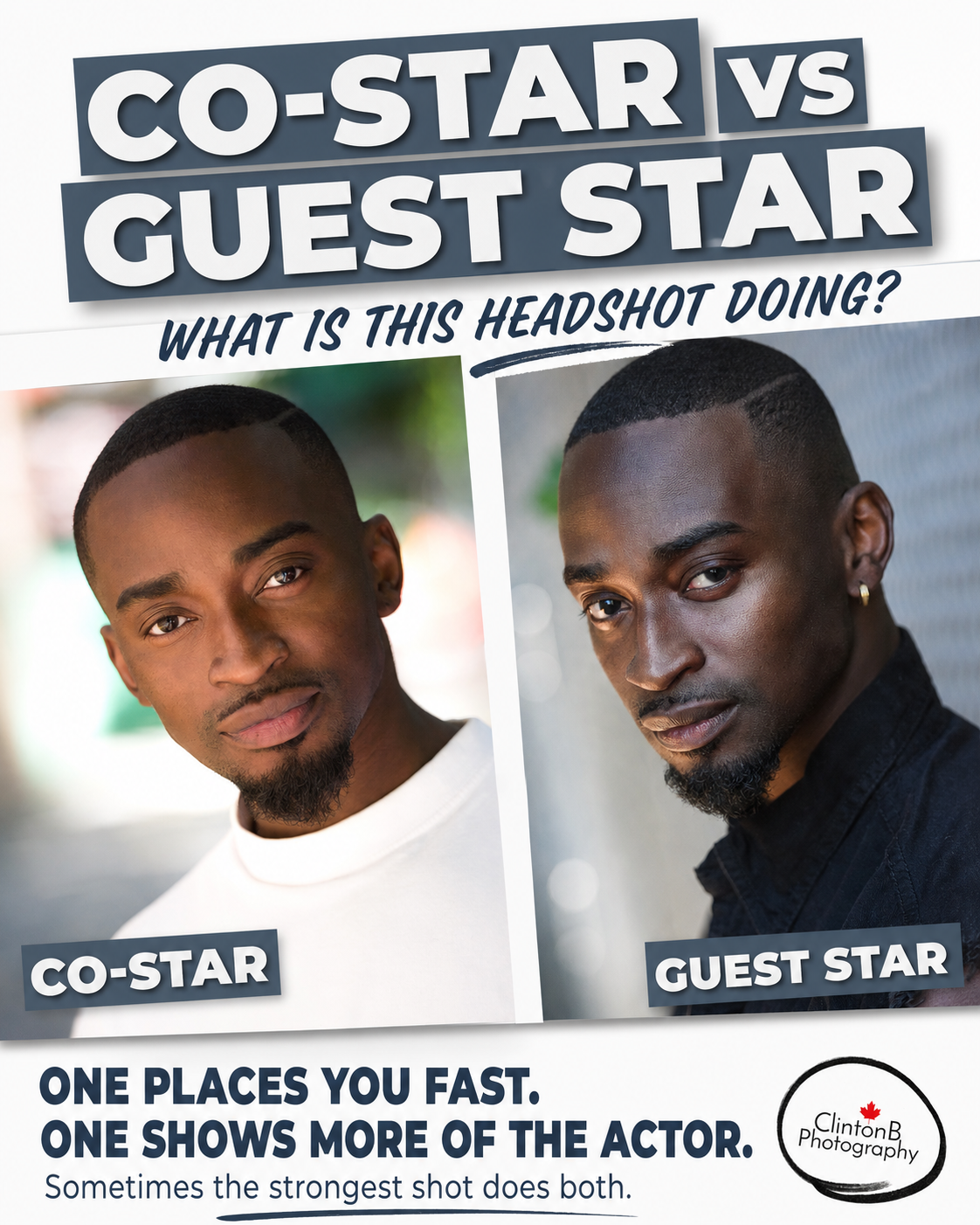
Headshots aren’t where actors prove their range. They’re where casting decides where to start. This post explains how specificity in headshots leads to more auditions and greater versatility over time.
Getting Ready for Your Shoot
Headshot Prep and Wardrobe & Practical Stuff
Before you book a headshot session, it helps to slow down and get oriented. This is a practical, no-nonsense guide to prepping in a way that makes your photos clearer, more useful, and a lot less stressful.
Most headshot mistakes don’t happen during the shoot. They happen before an actor ever books the session. This post is about slowing that moment down, getting clear on what casting needs to see, and making headshots that actually work.
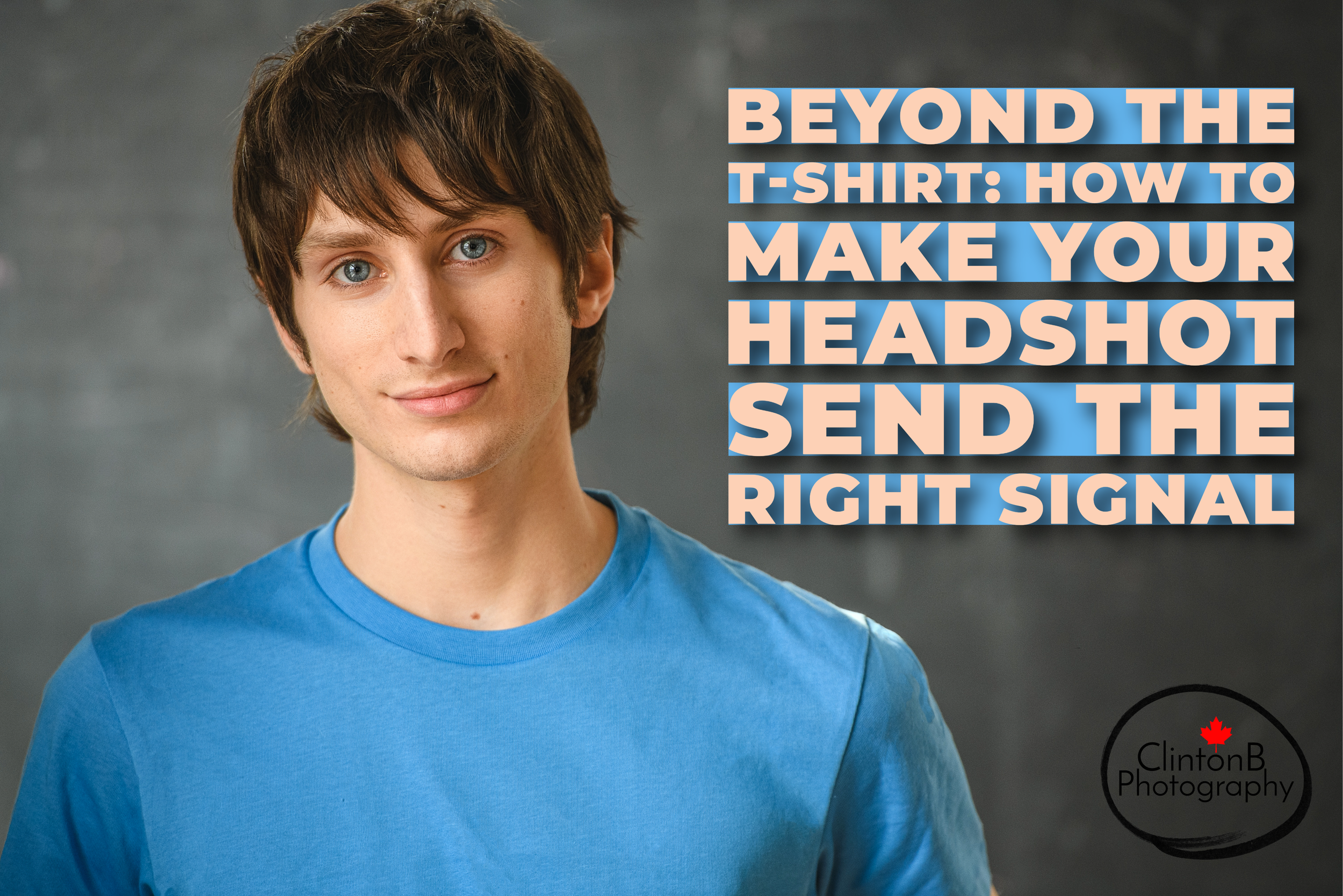
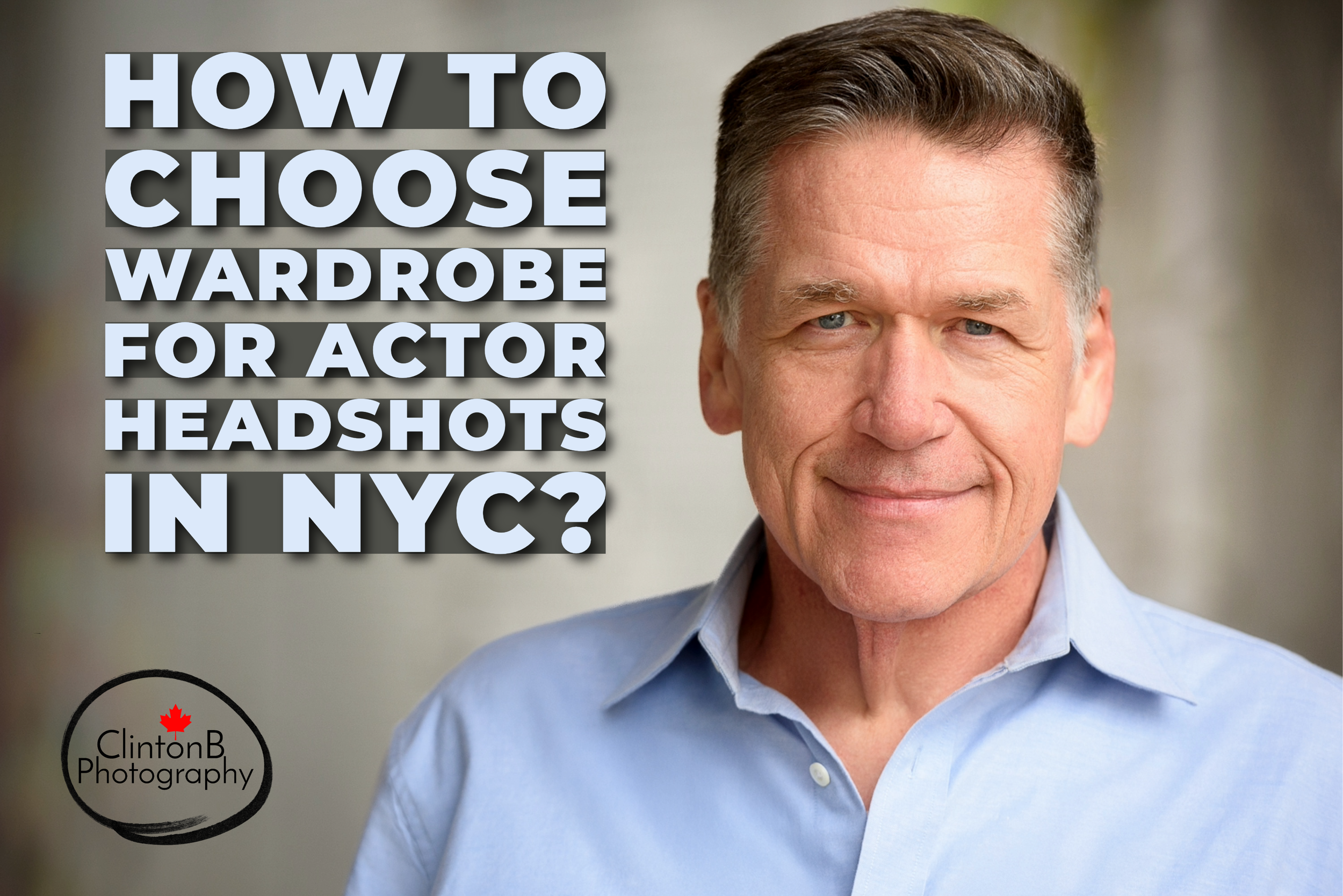
A neighbor recently told me her first professional headshots were “fine”… except she didn’t wear the right thing. That small detail is more common than you think. In this post, I break down why wardrobe matters more than most actors realize, how certain fabrics can sabotage a shot, and how to choose clothes that support you instead of stealing focus.
Design trends are changing, online profiles are changing, social media has certain ratio requirements for thumbnails and photos, theatre will always want...
Headshot Strategy for Actors
Let’s get strategic. Casting - Types and Genres
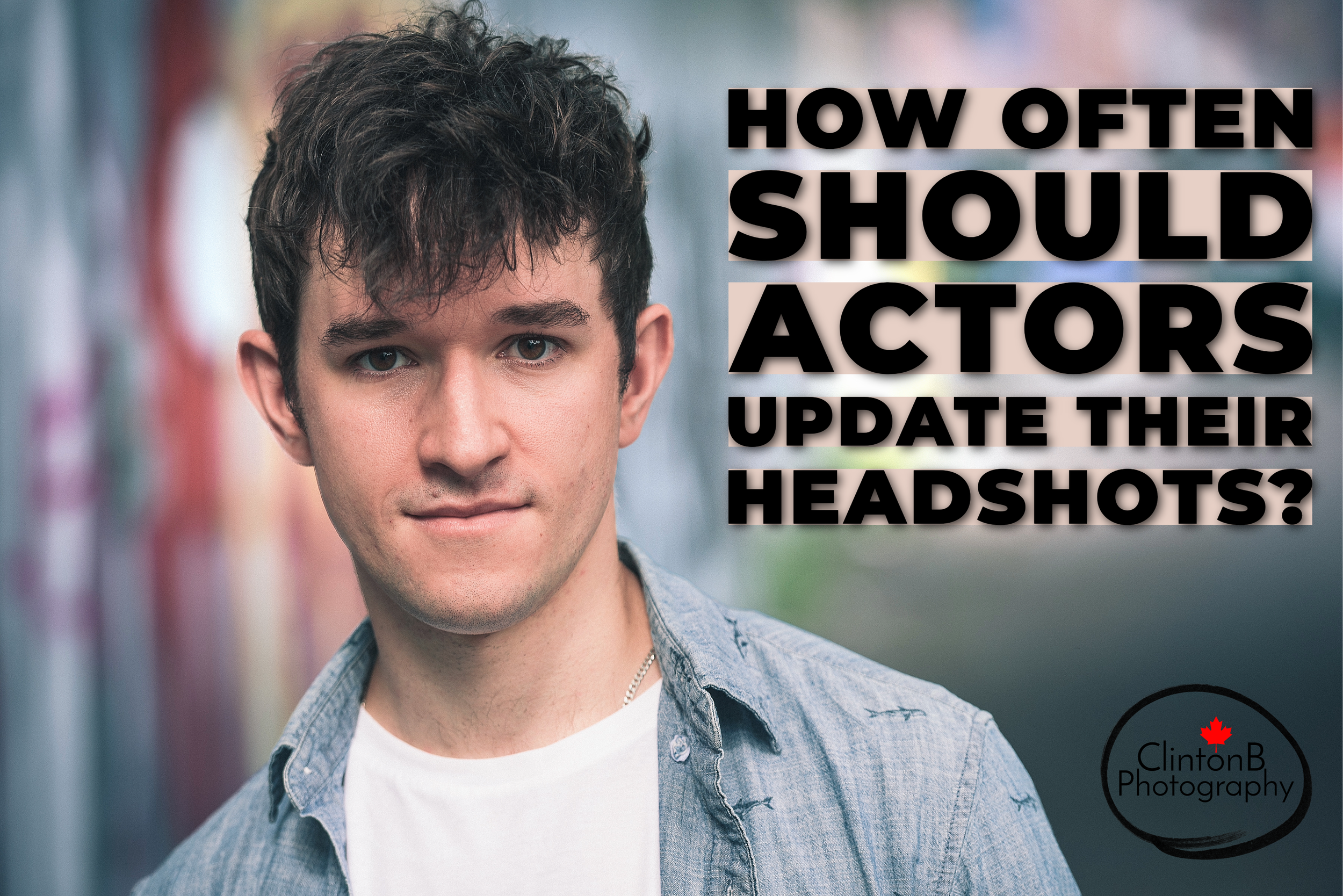
Actors do not always need new headshots on a fixed schedule. They need them when the old ones stop looking like them, stop reflecting how they are cast, or stop feeling current enough to do the job. This post breaks down a practical way to tell when your photos are still helping and when they may be quietly working against you.
There’s a lot of confusion around theatre headshots. Actors are often told they need something more neutral or less “film-y,” but that advice can miss the point. Theatre headshots serve a different purpose than film and TV, but they’re not a separate universe. This post breaks down how theatre casting actually uses headshots, when they matter most, and how to choose images that help casting see you clearly and confidently.
Family, commercial, and academic roles are cast on trust. This post breaks down how headshots in these genres work, what casting looks for at a glance, and how clarity, familiarity, and emotional availability do more work than polish or performance.
Sci-fi and post-apocalyptic shows don’t cast for spectacle. They cast for survival. This post breaks down how actors can use headshots to communicate adaptability, presence, and believability in heightened worlds.
Blue collar roles are everywhere, but many actors unintentionally erase this lane from their headshots. This post explores how casting reads blue collar energy and how actors can position themselves clearly and honestly.
Crime dramas cast fast and often. This post breaks down how actors can use headshots to communicate clarity, type, and credibility for procedural TV, and why grounded, believable images matter more than intensity or range.
Most headshot mistakes don’t happen during the shoot. They happen before an actor ever books the session. This post is about slowing that moment down, getting clear on what casting needs to see, and making headshots that actually work.
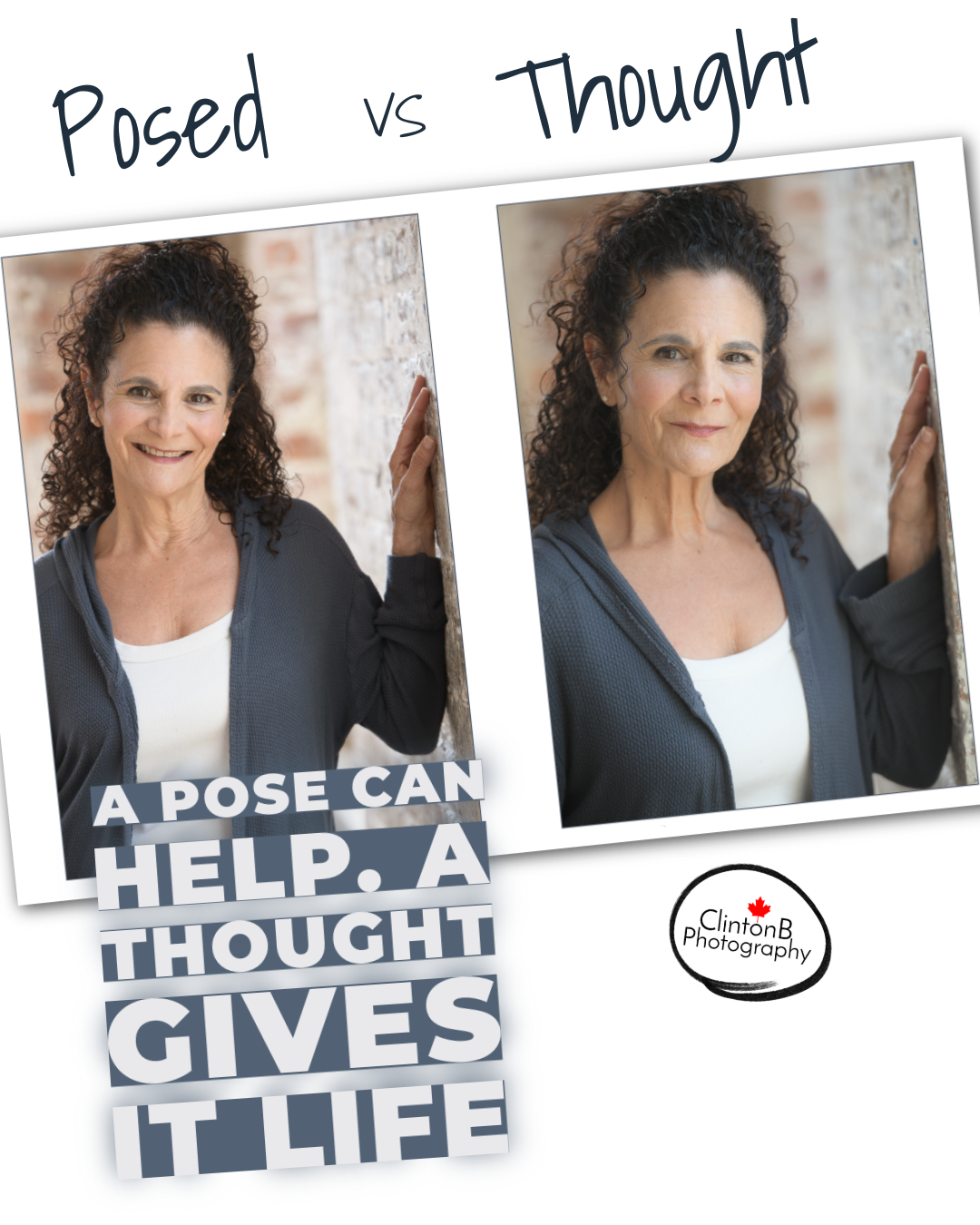
What is a headshot really, and what can it be? A look at clarity, authenticity, thumbnails, and subtle storytelling in modern casting headshots.
Let’s Talk
If you’re thinking about new headshots but aren’t sure about timing, direction, or what you actually need, let’s talk it through.
You don’t need to have it all figured out yet. That’s often the point of the conversation. -Clint
Casting decisions start with a grid of thumbnails and seconds of attention. A successful headshot isn’t always the most beautiful image. It’s the one that makes someone pause and want to know more. This piece breaks down what actually makes a headshot work before anyone clicks, and why clarity, presence, and restraint matter more than polish.