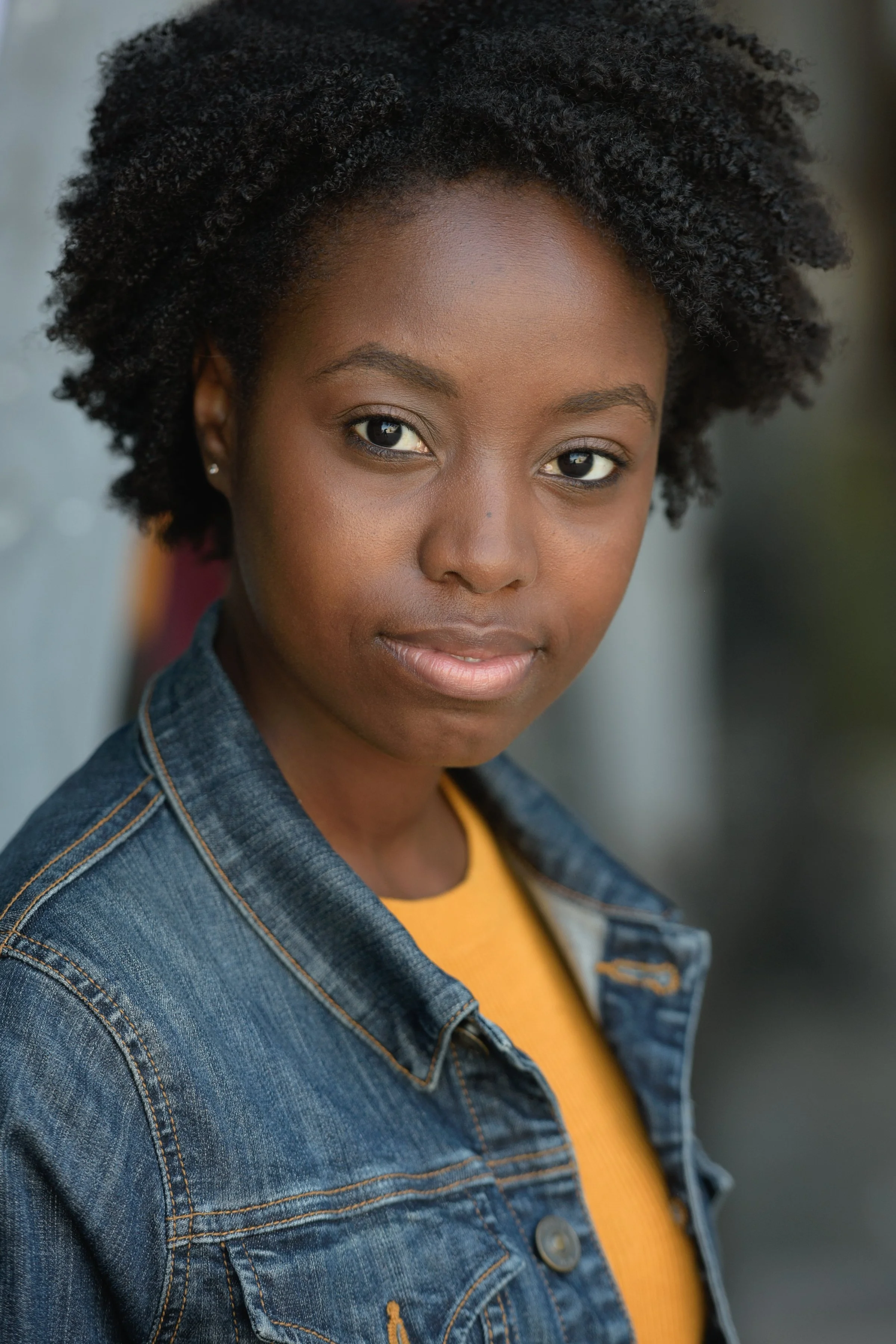
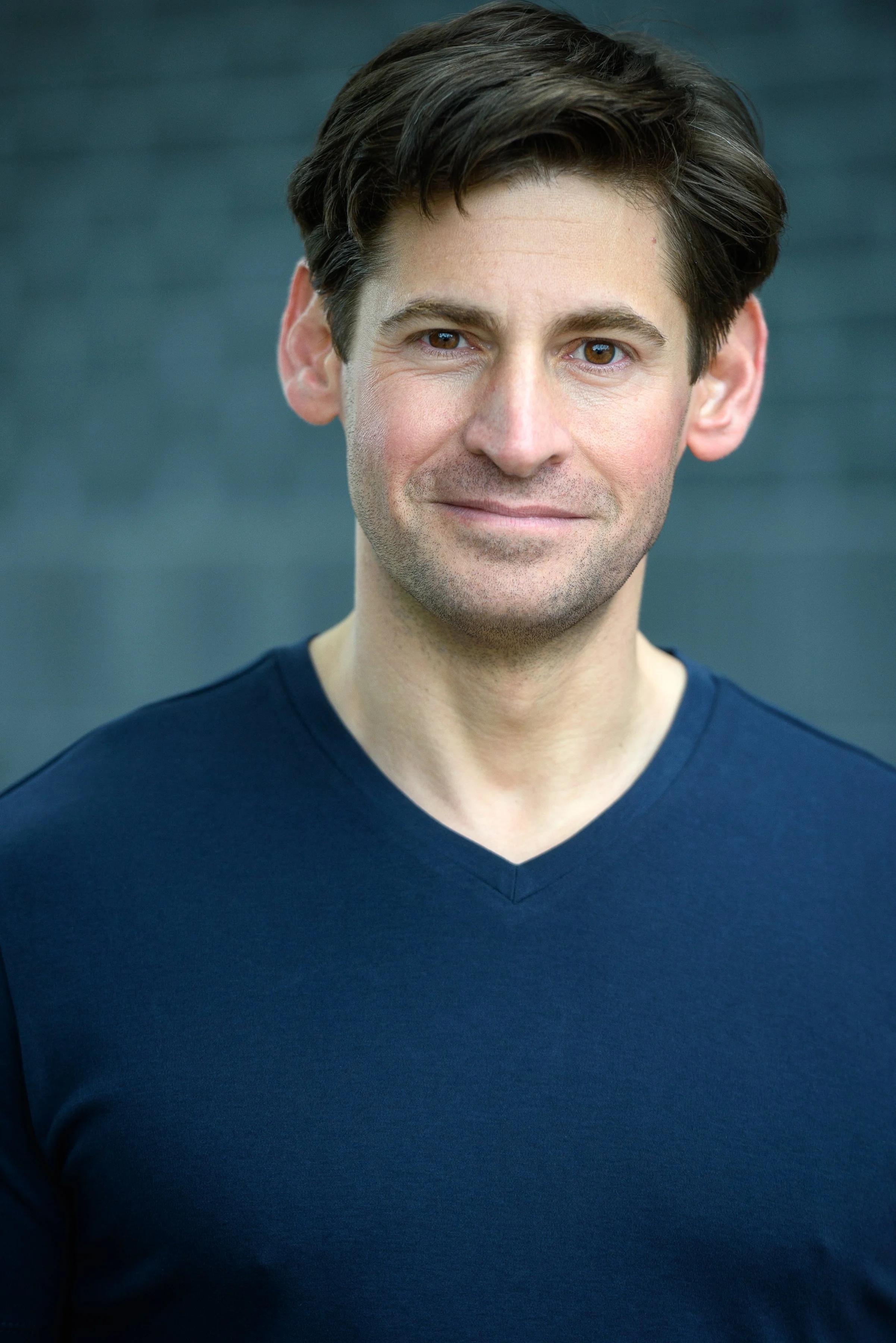
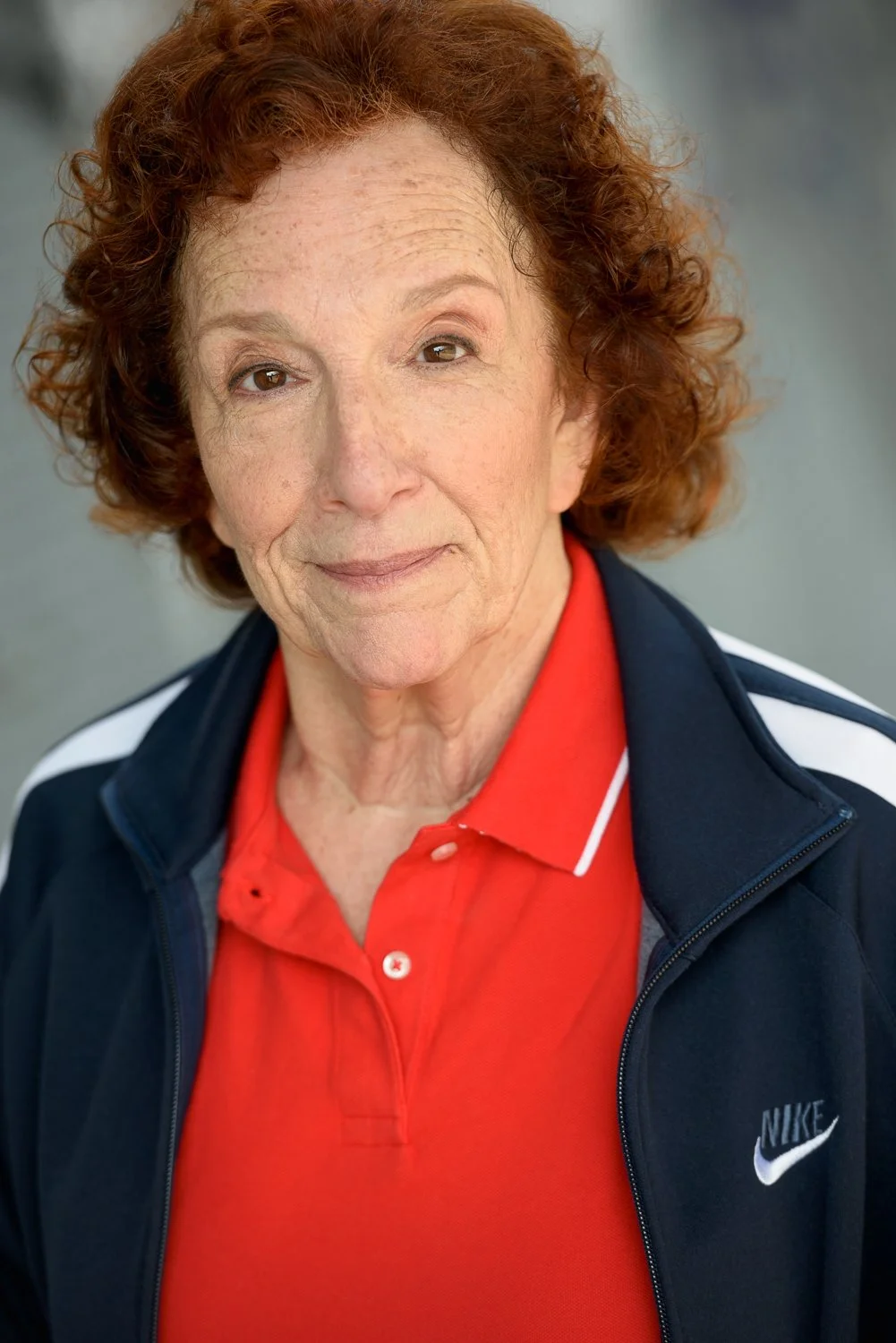
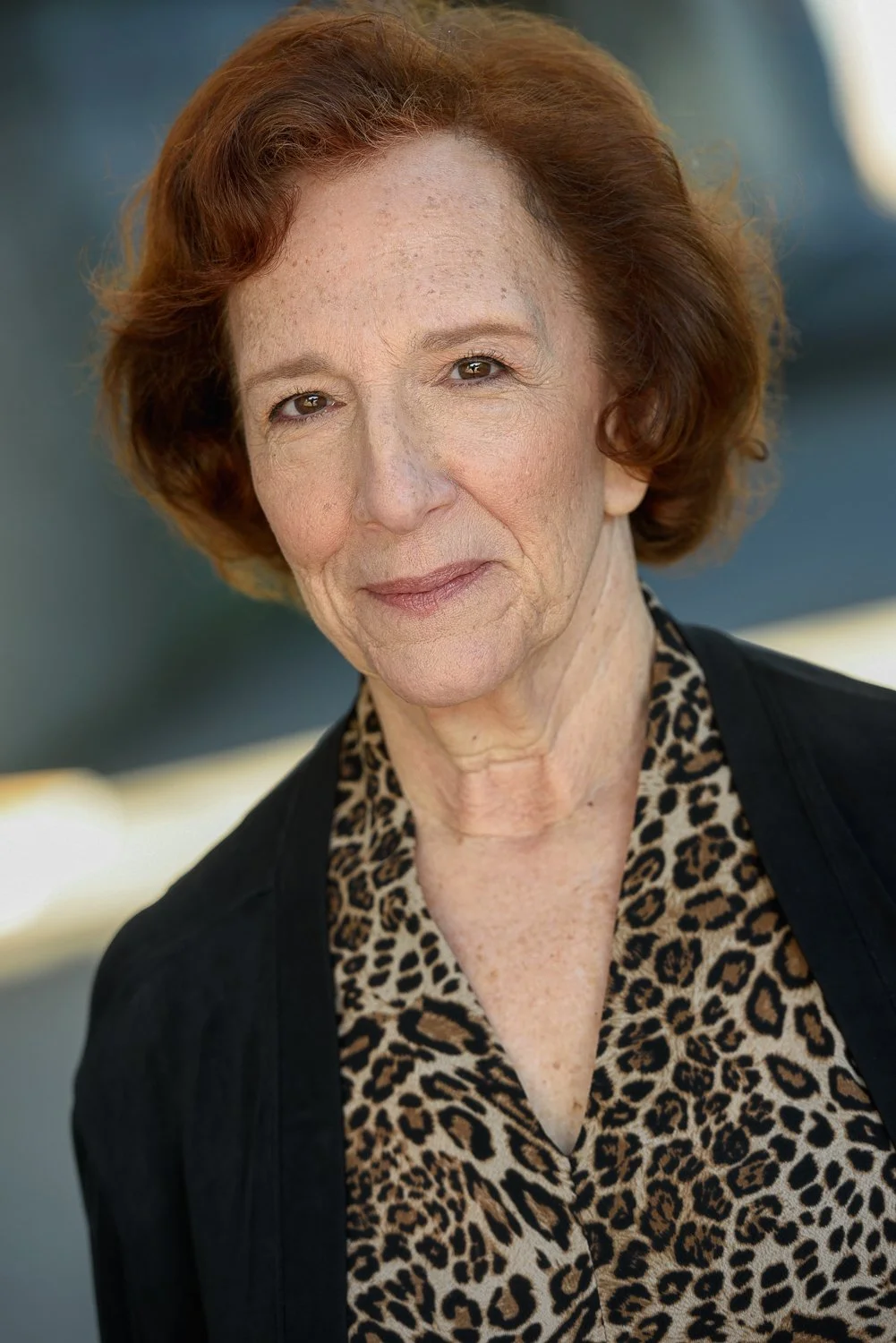
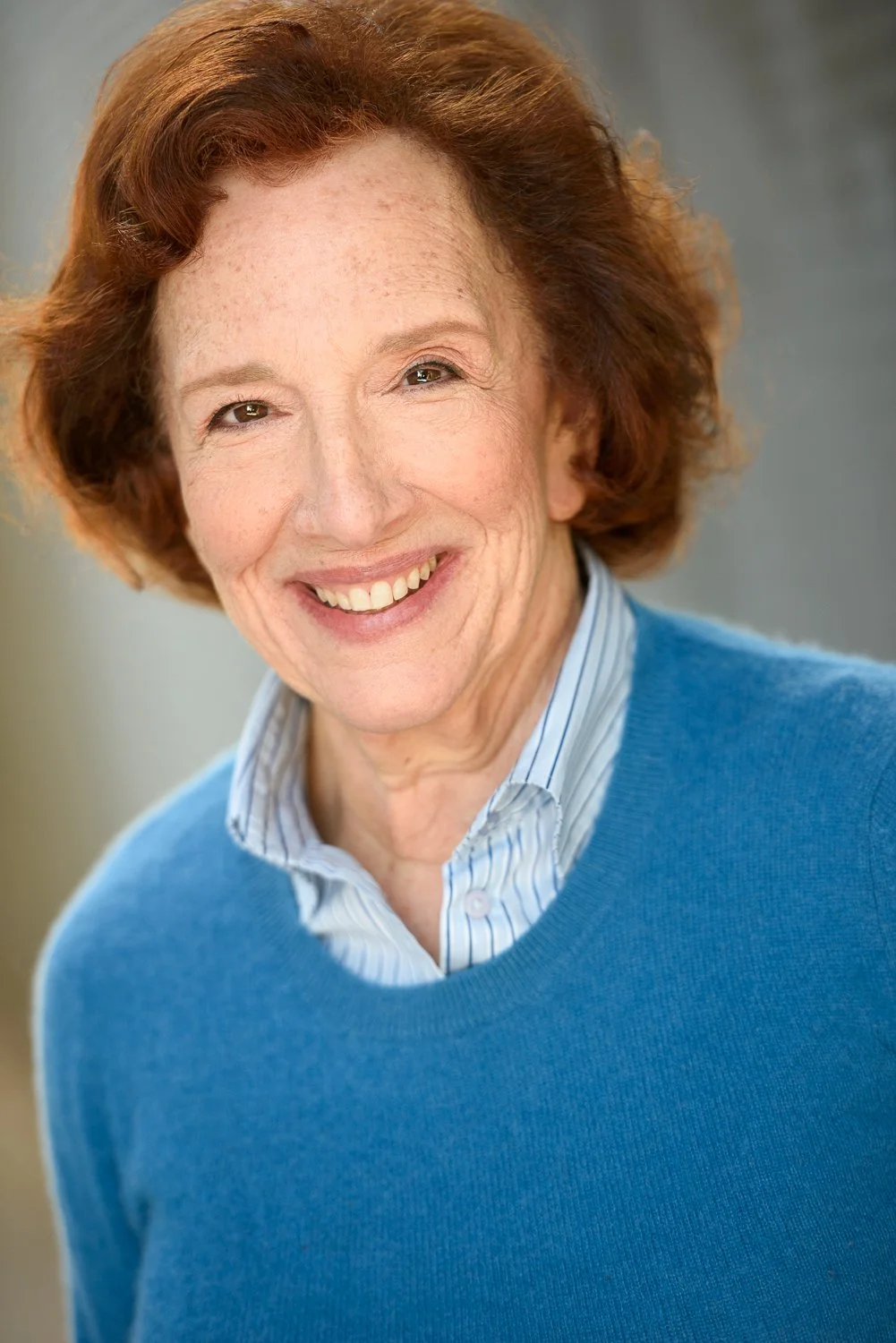
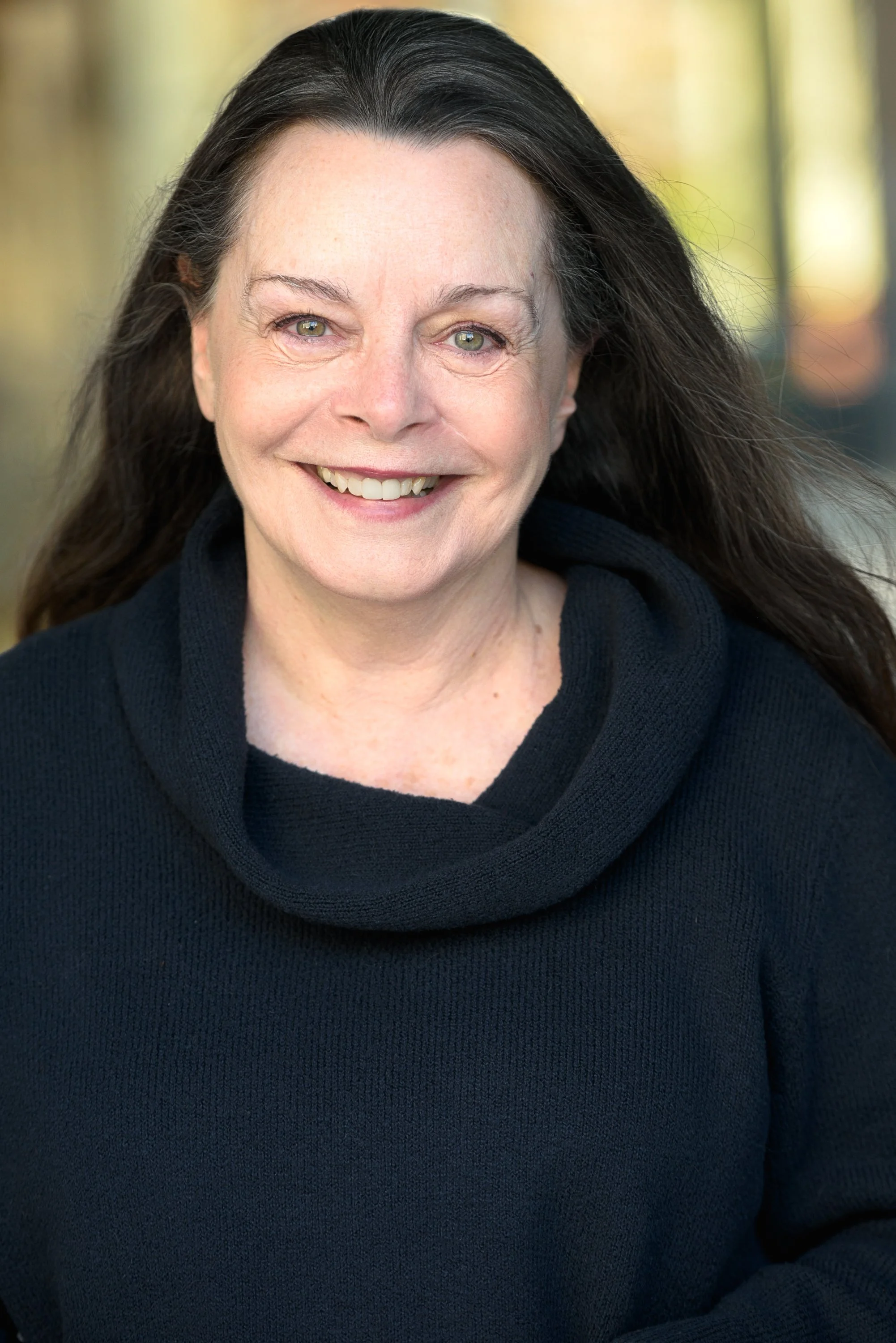
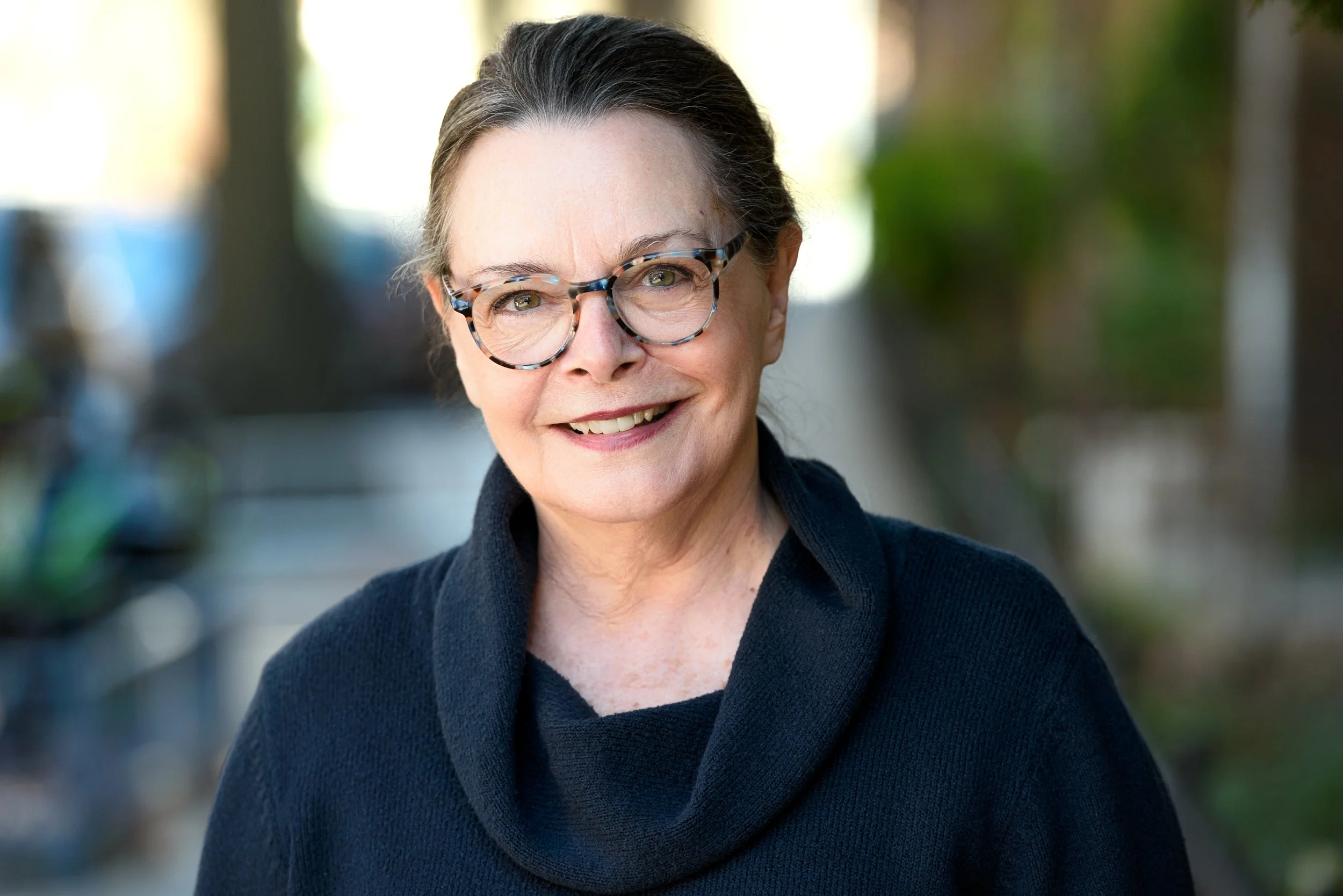
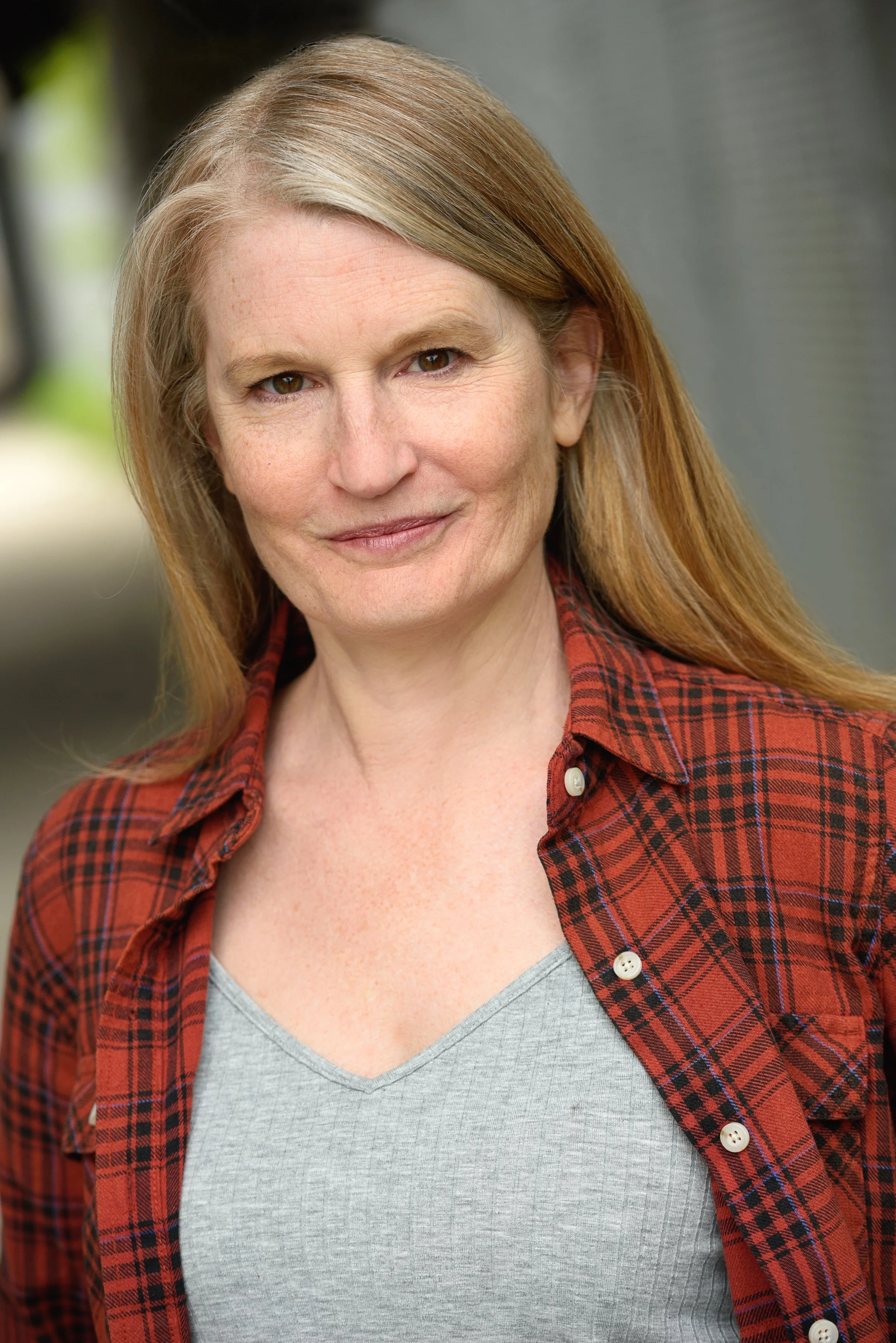
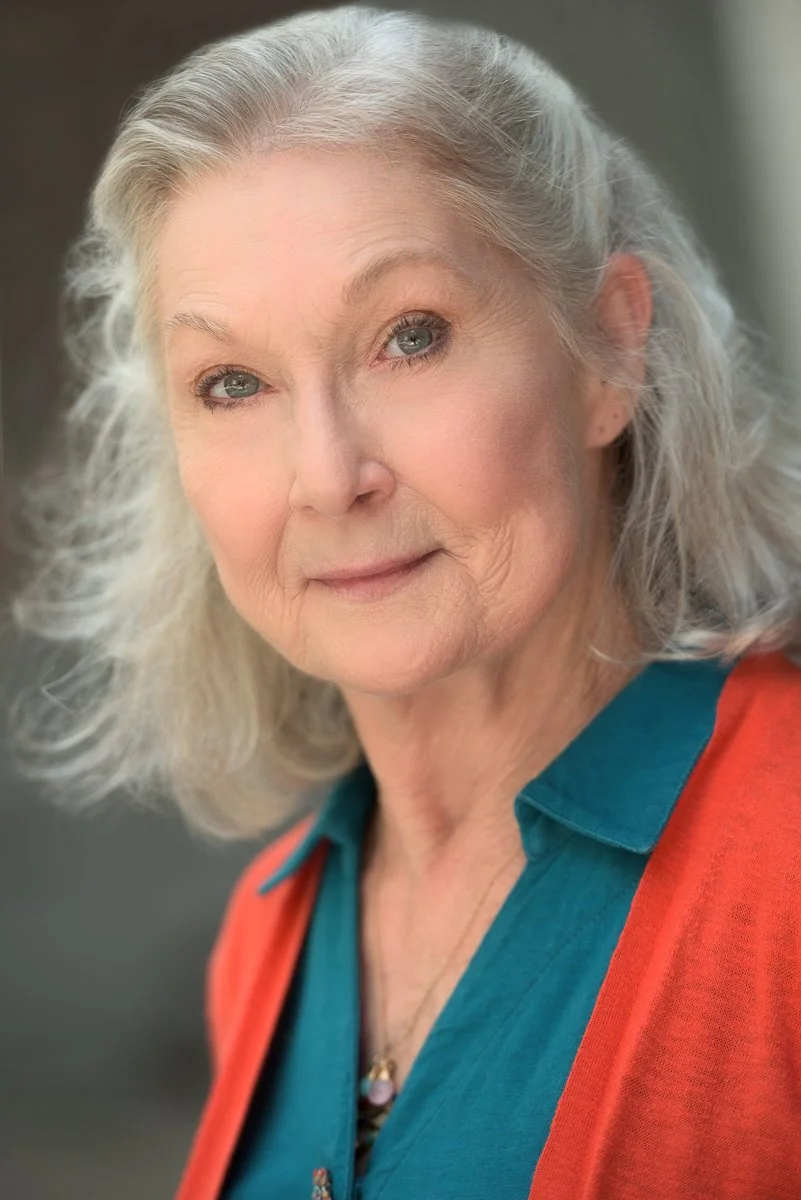
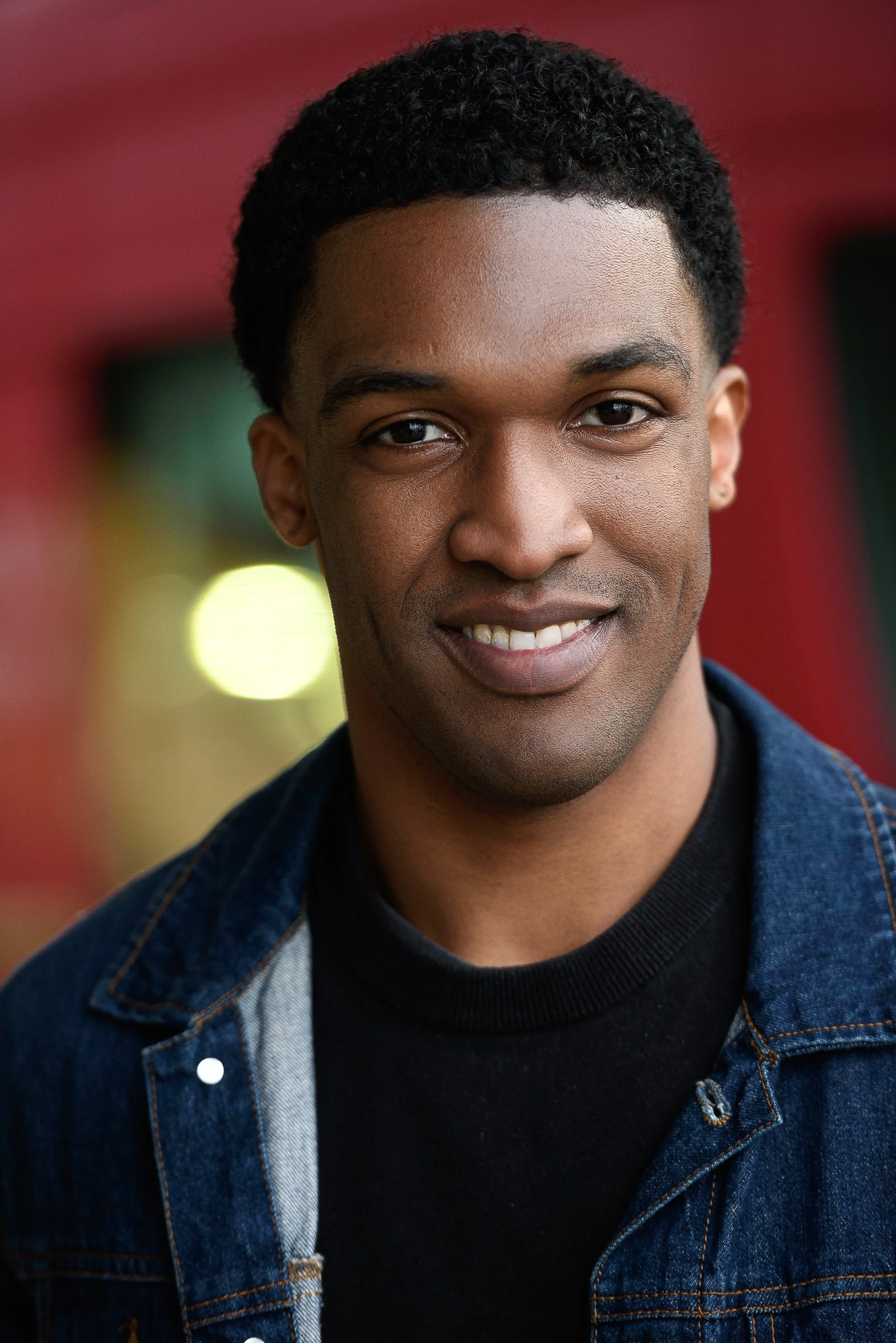
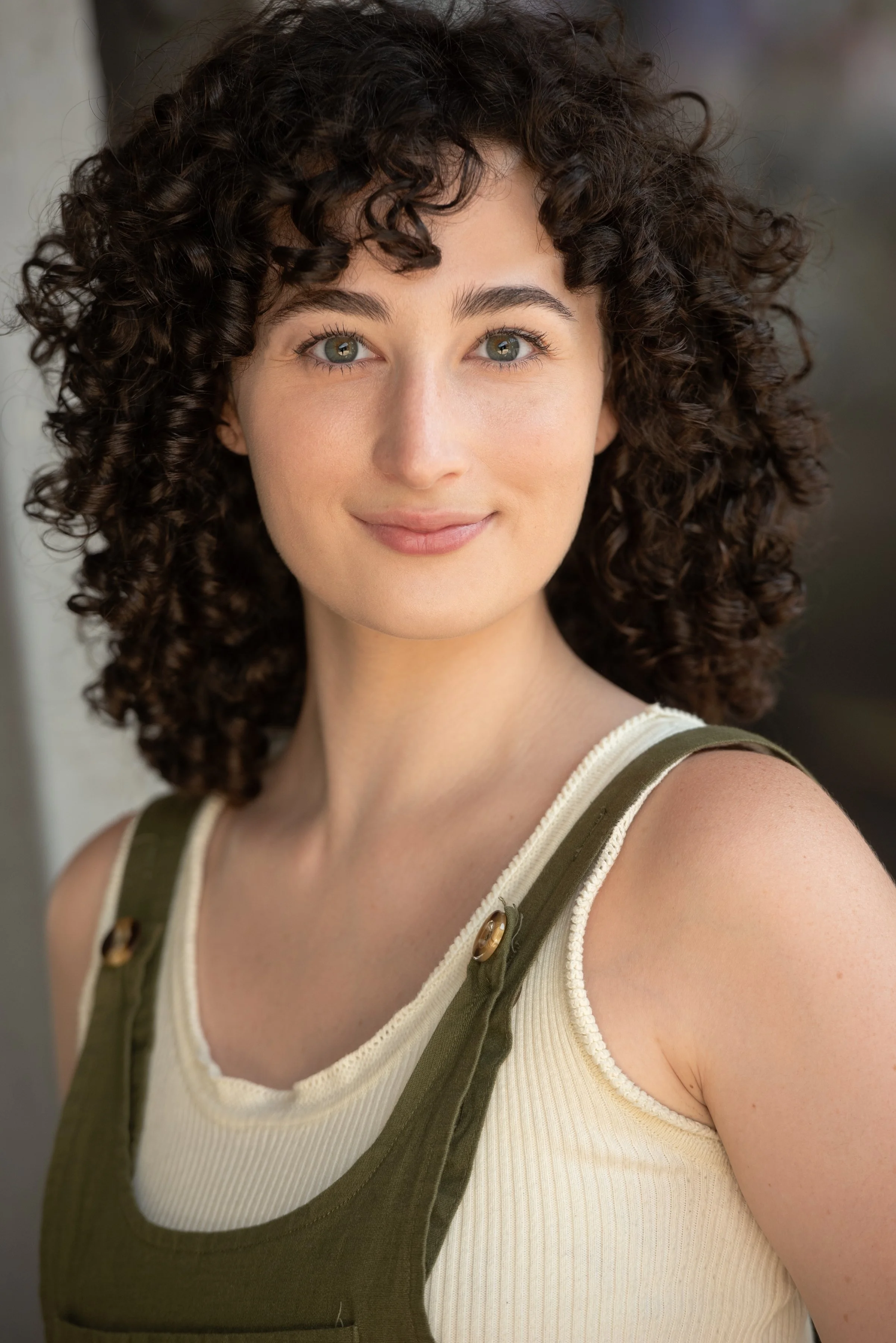
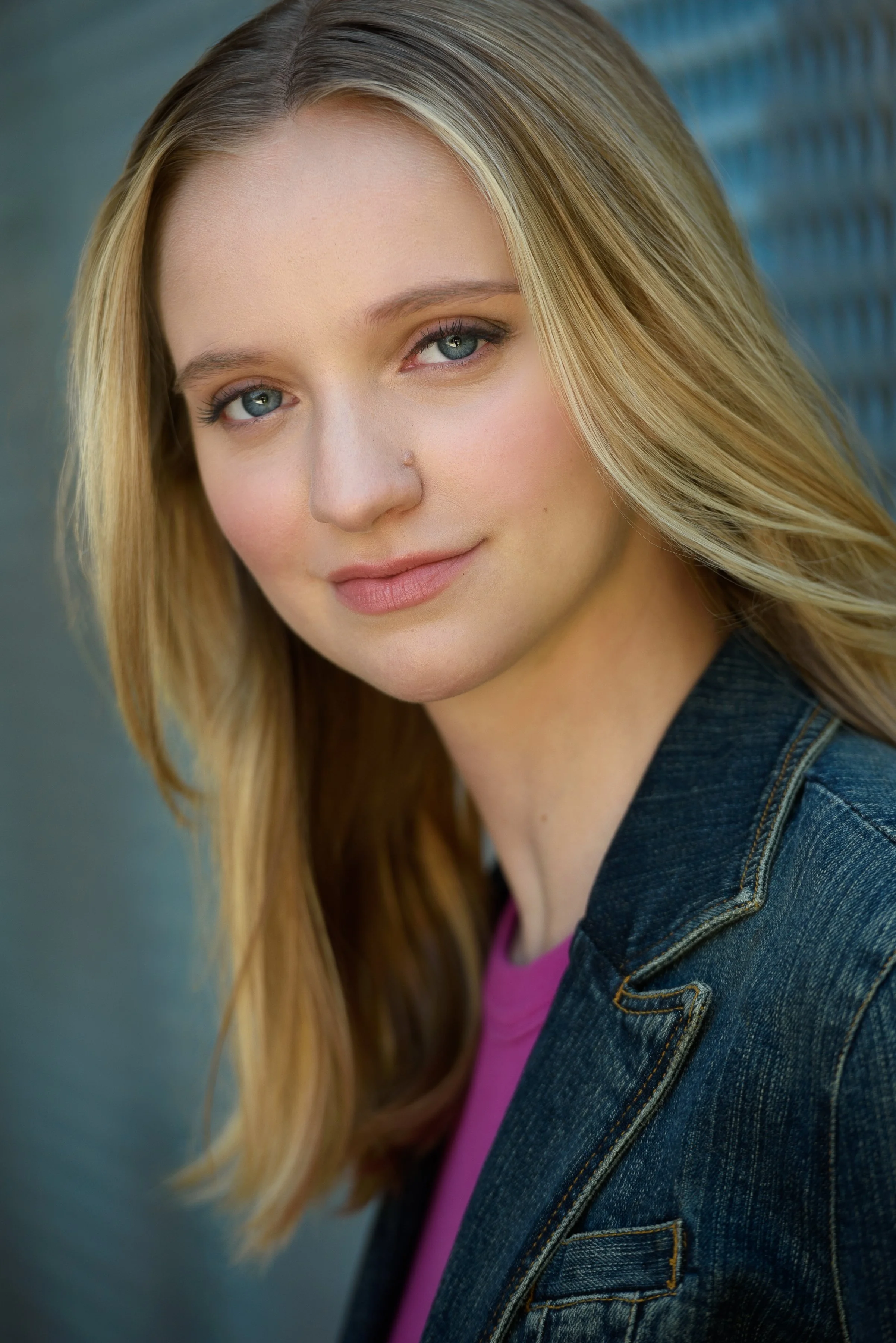
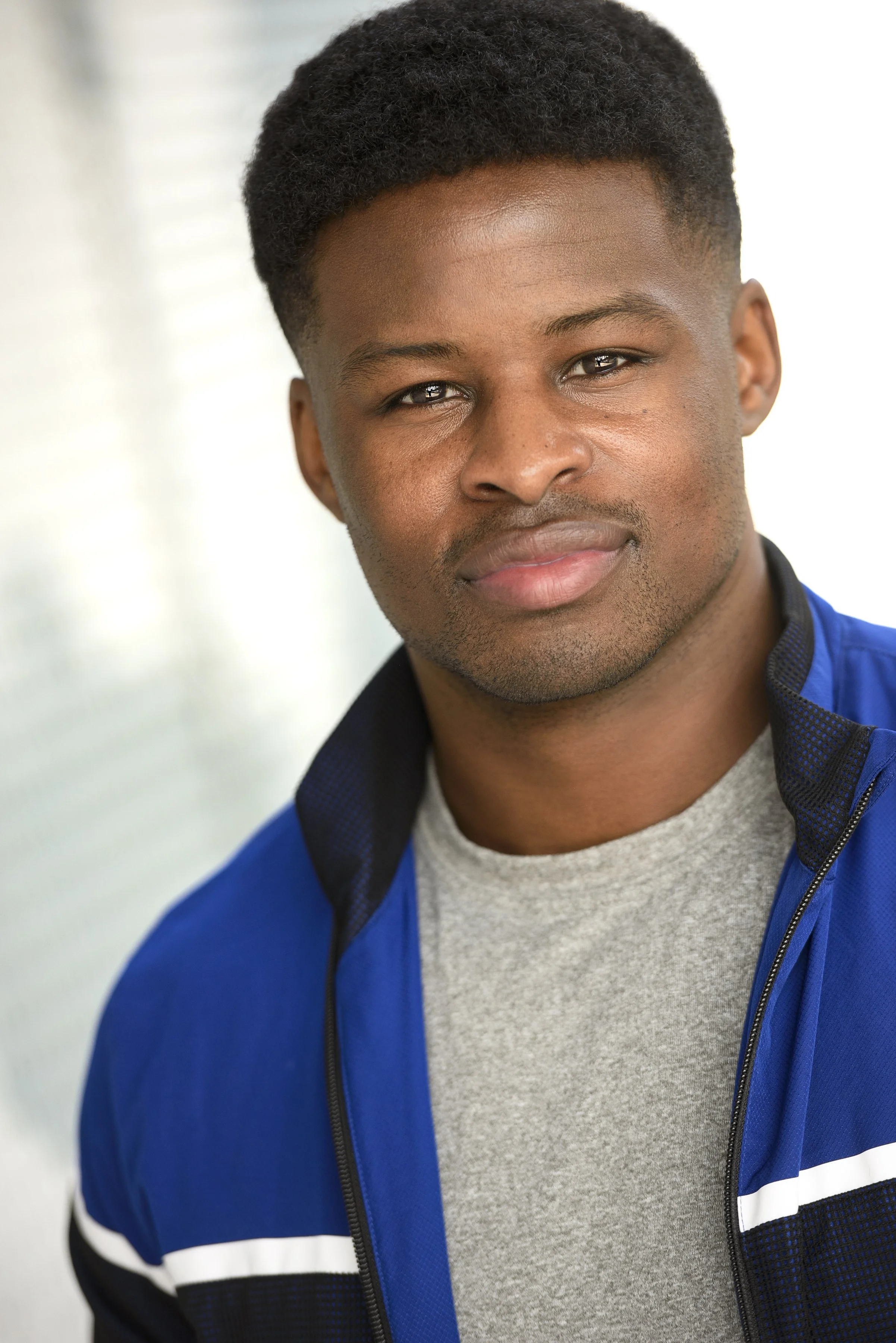
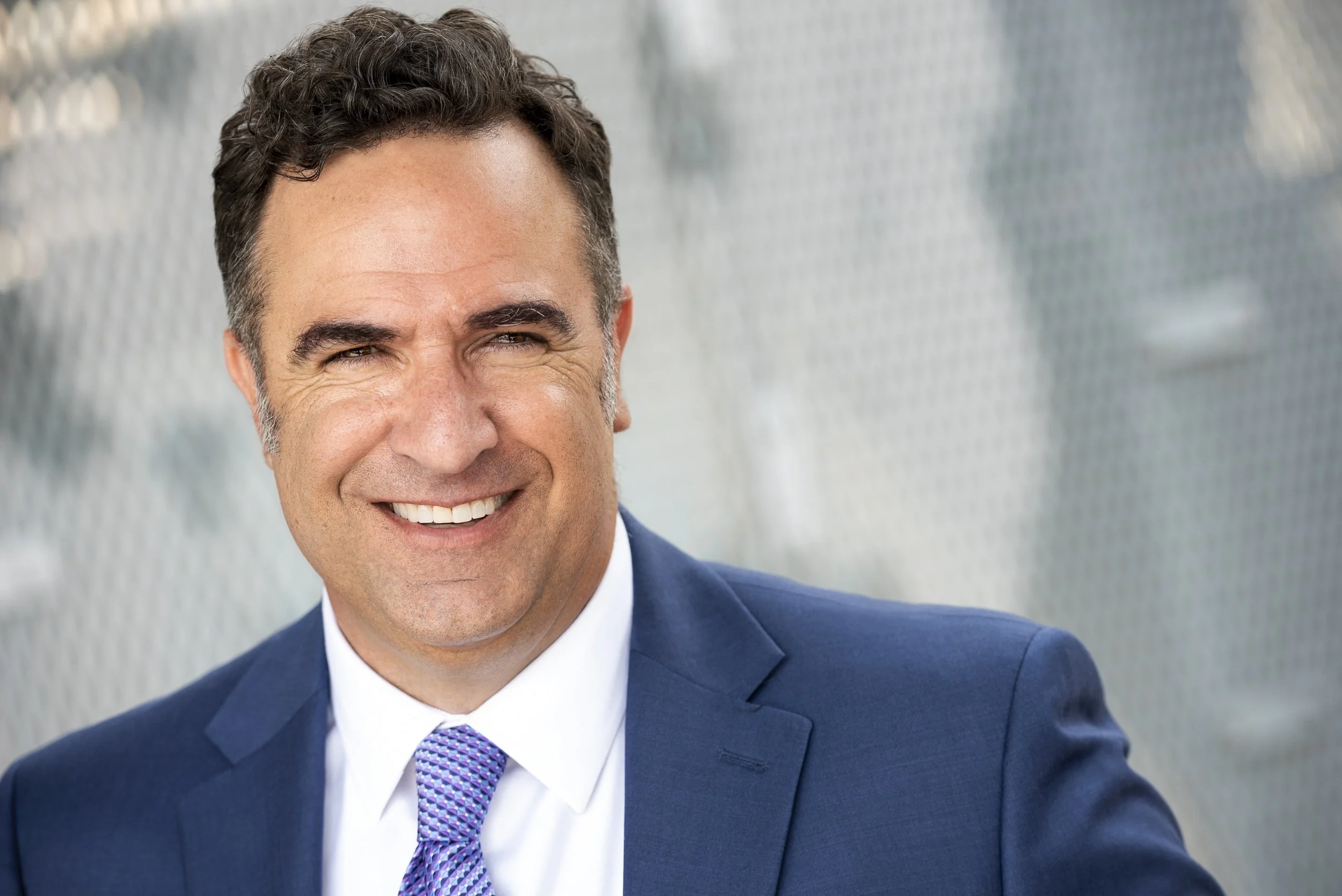
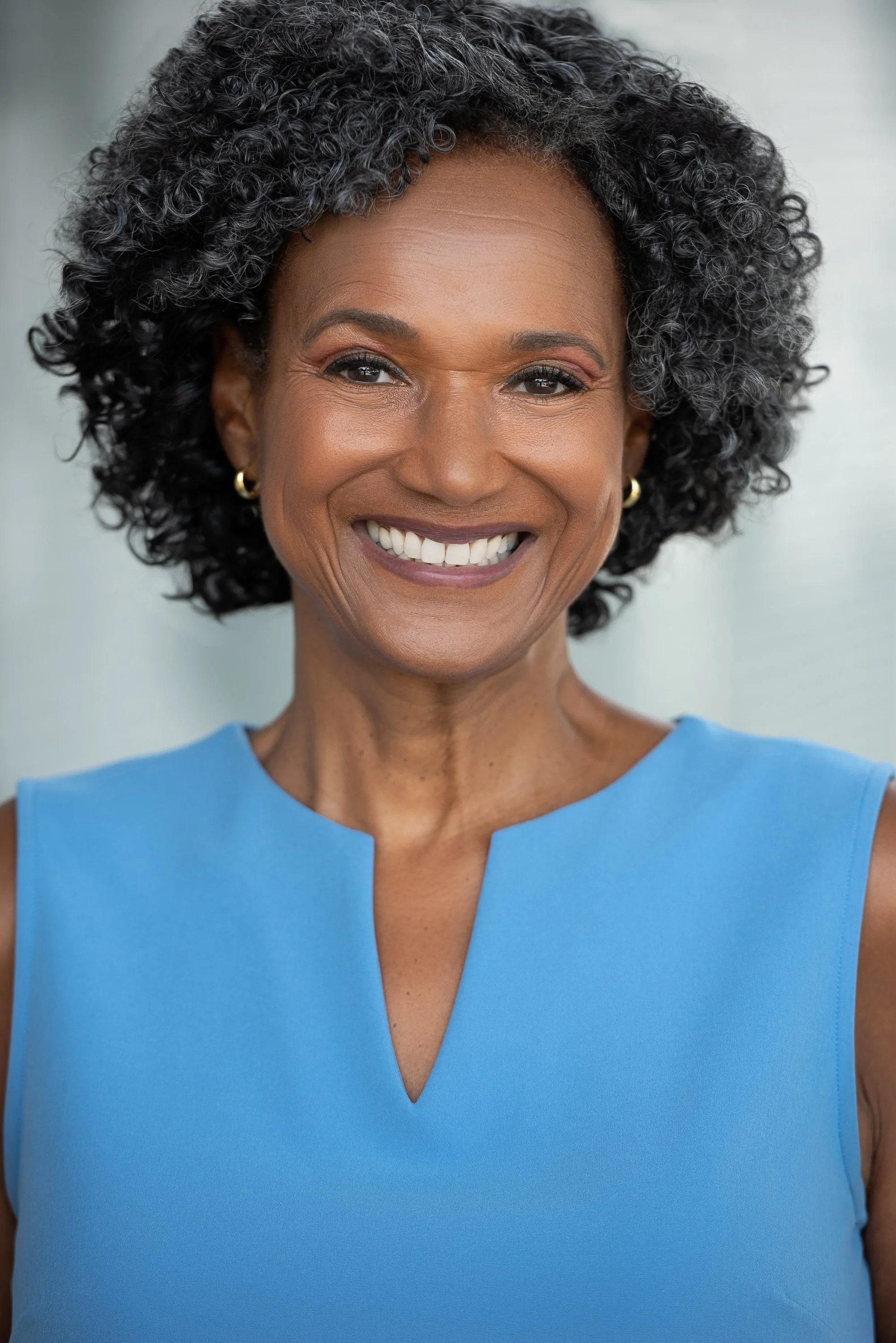
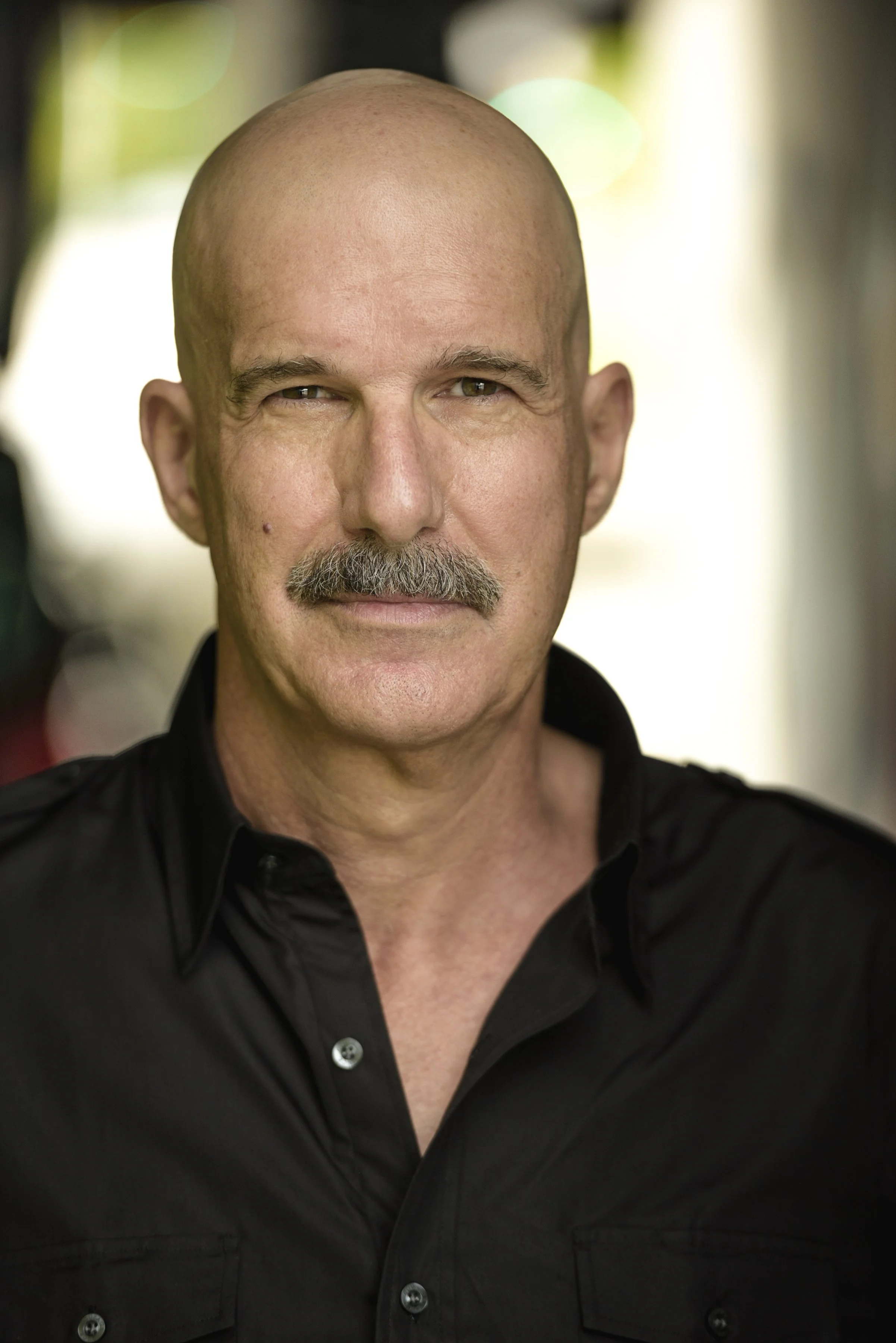
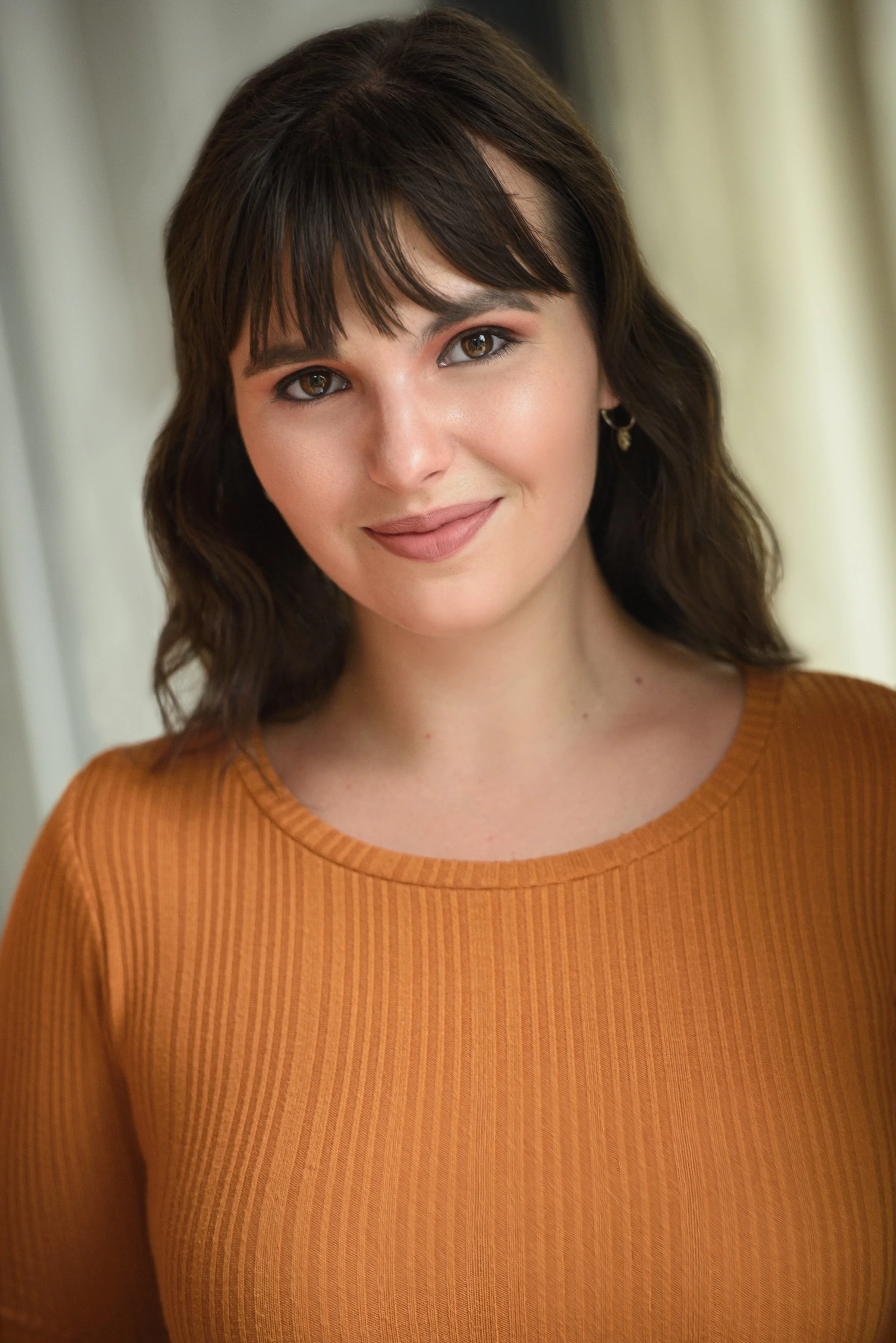
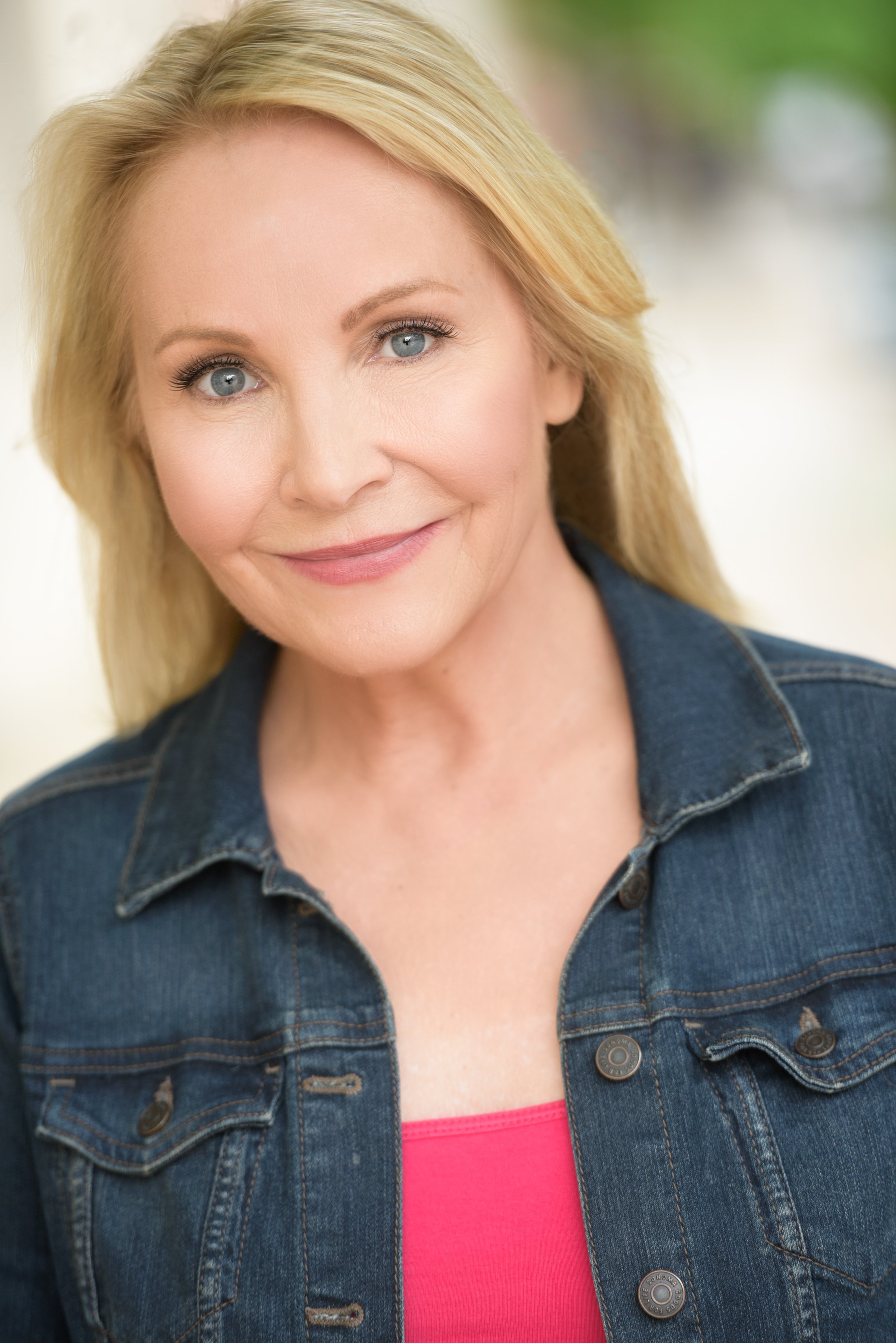
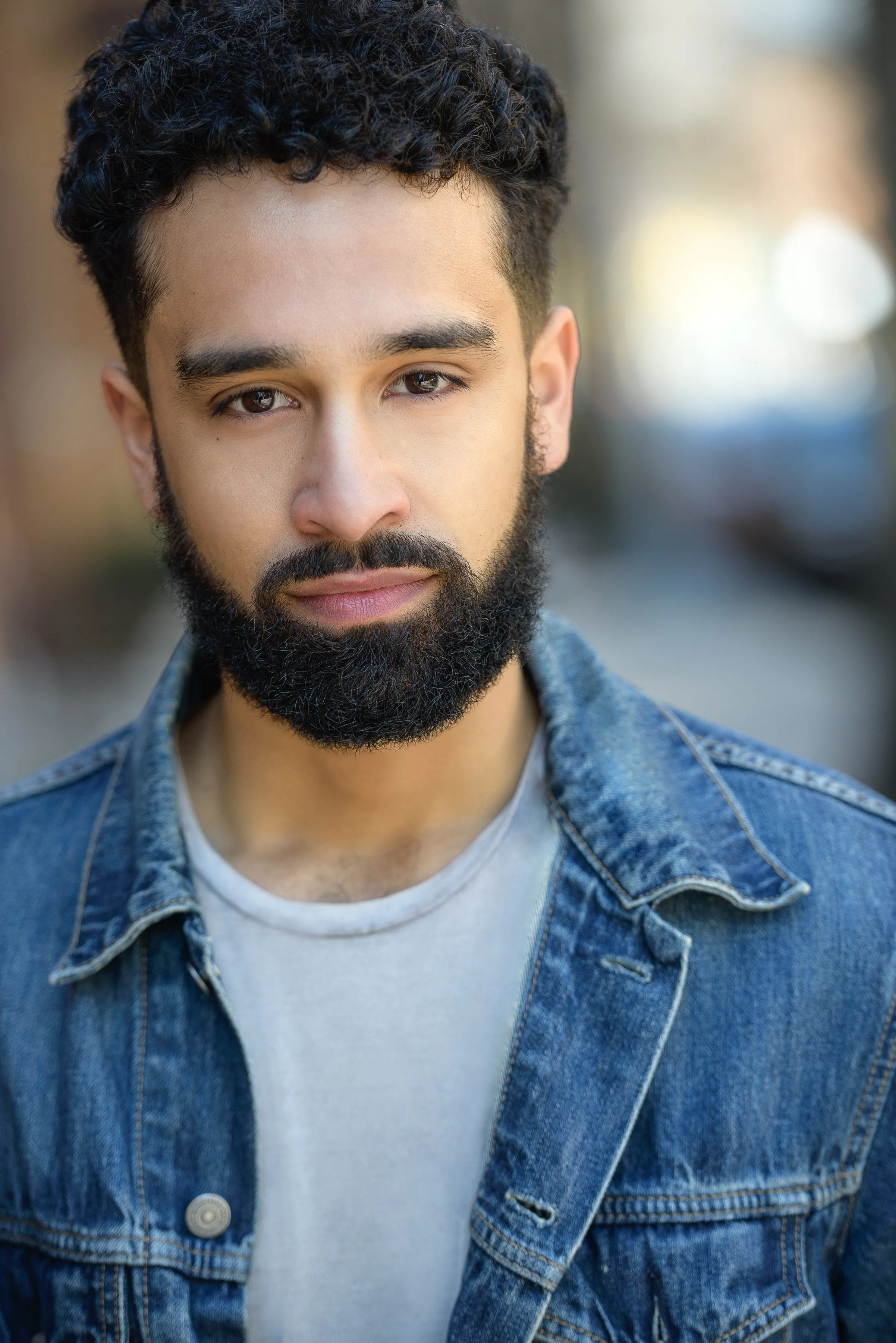
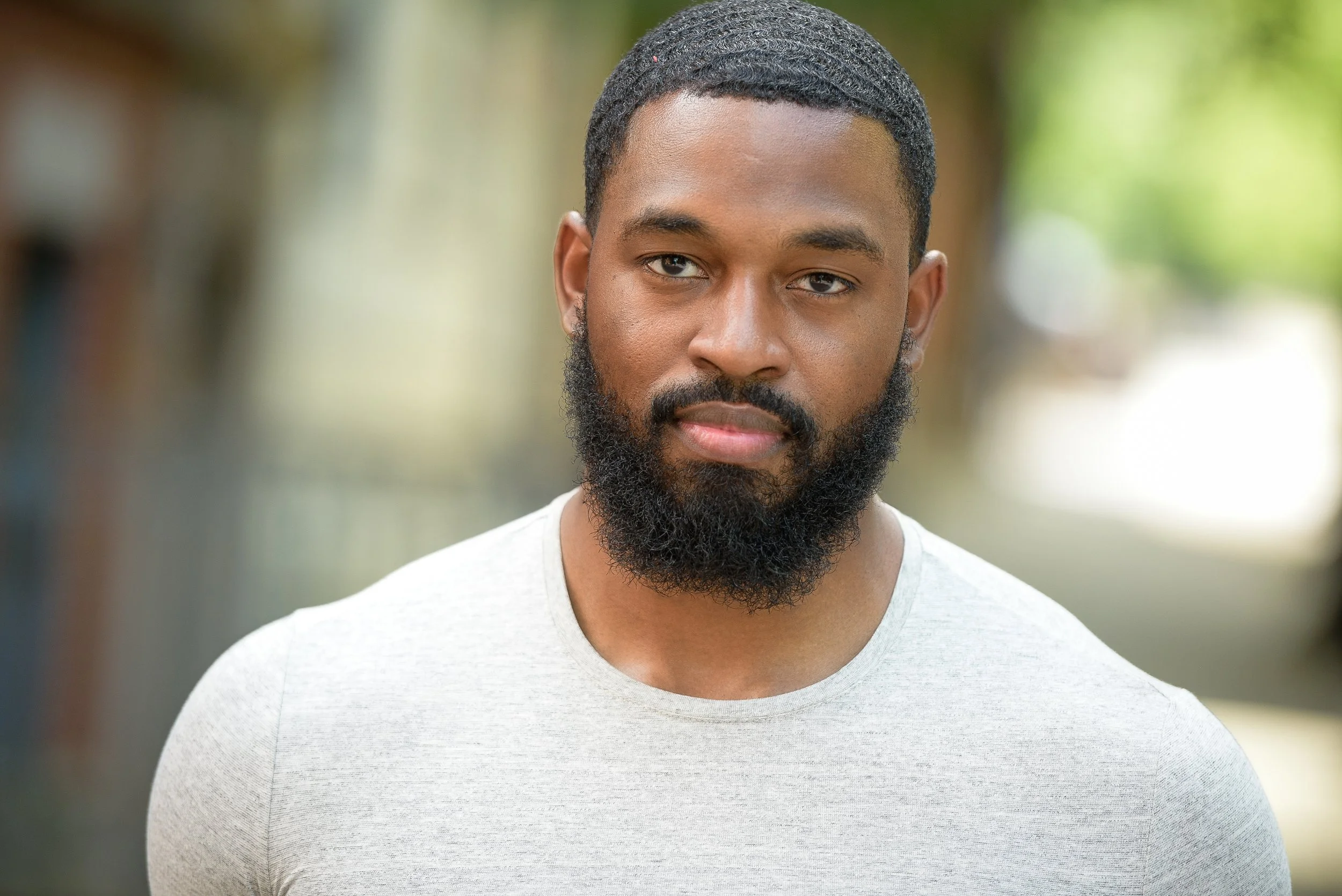
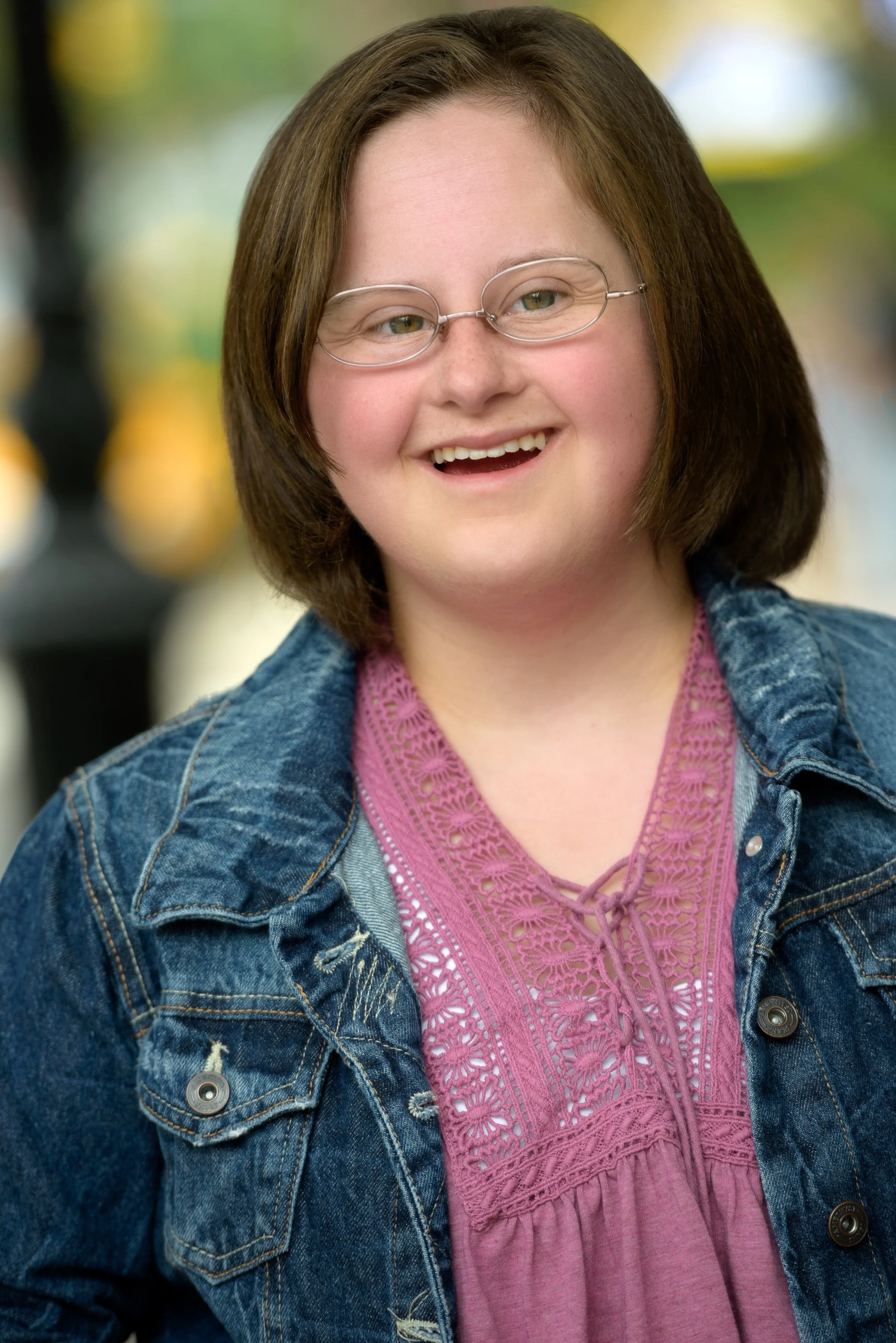
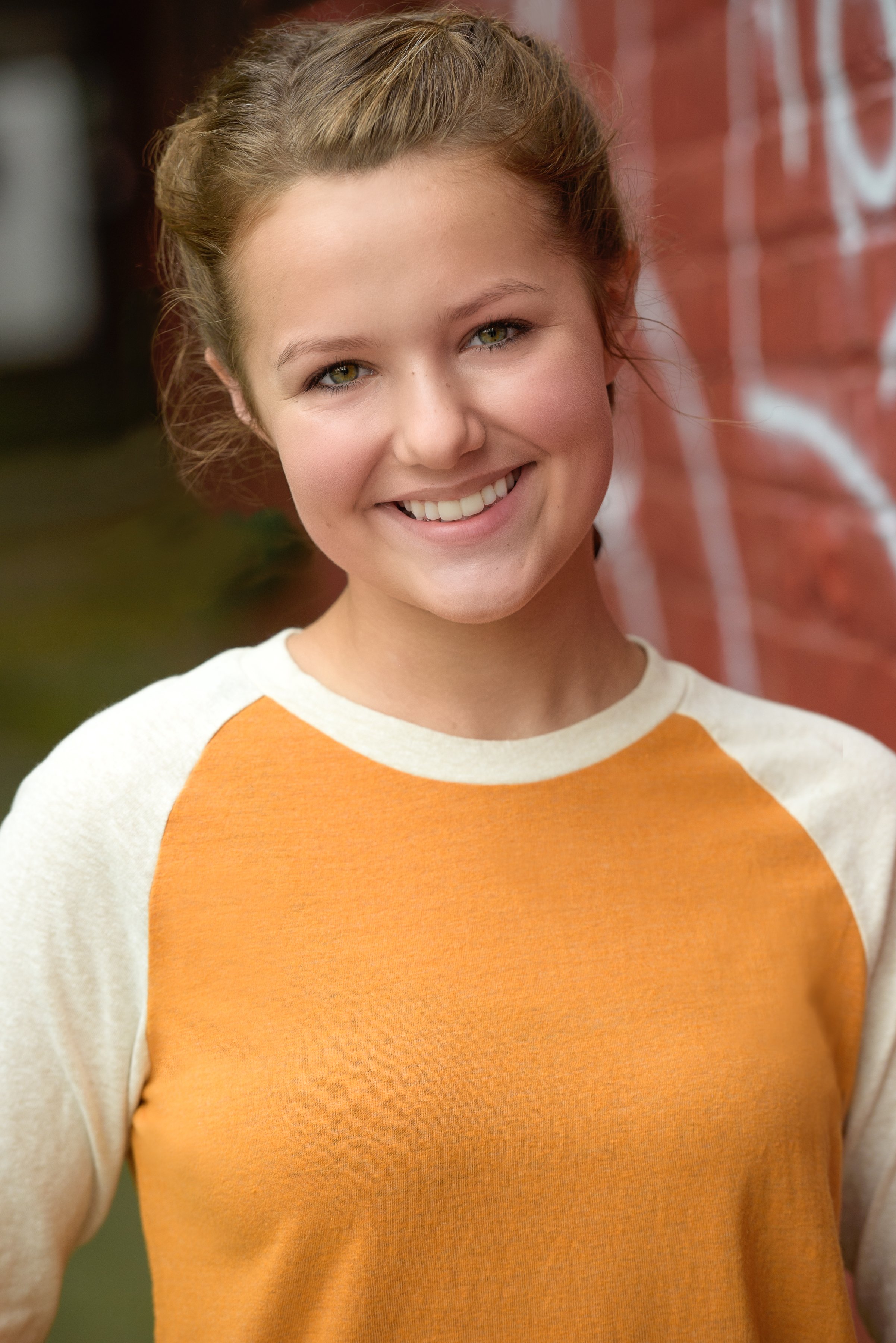
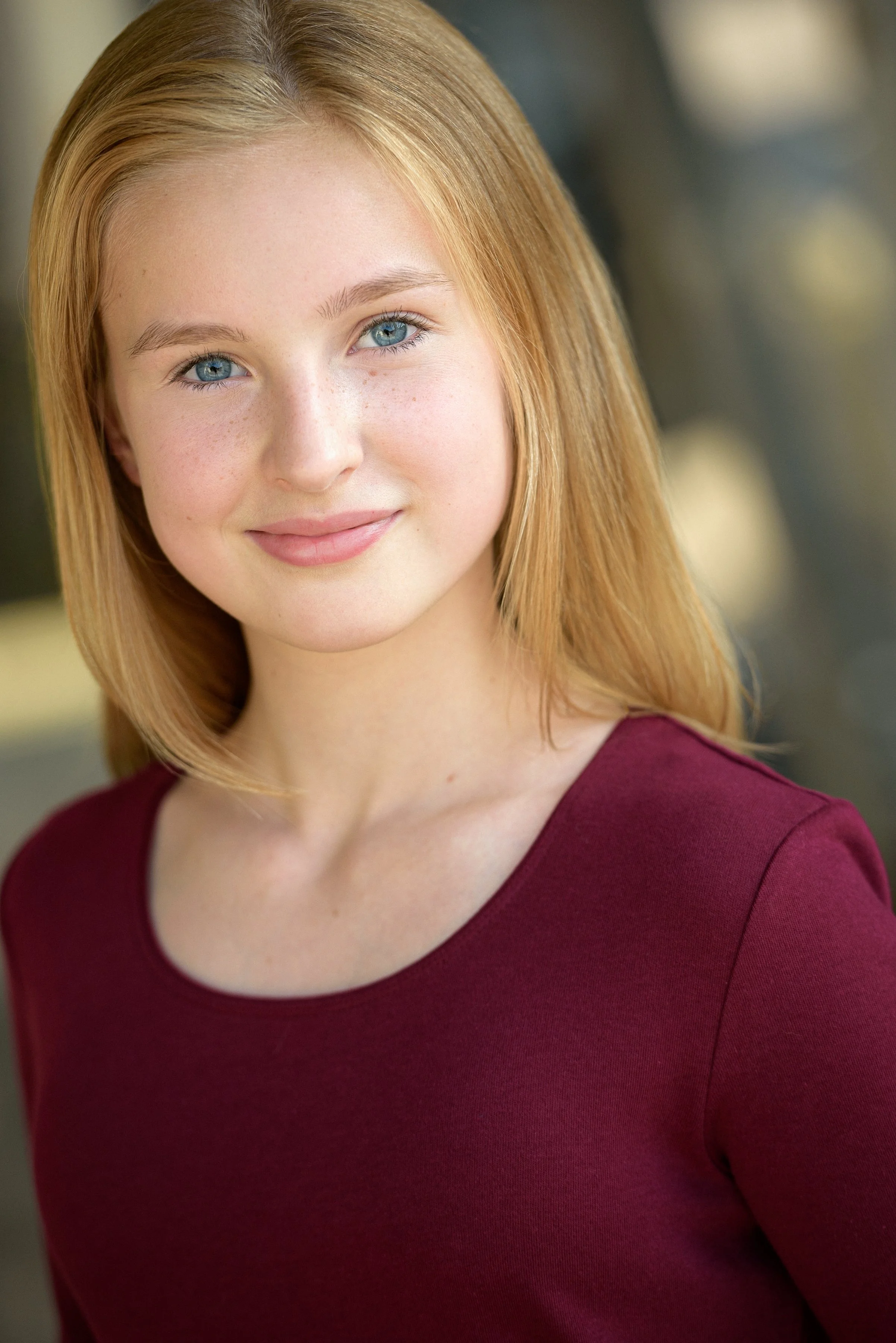
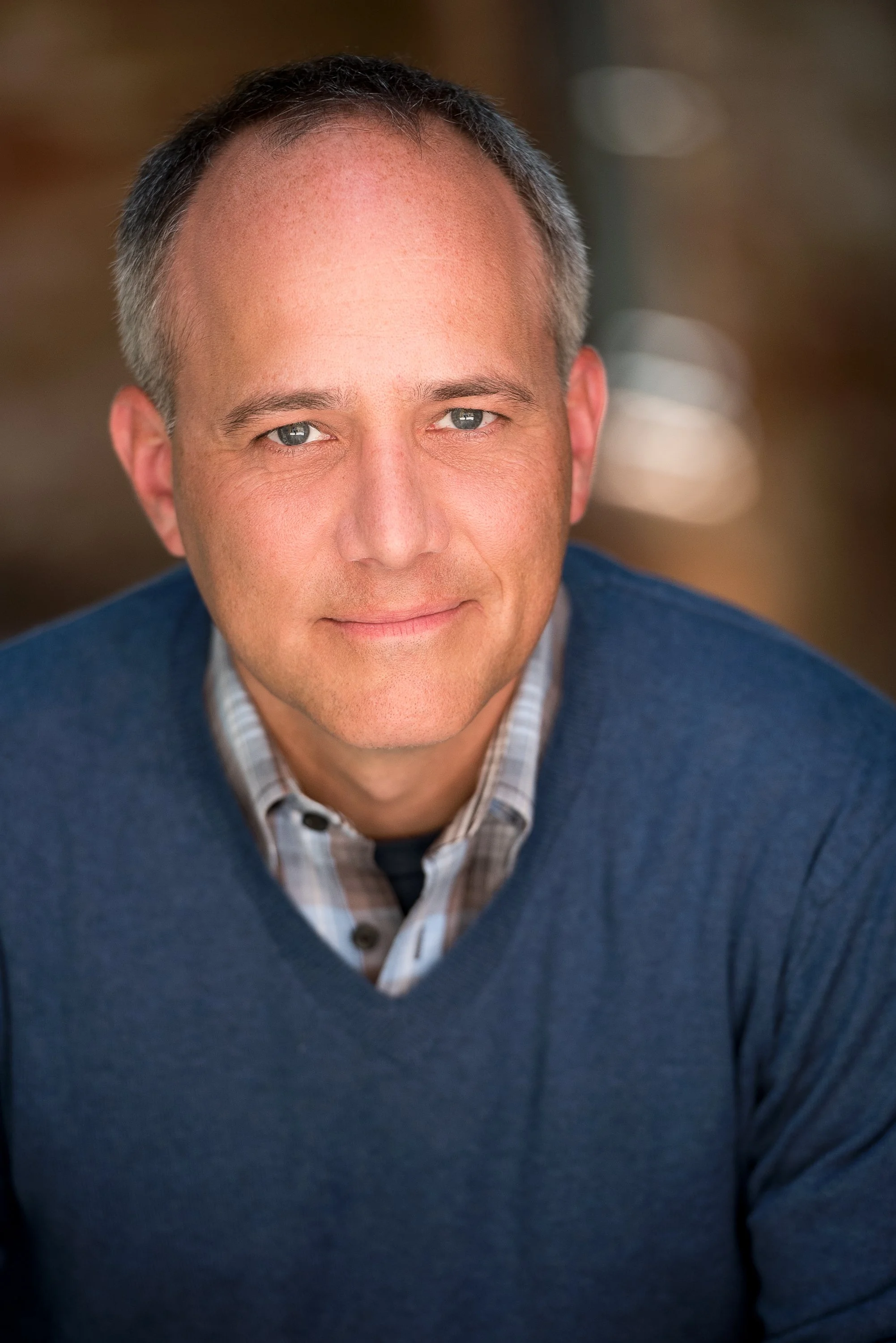
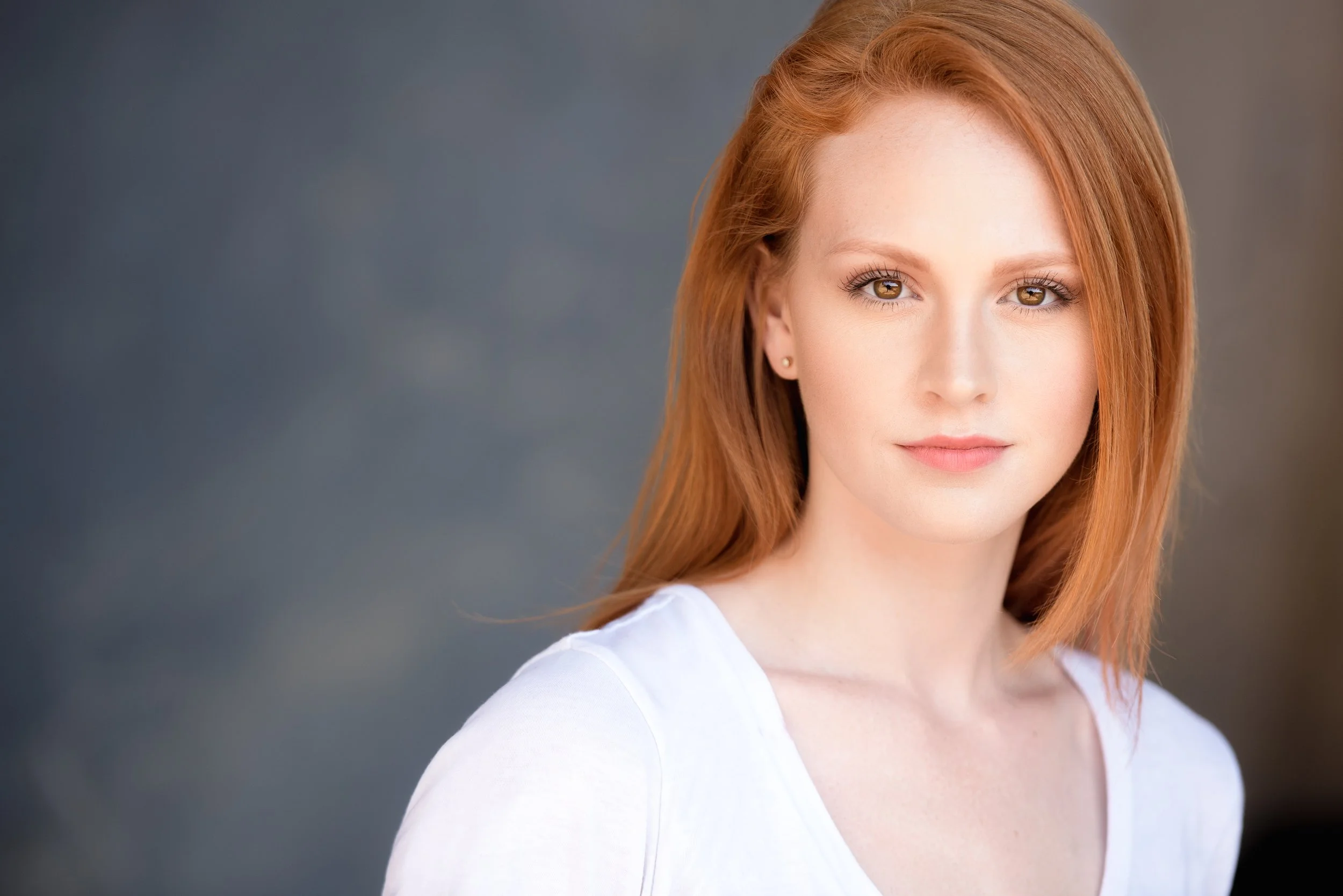
Headshots for Family, Commercial, and Academic Roles
There’s a wide stretch of casting that lives between high drama and high concept.
Family stories. Commercial work. Academic and professional roles.
These are the parts of the industry built on trust.
Casting here isn’t asking whether you’re dangerous, edgy, or intense. They’re asking something quieter and often more important:
Do I believe you?
Do I feel comfortable with you?
Would I listen to you?
Would I trust you in this world?
That’s the job your headshot is doing in this lane.
The Common Thread: Trust
Family drama, commercial work, and academic roles all draw from the same emotional toolkit.
These characters often include:
parents and caregivers
teachers and professors
students and athletes
doctors, therapists, and counselors
neighbors, coworkers, and managers
professionals who explain, guide, or support
What connects them isn’t authority in the crime-show sense. It’s credibility without intimidation. Warmth without performance. Competence without stiffness.
Your headshot doesn’t need to impress here. It needs to settle the room.
Familiar Beats Flashy
In this genre, polish can sometimes work against you.
Over-styled hair. Overly sharp wardrobe. Expressions that feel “on.” All of that can create distance. Casting may admire the photo but hesitate to click.
What works better is familiarity.
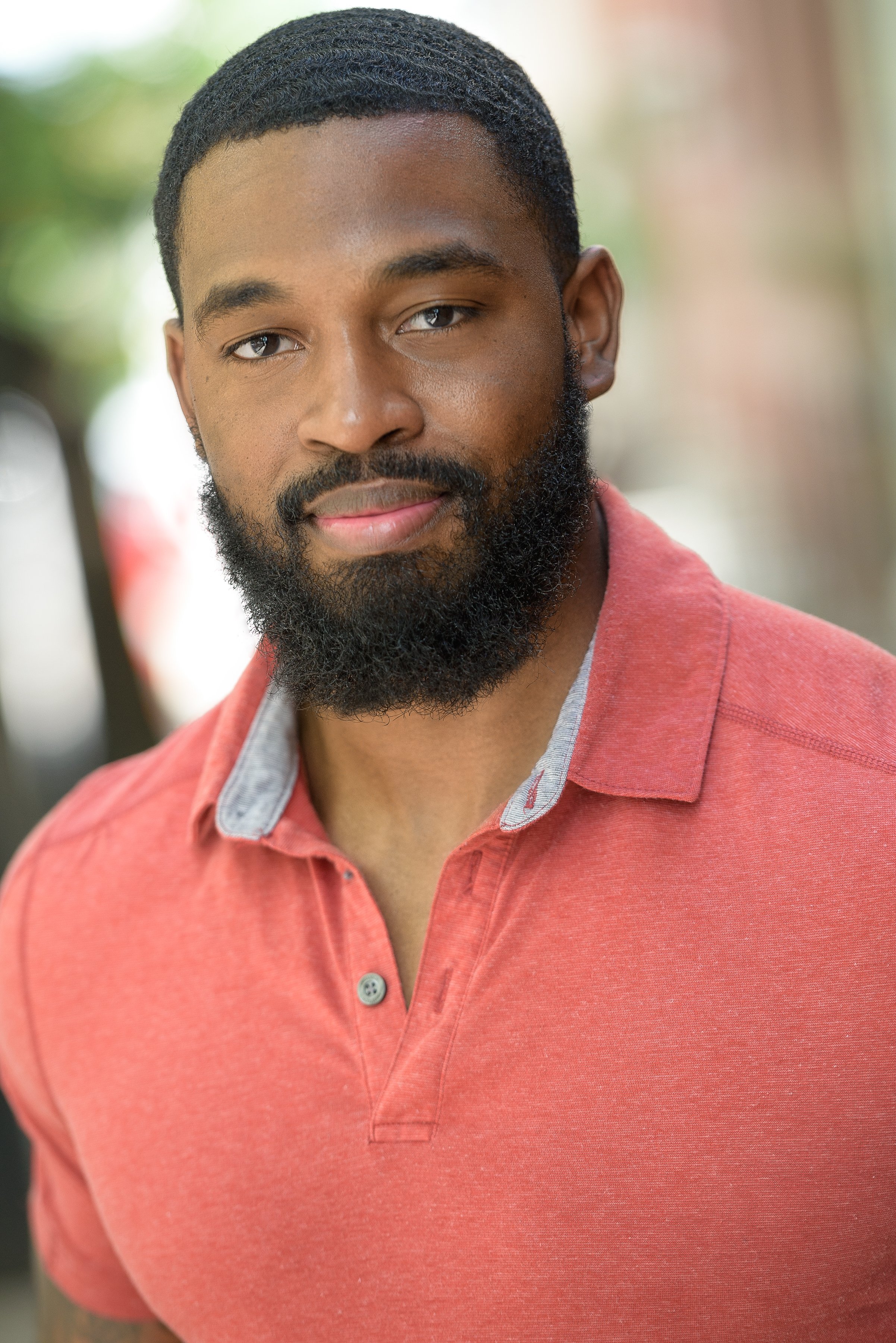
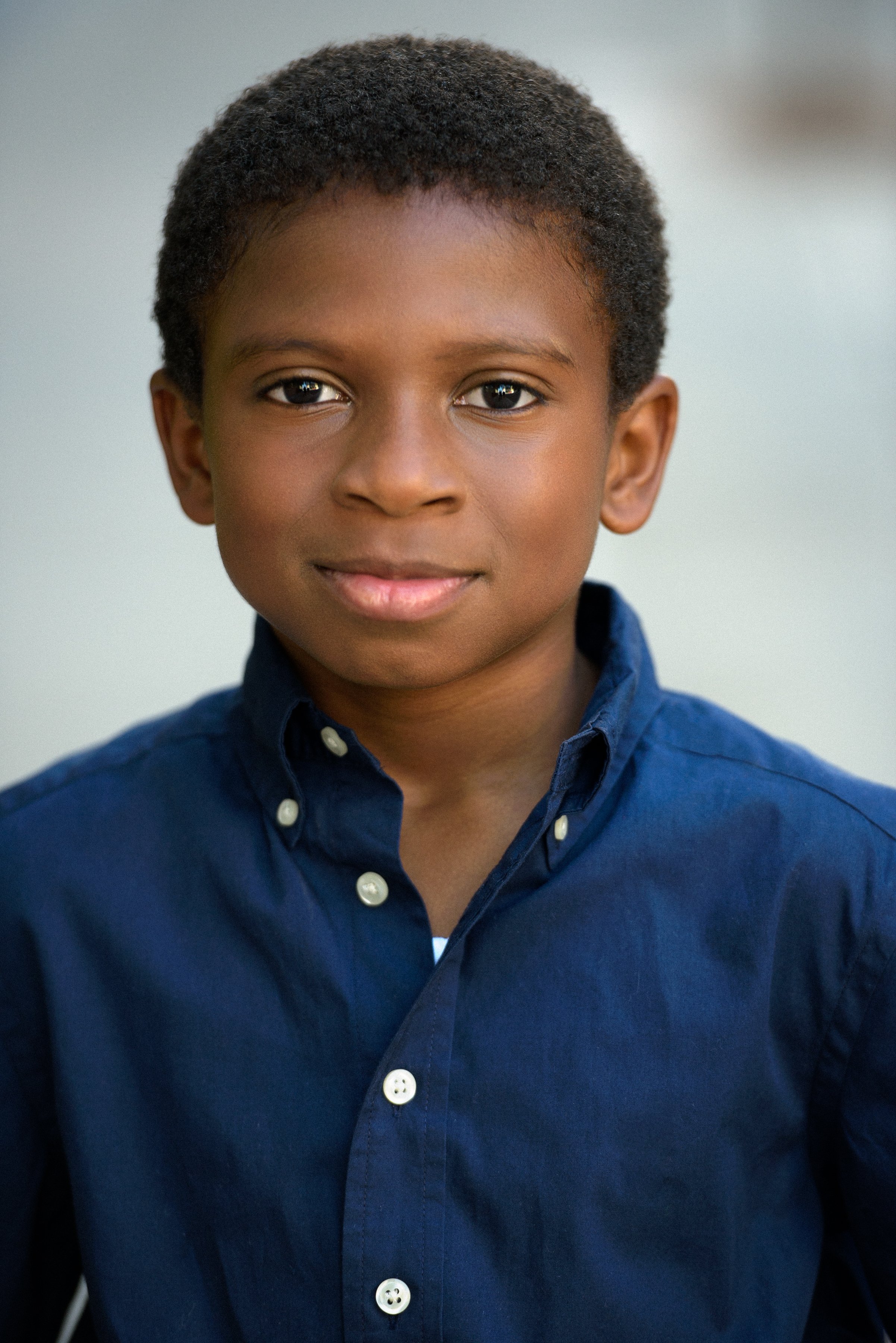
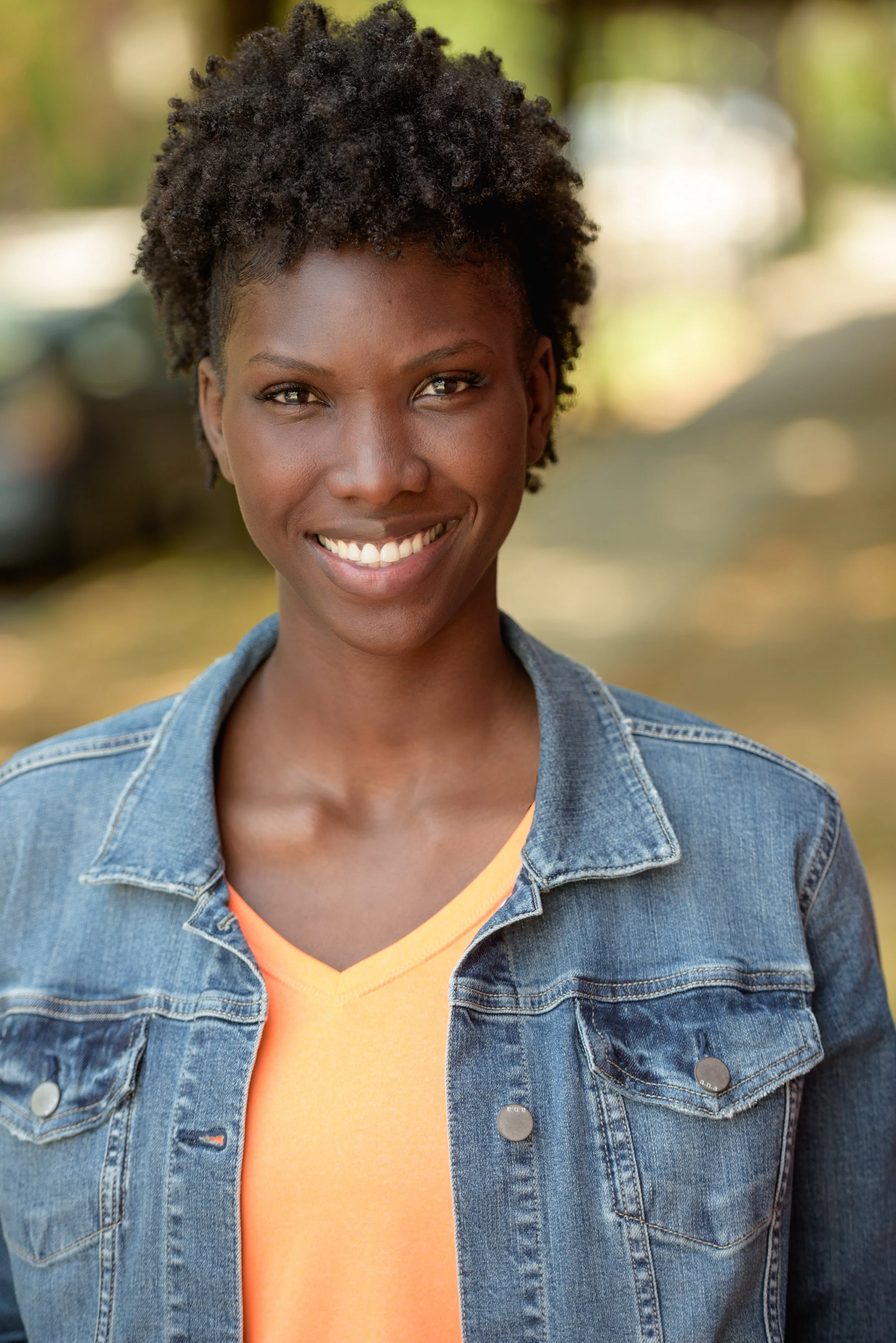
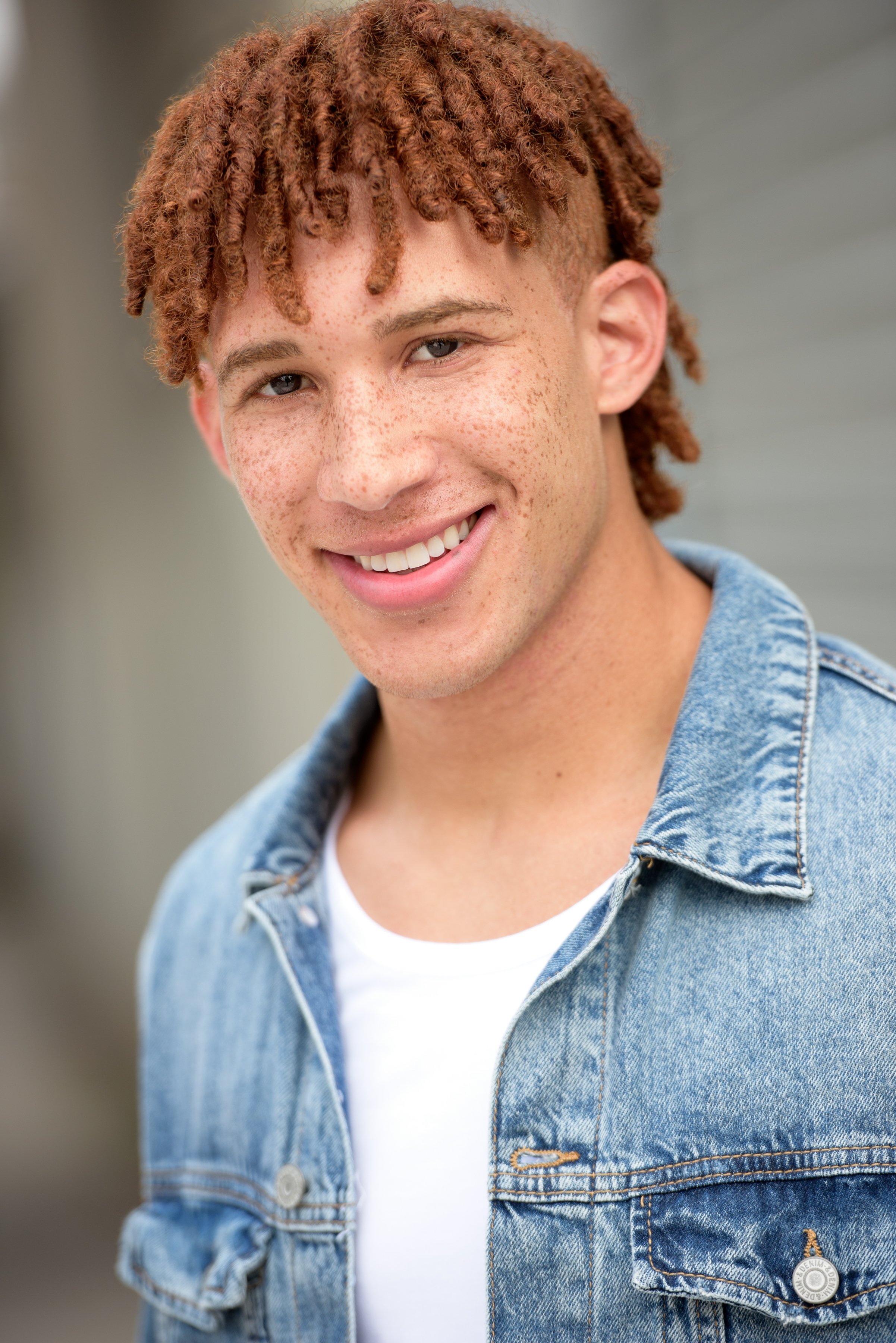
A strong headshot in this lane feels lived-in. Like you own the clothes. Like you’ve worn them before. Like you didn’t arrive to perform professionalism, you just are professional.
This isn’t about being neutral or boring. It’s about being believable.
Emotional Availability Over Performance
These roles are cast on emotional readability.
That doesn’t mean smiling in every frame. It means openness. Presence. A sense that someone could actually talk to you and get something back.
Softness here is not weakness. It’s confidence.
Casting isn’t looking for intensity in family or academic worlds. They’re looking for access. Someone they’d invite into a living room, a classroom, a hospital hallway, or a workplace without thinking twice.
If your headshot lowers friction, it’s doing its job.
Commercial, Family, and Academia Live Together Now
The lines between these categories have blurred for a reason.
Many commercials today function like short films. They’re about moments, relationships, and emotional truth more than punchlines or product-forward energy. That same sensibility carries into family dramas and grounded comedies.
What casting responds to across all three is connection.
A headshot that feels human, specific, and present can live comfortably in all of these spaces without needing separate “commercial” and “theatrical” versions.
Wardrobe That Supports, Not Distracts
This is where actors often overthink.
You’re not dressing as a teacher, parent, or professional. You’re dressing as someone who could be one.
That means:
simple layers
familiar textures
clothes that fit your body comfortably
colors that support your skin tone without shouting
What tends to hurt:
stiff business attire with no personality
outfits chosen to feel “safe” but say nothing
trendy pieces that date quickly
clothing that looks brand new or costume-y
The goal is clarity, not cleverness.
Academic Roles Deserve More Attention
Academic and professional roles are everywhere, especially on television and in streaming projects.
Professors, researchers, analysts, therapists, administrators. These roles are cast quickly and often off headshots that communicate intelligence, calm authority, and emotional containment.
Your headshot doesn’t need to look severe to read as smart. It needs to feel thoughtful. Present. Composed. Human.
This is another place where subtlety does real work.
Strategy Matters More Than Style
For many actors, this lane becomes the foundation of their career.
When casting knows you as someone reliable, believable, and emotionally present, something important happens. They begin to recognize you. Not just the headshot, but you.
That recognition builds trust. And once trust is established, casting becomes far more willing to explore you in other kinds of roles.
Getting known for doing what you do well and easily isn’t limiting. It’s how careers get built.
How I Approach This in Sessions
Before we ever shoot, we talk.
We look at what you’re being called in for, where you’re submitting, and where things feel unclear. The goal is to arrive with intention, not guesswork.
During the session, I don’t rush. We take time. We look at what we’re capturing. We adjust as we go. That feedback loop matters, especially in genres where small shifts in expression can change everything.
By the end, the goal isn’t volume. It’s a small set of authentic, usable images that clearly communicate who you are and where you belong right now.
If you’re curious how this thinking translates into actual sessions, you can explore more on the Actors page.