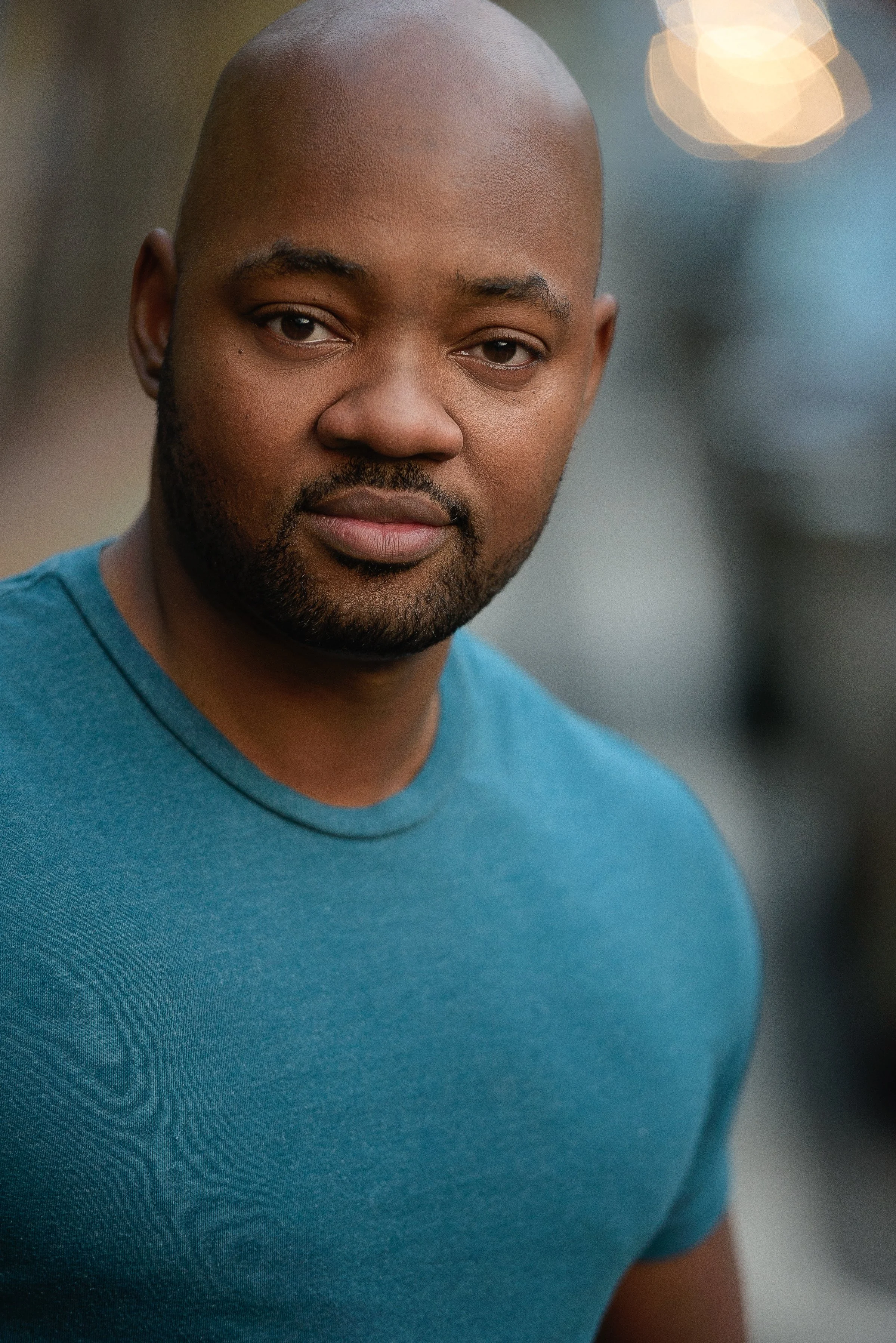
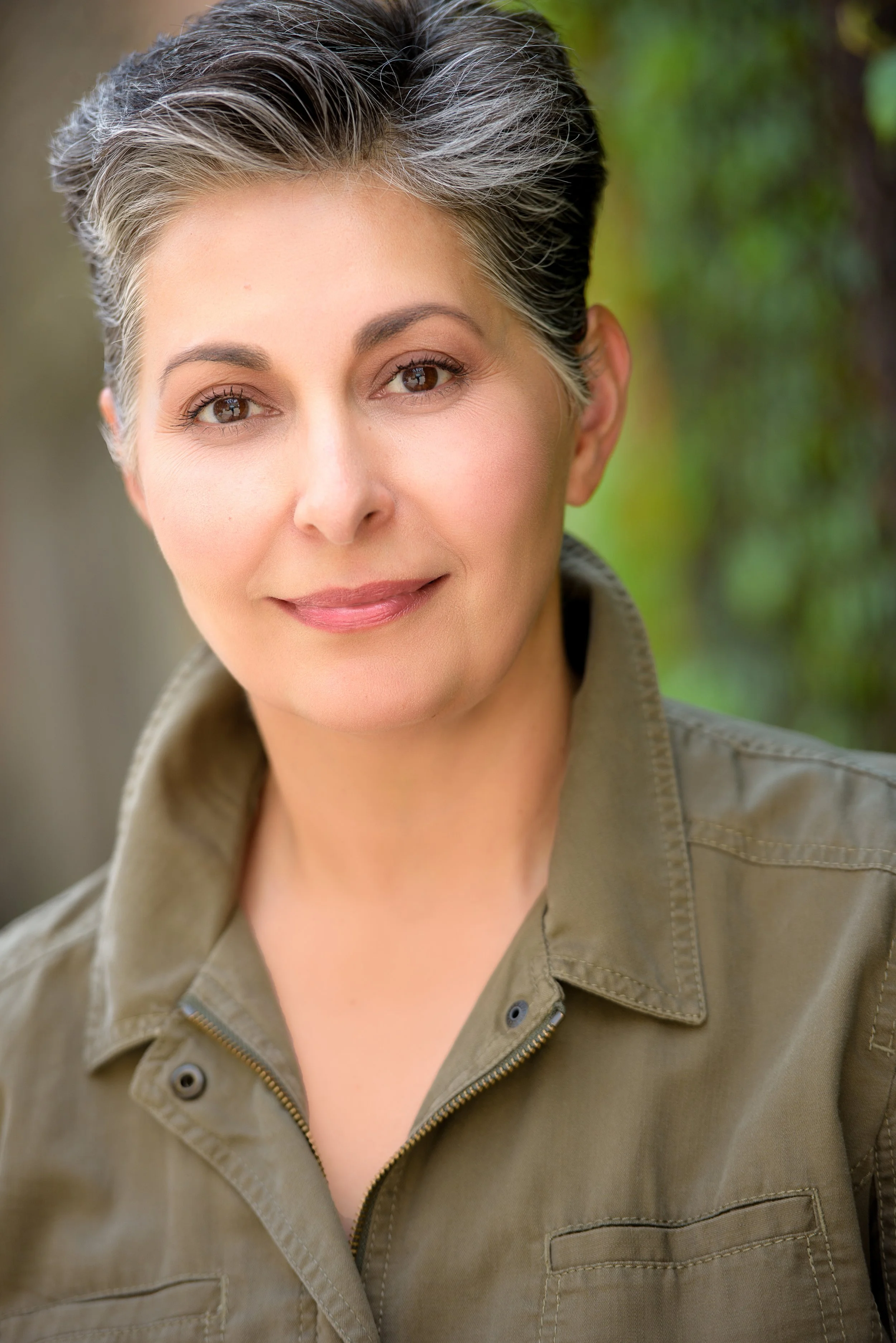
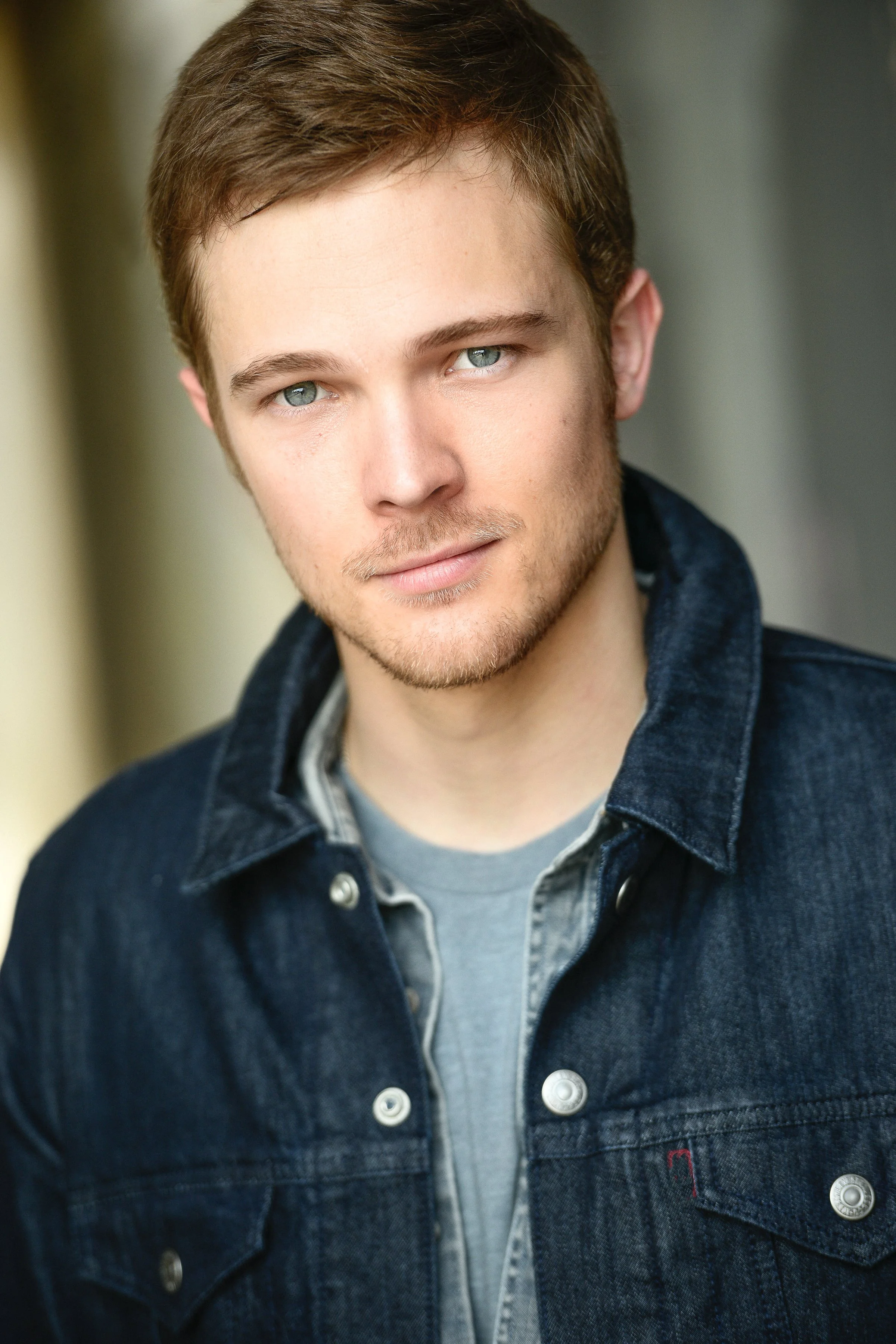
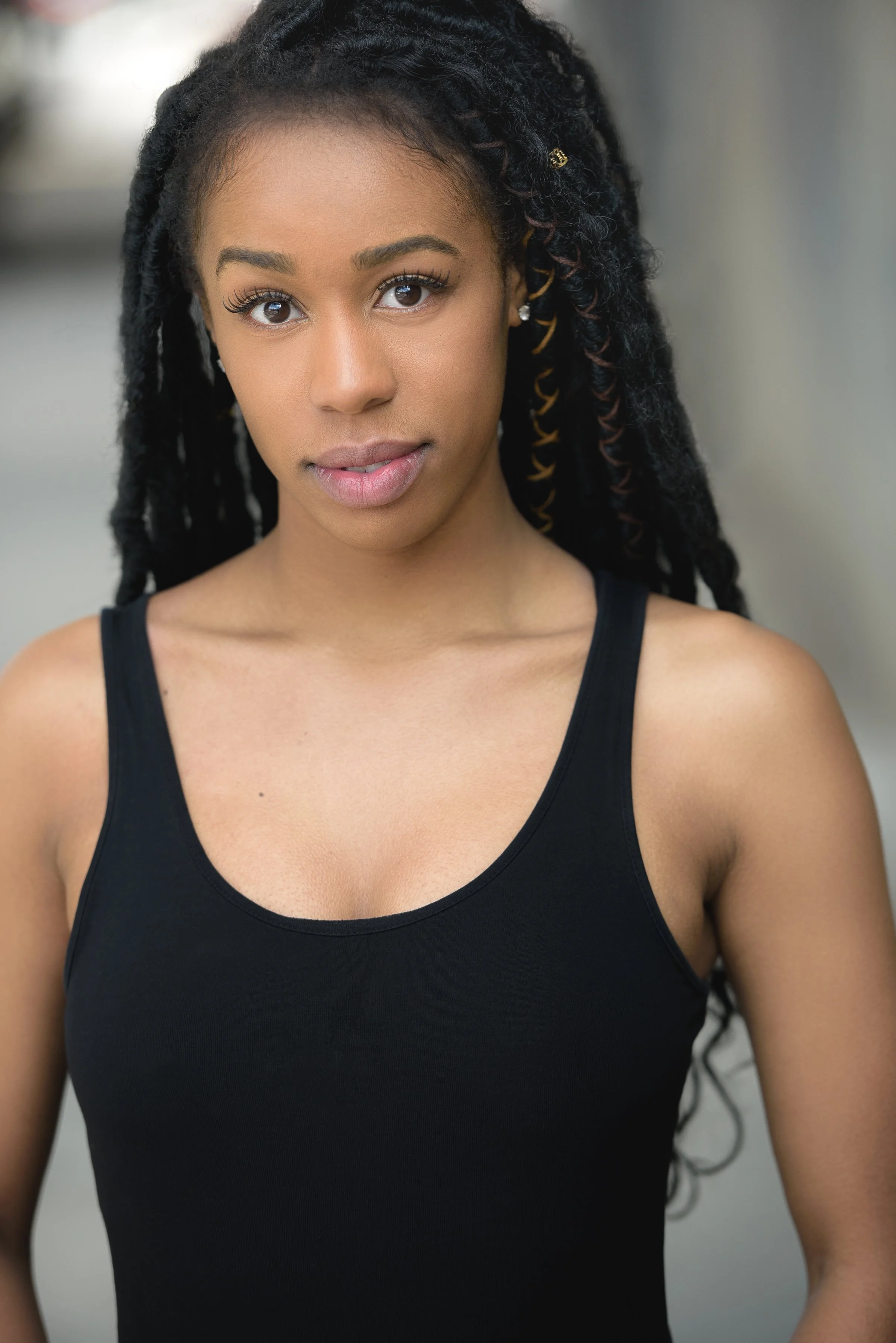
Sci-Fi & Post-Apocalyptic Headshots: How Actors Get Called In For Survival Worlds
Sci-fi and post-apocalyptic shows don’t cast for spectacle.
They cast for survival.
Even in the most heightened worlds, casting is still asking a very human question:
Do I believe this person would make it here?
That question shapes everything. And it’s why so many actors miss the mark with sci-fi and post-apocalyptic headshots.
This post is about how to position yourself clearly for these genres without costumes, gimmicks, or trying to look “cool.”
Why Sci-Fi and Post-Apocalyptic Casting Is Often Misunderstood
When actors hear “sci-fi” or “post-apocalyptic,” they often jump straight to tone.
They think they need to look:
edgy
intense
gritty
hardened
damaged
But most casting in these worlds isn’t about edge.
It’s about adaptability.
Look at shows like Silo, Fallout, or The Last of Us.
The characters who anchor those stories aren’t the most extreme ones. They’re the ones we believe can adjust when everything changes.
The more heightened the world, the more grounded the actor needs to feel.
Current Sci-Fi & Post-Apocalyptic Worlds Casting Actors Right Now
These genres aren’t theoretical. They’re very much part of the current landscape.
Sci-Fi / Heightened Worlds (Structured Systems)
Silo
Severance
Foundation
Stranger Things
These worlds still have order, systems, and hierarchy, even when something is deeply wrong.
Post-Apocalyptic / Survival Worlds
Fallout
The Last of Us
Earth Abides
The Walking Dead (and its current spinoffs - there will always be a Walking Dead.
Different aesthetics. Same casting logic.
What Casting Is Actually Looking For
These genres are pressure cookers. Characters are tested constantly.
Casting is looking for:
emotional availability
resilience
problem-solving energy
responsiveness, not posing
someone who feels present in their body
The question isn’t:
“Does this person look tough?”
It’s:
“Do I believe this person can adapt when things change?”
Your headshot should suggest readiness, not exhaustion.
The Roles That Actually Book
Most roles in these genres are more ordinary than actors expect.
survivors and civilians
medical staff, scientists, engineers
parents protecting children
reluctant leaders
people with useful skills or knowledge
Very few roles require you to look feral.
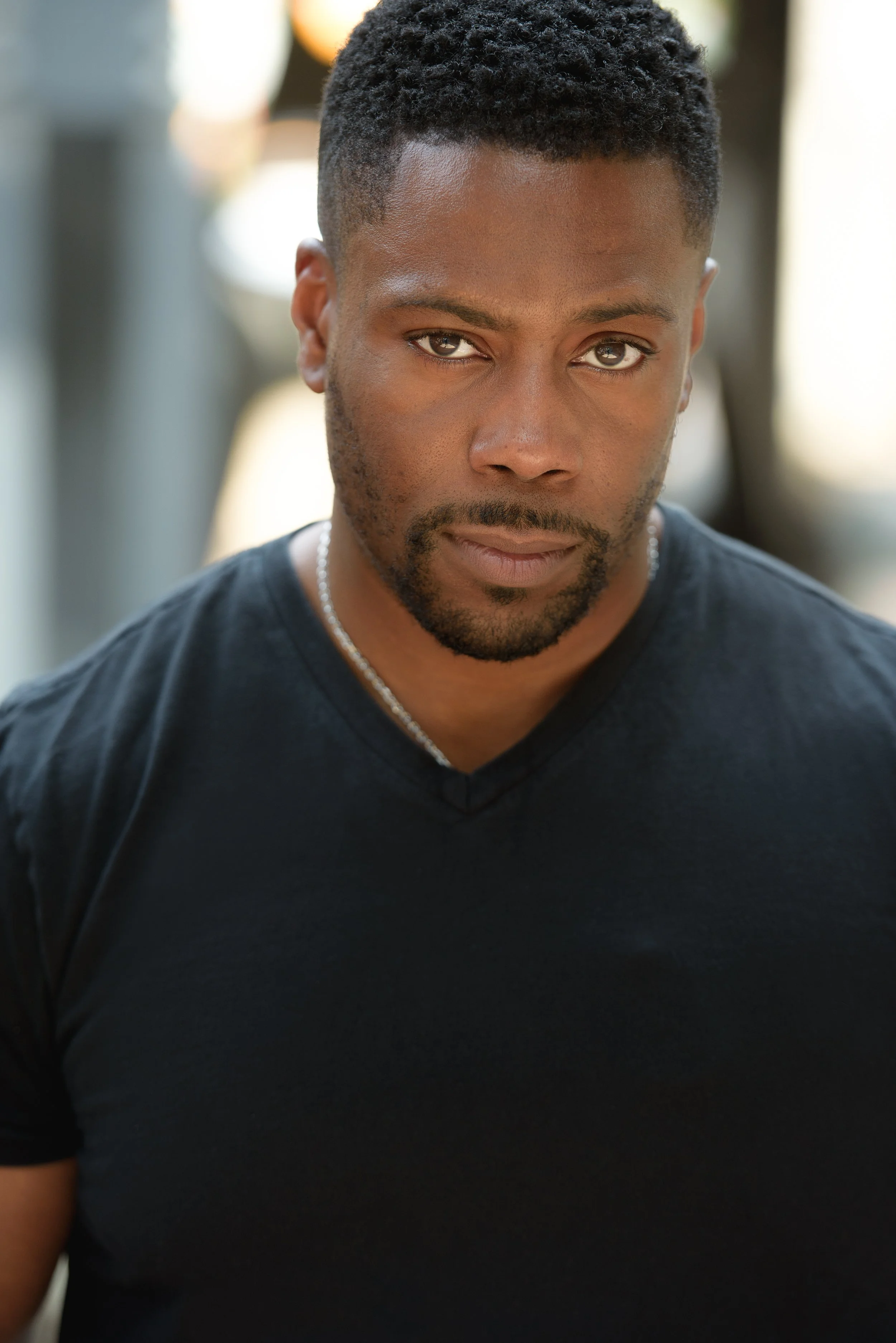
Most require you to look human.
What Your Sci-Fi / Post-Apocalyptic Headshots Are Solving
These headshots answer one core question:
Can I imagine this person inside an unfamiliar world and still feel grounded?
They should communicate:
clarity
presence
adaptability
emotional openness
Not intensity.
Not damage.
Not performance.
Casting needs to believe you before anything bad happens to you.
Styling for Sci-Fi vs. Post-Apocalyptic (They’re Not the Same)
These genres often get lumped together, but the styling logic is different. Understanding that difference helps your headshots feel intentional instead of generic.
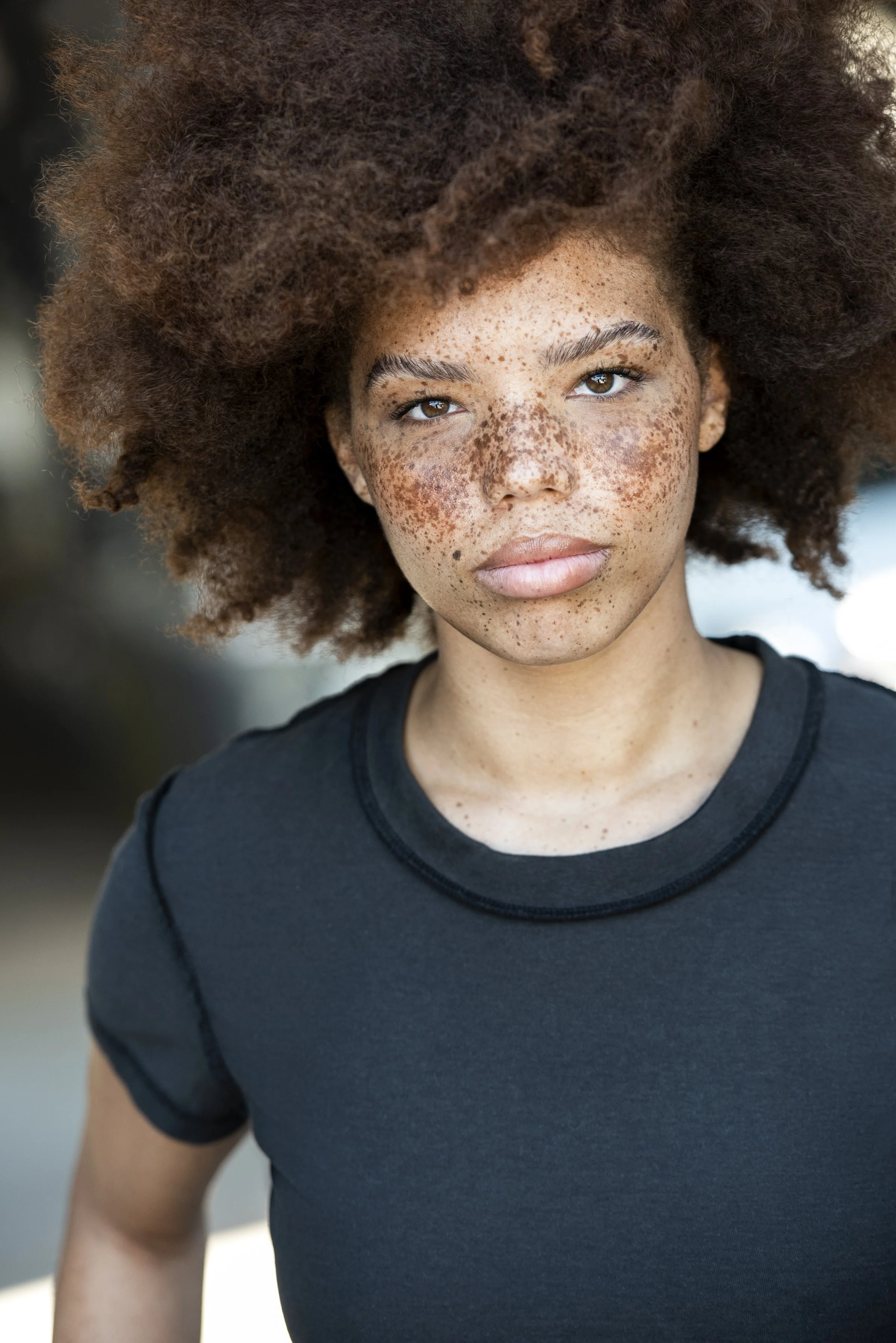
Sci-Fi Styling: Clean, Functional, Controlled
Sci-fi worlds tend to be built around systems. Even when they’re flawed, there’s still structure.
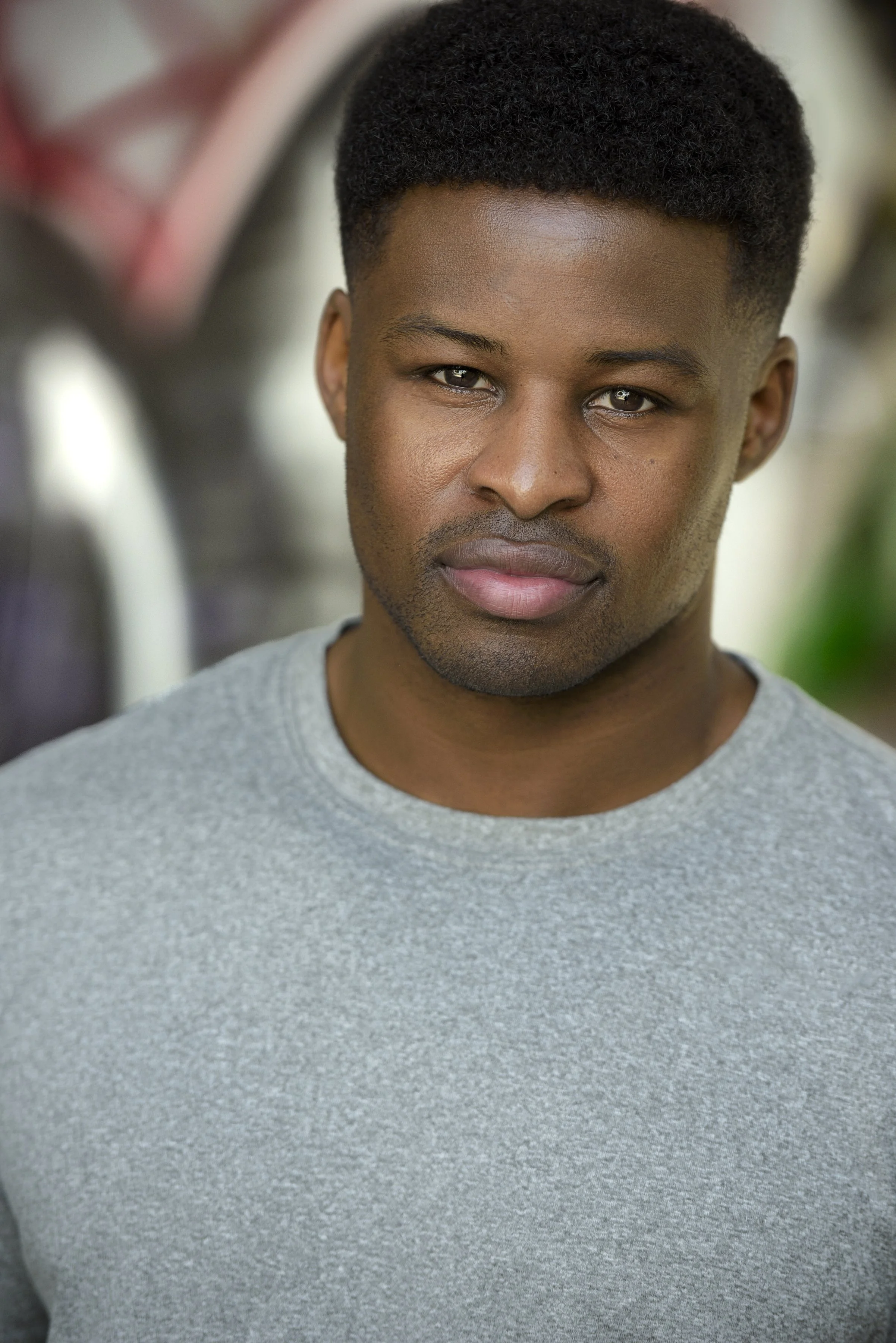
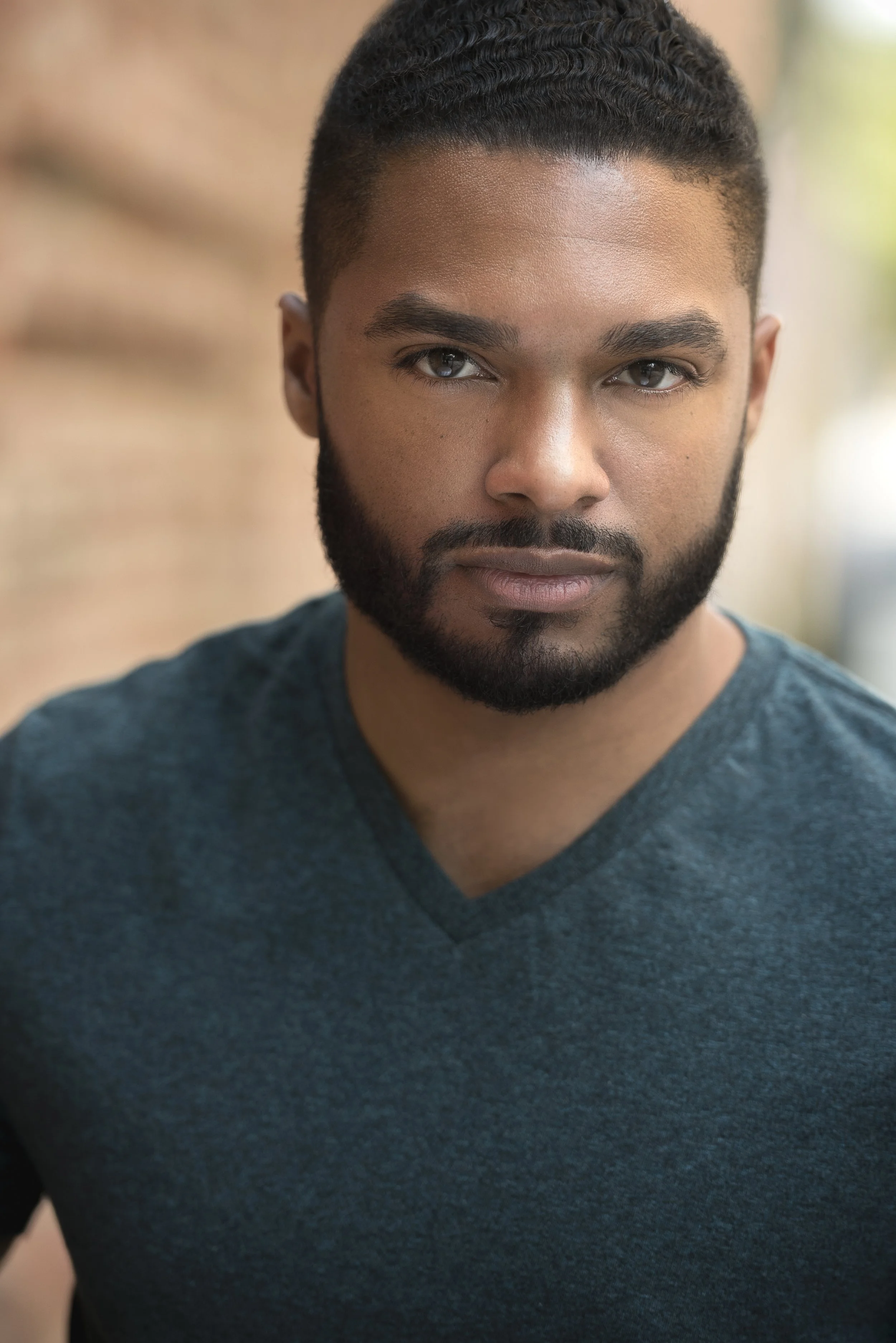
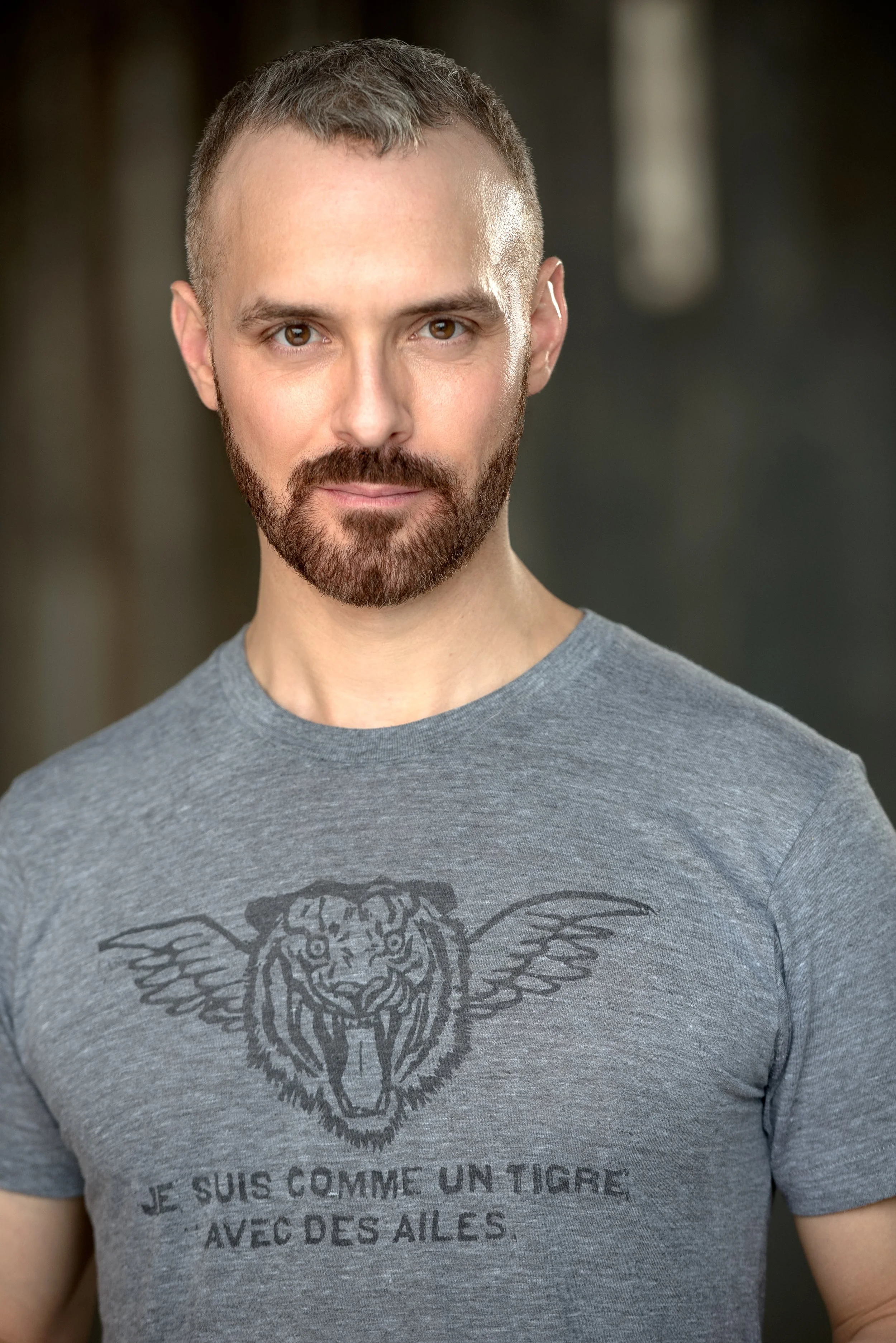
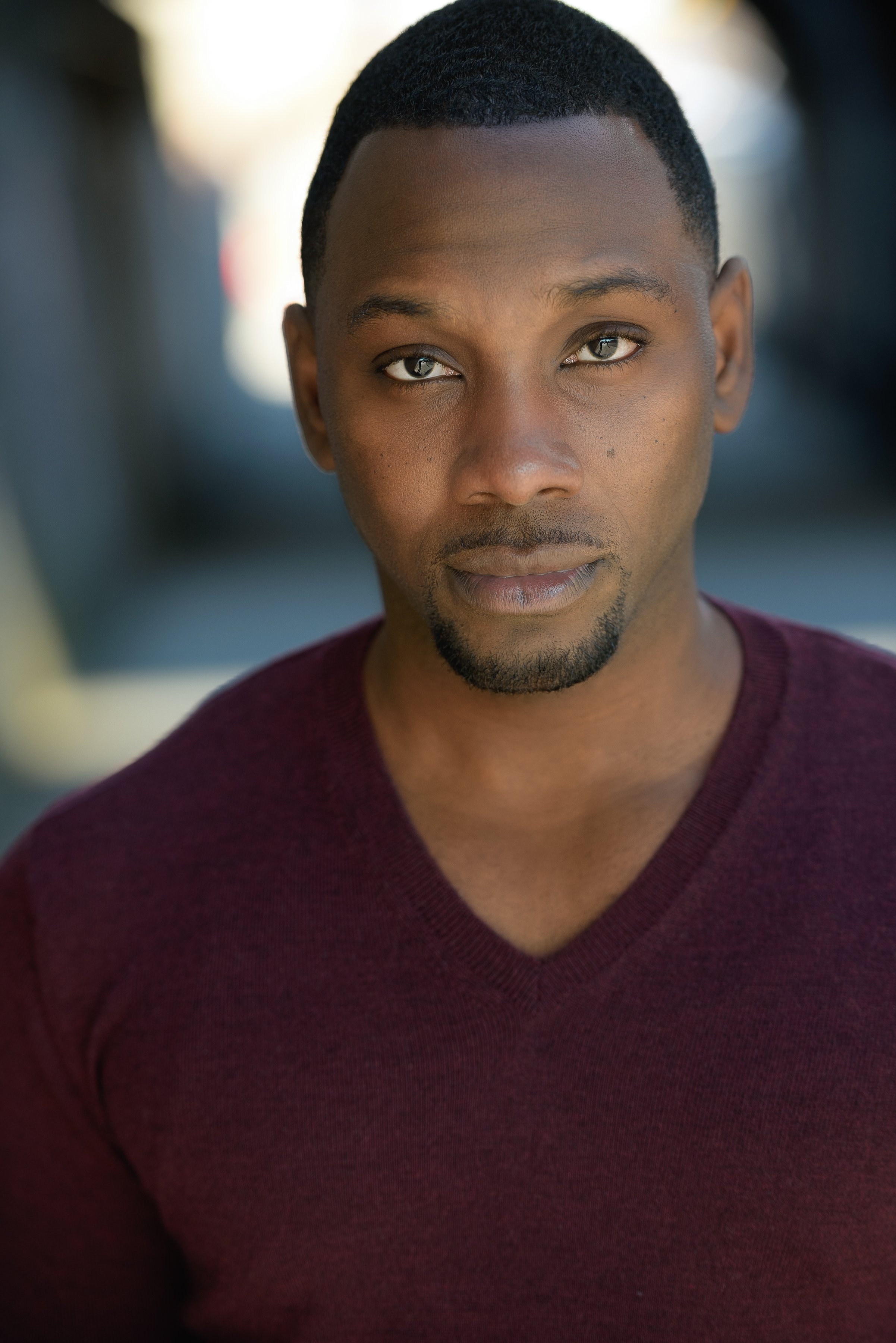
Sci-fi headshots often favor:
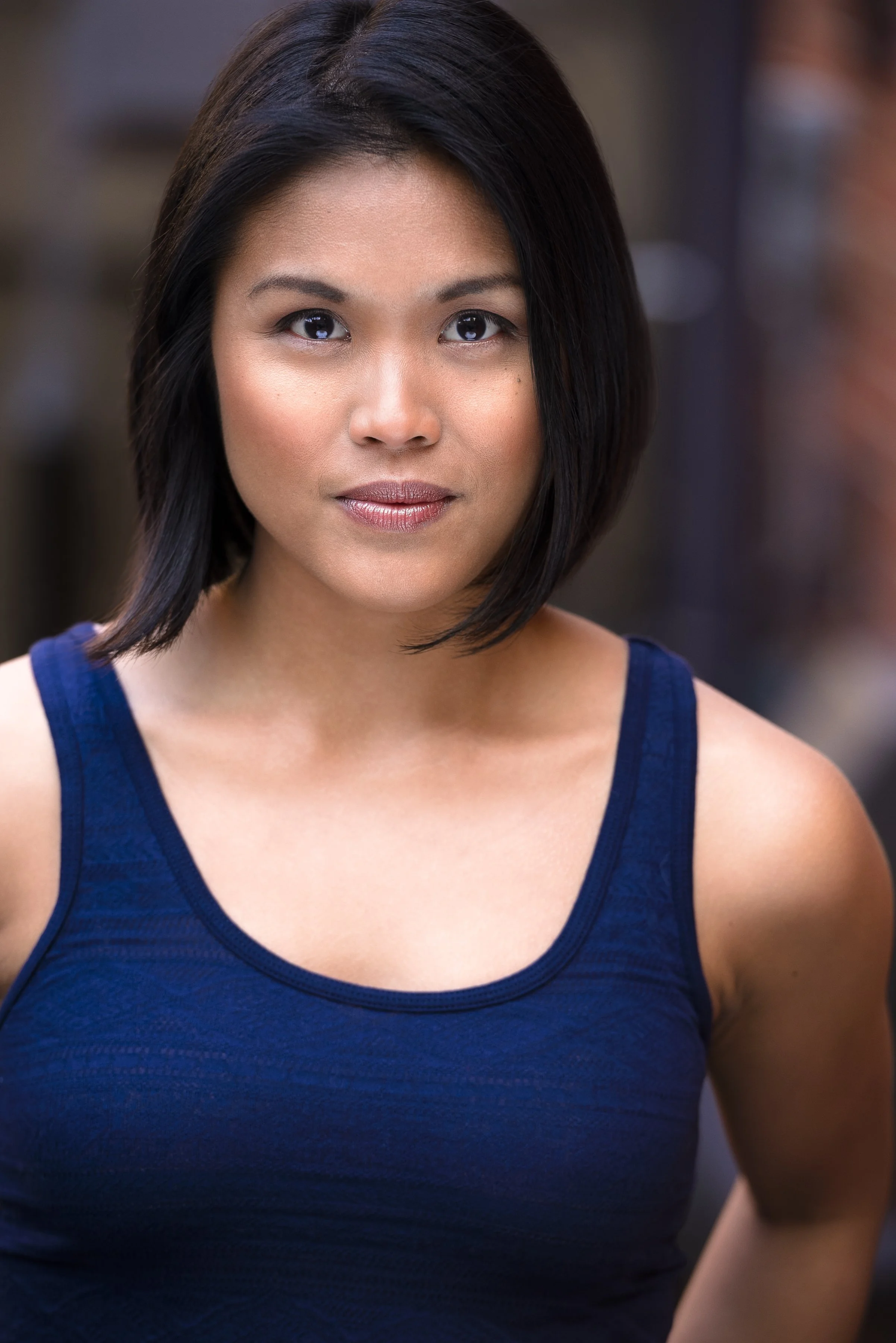
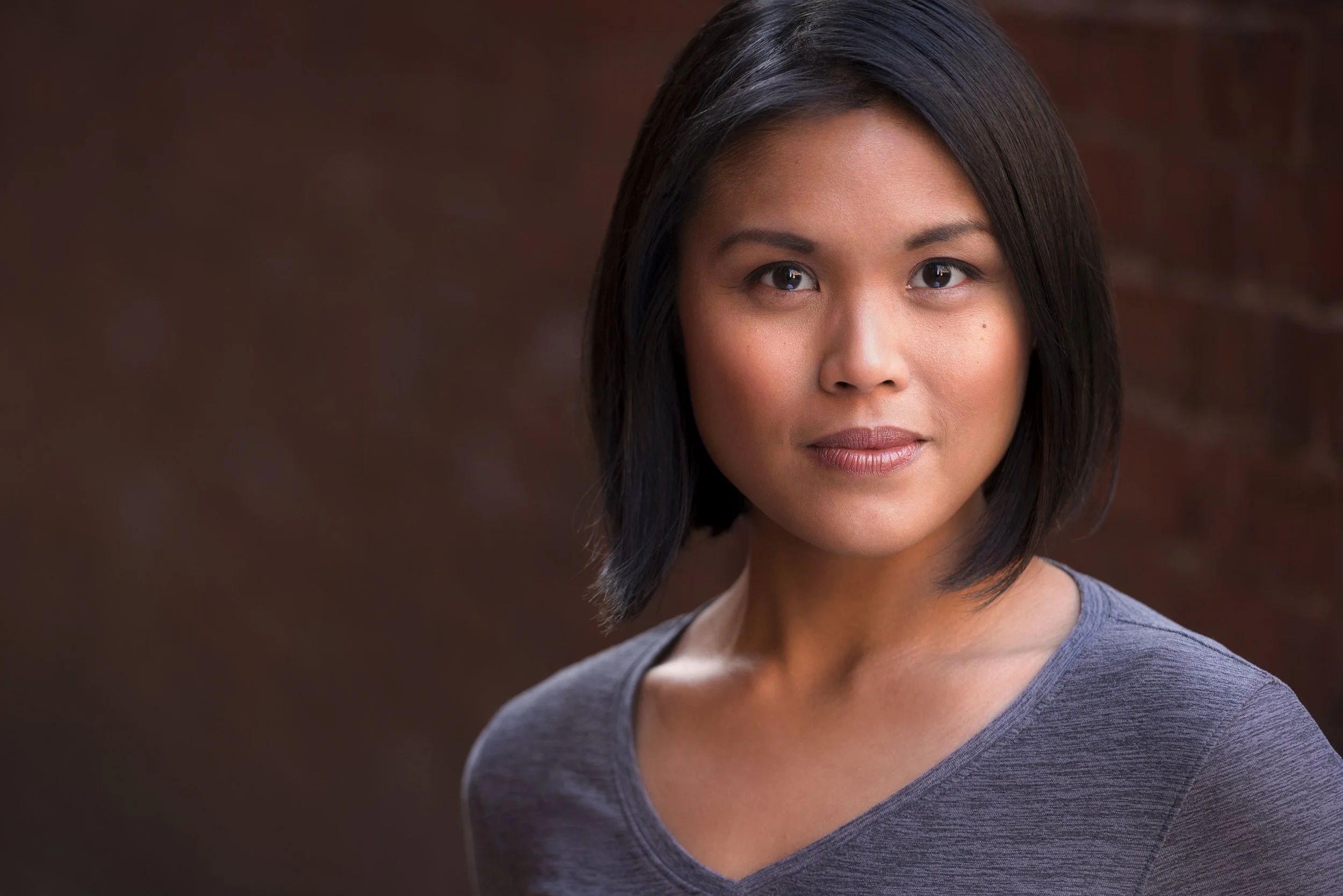
cleaner cuts
simpler lines
slightly more structure
Fabrics
knits, cottons, soft wovens
Colors
cool neutrals
grays, blues, charcoal
restrained contrast
metal tones
Overall Read
Someone capable. Someone useful. Someone who belongs inside a functioning system.
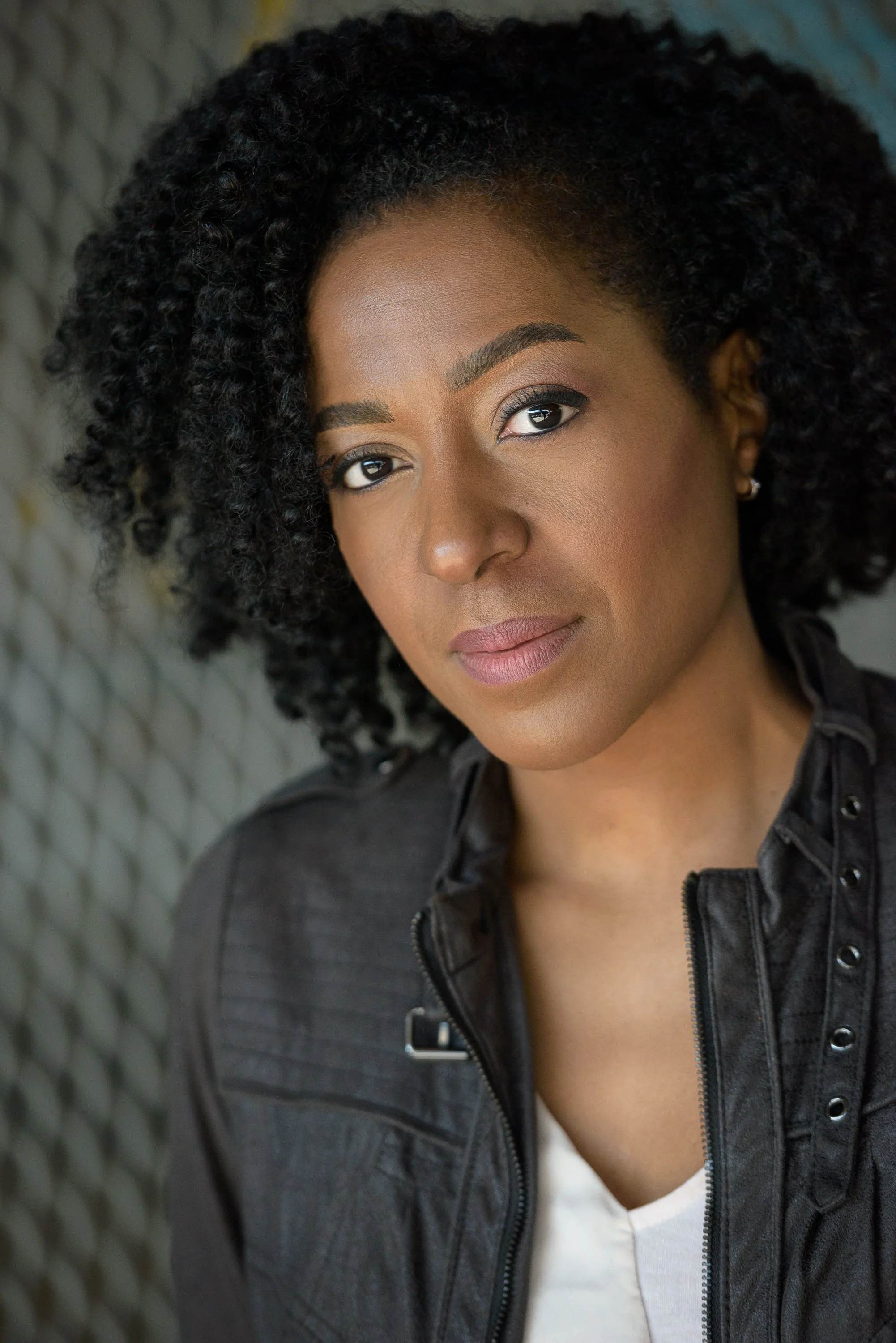
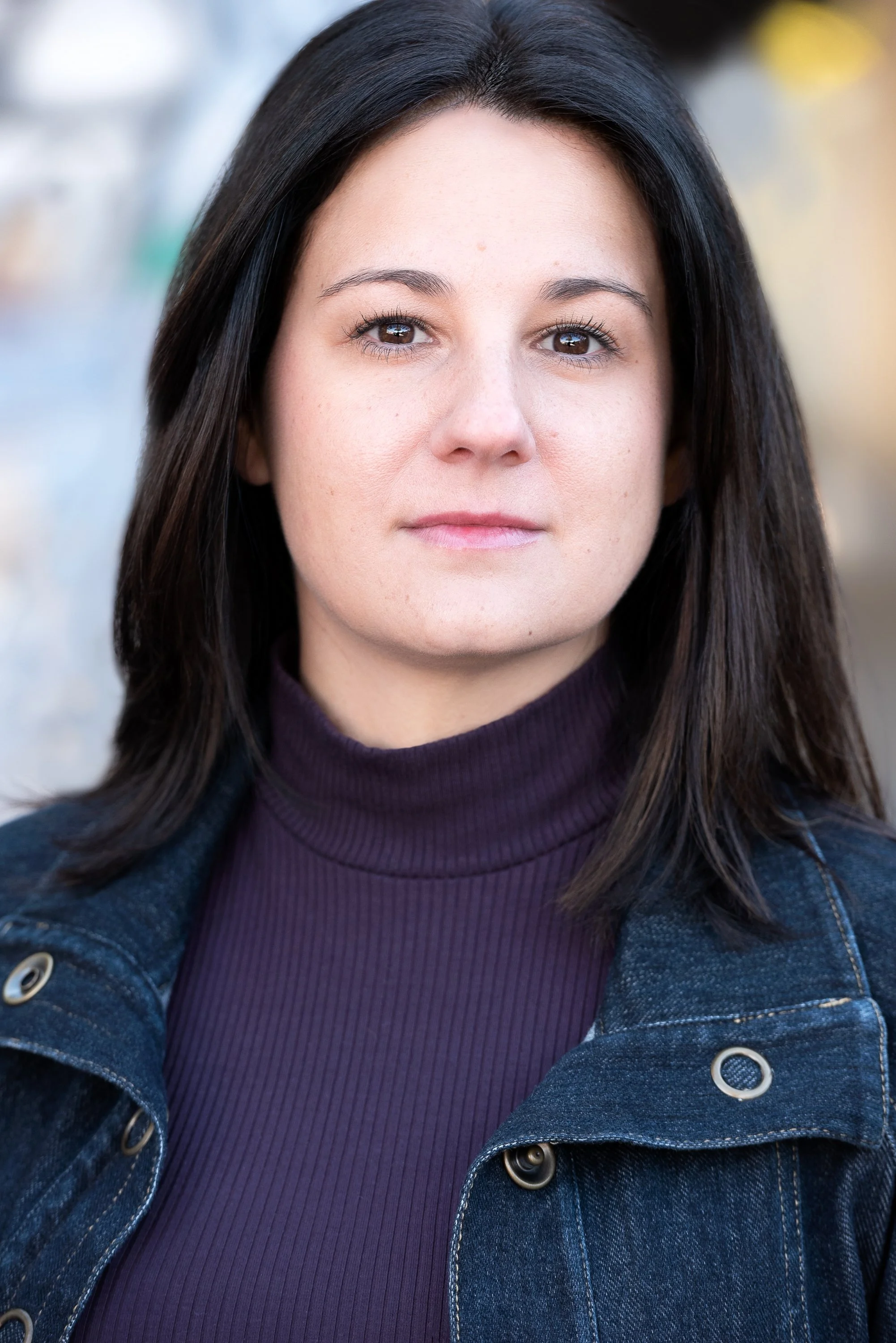
Post-Apocalyptic Styling: Layered, Worn, Resourceful
Post-apocalyptic worlds are about survival after collapse. Systems are broken. Resources are limited.
Post-apocalyptic headshots lean toward:
looser cuts
layering
softer structure
Fabrics
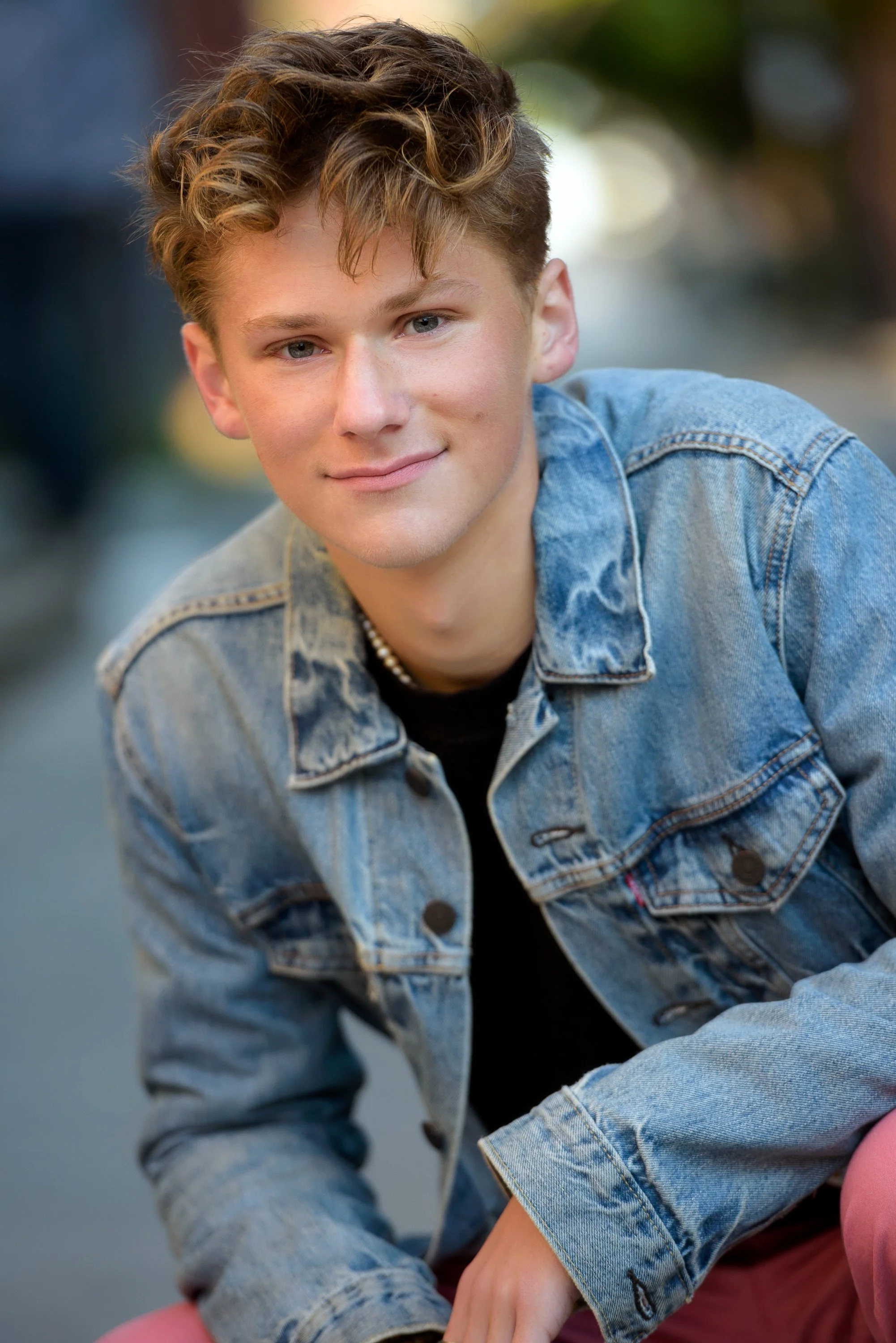
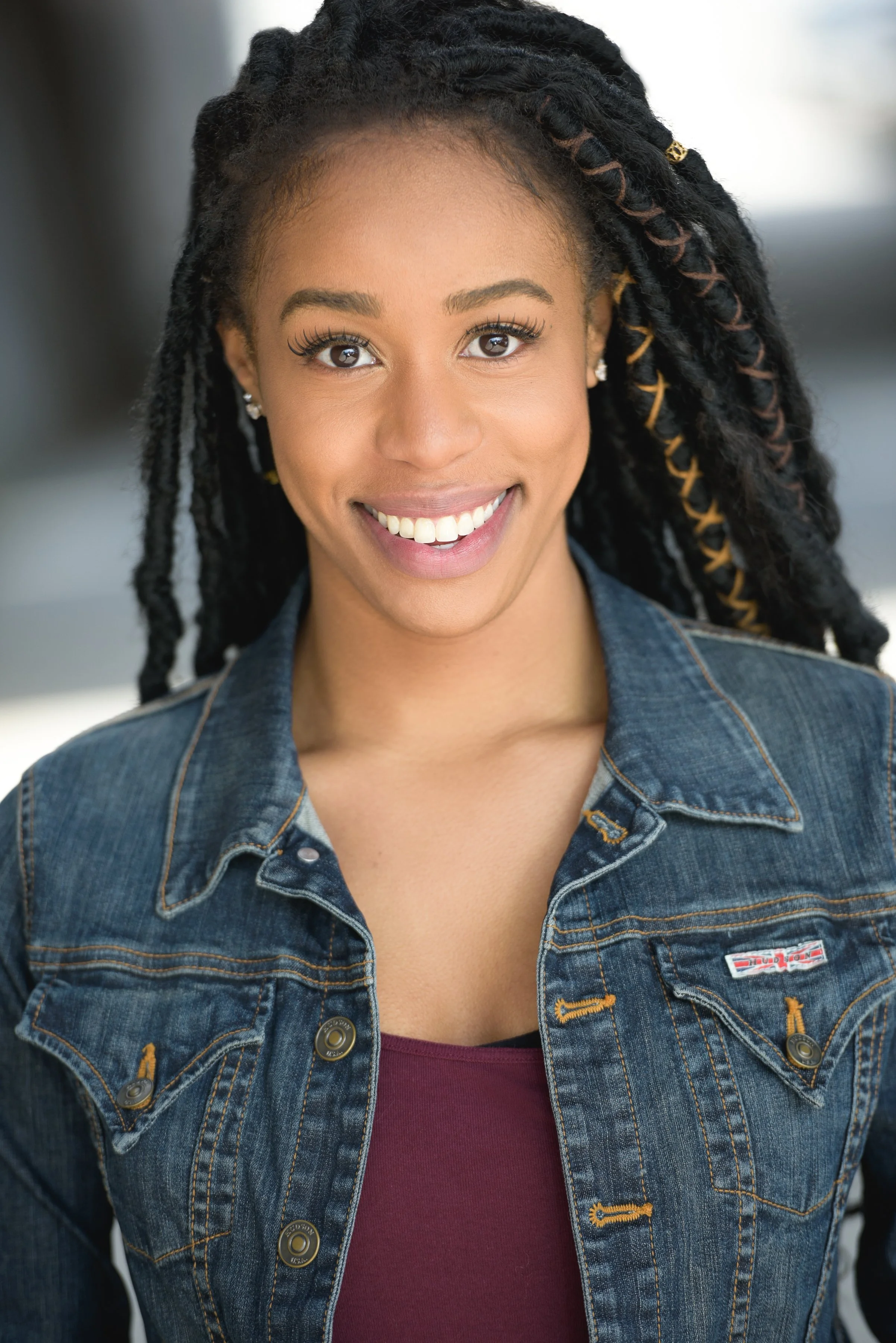
denim, canvas, heavier cottons
Colors
earth tones
muted greens, browns, rusts, tans
Overall Read
Someone resourceful. Someone adaptable. Someone who’s learned how to keep going.
A Note on Overlap (This Is Useful)
One thing actors often overlook:
Blue collar looks often translate extremely well into post-apocalyptic casting.
Comfort with physical work, practical wardrobe, lived-in energy. These qualities read as blue collar and as resourceful in survival worlds.
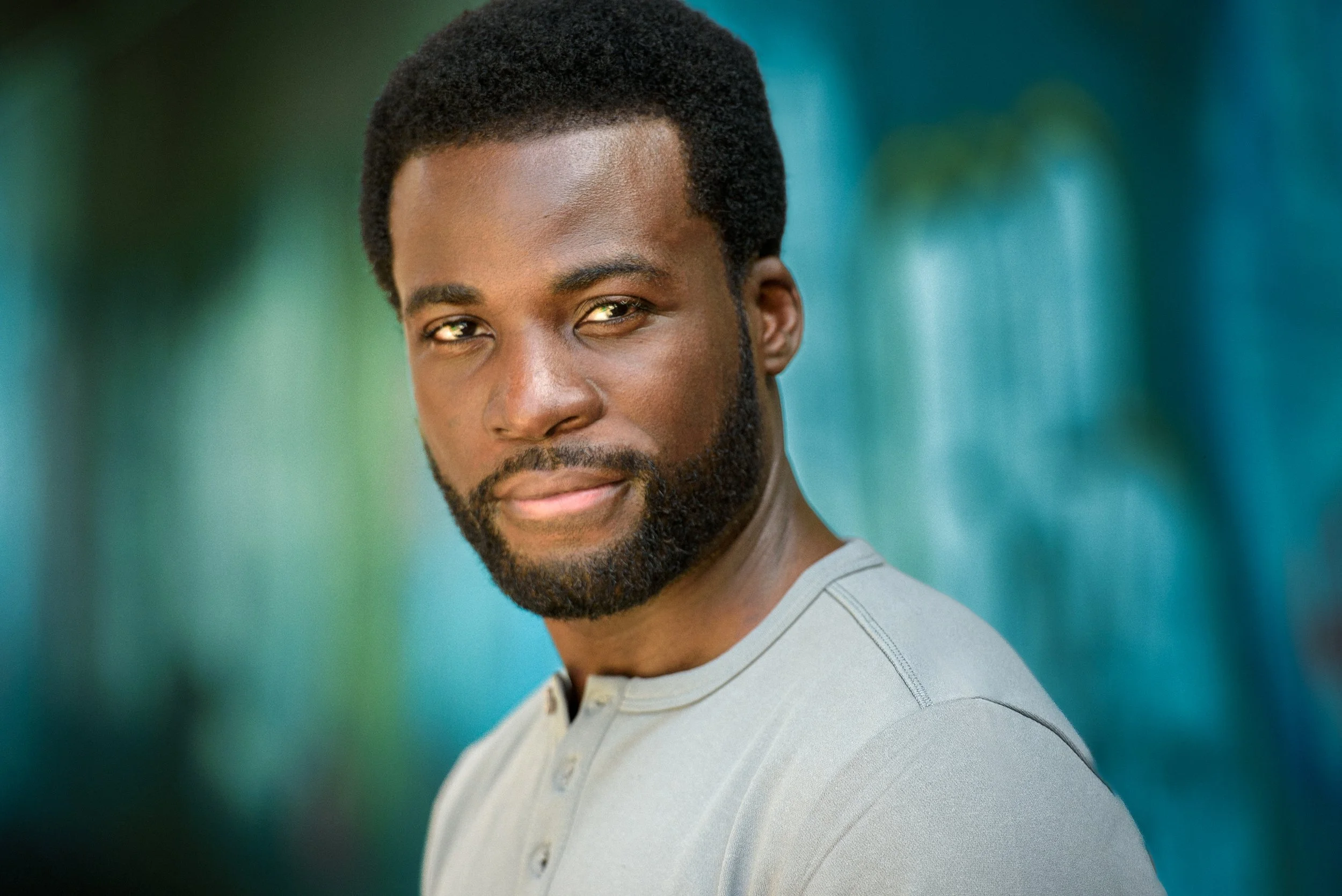
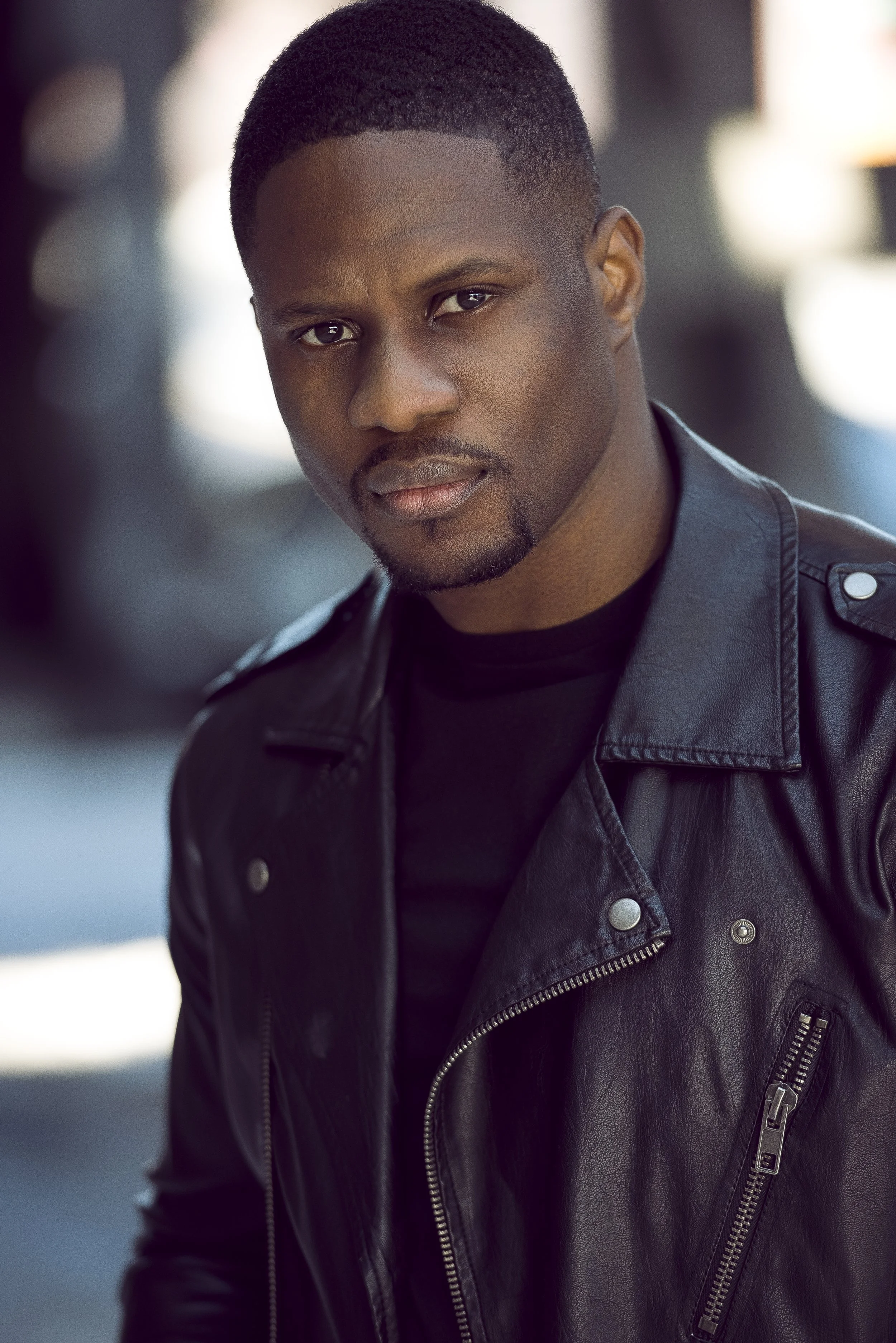
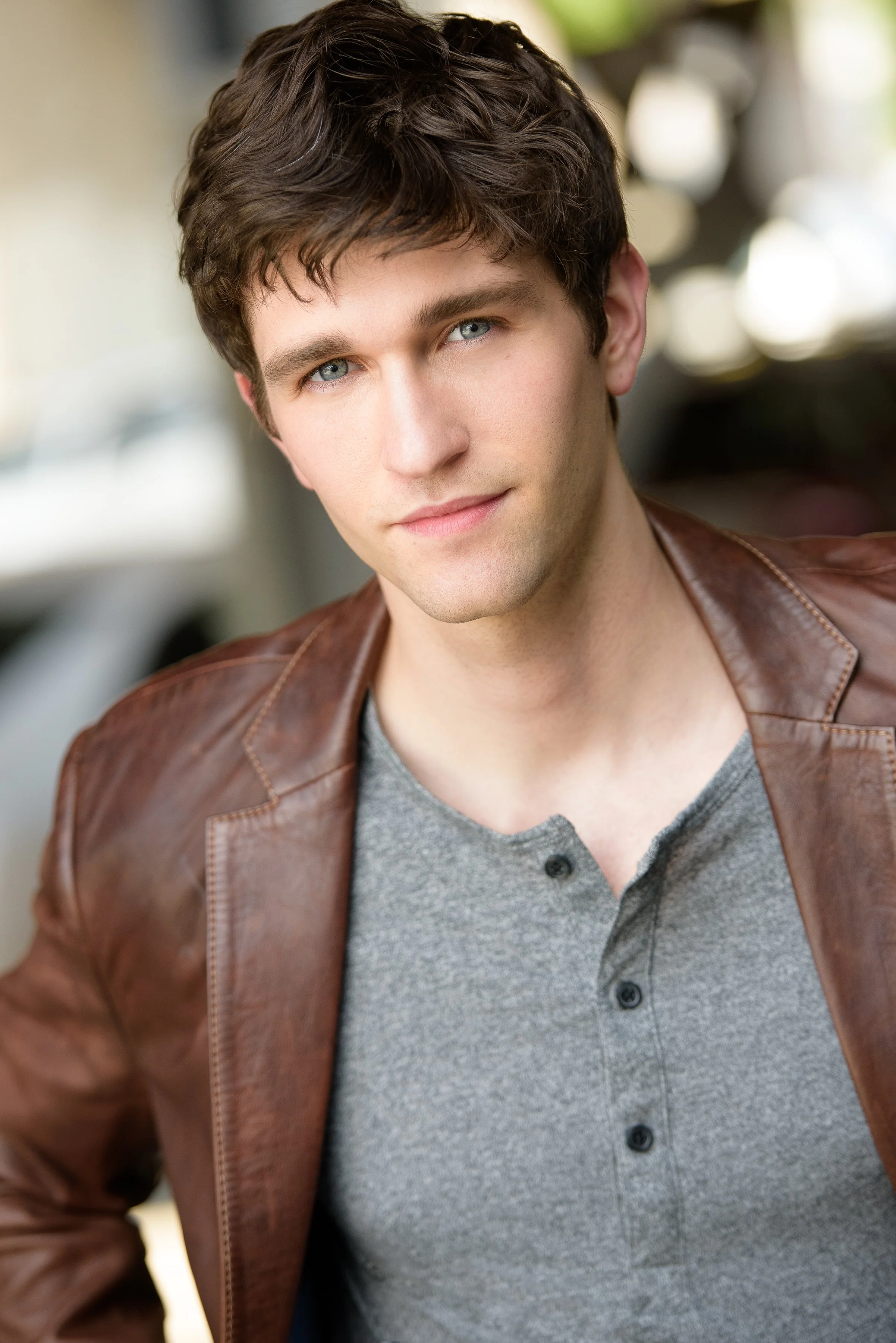
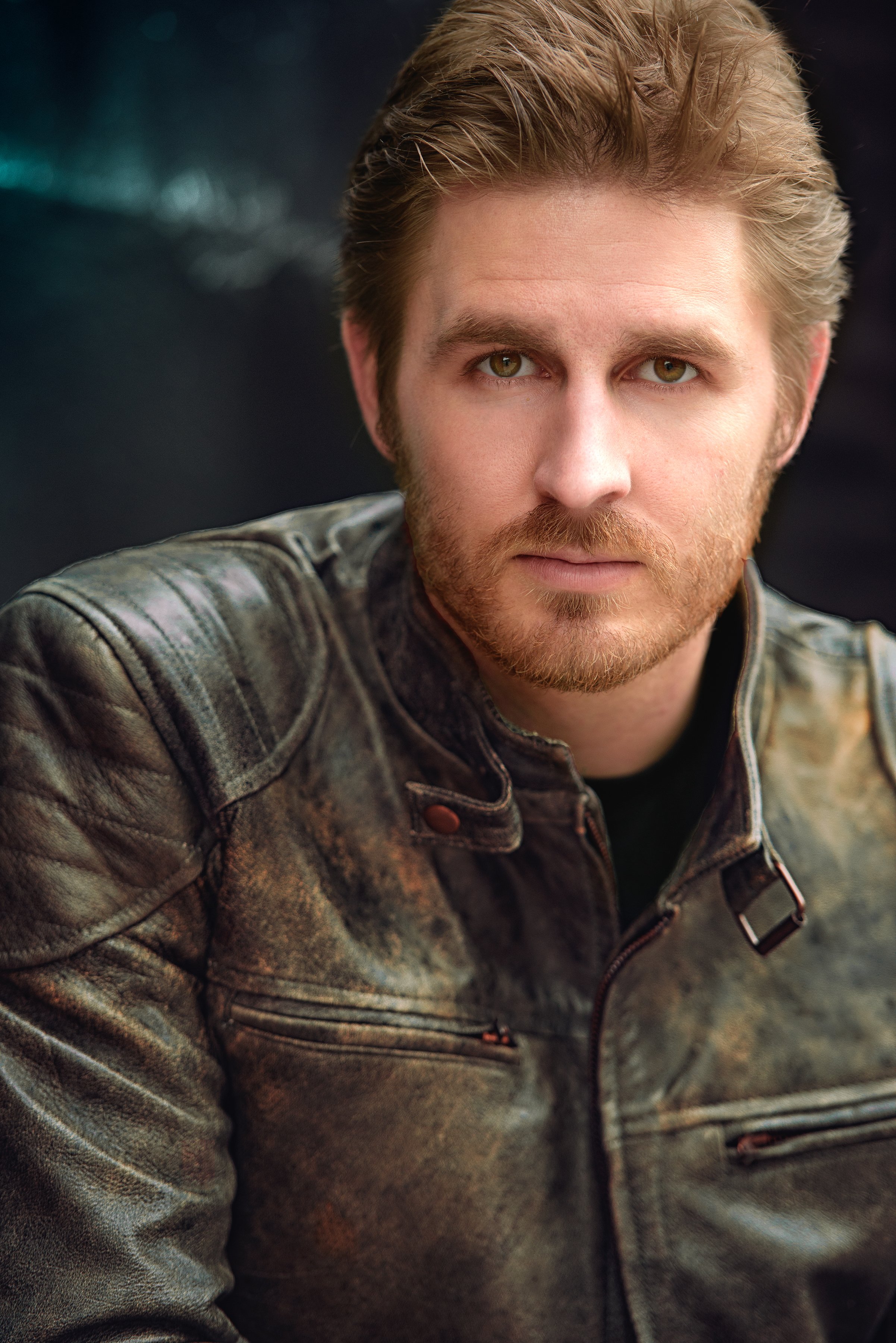
A broken-in jacket, a simple henley, workwear-inspired layers. These don’t suddenly become “post-apocalyptic” because the world ended. They work because they already feel functional.
If your blue collar headshots are clear and grounded, they may already be doing some of the work for post-apocalyptic casting too.
This is a genre where showing more of your physical reality can actually help you.
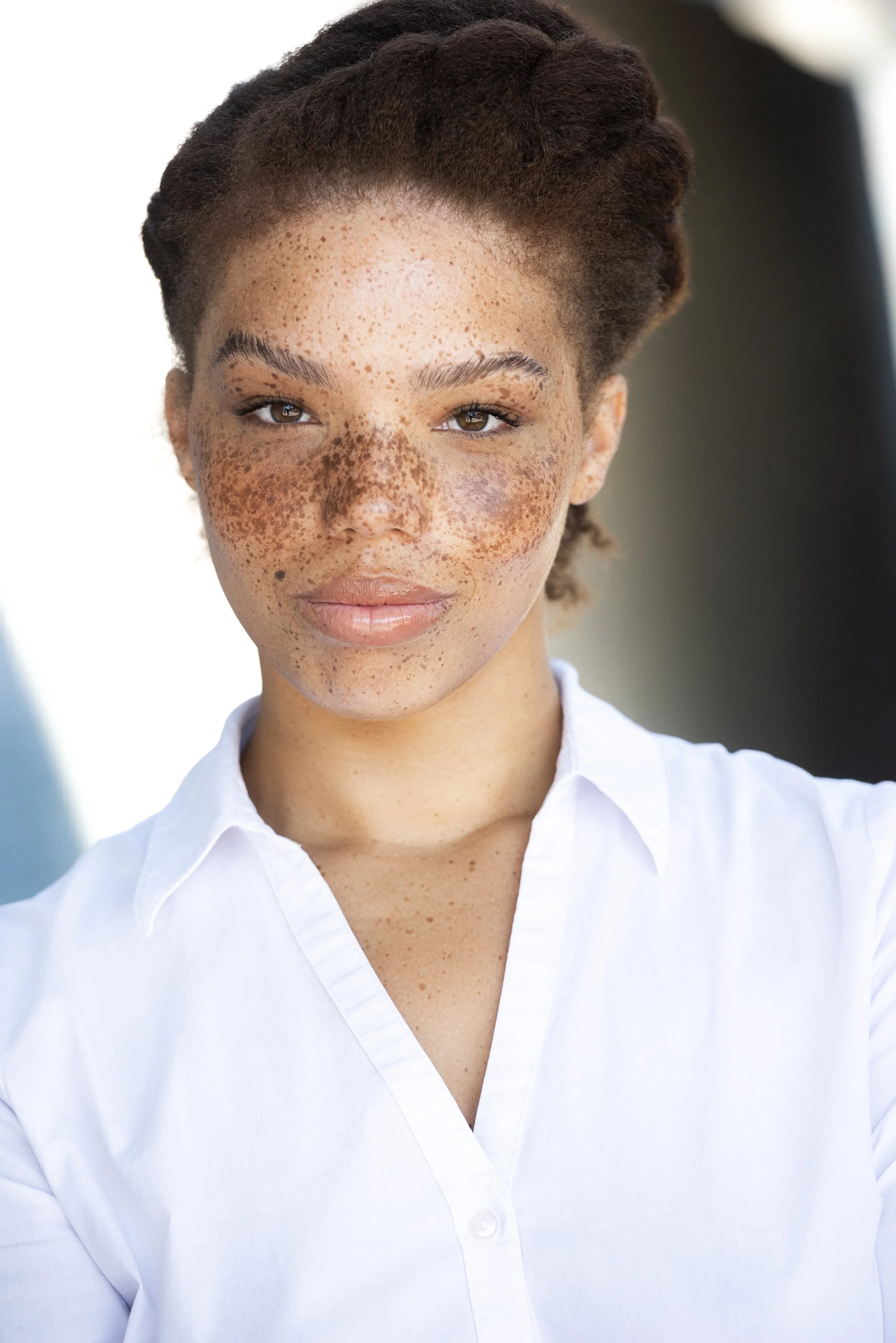
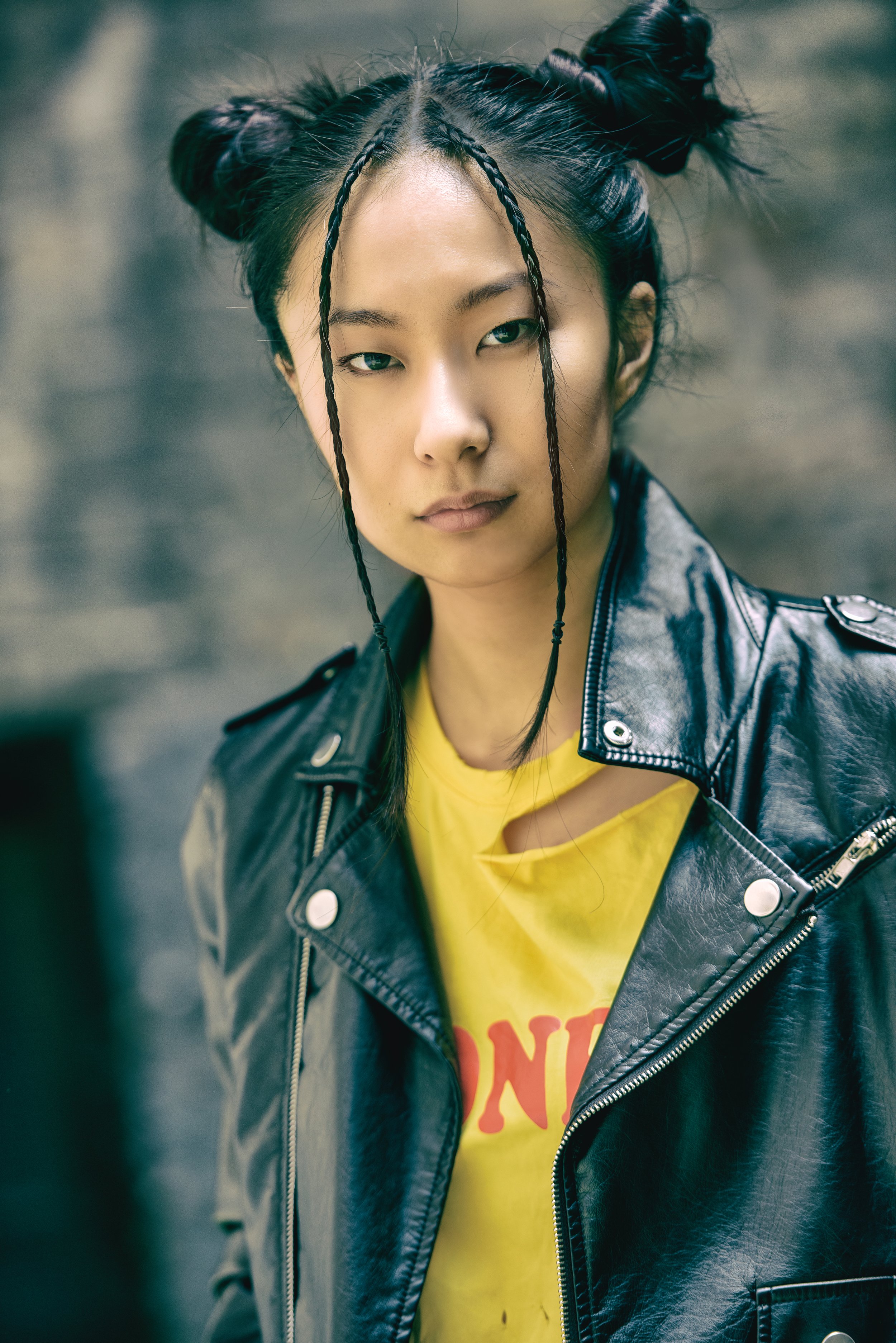
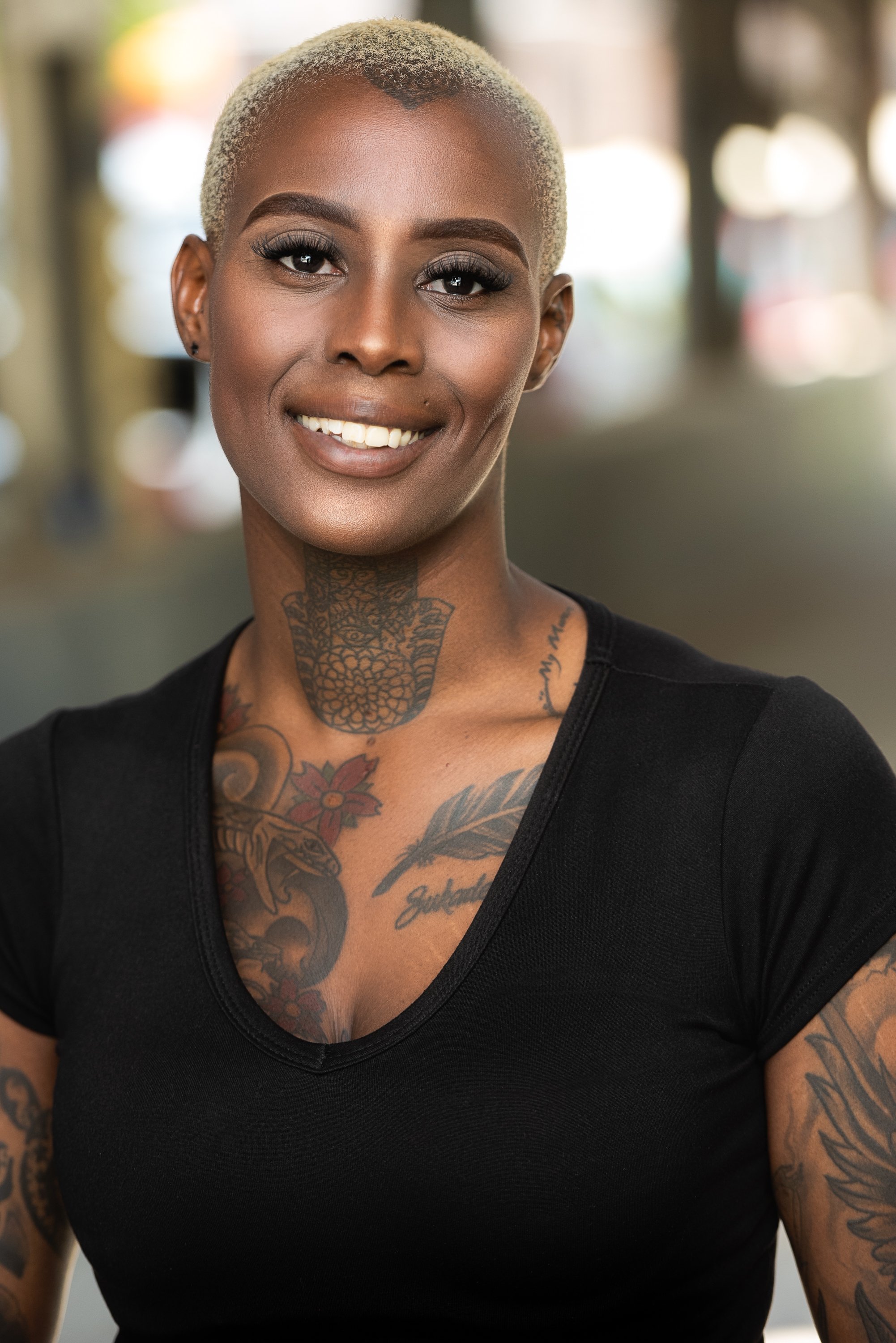
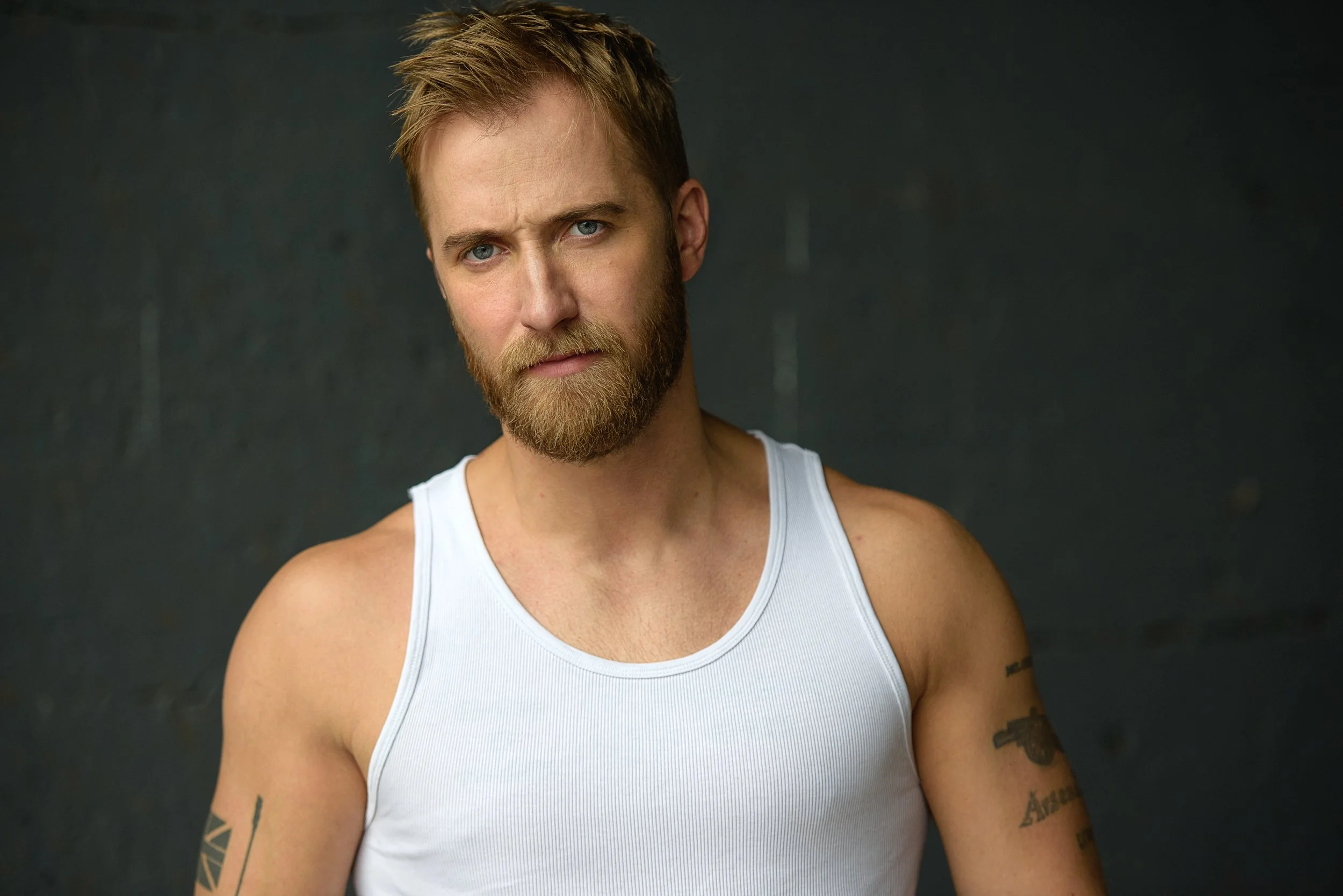
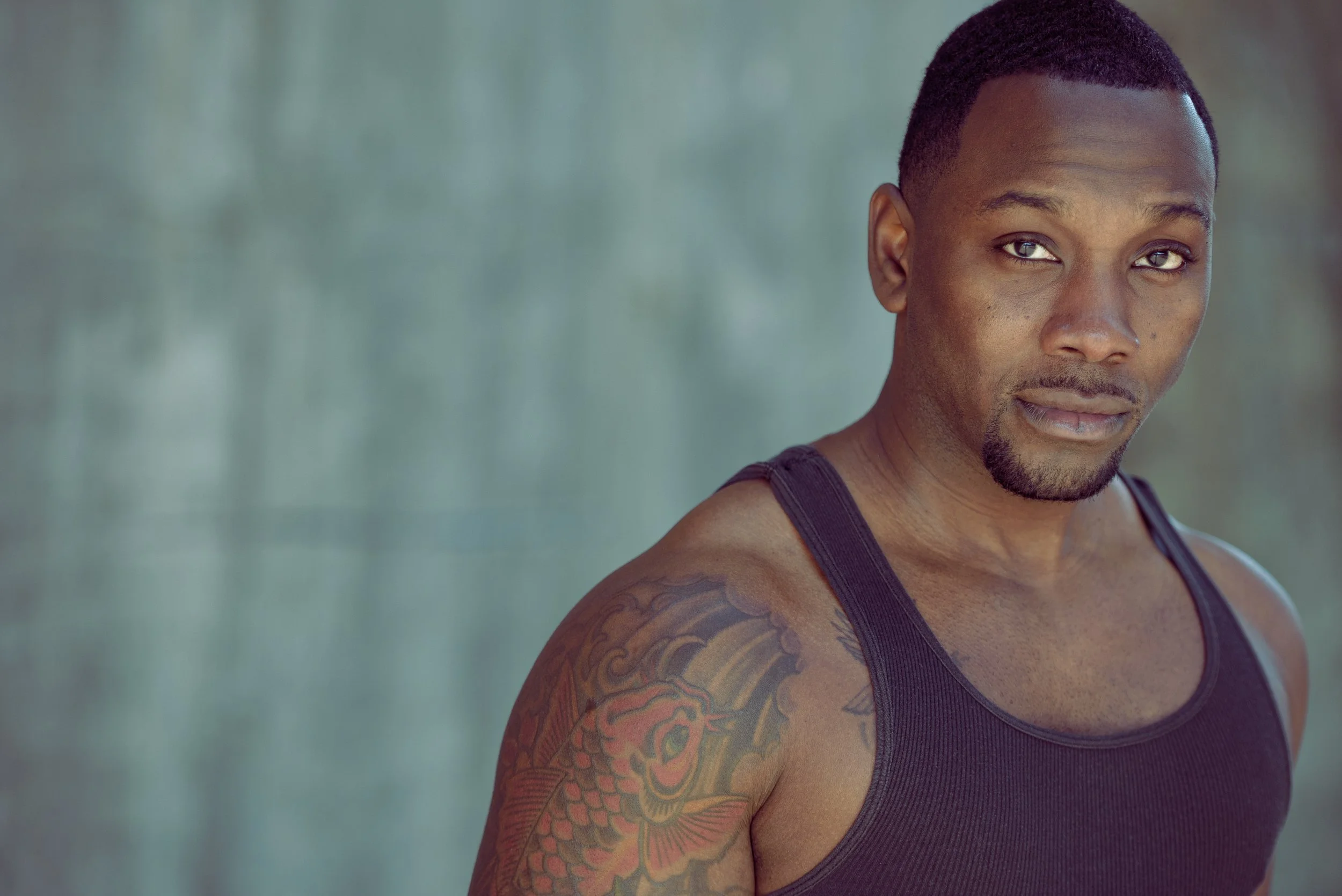
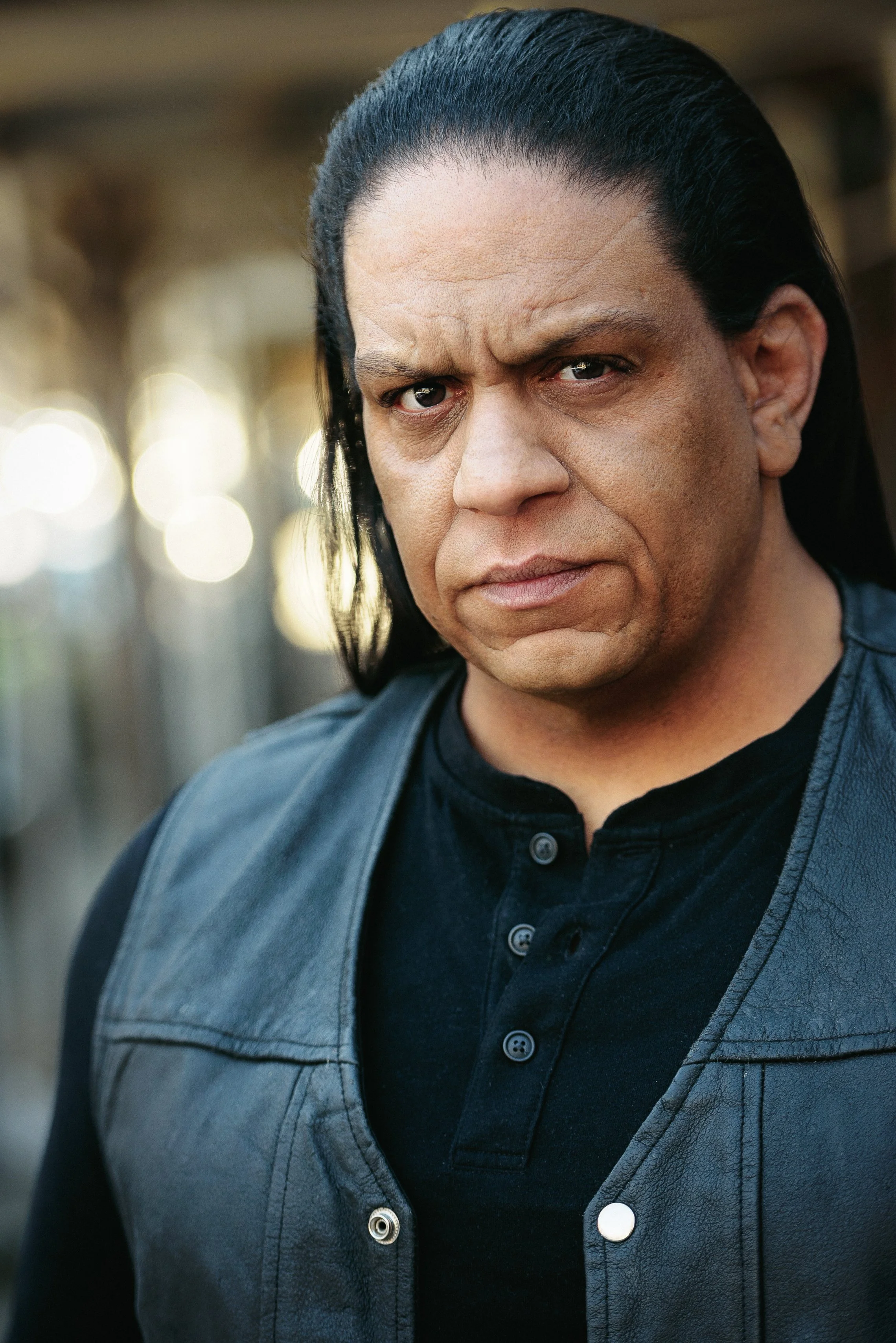
Muscles, tattoos, scars, piercings, weathered skin, strong hands, interesting hair, physical presence — these aren’t distractions here. They’re information. In survival worlds, casting is often looking for bodies that look capable, lived-in, and believable under pressure.
This isn’t about showing off. It’s about not hiding things that might actually help you get cast.
Watching These Shows With Purpose
This is an exercise I give actors all the time.
Watch shows that actually hire from your market. Keep your phone nearby.
When a character appears that you could play easily, pause and notice:
how simple the wardrobe is
how little effort is visible
how much emotional information is doing the work
Pay attention to who feels adaptable, not who feels “cool.”
Take screenshots. Not to copy, but to observe patterns.
Then look at your own closet and build your version of what you’re seeing. Clothes you already own. Looks that feel natural on you.
If it feels understated, you’re probably getting closer.
Common Mistakes Actors Make
trying to look hardened or broken
adding intensity instead of presence
confusing fatigue with depth
over-styling for a genre that rewards restraint
These genres favor neutrality paired with connection.
The Long Game
Actors sometimes worry that leaning into grounded, adaptable reads will make them seem “too normal.”
In practice, the opposite is true.
Casting builds trust with actors who consistently feel usable in heightened worlds. Once that trust exists, casting becomes more willing to explore you in other directions. Leaders. Antagonists. Unexpected roles.
Range grows out of credibility.
Headshots don’t need to explain the world.
They need to show that you belong in it.
If you want to see how I plan headshots around genre and type before we ever shoot, you can explore the Actors page.