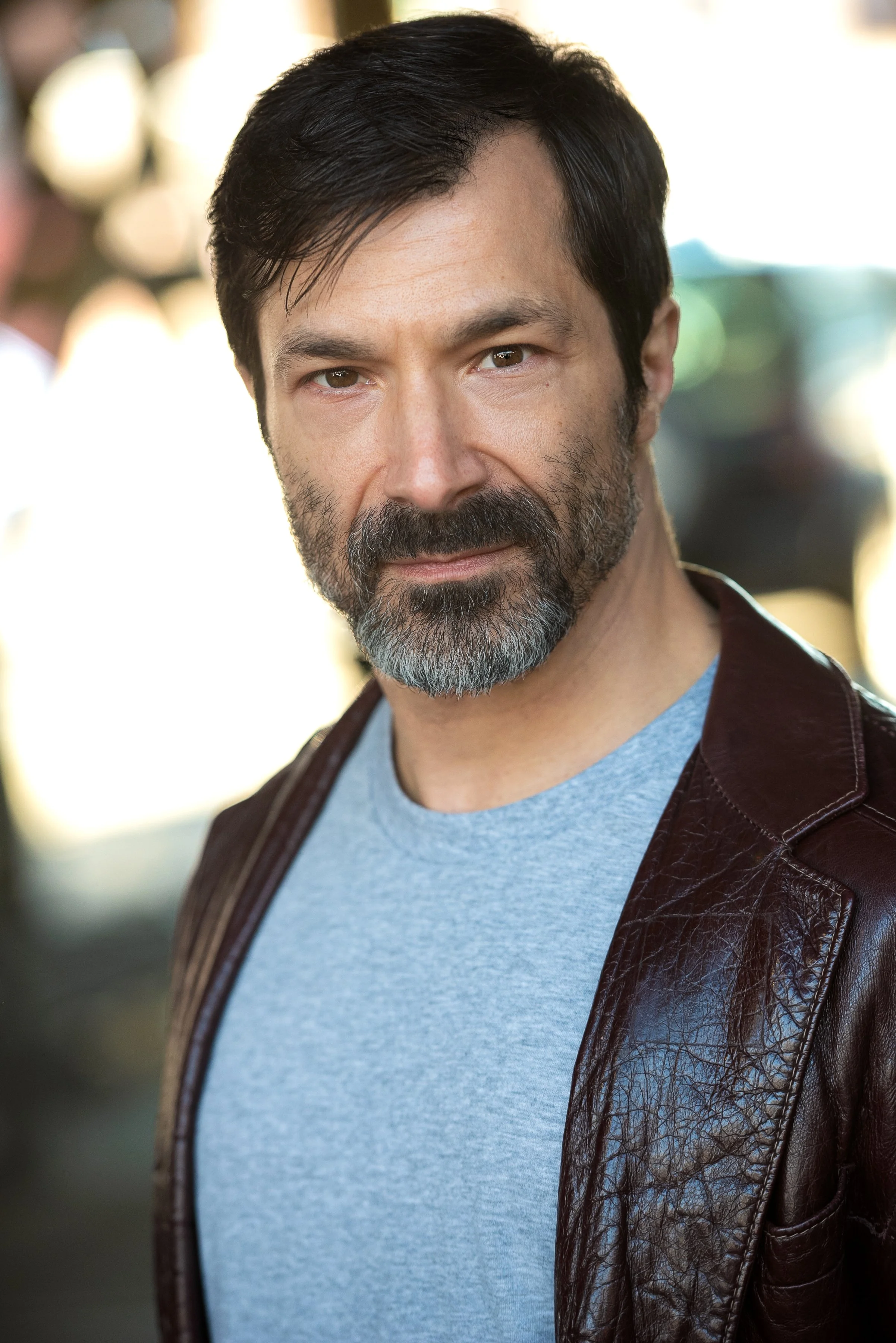
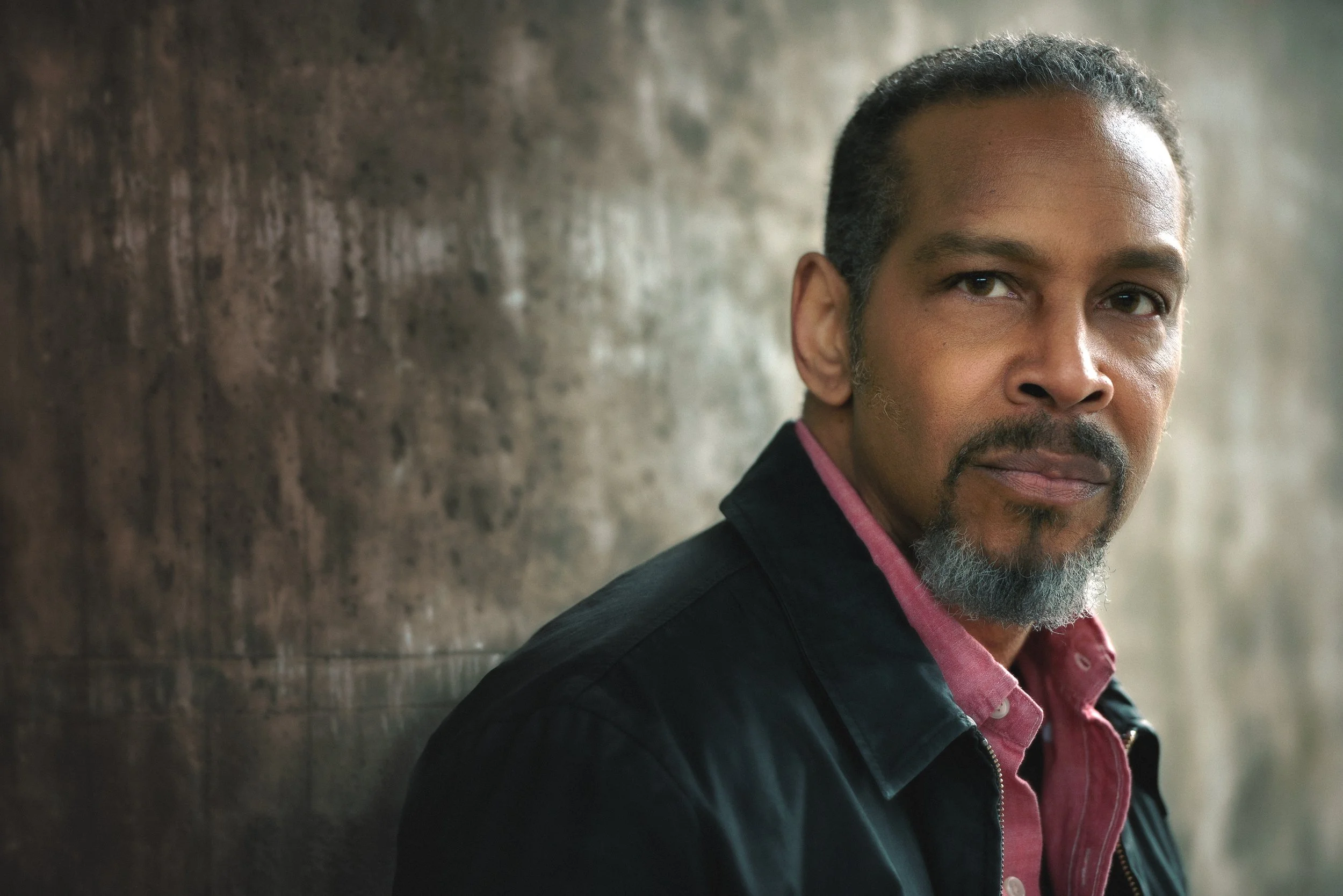
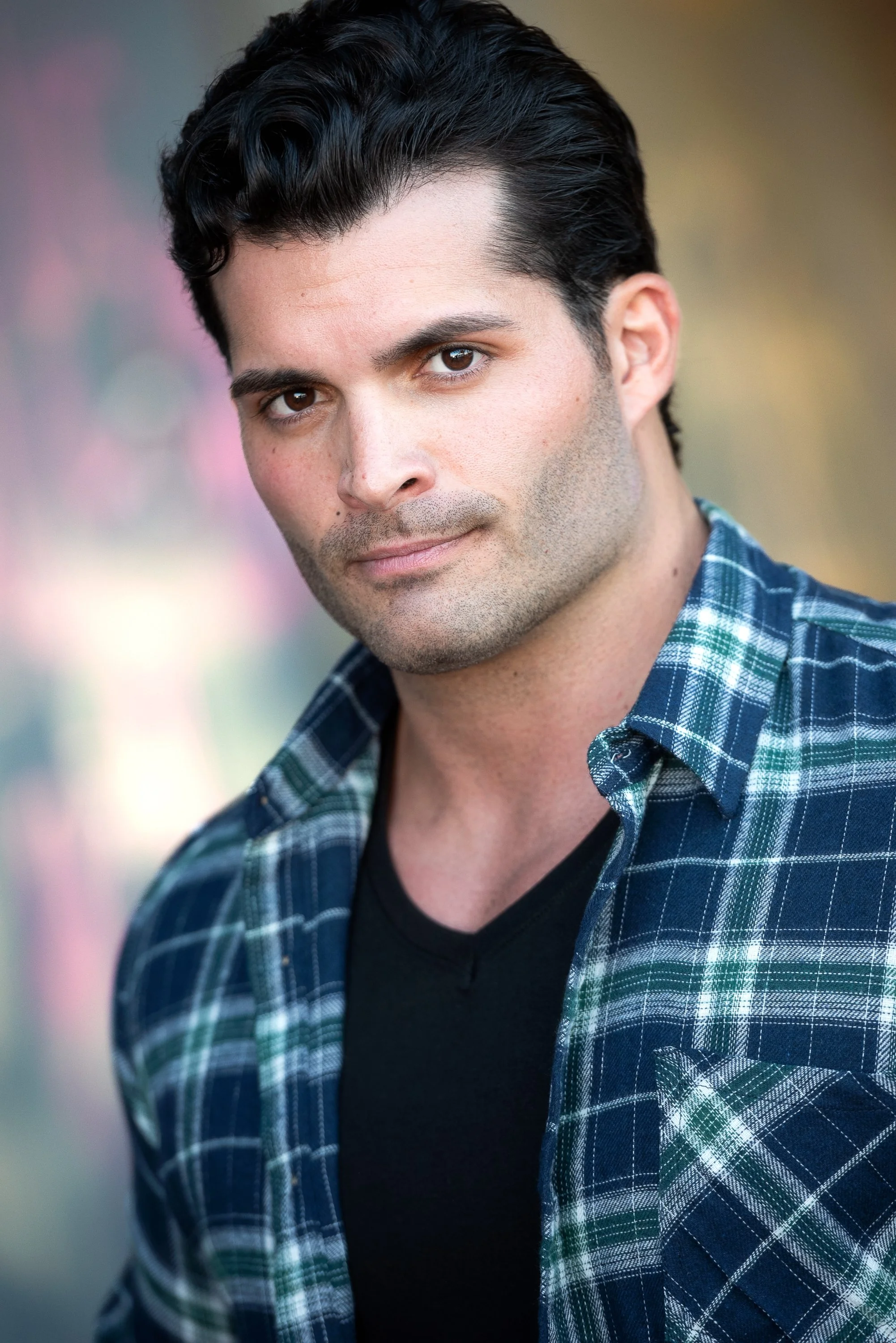
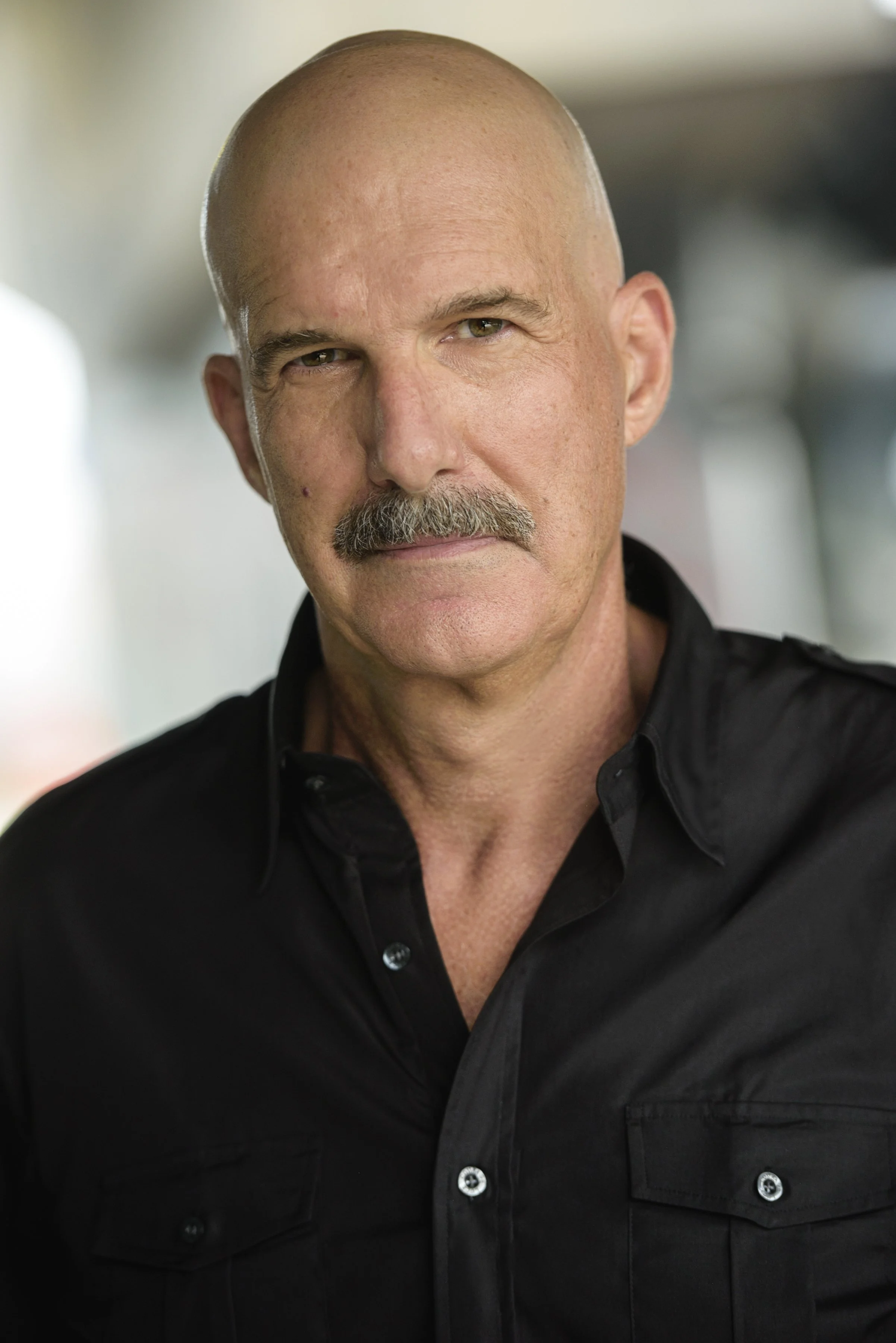
Blue Collar Headshots: How Actors Called In To Play Real, Working People
Blue collar roles are everywhere.
They show up in crime shows, family dramas, indie films, commercials, and streaming series. They’re often the connective tissue of a story. The people who make the world feel real.
And yet, a lot of actors unintentionally erase this lane from their headshots.
This post is about how to think clearly about blue collar casting, and how your headshots can either make this work easier or quietly take you out of the conversation.
Why Blue Collar Casting Matters
Blue collar doesn’t mean background.
It means believable.
Casting relies on these roles to ground a story. They need people who look like they’ve lived in the world of the show long before the camera arrived.
Think:
mechanics
EMTs
construction workers
warehouse supervisors
delivery drivers
caretakers
service workers
neighbors who know what’s going on
These characters don’t exist to be flashy. They exist to be trusted.
That trust starts with your headshot.
What Casting Is Actually Looking For
When casting looks at a blue collar submission, they’re not looking for grit as an aesthetic. They’re looking for ease.
They want to see:
comfort in your body
familiarity with physical or practical work
emotional availability
a lack of self-consciousness
The question isn’t, “Is this actor interesting?”
It’s, “Do I believe this person has done this job before?”
Your headshot is answering that question immediately.
The Roles That Book Again and Again
These roles don’t always sound exciting on paper, but they book constantly.
Television and Streaming
blue collar witnesses
essential workers pulled into a crisis
foremen, supervisors, and team leads
parents and caretakers with real stakes
workers who see or know something important
Commercials
“real people” roles
workers we’re meant to trust
familiar faces who feel relatable and capable
These parts book because casting understands them quickly. Your headshot needs to support that clarity.
What Your Blue Collar Headshots Are Solving
A blue collar headshot solves a very specific problem:
Can I put this person in the world without explanation?
It should communicate:
groundedness
approachability
physical presence
emotional transparency
Not toughness.
Not edge.
Not performance.
The more effort a headshot shows, the less believable it becomes for this lane.
Clarity is everything here.
Wardrobe and Styling: Less Is More
This is where actors often overthink.
Blue collar styling isn’t about dressing down. It’s about dressing honestly.
Fabrics
denim
cotton
canvas
flannel
worn-in materials that move naturally
Colors
muted blues and greens
earth tones
gray, brown, off-white
nothing precious or flashy
Fit
clothes should look lived-in, not sloppy
avoid anything stiff or overly tailored
The goal isn’t to look styled.
It’s to look like you dressed yourself without thinking about a camera.
Researching Blue Collar Roles (Watch With Purpose)
This is something I talk about a lot with actors.
Watch shows that actually film in your area. Keep your phone nearby.
When a character pops up that feels like something you could play easily, pause and look:
what are they wearing?
how simple is it?
how much effort is visible?
Do the same thing with commercials. Blue collar casting is often clearest there.
Take screenshots. Not to copy, but to notice patterns.
Then go to your closet and build your version of what you’re seeing. What already fits your body, your energy, your life?
If it feels obvious, you’re probably on the right track.
Common Mistakes Actors Make
trying to look “tough” instead of grounded
adding grit through expression instead of context
over-layering
confusing blue collar with unkempt
hiding warmth
Many blue collar roles hinge on trust. Warmth books.
The Long Game
I often tell actors this: get known for doing what you do well and easily.
When casting sees you consistently deliver believable blue collar roles, they start to recognize you beyond the headshot. That recognition builds trust. And once that trust exists, casting becomes more willing to explore you in other directions.
Range grows out of trust, not the other way around.
Headshots don’t create a career on their own. But they can position you clearly enough for casting to take that first step.
If you want to see how I approach planning headshots around type, genre, and long-term positioning, you can explore the Actors page.