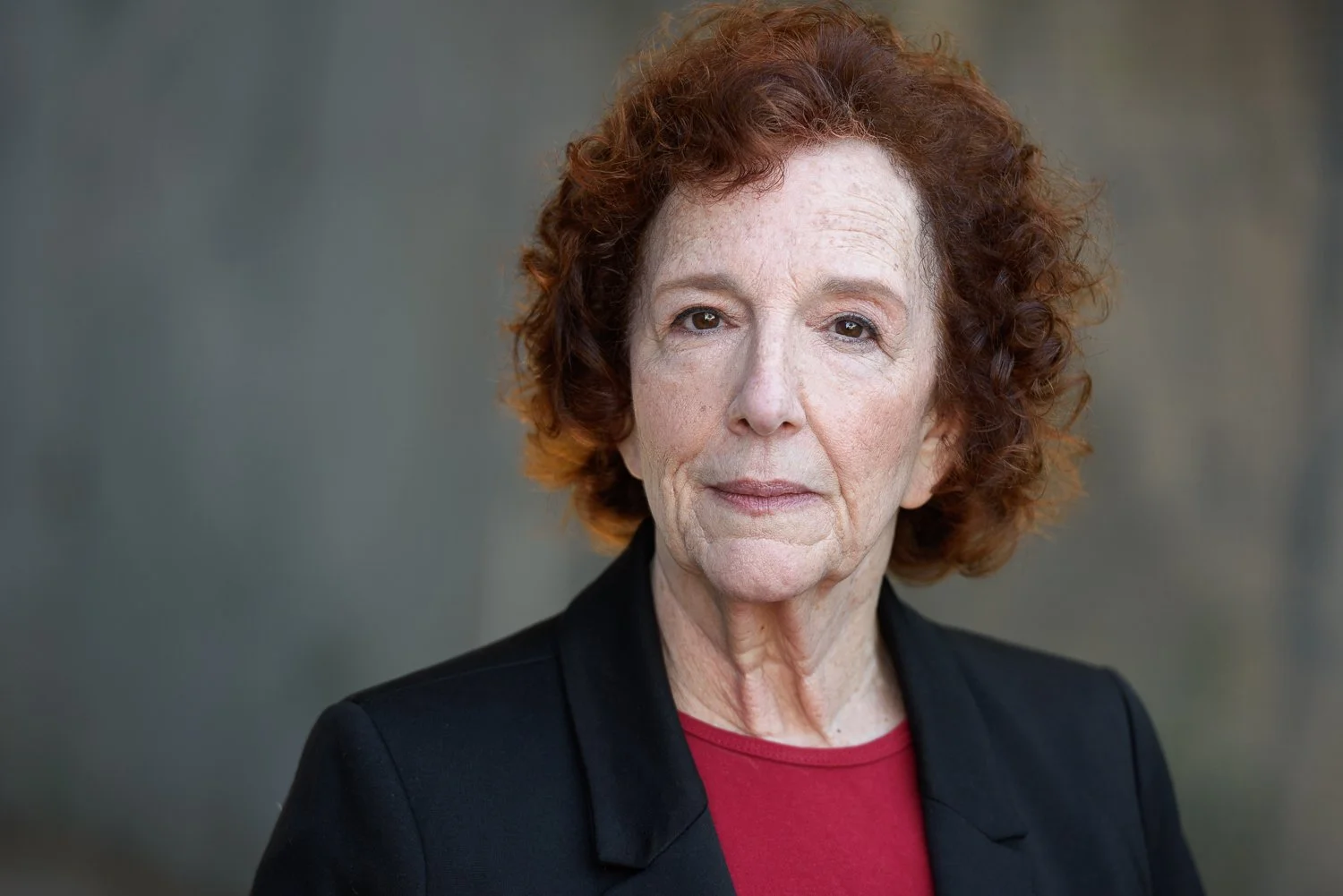
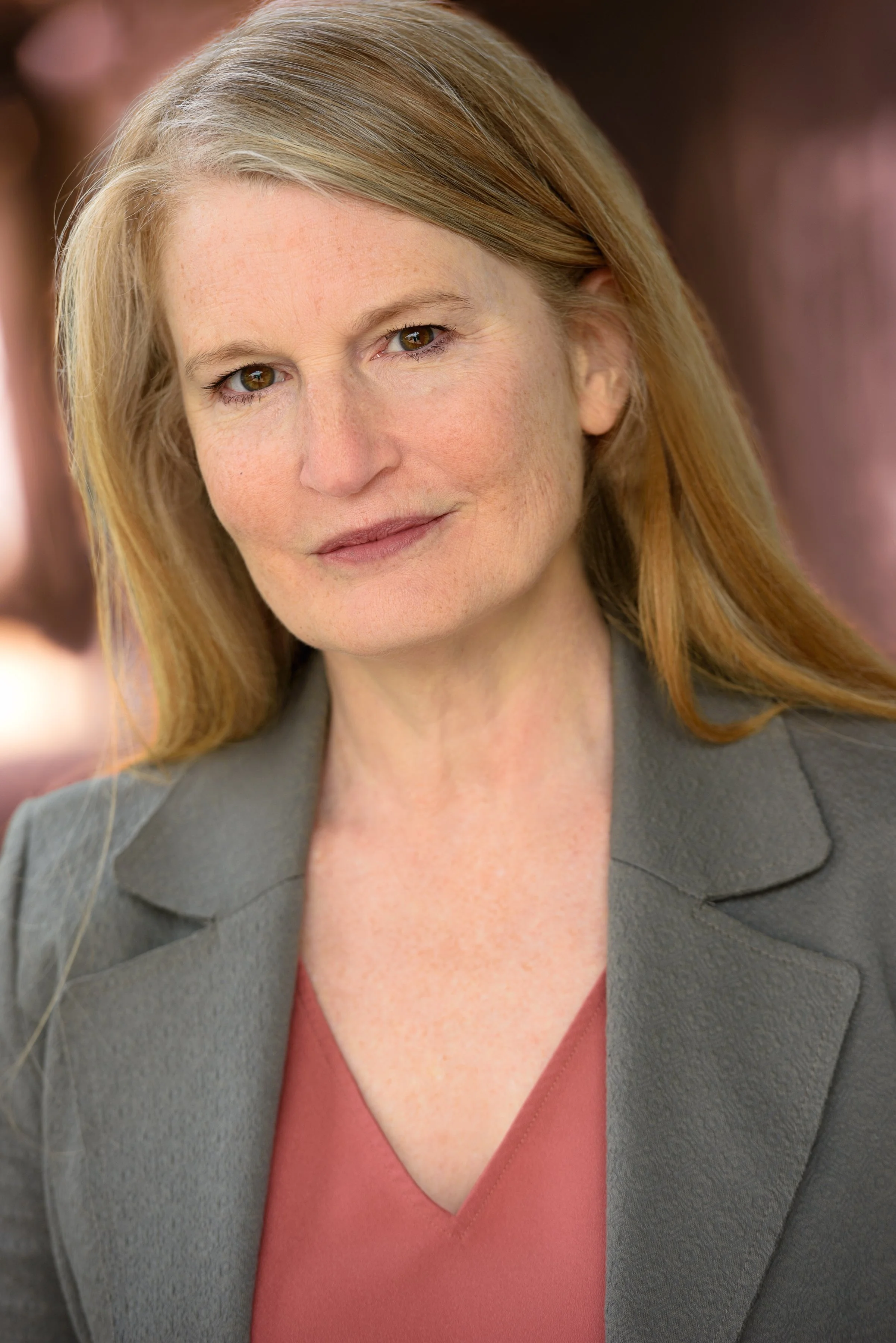
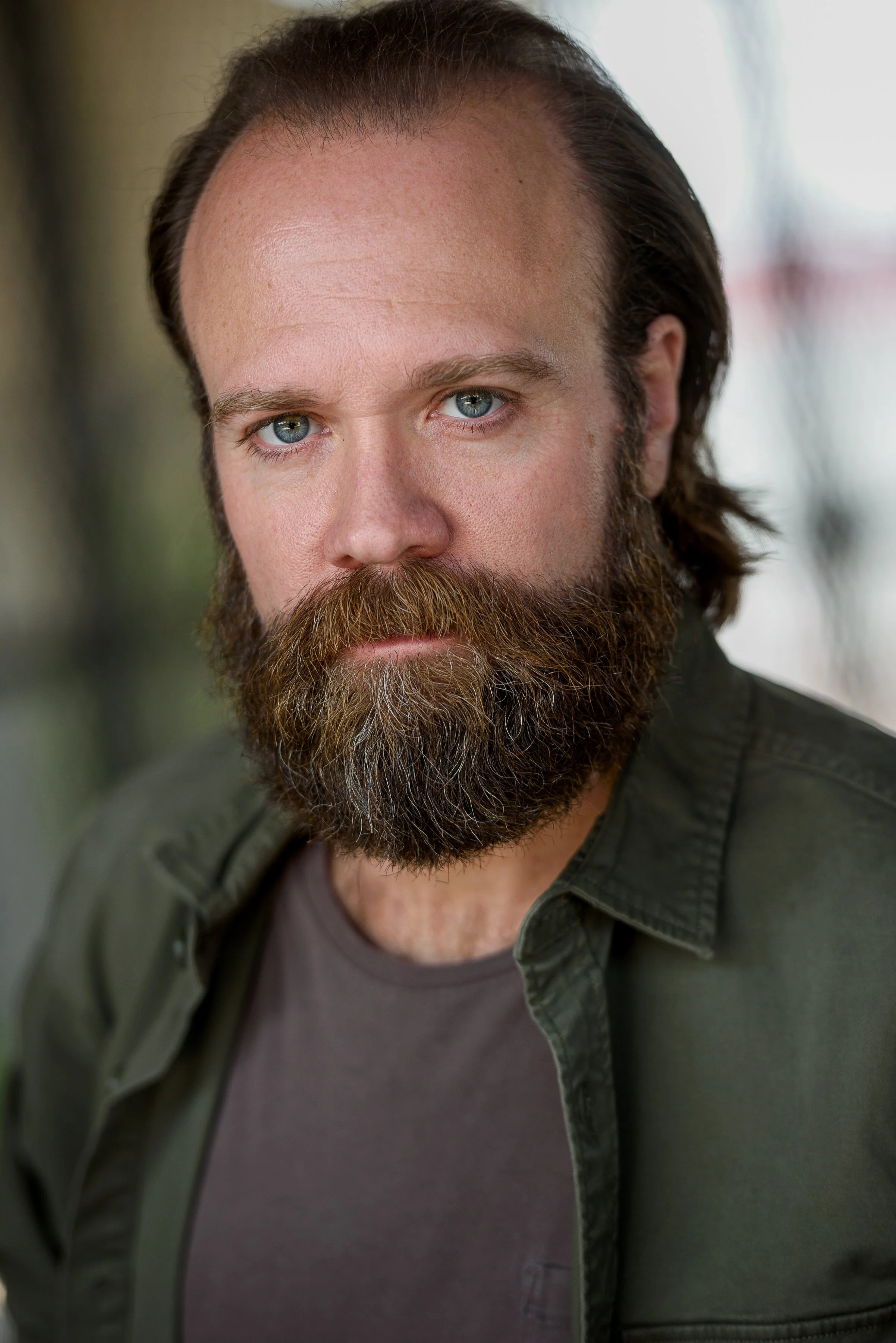
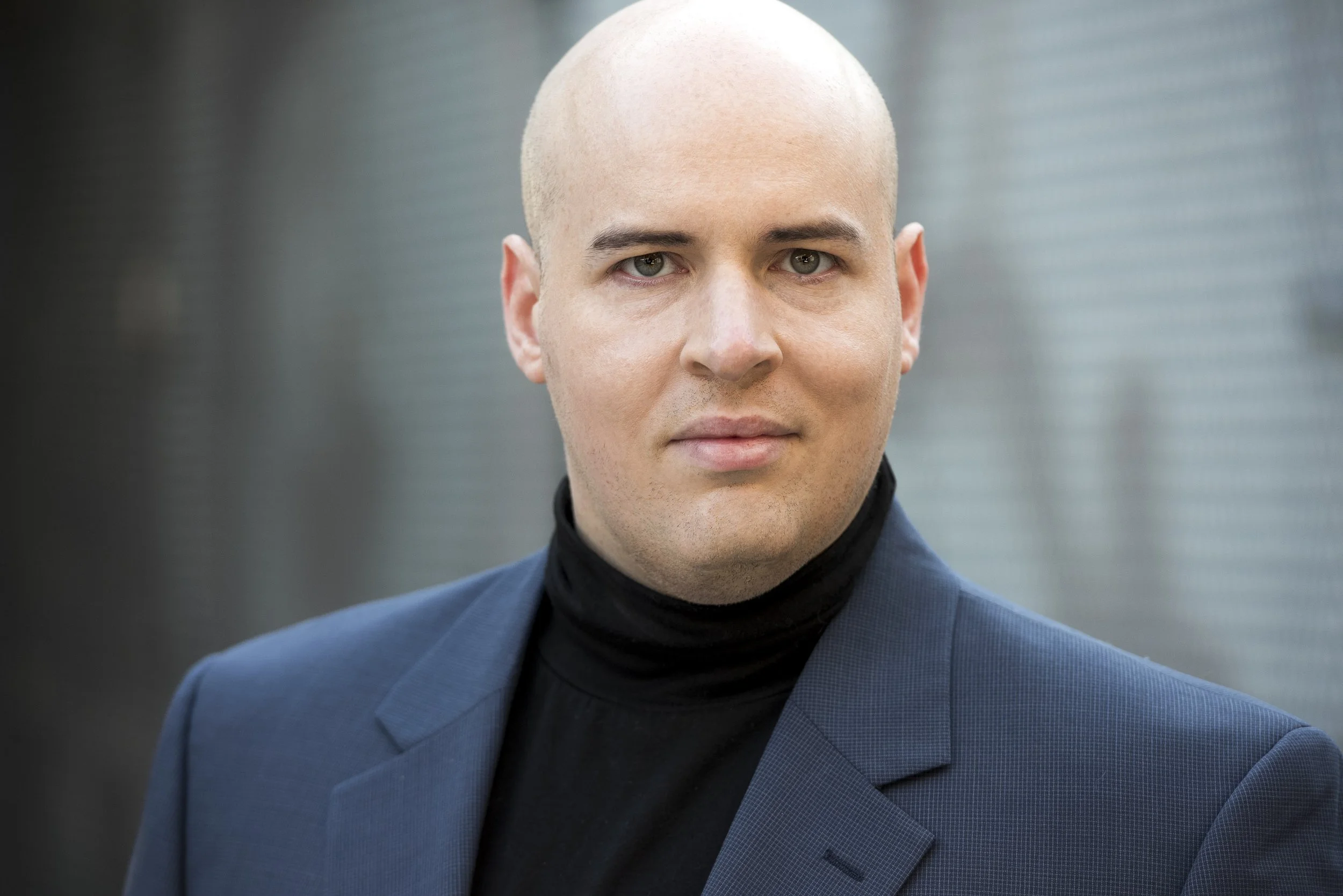
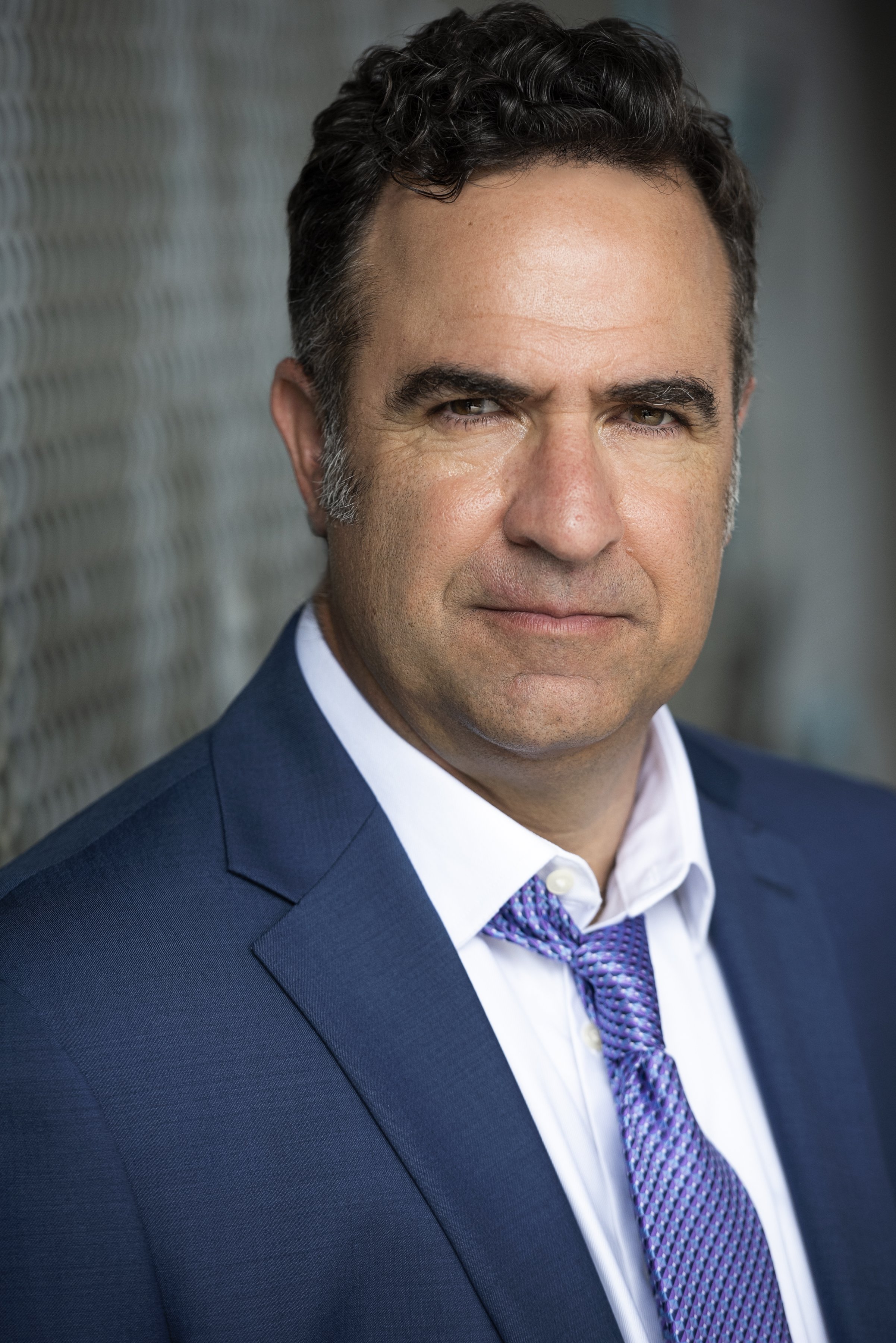
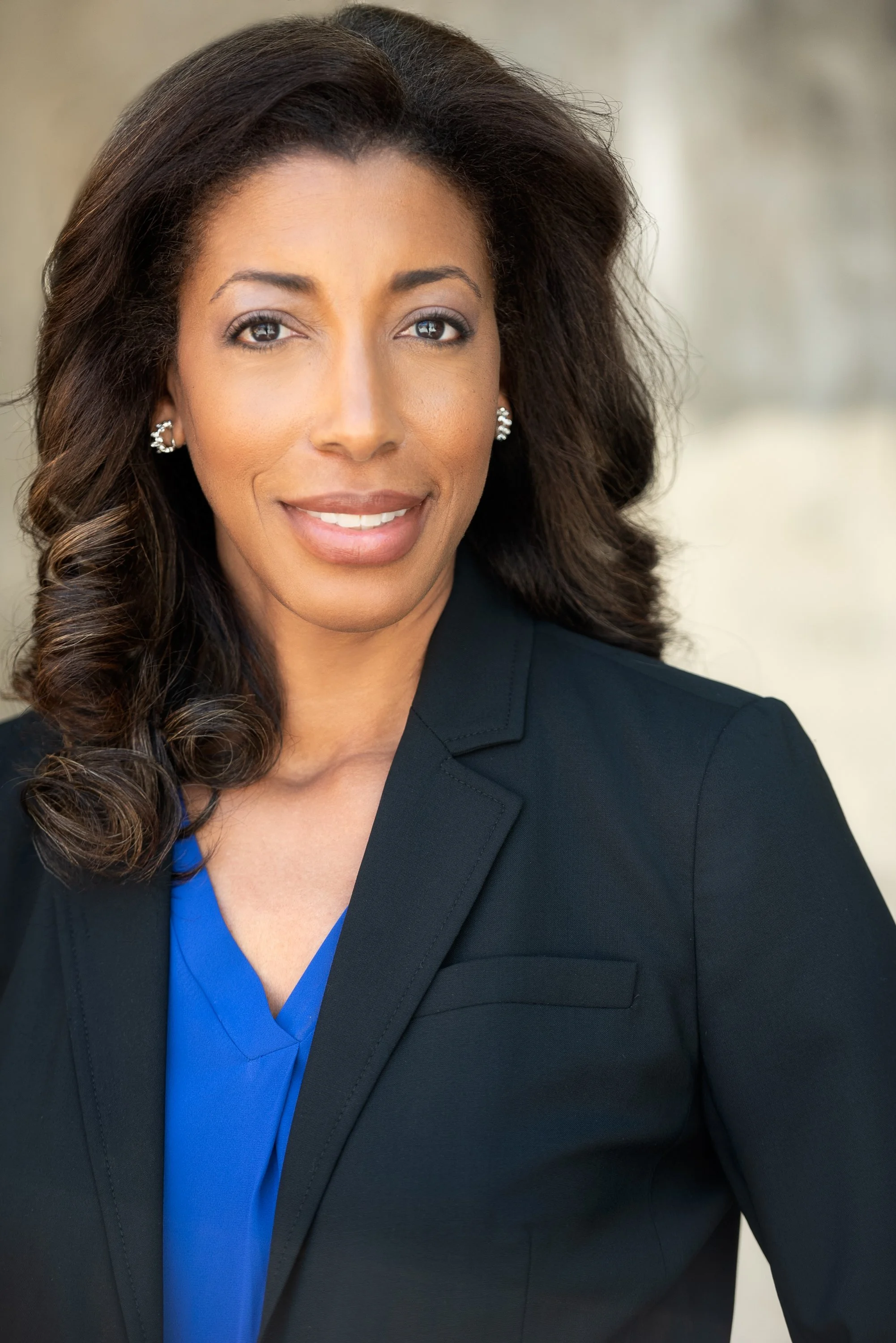
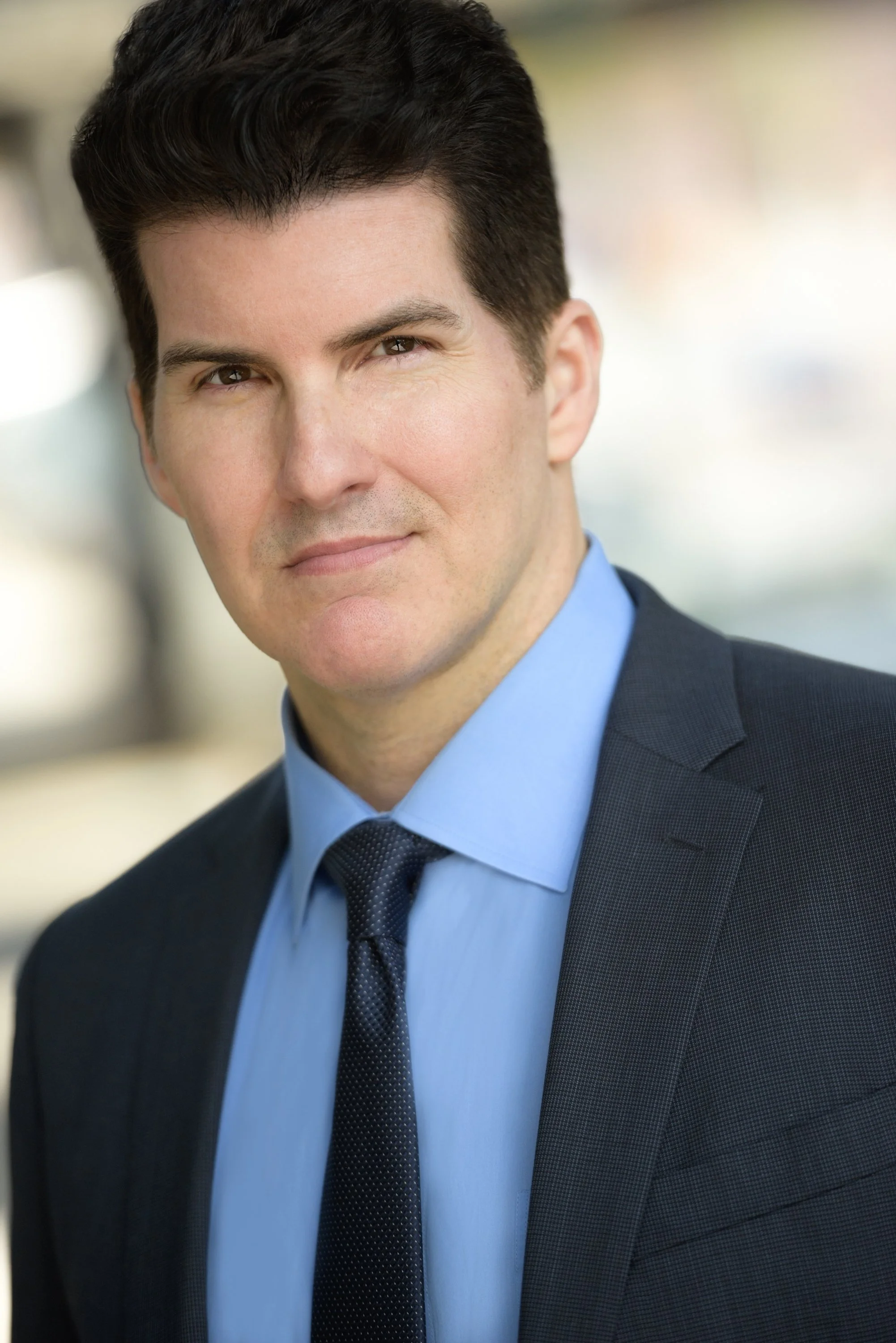
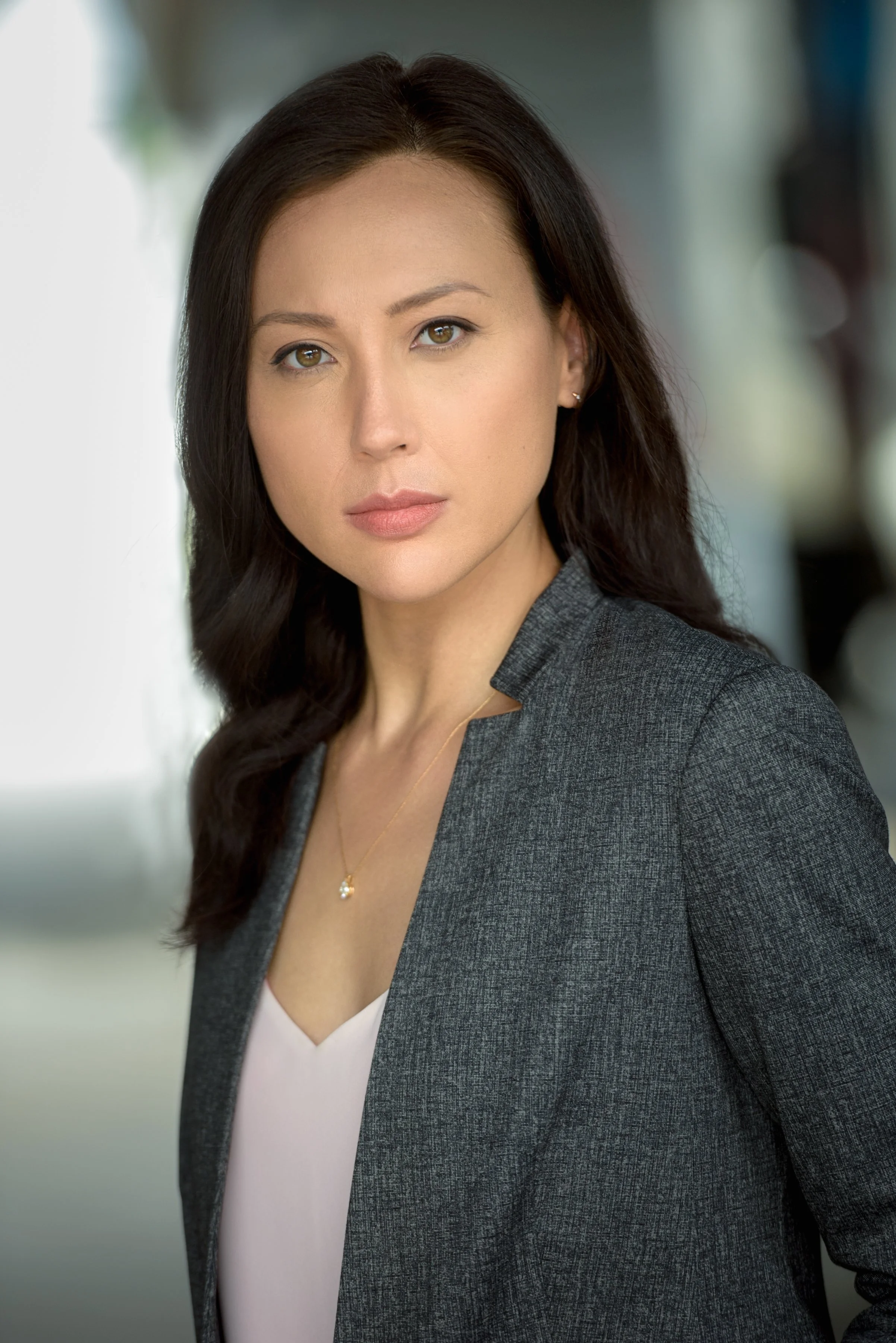
Headshots for Crime Shows: How Actors Get Called In For Procedurals
Crime shows are not niche.
They are the ecosystem.
If you’re an actor working in NYC, a huge percentage of what’s casting around you lives in the world of crime, law, and procedural storytelling. Shows like Law & Order, SVU, FBI, Organized Crime, Elsbeth, and their streaming cousins hire constantly and they hire actors who look real, specific, and grounded.
This post is about how to think about crime shows strategically and how your headshots help or hurt you in that process.
Why Crime Shows Matter (Even If You Think They’re “Not Your Thing”)
Many actors dismiss procedurals as repetitive or uncreative. Casting does not.
Crime shows are:
Fast-moving
Role-dense
Performance-driven
Built on clarity
That means they need actors who can walk on set, inhabit a role immediately, and support the story without explanation. Your headshot is often the first test of whether you can do that.
What Casting Is Actually Looking For
Crime shows live in a heightened reality, but the performances are grounded.
Casting is looking for:
Emotional credibility
Clear inner life
A sense of lived experience
Someone who belongs in that world without trying
This is not about looking dramatic.
It’s about looking believable.
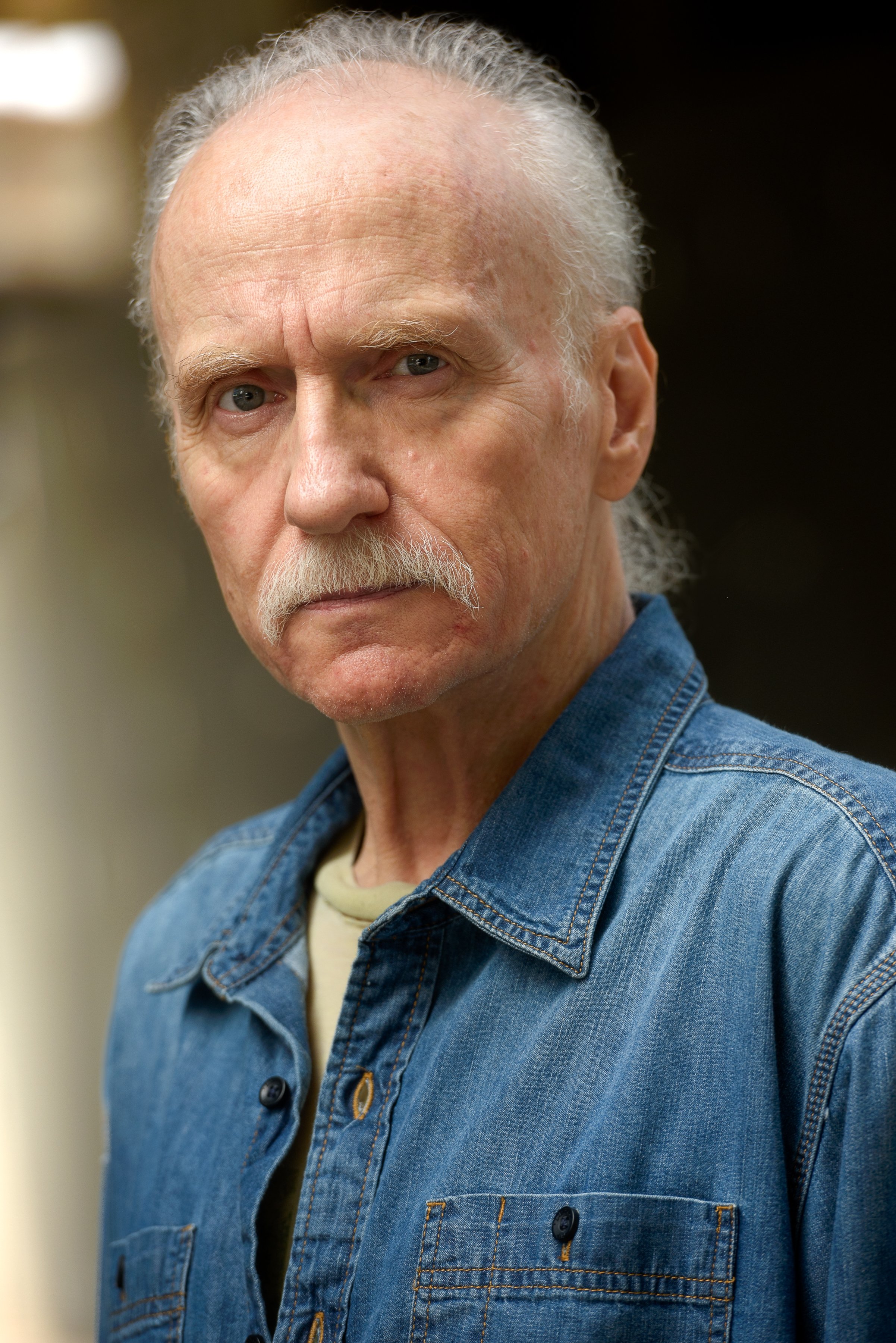
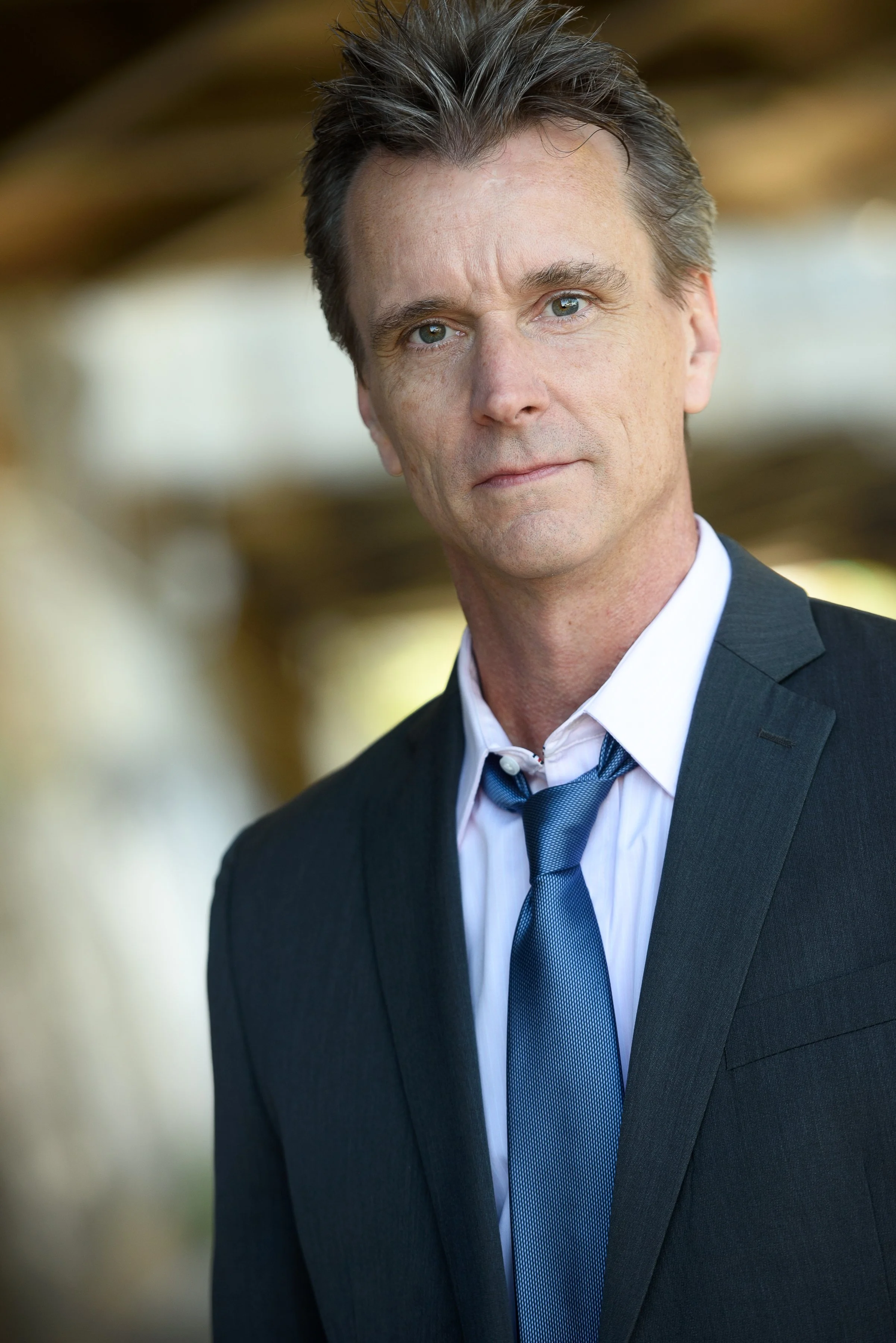
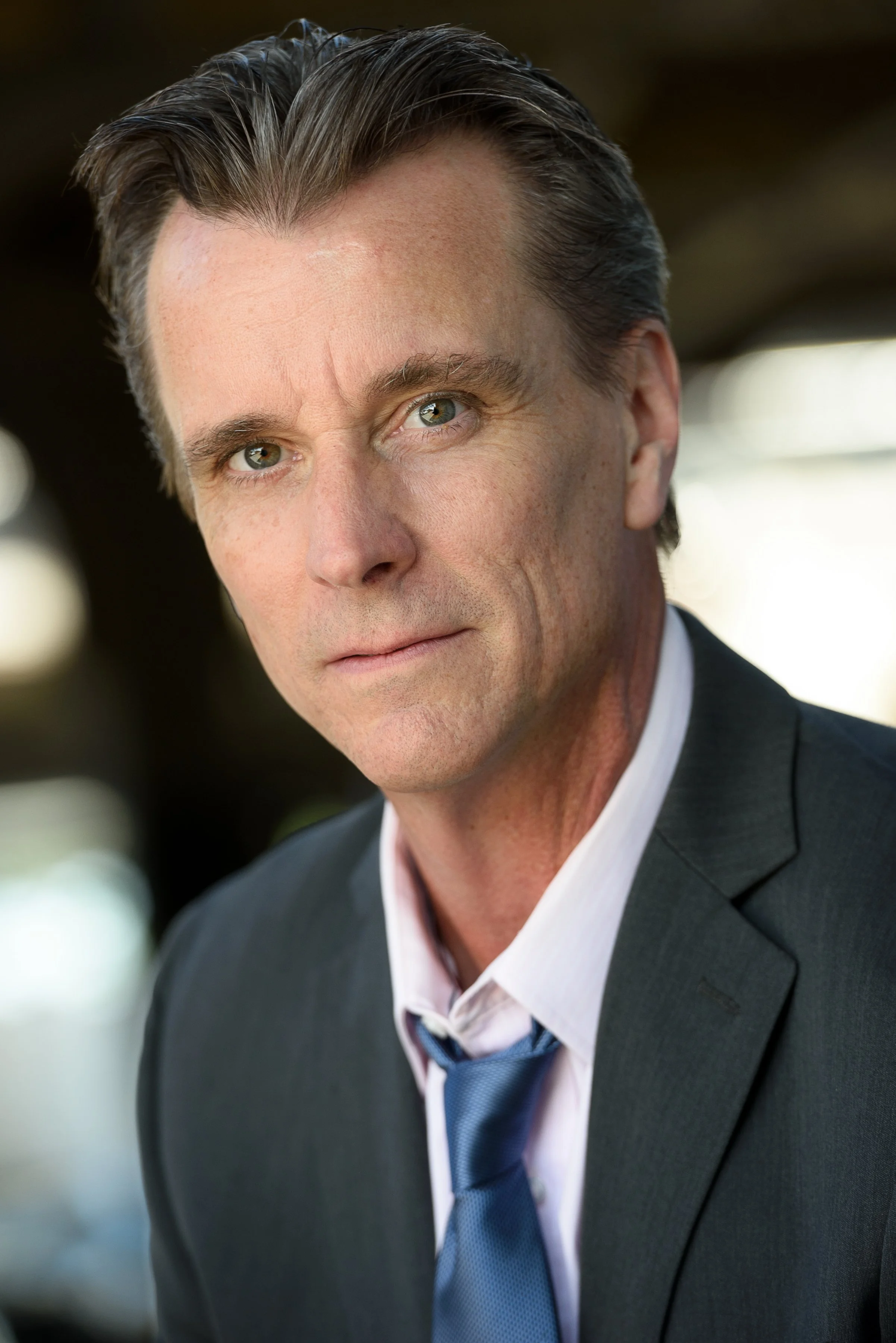
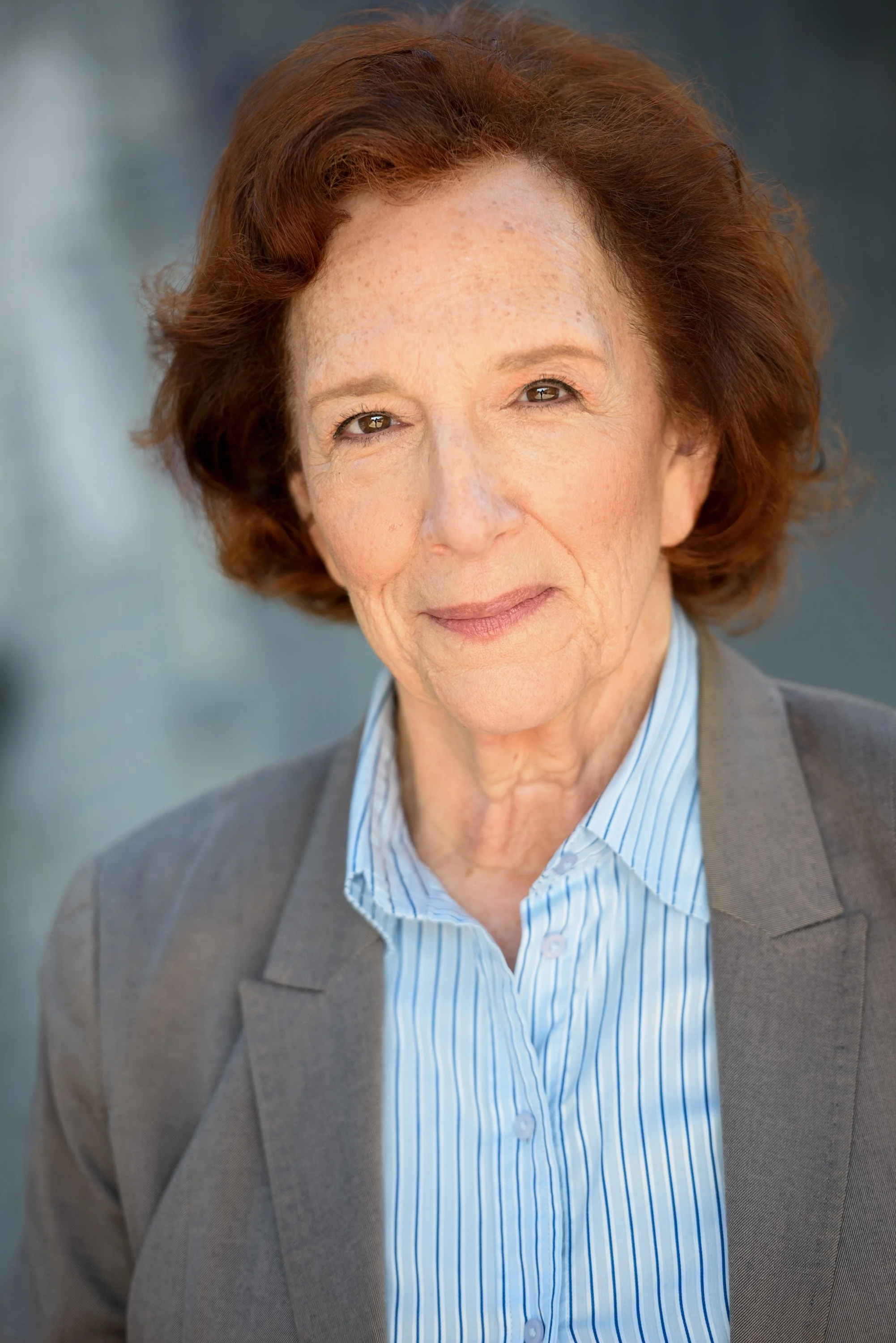
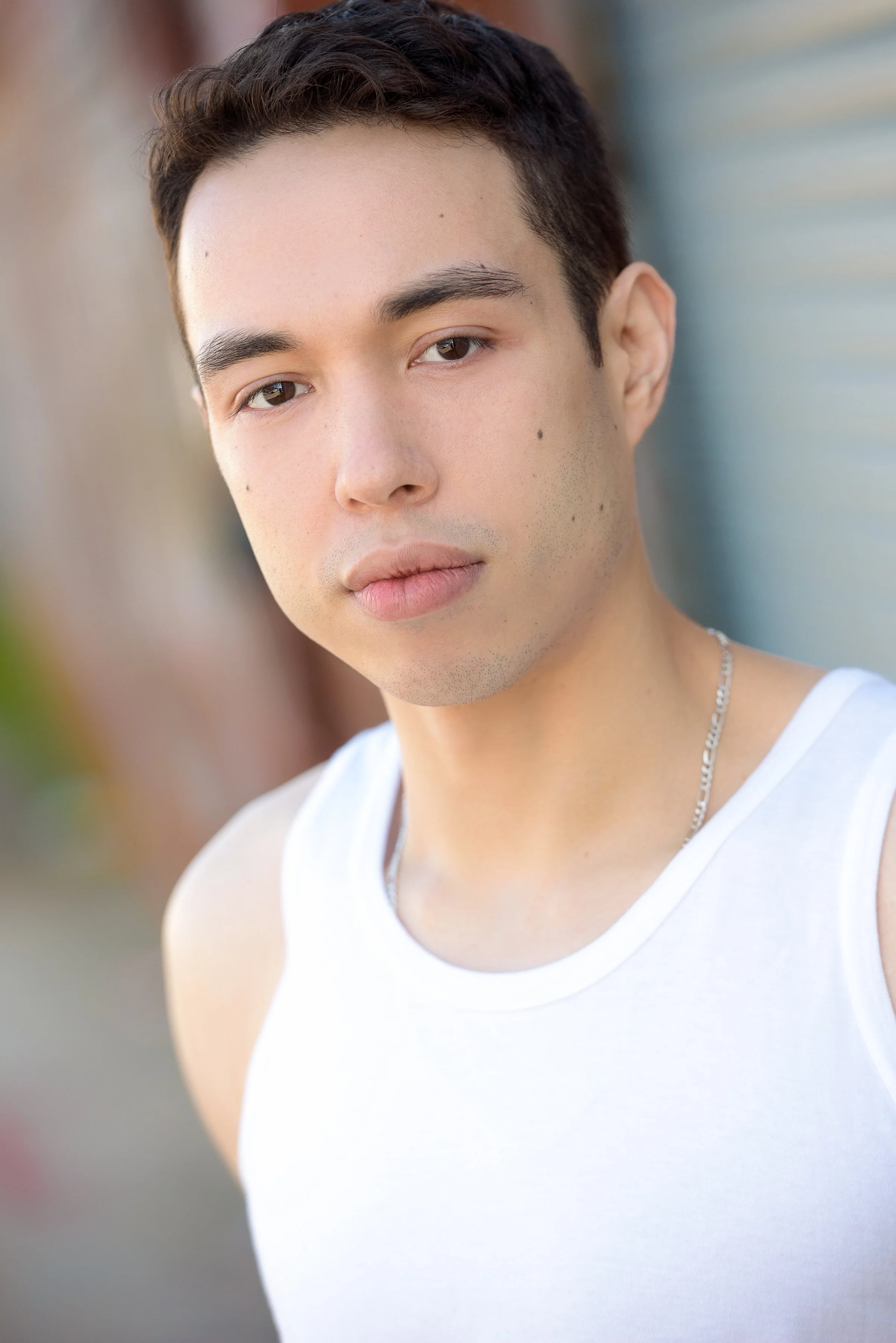
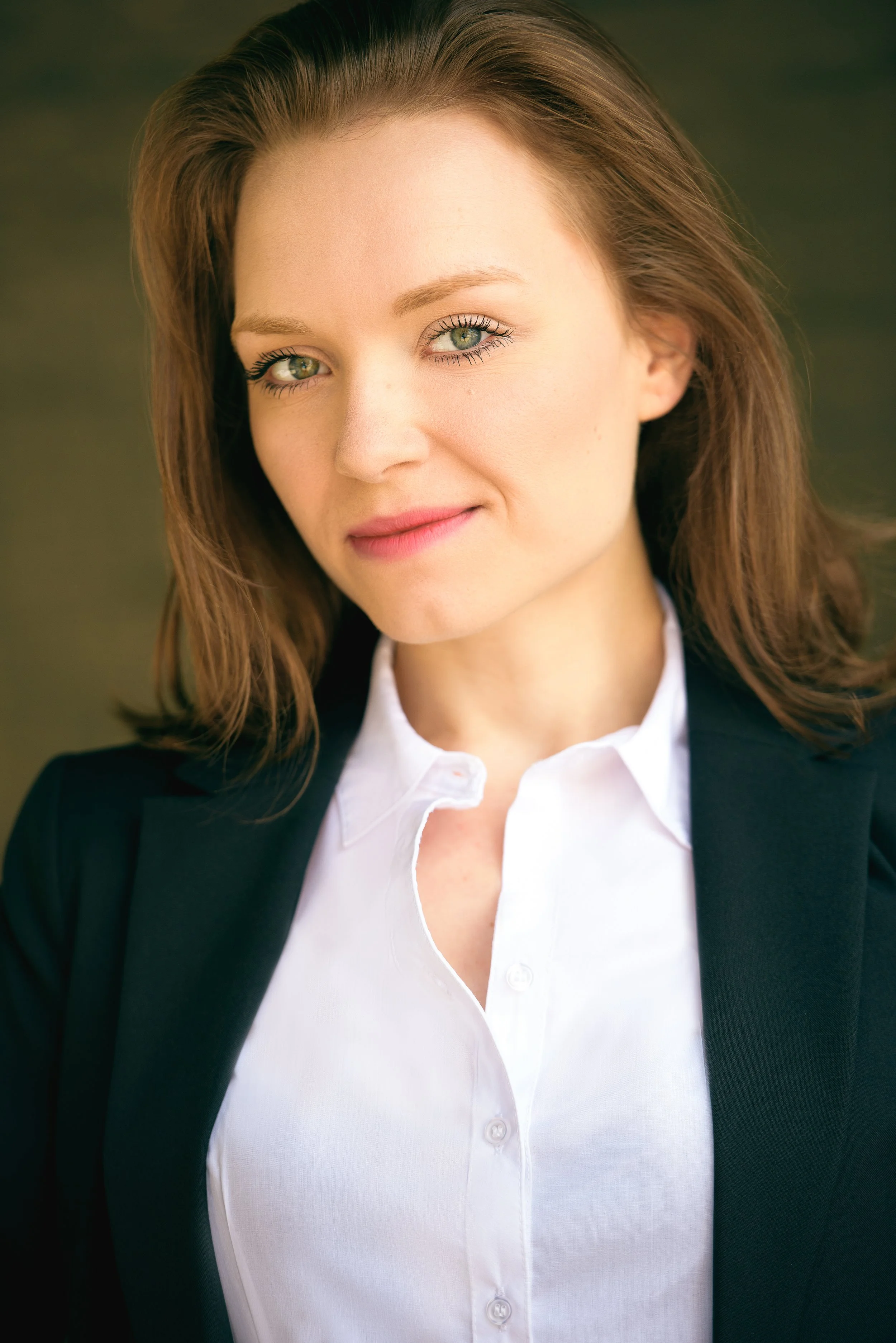
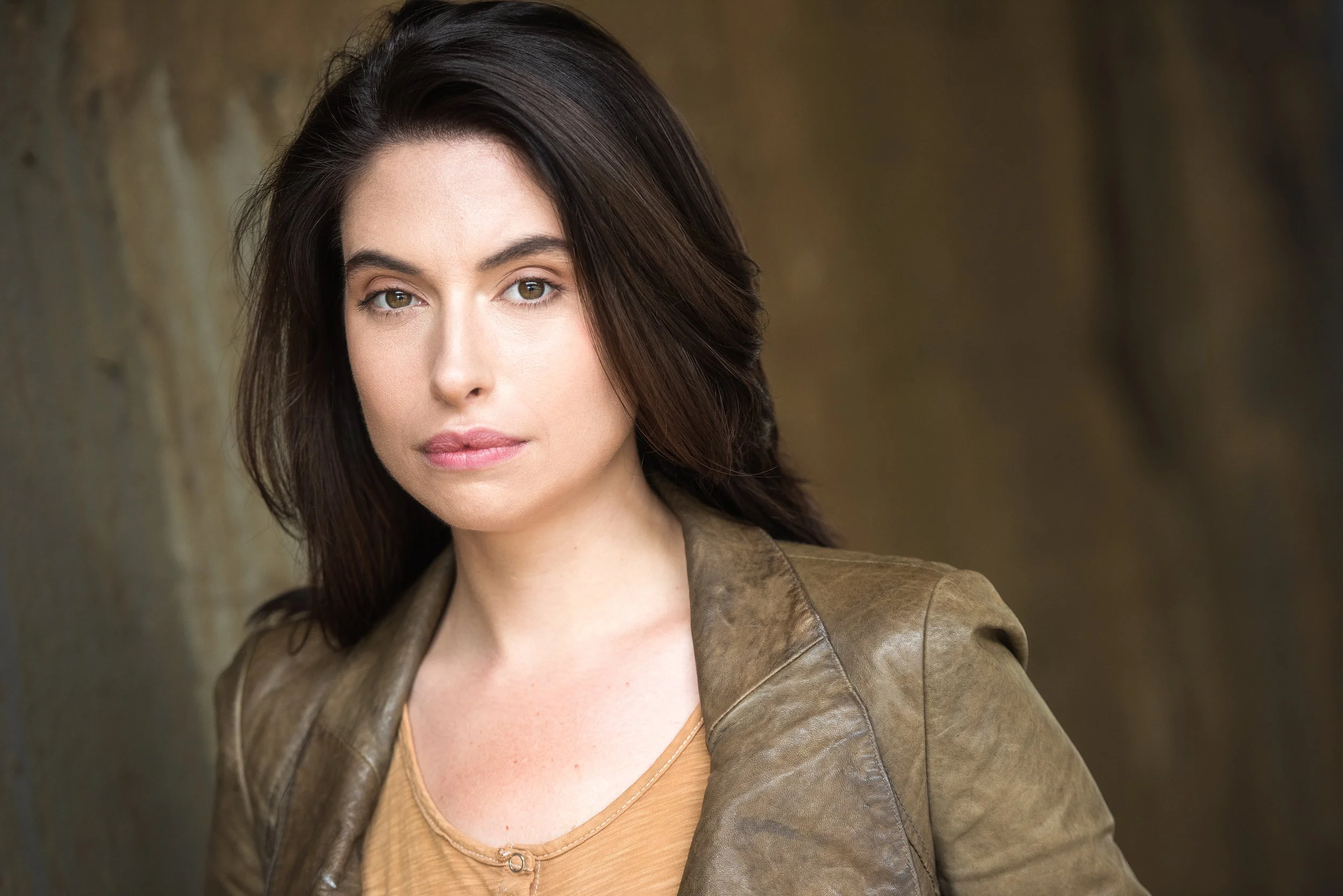
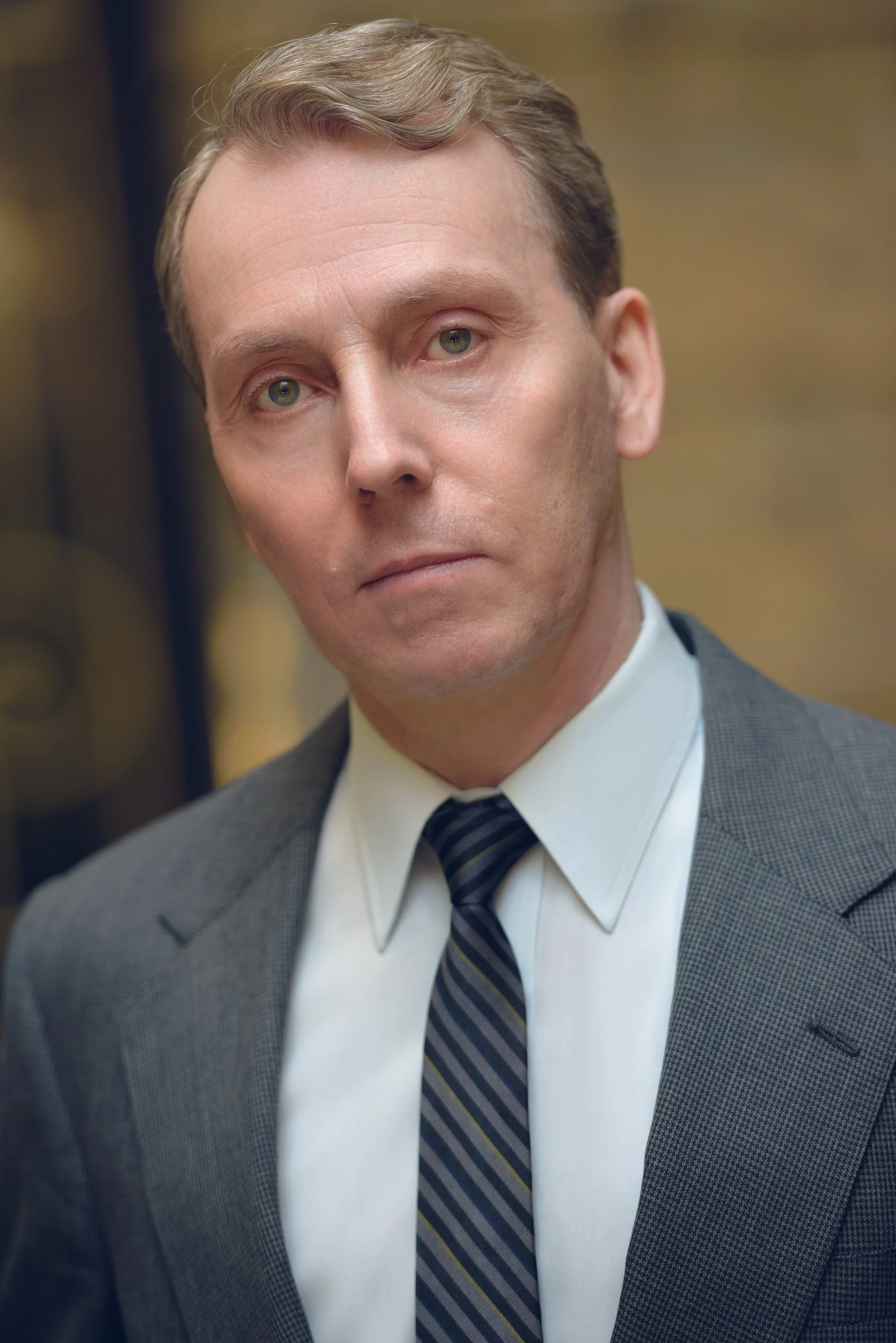
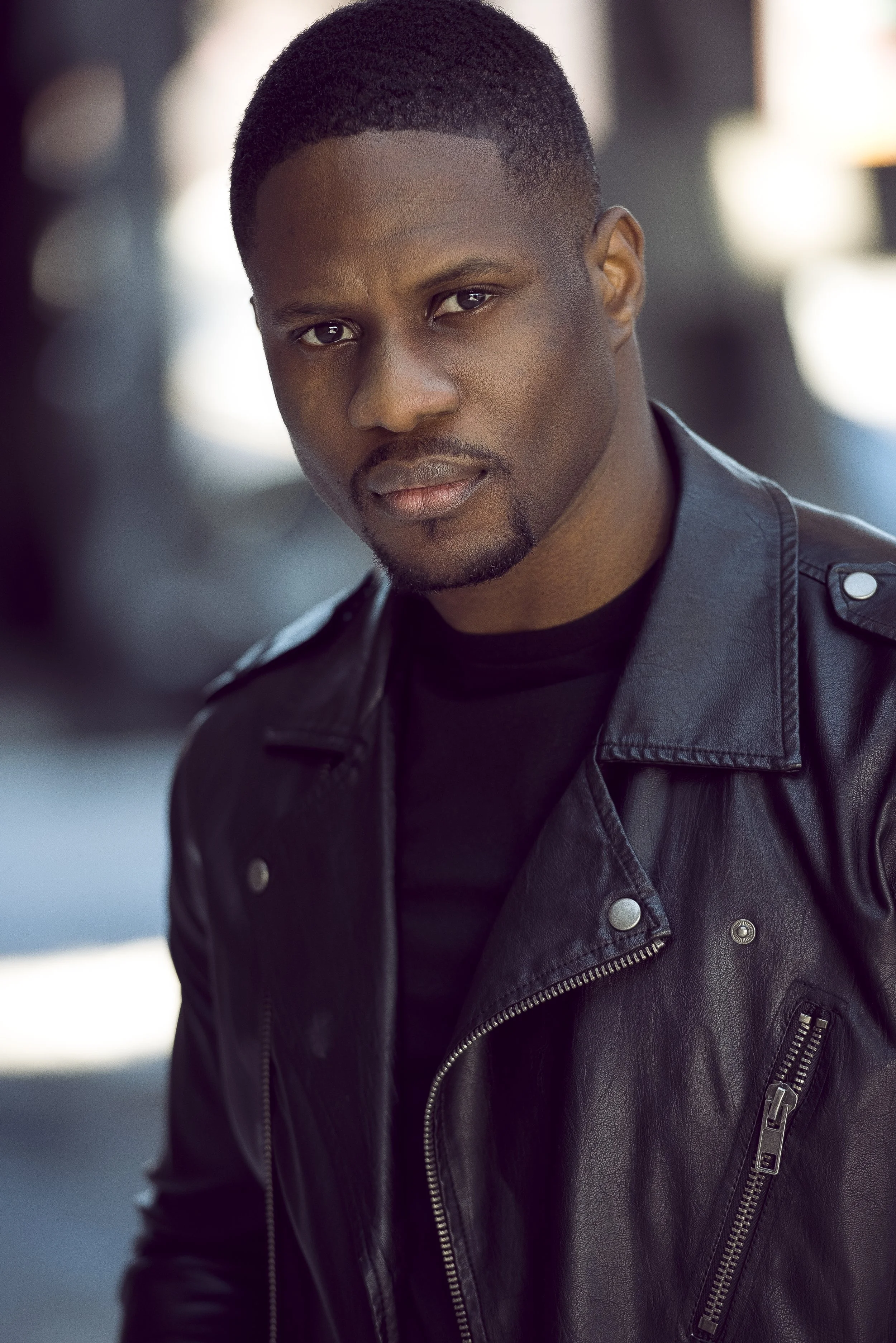
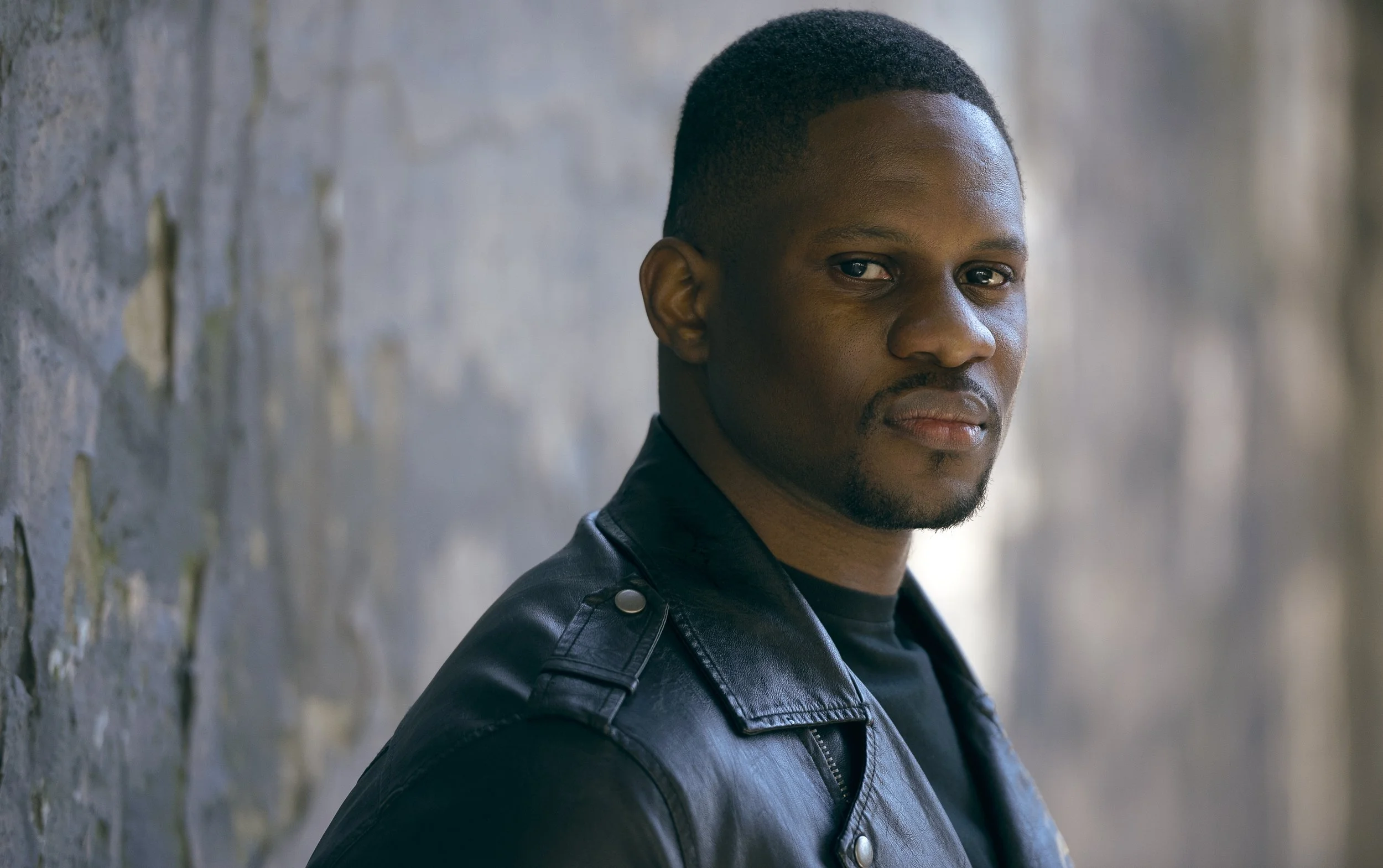
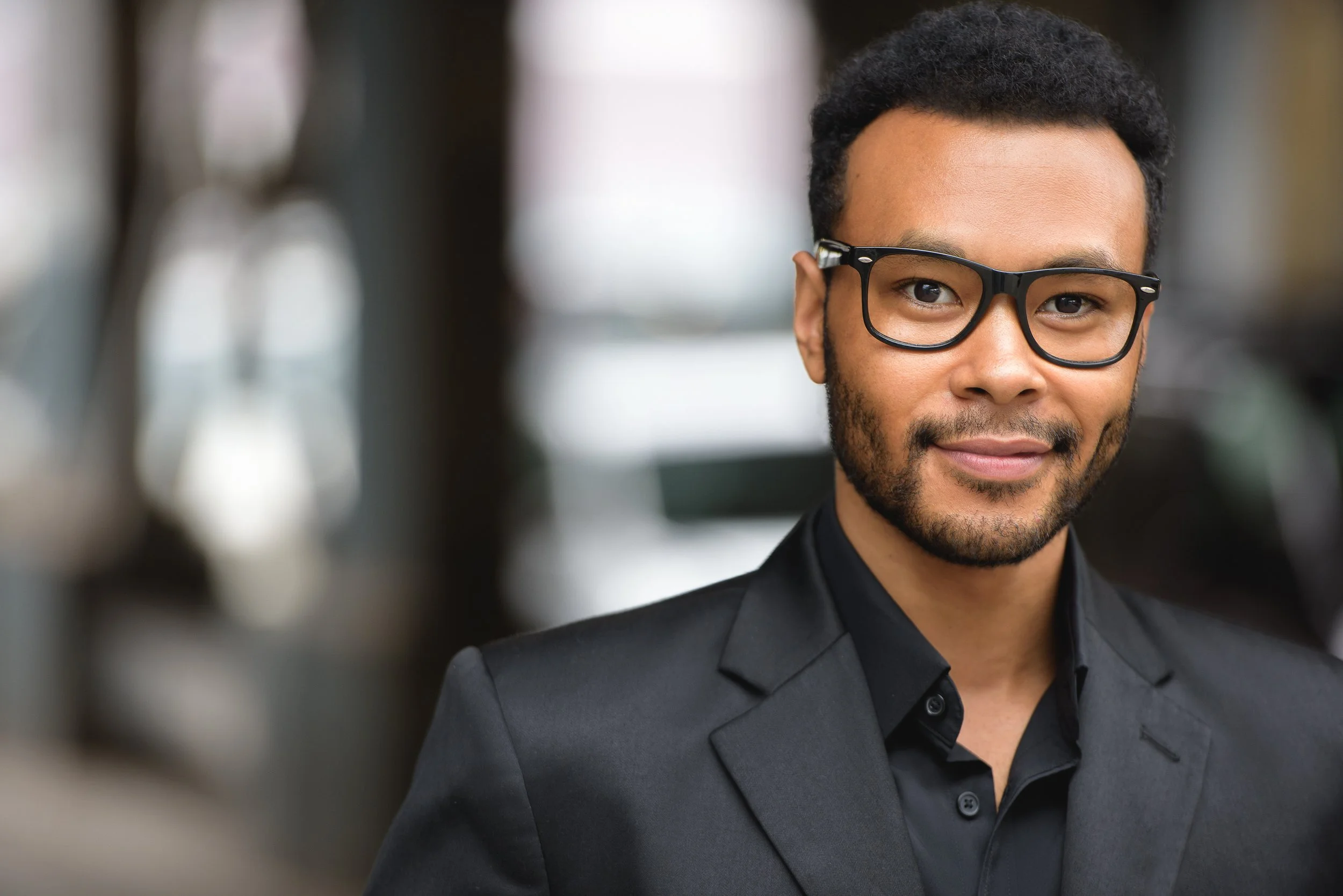
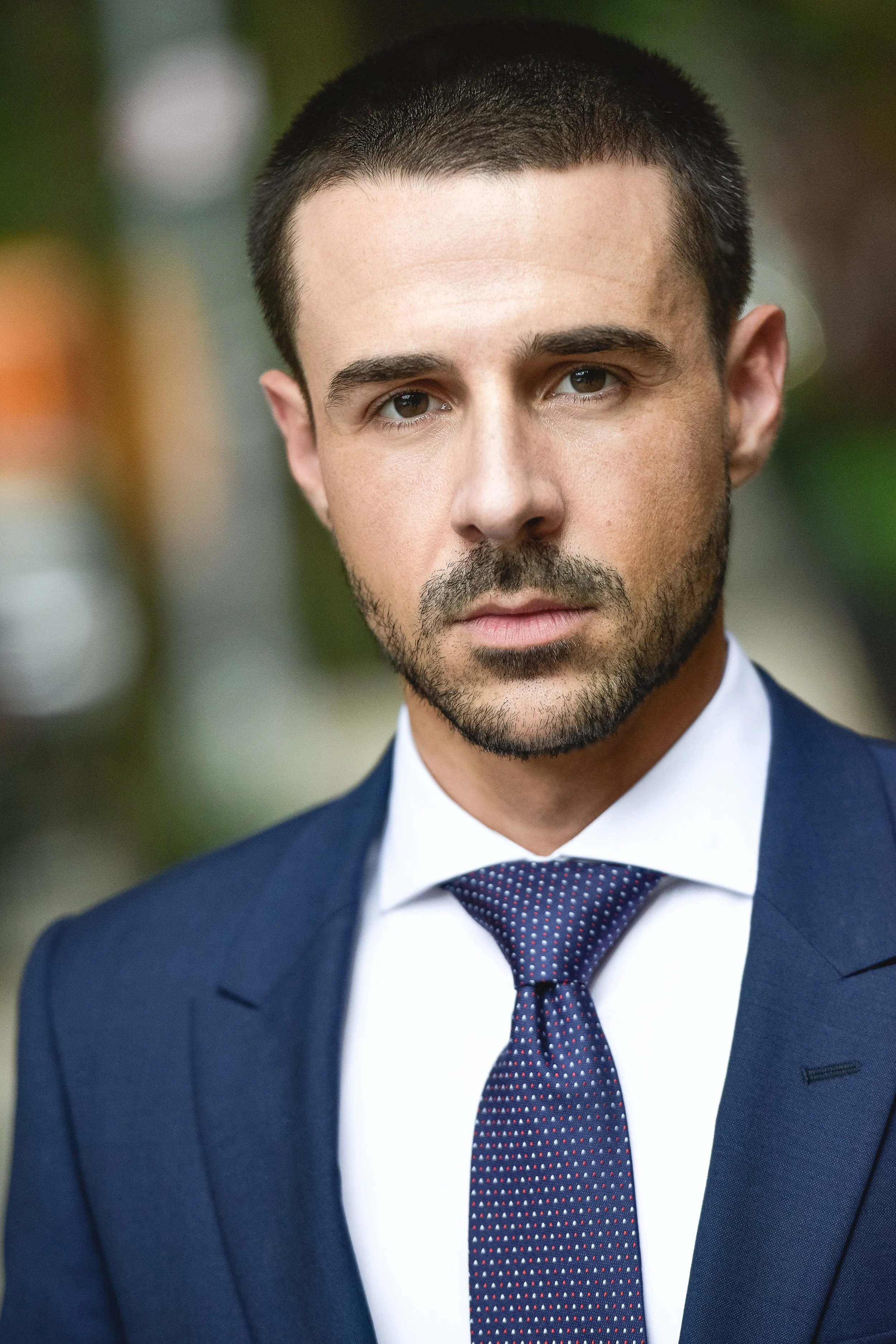
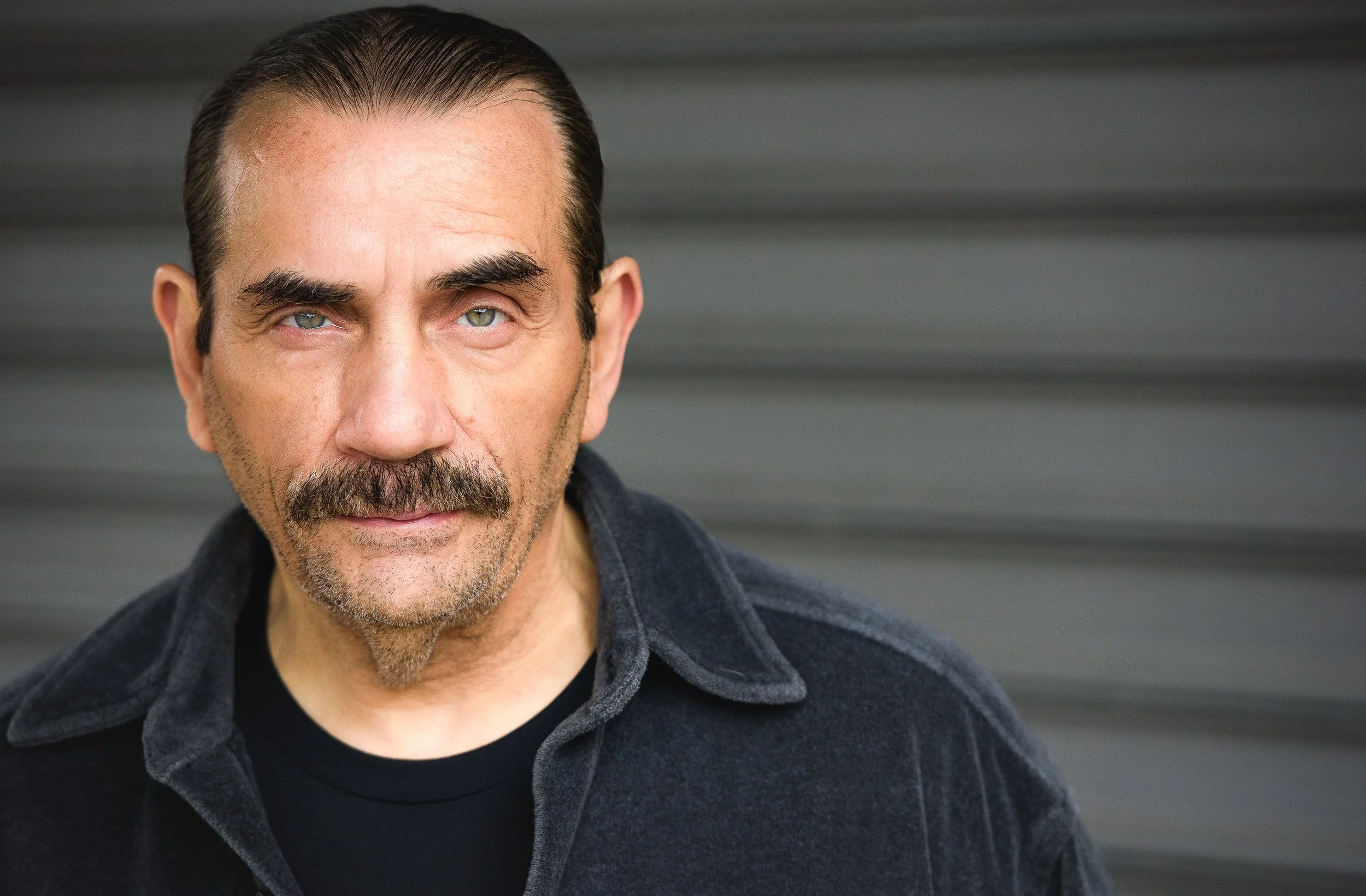
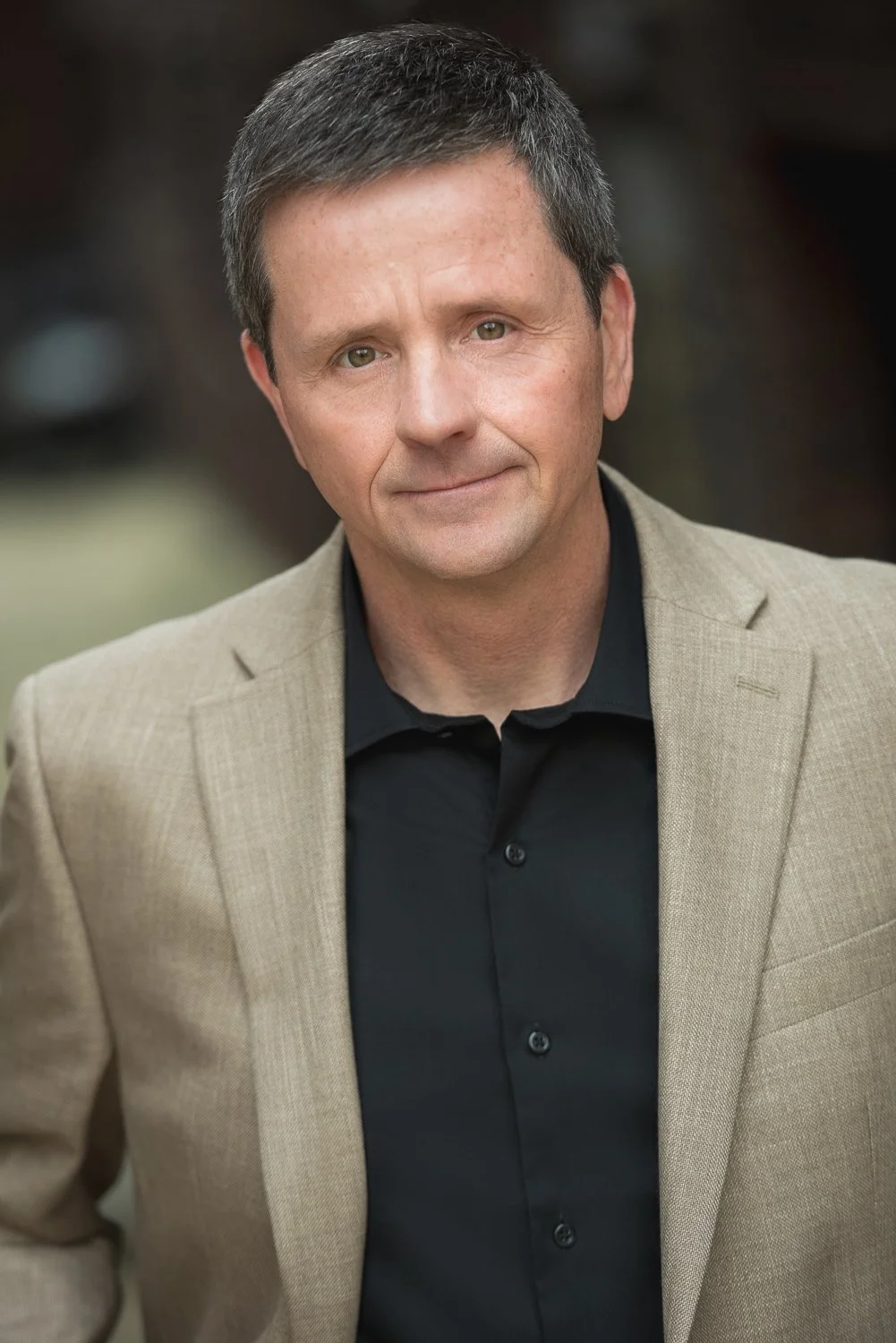
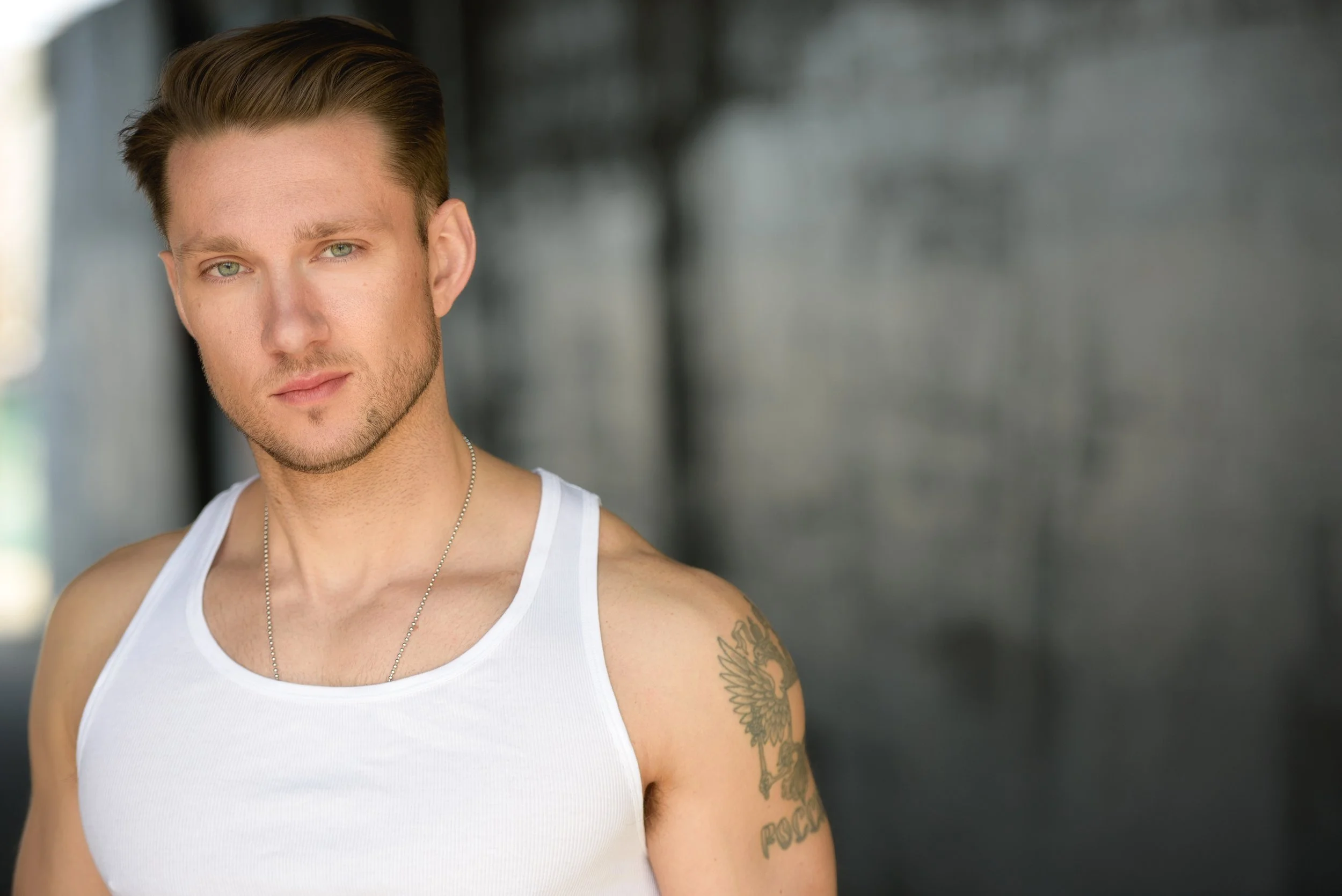
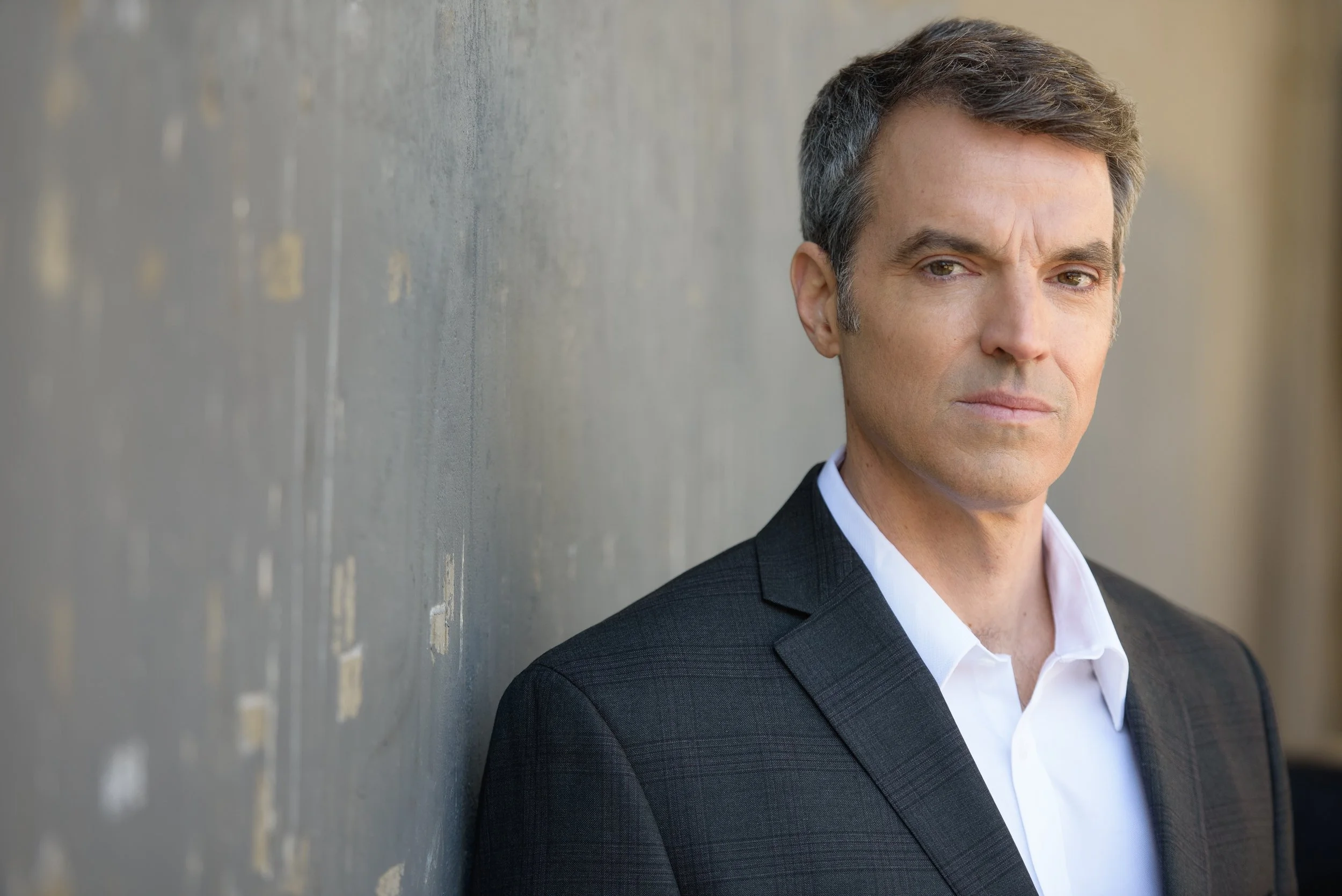
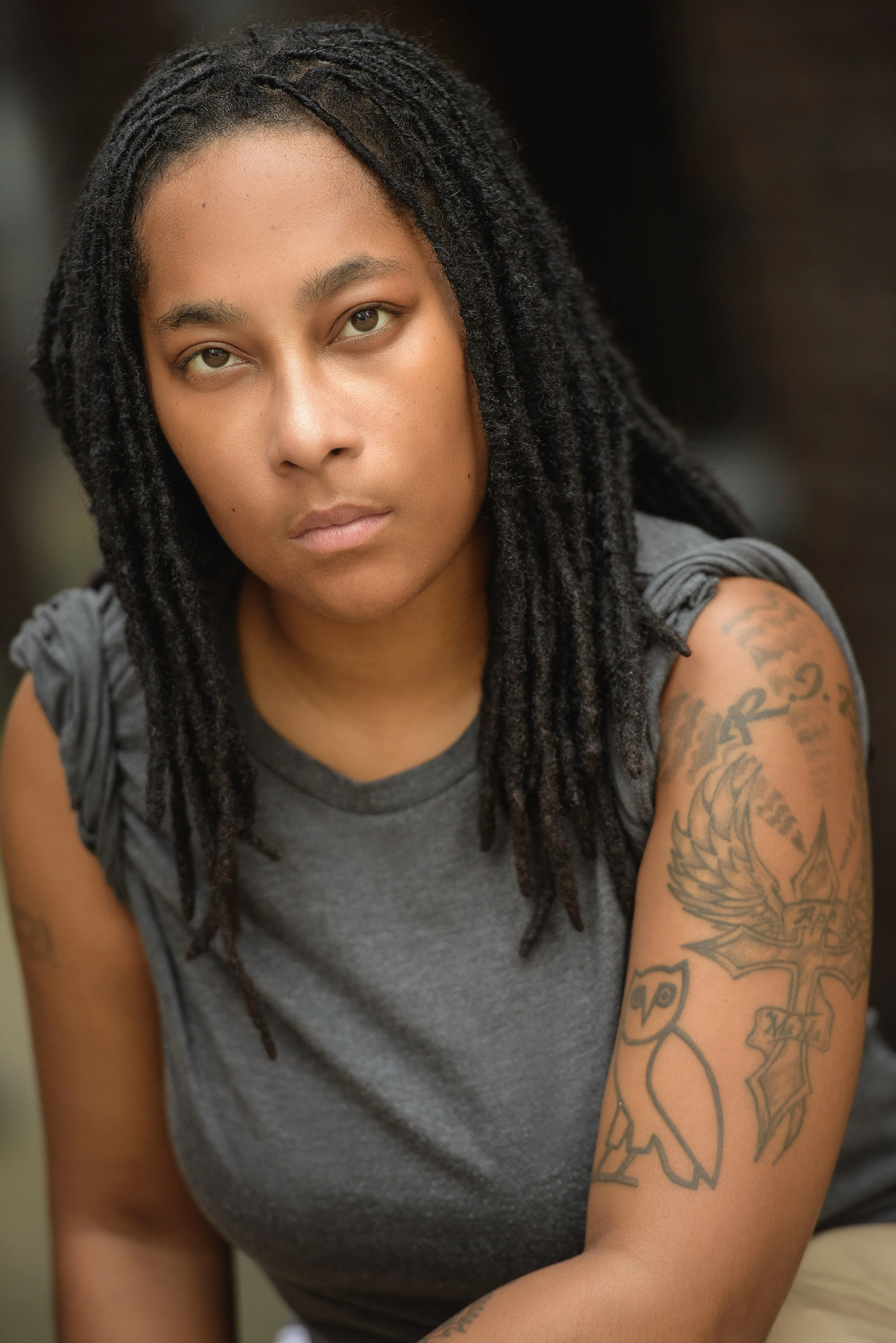
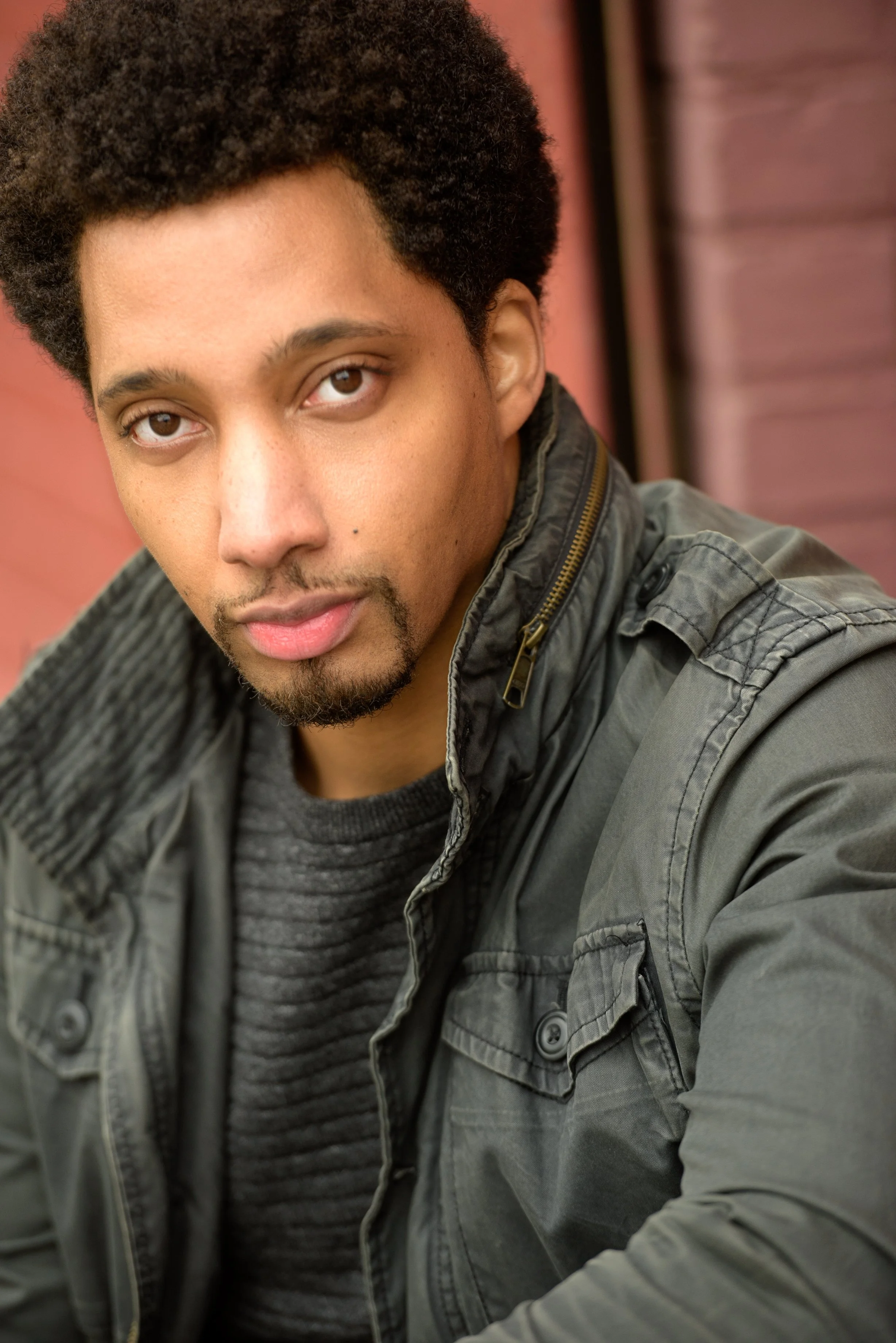
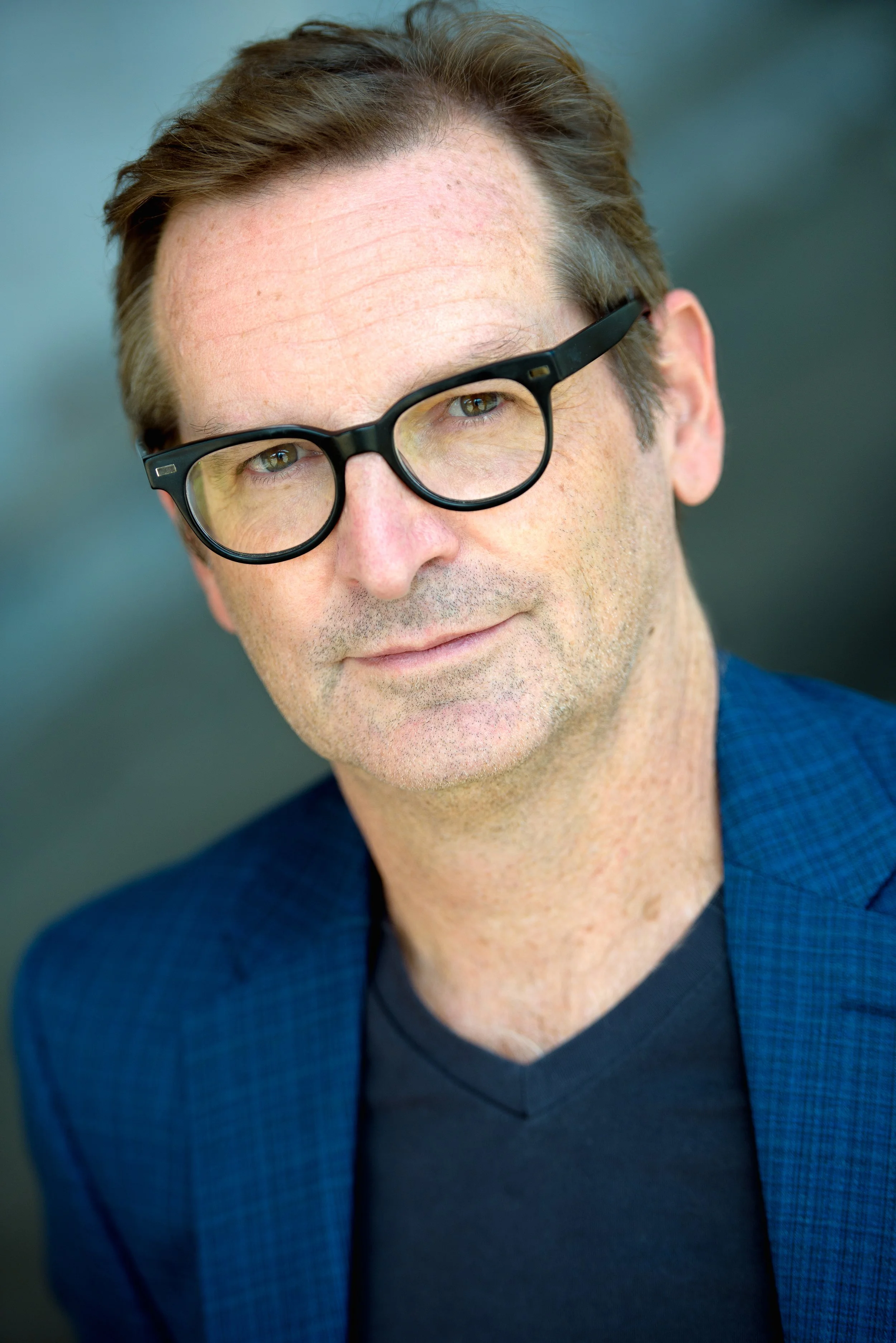
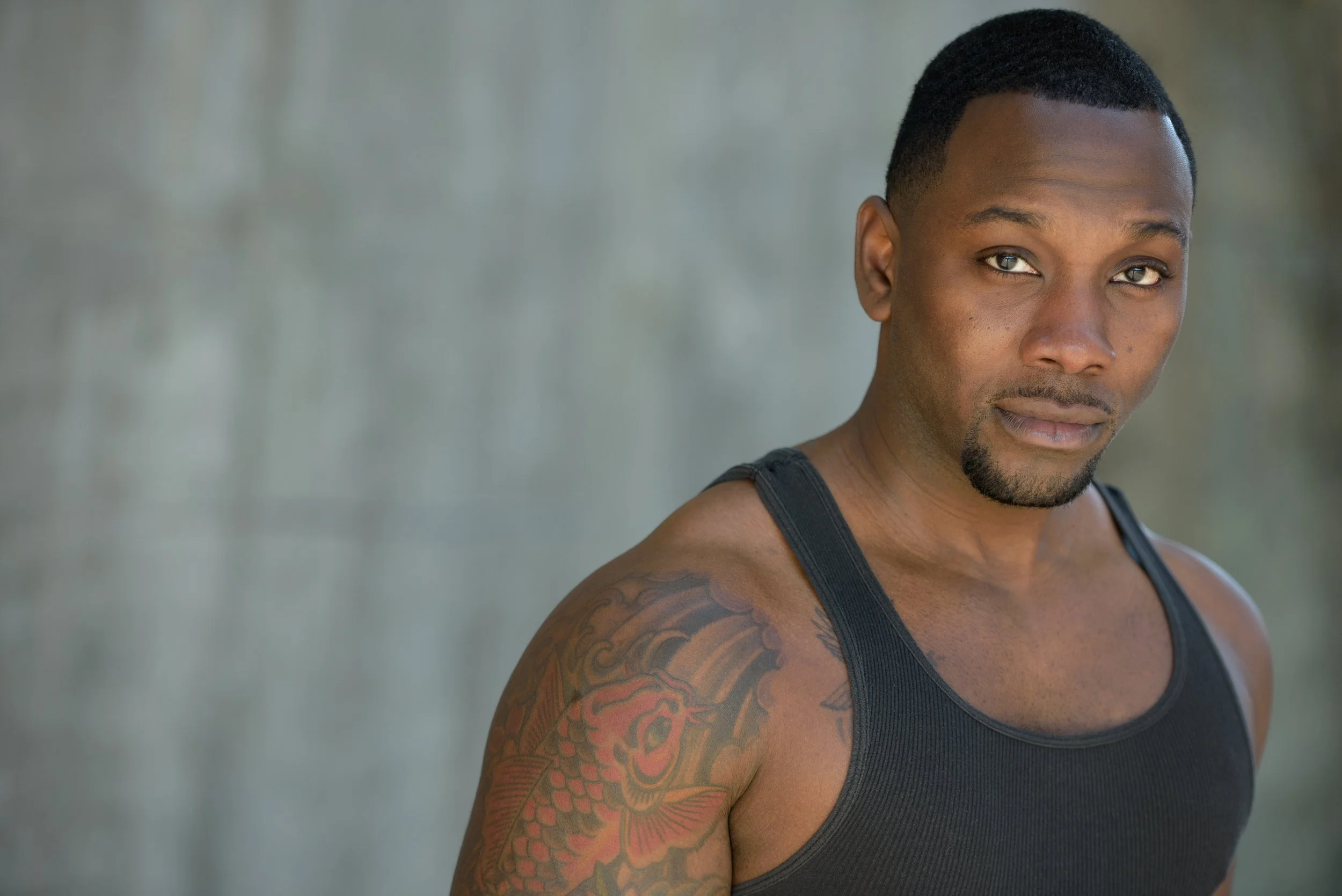
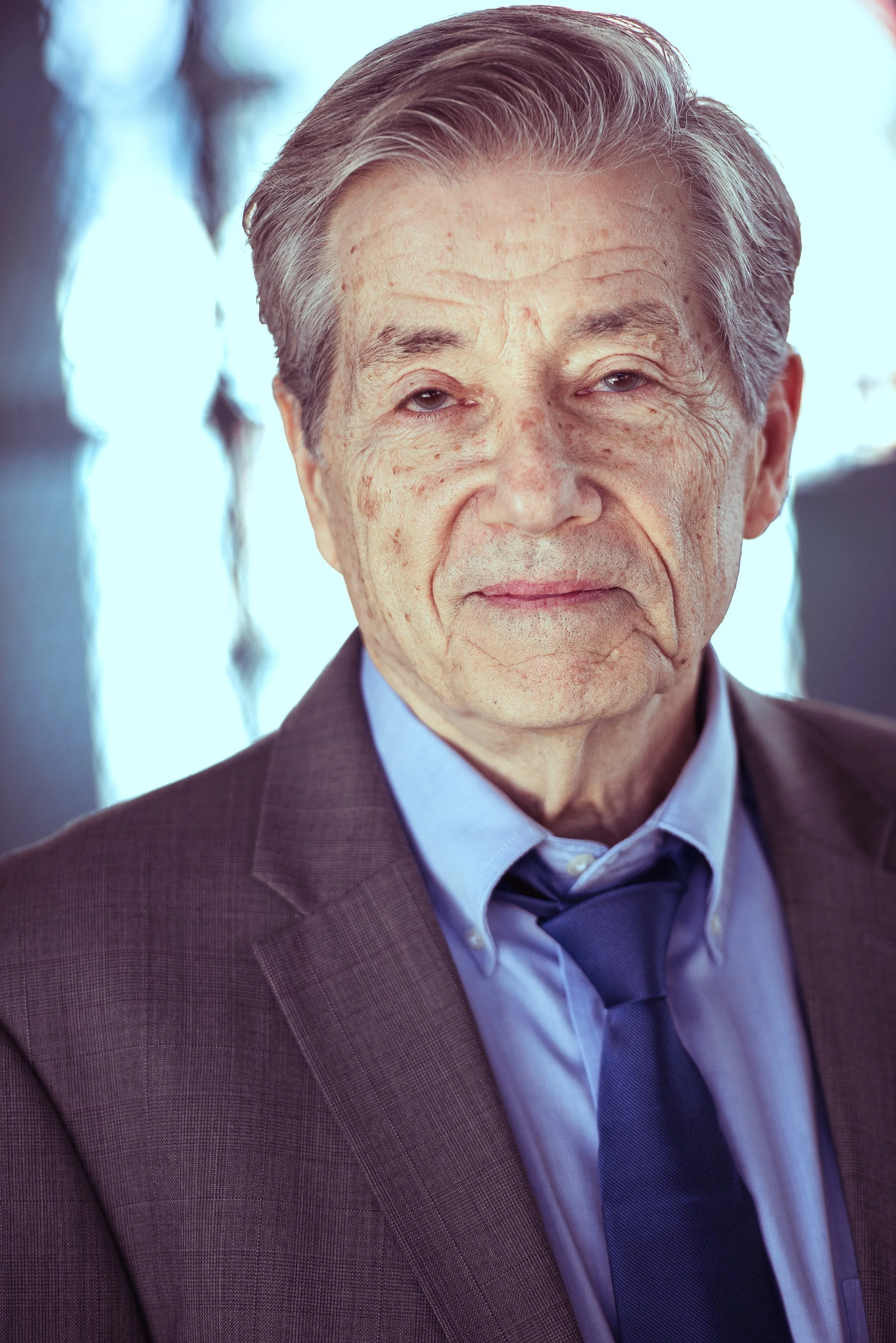
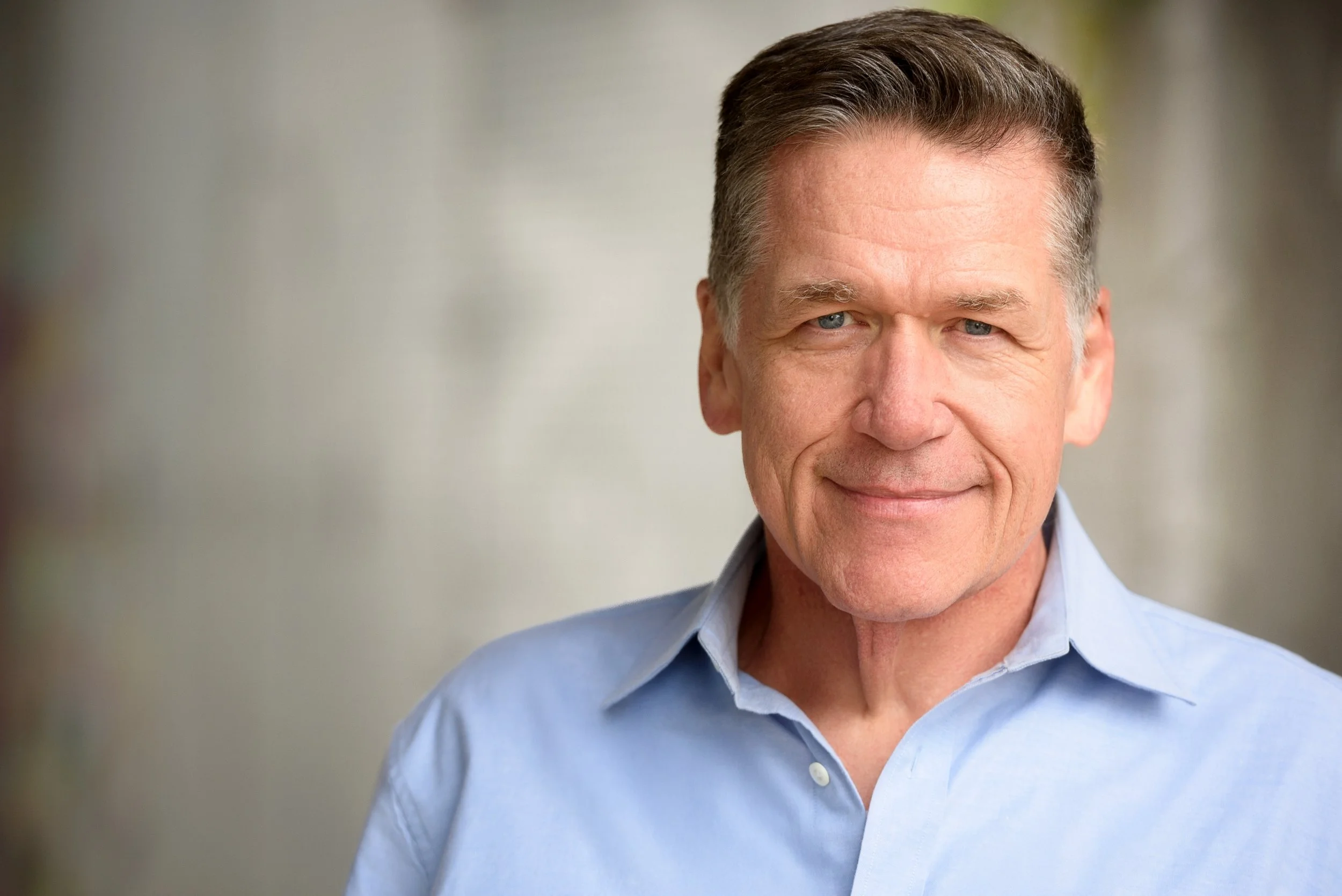
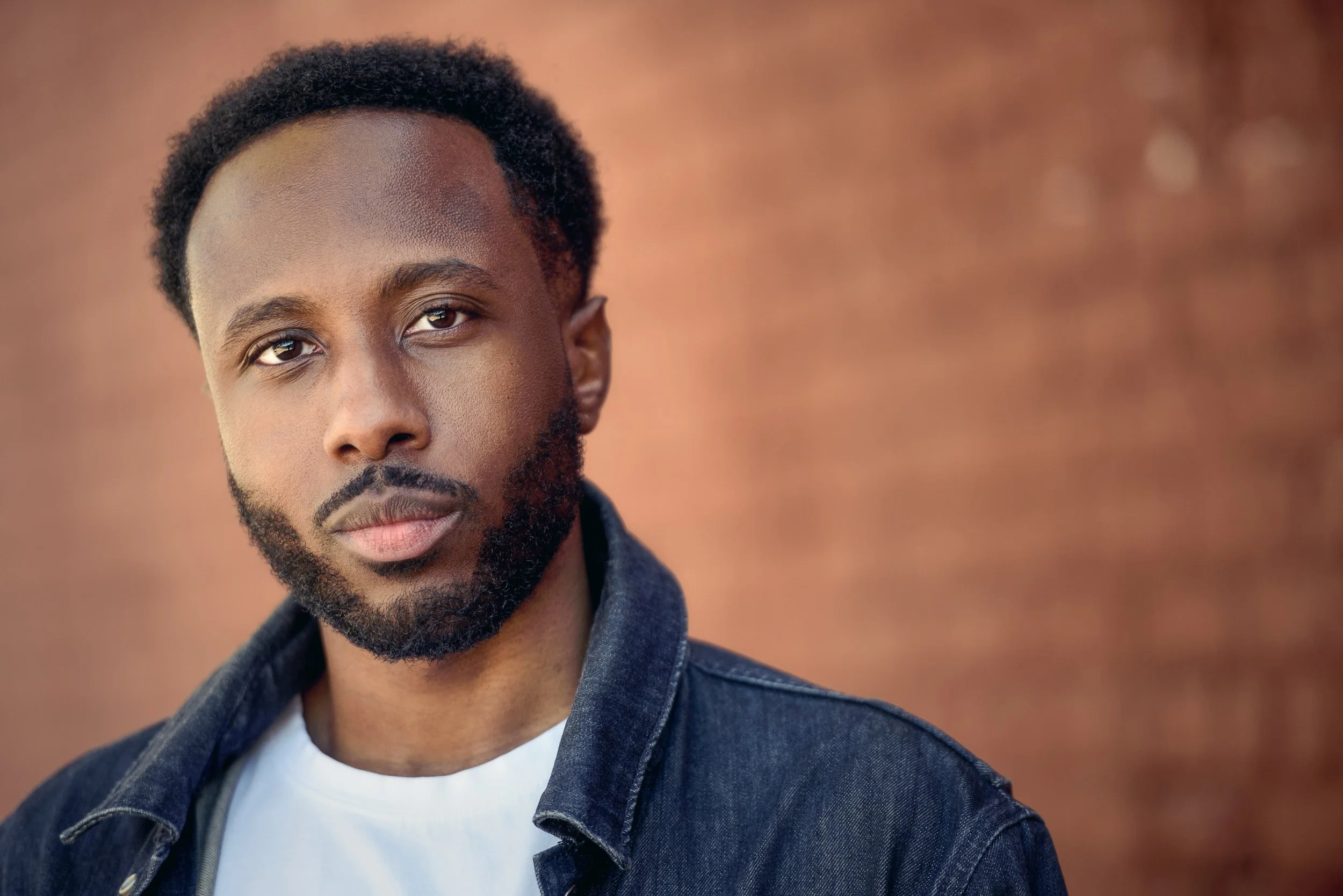
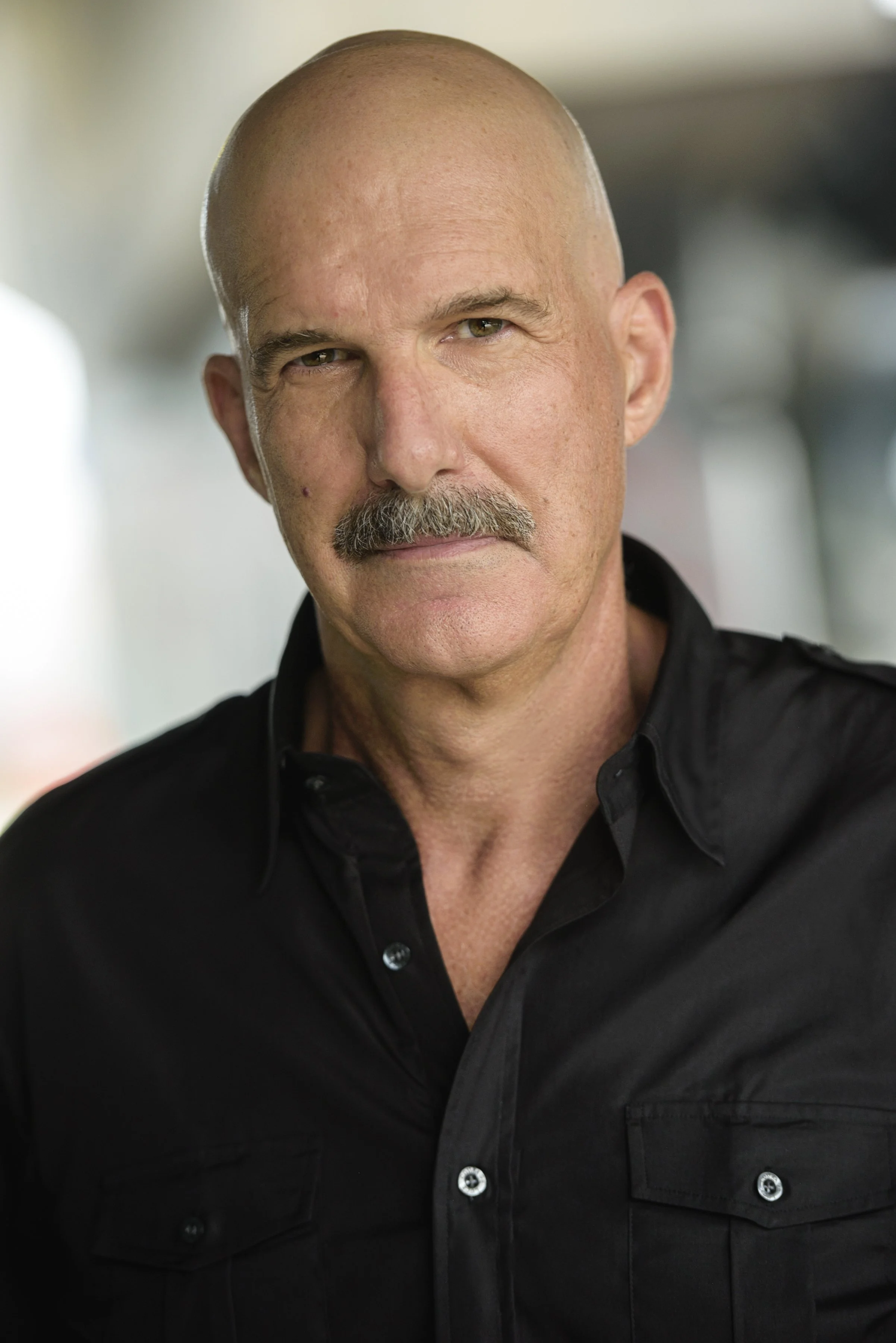
A great crime show headshot doesn’t say “actor.”
It says “this person could exist in this story.”
The Roles That Actually Book
Actors often aim too high or too vaguely. Let’s get specific.
Guest Star & Co-Star Roles
These are everywhere.
Victim’s spouse, sibling, or parent
Lead witness with crucial information
Murder suspect with layered motivation
Defense attorney or ADA
Undercover operative or CI
Medical examiner, forensic analyst, ER doctor
These roles live and die on trust. Casting needs to believe you immediately.
Recurring & Elevated Roles
Often introduced mid-season.
NYPD lieutenant or FBI supervisor
Journalist or news anchor
Political figure or city official
Therapist, professor, or cult leader
Club owner, real estate developer, or crime-adjacent professional
Your headshot should suggest authority or access, not range.
When I say a crime show headshot should suggest authority or access, I’m talking about how casting understands your relationship to the story.
Authority means your character has power, responsibility, or decision-making weight in the world of the show.
These are people others listen to or answer to.
Think:
Detective, lieutenant, or federal agent
ADA, defense attorney, or judge
Doctor, medical examiner, or forensic specialist
Supervisor, boss, or department head
Your headshot should quietly say: this person is trusted with responsibility.
Access means your character is close to the action, even if they don’t control it.
They know something. They saw something. They’re involved.
Think:
Victim’s spouse or family member
Witness or civilian pulled into the case
Journalist, activist, or community figure
Informant, CI, or crime-adjacent professional
Your headshot should suggest: this person belongs in the room where the story is unfolding.
Neither of these requires intensity or toughness.
They require believability.
Casting isn’t asking, “How dramatic is this actor?”
They’re asking, “Does this person make sense in this world without explanation?”
That’s what authority or access communicates in a single image.
What Your Crime Show Headshots Are Solving
A crime show headshot answers one core question:
“Can this person walk into this world and make sense immediately?”
That’s it.
It needs to communicate:
Age range
Energy level
Social position
Emotional availability
Not backstory.
Not personality quirks.
Not “look how many things I can play.”
Clarity beats versatility every time.
Styling Shortcuts That Work (and Why)
You don’t need costumes. You need signals.
Fabrics
Cotton, wool, denim, canvas
Nothing shiny or precious
Avoid anything that wrinkles aggressively
Colors
Navy, charcoal, gray, black, muted earth tones
White works when intentional and clean
Avoid loud patterns or high contrast prints
Necklines & Layers
Crew necks, henleys, button-downs, hoodies
Blazers for authority
Light jackets or overshirts for texture
Your clothes should feel like something someone put on to live their life, not to be photographed.
Researching Crime Shows the Right Way (Watch TV With Purpose)
This is where most actors miss the opportunity.
Watch shows that film in your area. Keep your phone handy.
When you see a character you could play easily, take a photo of them.
Pay attention to:
What they’re wearing
How styled or unstyled they are
What makes them feel believable
Do the same with commercials. Crime shows and commercials often share casting logic around trust and relatability.
Then go to your closet and build your version of what you saw. Not a copy. A translation.
Common Mistakes Actors Make With Crime Show Headshots
Trying to look “dark” instead of grounded
Over-styling hair and makeup
Chasing villain energy when you book civilians
Using theatrical or overly expressive shots
Submitting headshots that don’t match your actual age range
Crime shows reward consistency. Casting wants to know what they’re getting.
The Long Game
Actors build careers by getting known for what they do well and easily.
When casting recognizes you as someone who consistently delivers in a specific lane, they become more willing to explore you in others. That trust doesn’t come from range. It comes from repetition and reliability.
When headshots are clear, honest, and aligned with what’s actually casting, they stop being a question mark and start becoming a calling card.
If you want to go deeper into how I approach headshots for working actors and how we plan your looks before we ever shoot, you can explore the actors page.