
How to Choose Wardrobe for Actor Headshots in NYC?
Choosing wardrobe for actor headshots in NYC starts with leaning into the kinds of roles you naturally play well. The clothing helps casting immediately picture you in their world.
If you’ve ever searched “How do I choose wardrobe for actor headshots in NYC?” you’re not alone. It’s one of the most common questions actors ask before a shoot, and for good reason.
Wardrobe does a lot of the storytelling in a headshot.
Before casting ever clicks on your photo, they’re already getting information from it. Clothing helps them understand the world you might live in, the kind of roles you could walk into, and the tone of the characters you might play.
When wardrobe is working well, casting can look at your photo and quickly imagine where you belong in a story.
Since most submissions begin with a quick scan of thumbnails, those signals matter more than people realize.
Start With Casting, Not Your Closet
When actors start thinking about wardrobe for actor headshots, the instinct is usually to start digging through their closet and drawers looking for something that might work.
A better place to start is with casting.
Think about the roles you’re closest to booking right now on the shows that are filming here in New York (or whatever market you’re in, really). Not every possible character you could ever play. Just the worlds where casting can most easily imagine you today.
In New York, that might include areas like:
blue collar or working class
corporate or authority roles
medical or professional
creative or intellectual types
offbeat or comedic characters
period or theatre-adjacent roles
Most actors do best with three or four clear looks that help casting place them in recognizable worlds.
Your clothing supports those stories.
A Small Hack: Watch TV With Purpose
Here’s a little trick I often suggest to actors.
Watch TV with purpose.
Pay attention to the shows filming in your area and the kinds of roles that show up on them. Notice what people are wearing.
And don’t skip the commercials.
Commercials are full of wardrobe choices casting responds to. Lawyers, teachers, parents, doctors, tech workers, blue-collar characters. All of it shows up there.
When you see someone who shares your coloring, look, or general vibe, snap a photo of the screen with your phone.
You’re not copying the actor. You’re collecting reference points. A sort of vision board or inspo wall.
Over time, you’ll build a small library of images that show the kinds of worlds you naturally fit into. Those references can be incredibly helpful before you go raid your closet.
Sometimes the best ideas come from simply paying attention to what’s already working on screen.
Wardrobe Signals Character
Casting directors read a surprising amount from small wardrobe details.
A structured blazer communicates something different than a soft sweater. A worn henley suggests something different than a crisp button-down.
Even fabric texture changes how a character reads.
For example:
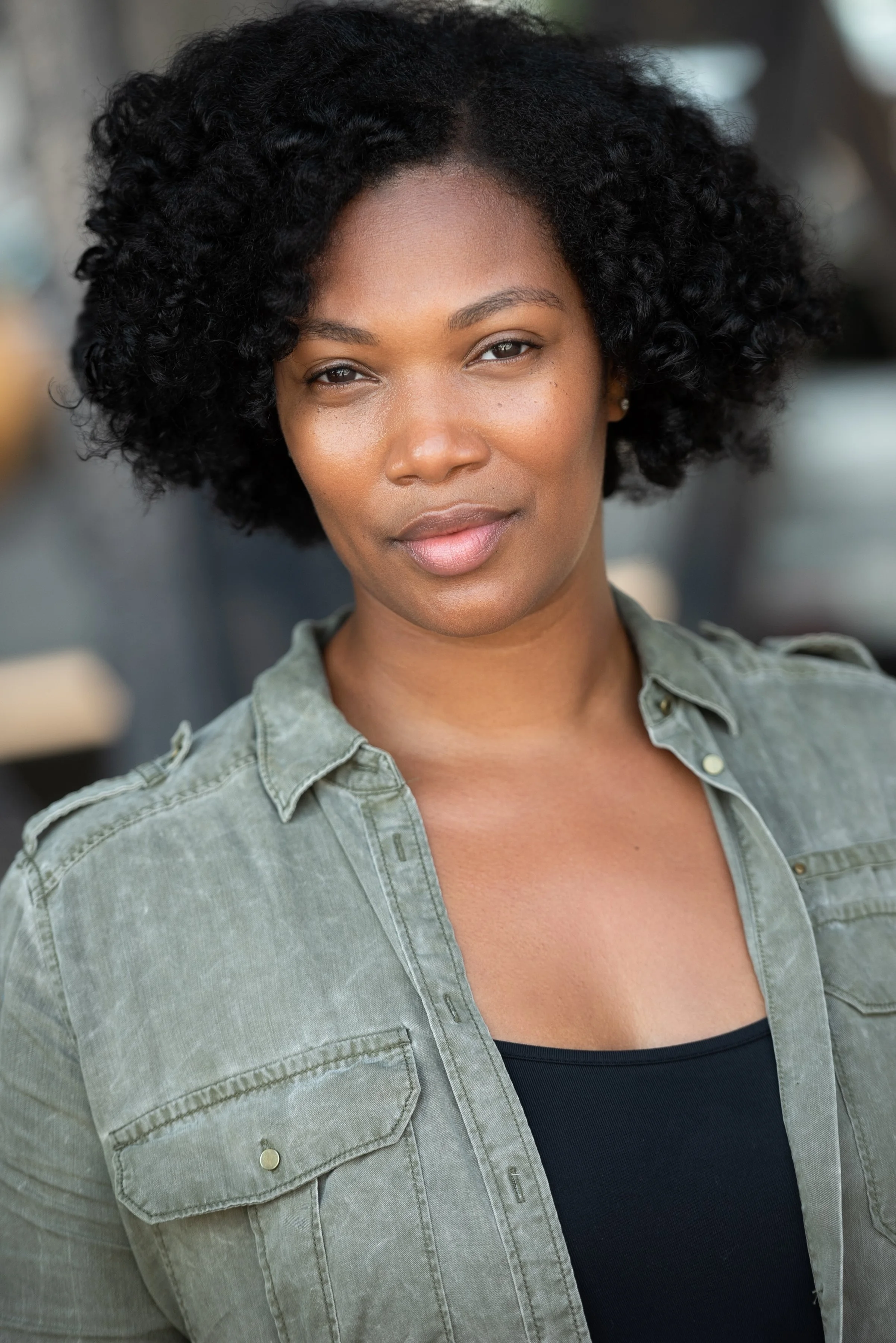
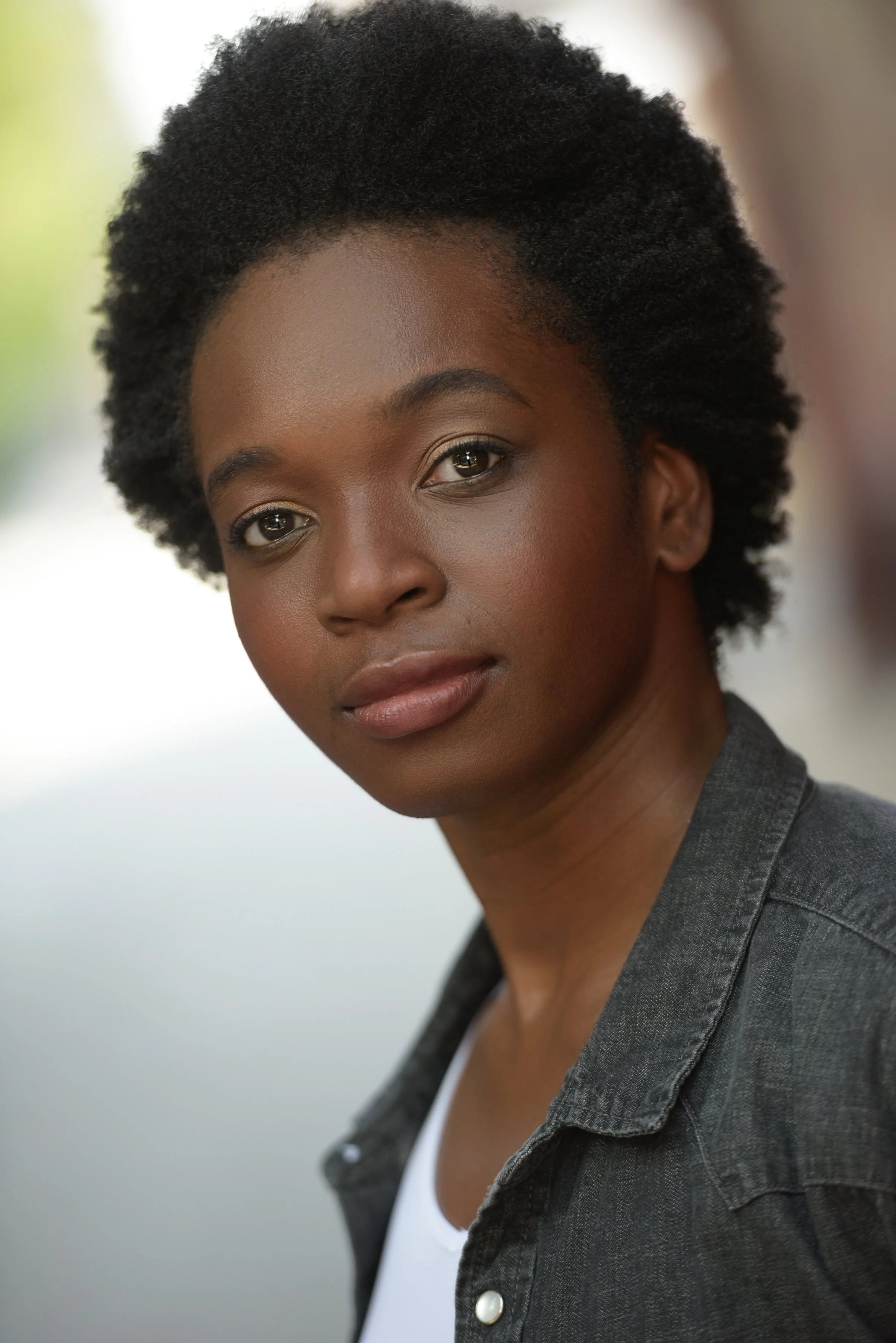
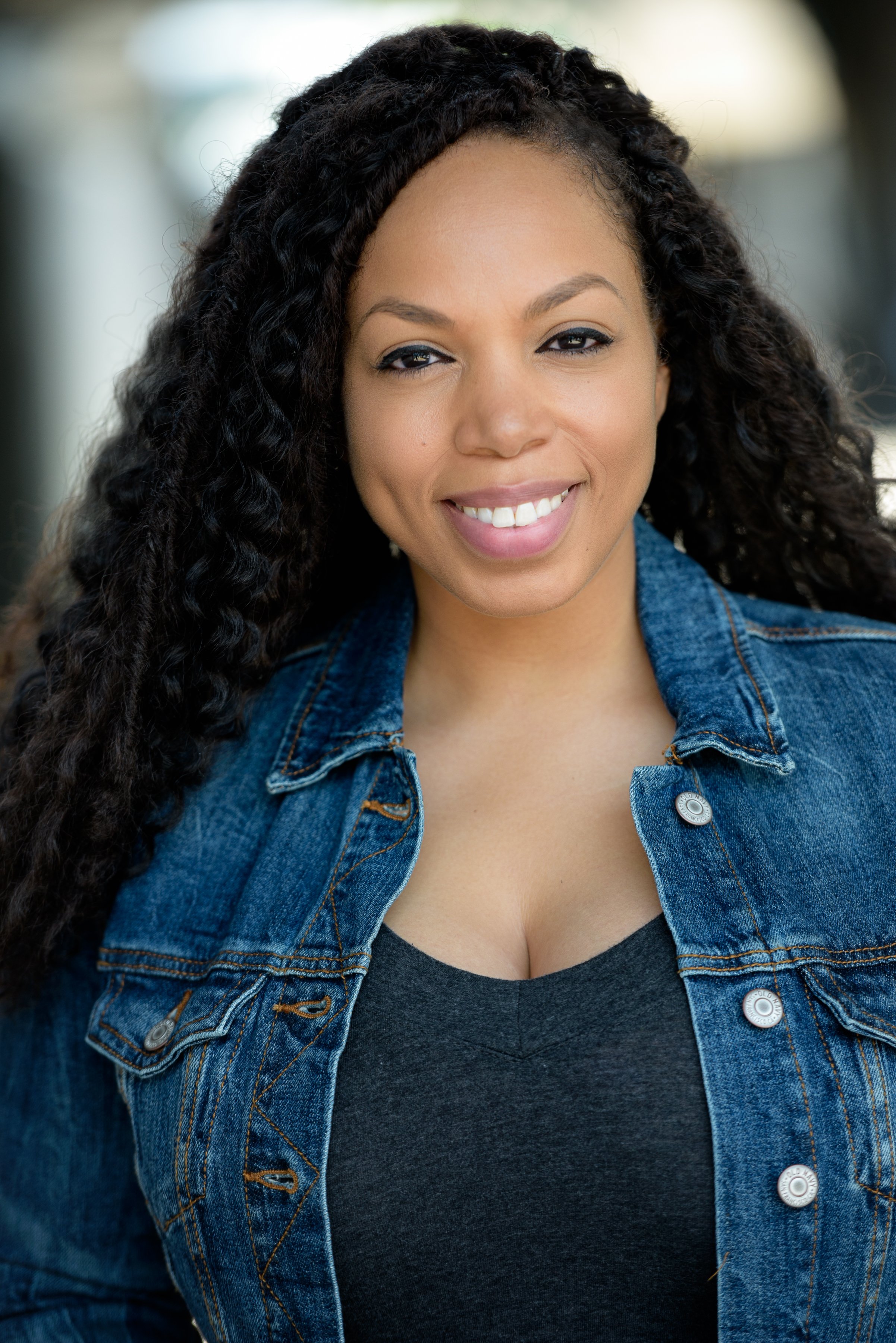
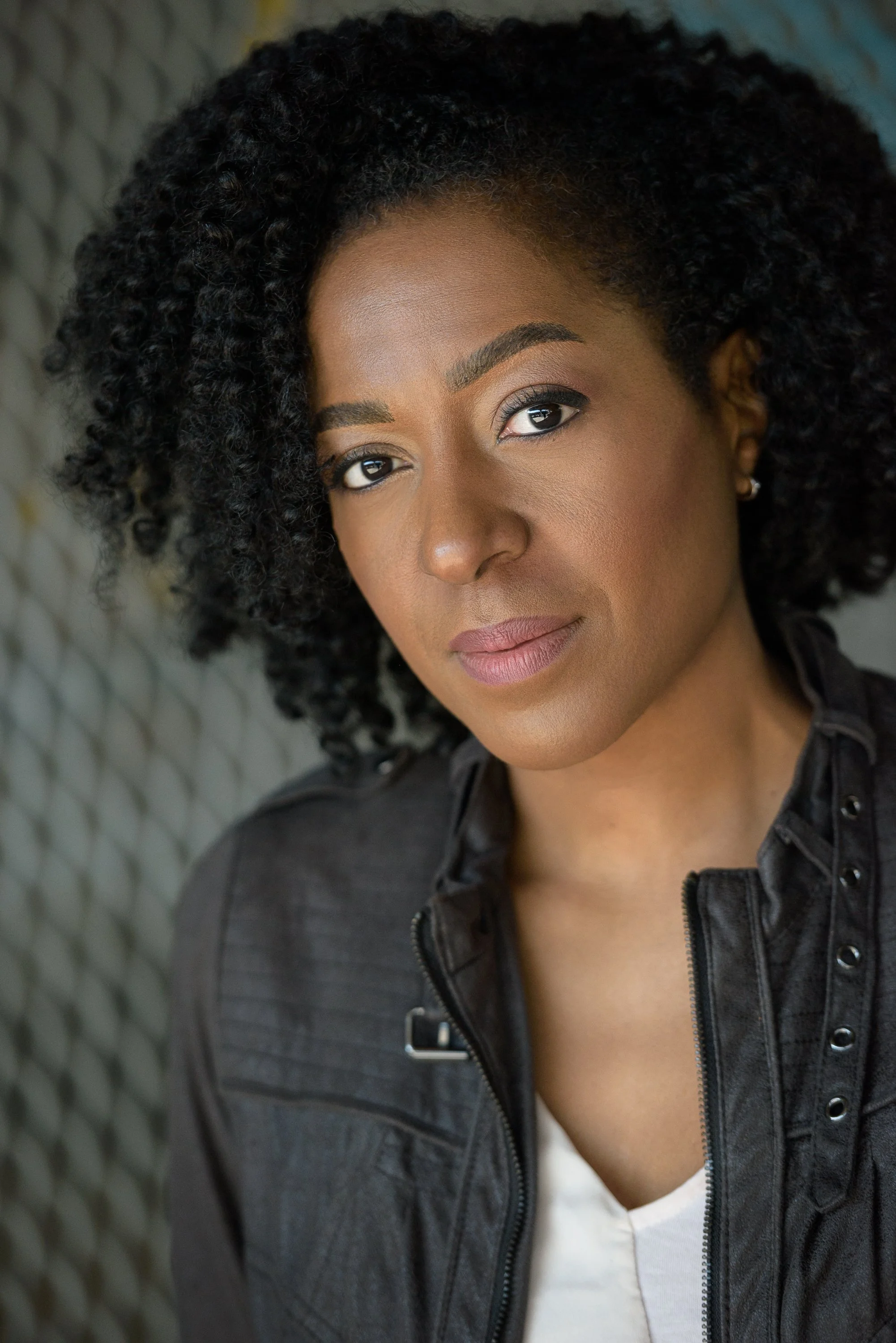
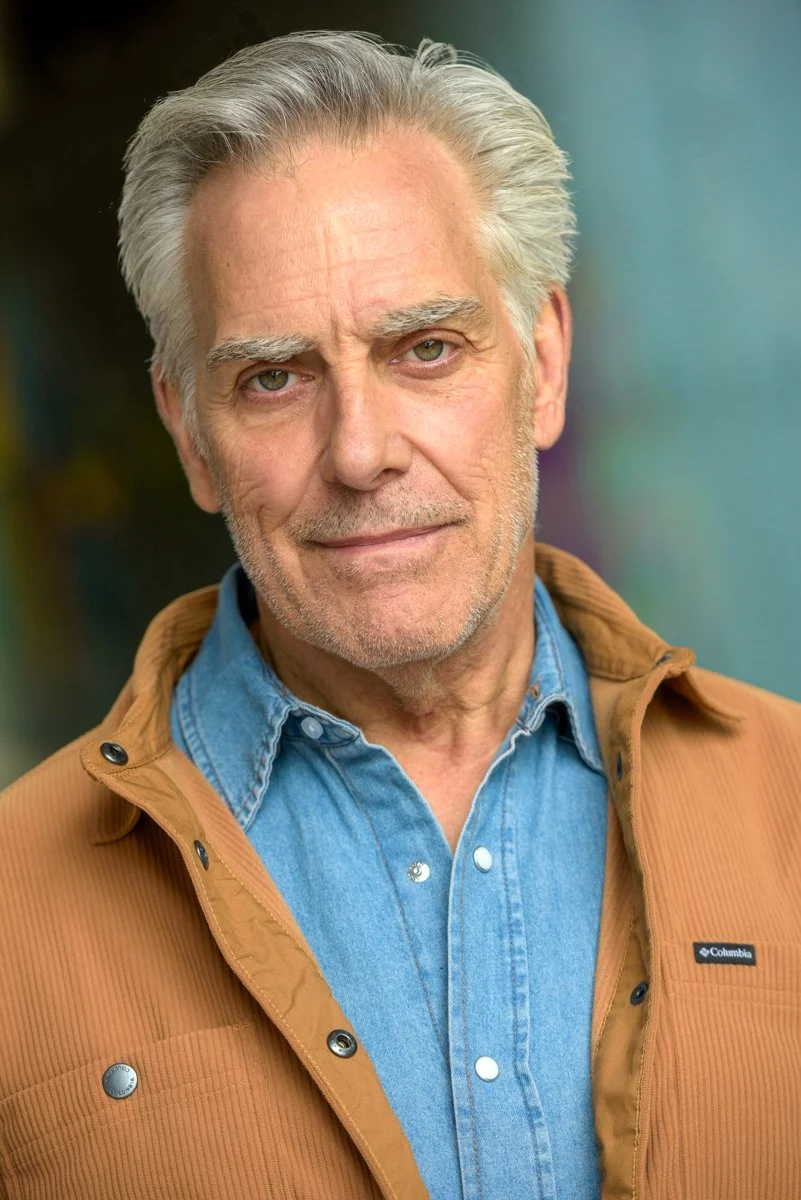
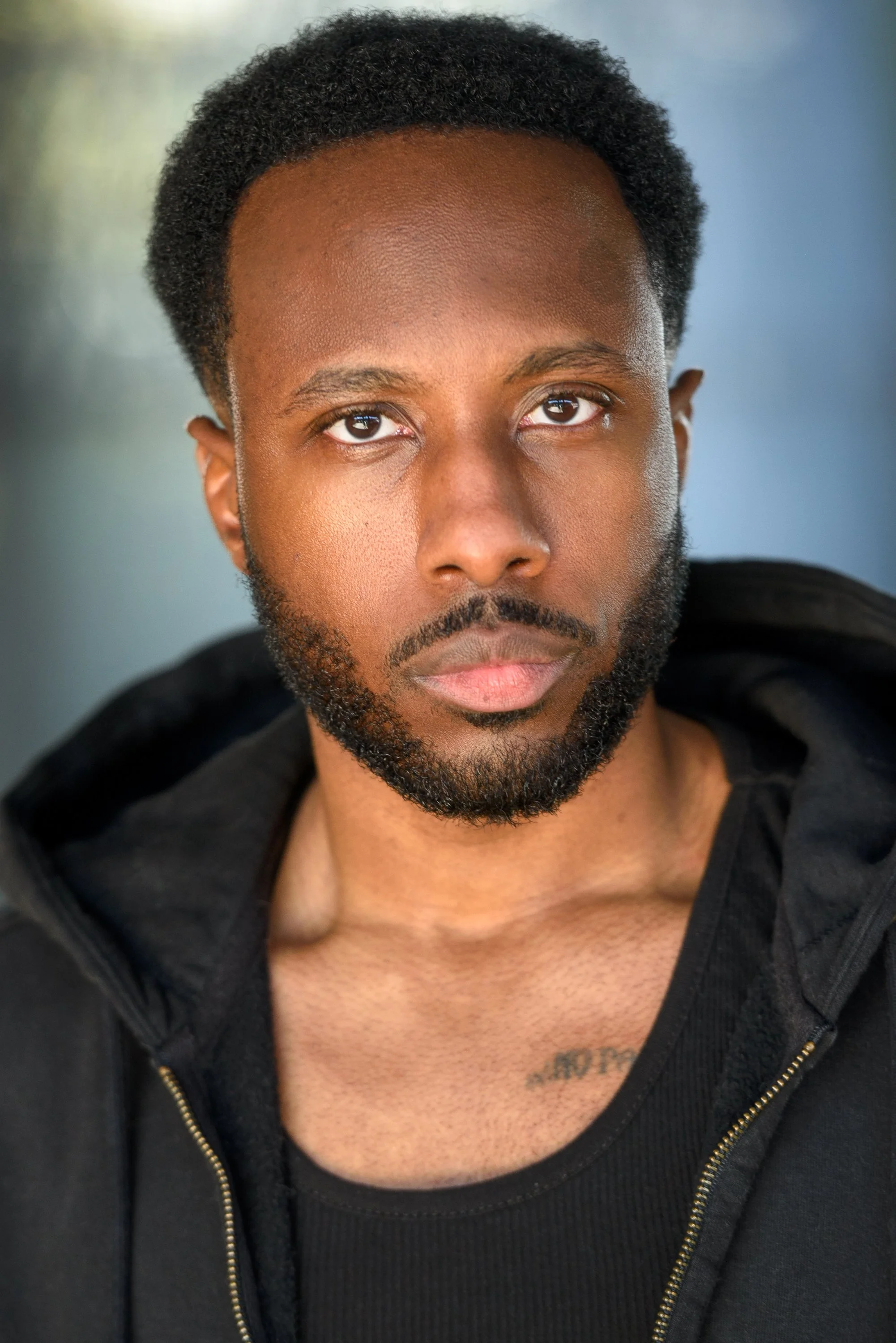
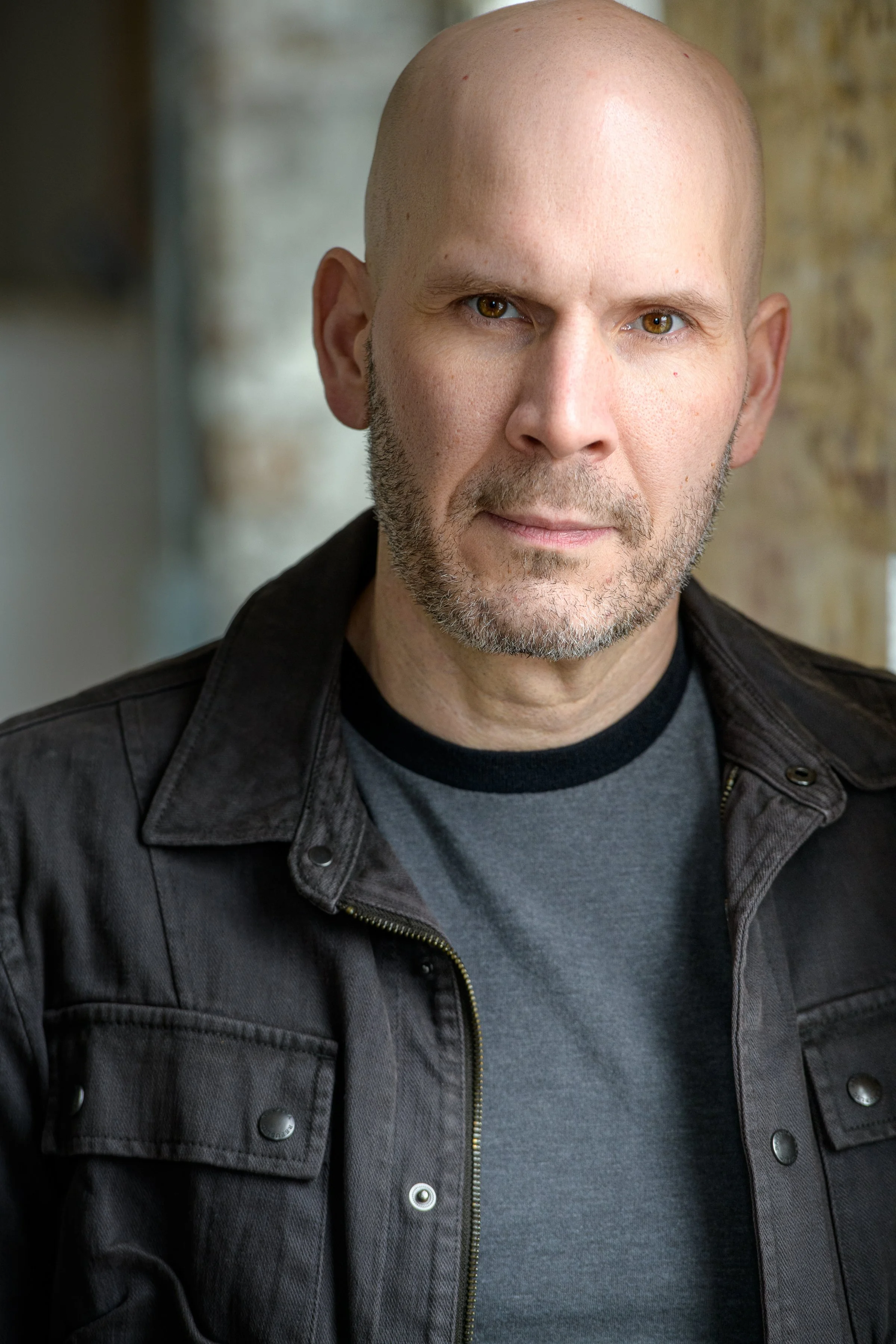
Blue Collar or Grounded Characters
These are the kinds of characters who show up in procedural dramas, crime shows, and grounded working-class stories.
Wardrobe might include:
henleys
work shirts
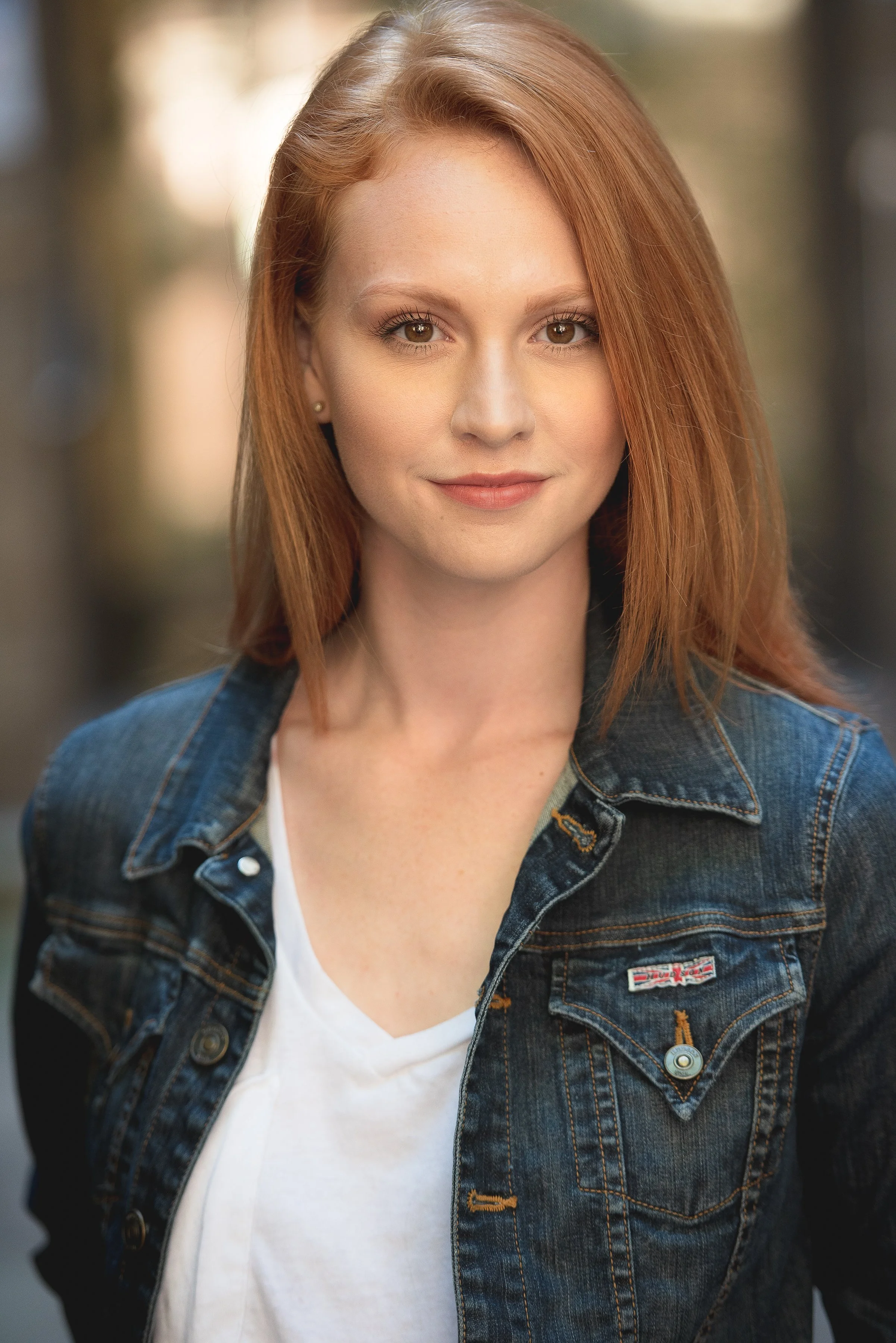
denim jackets
worn cotton tees
earth tones and lived-in fabrics













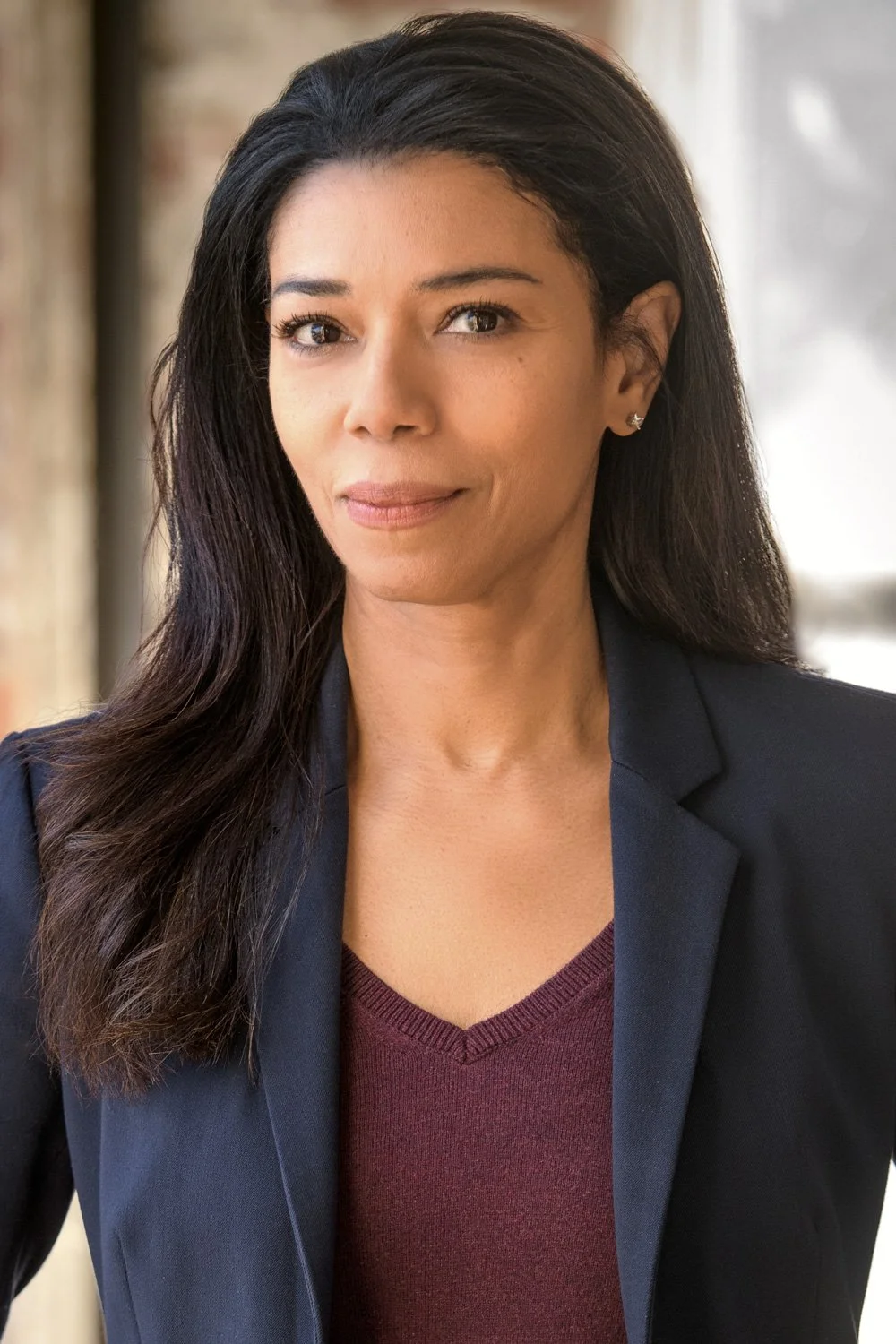
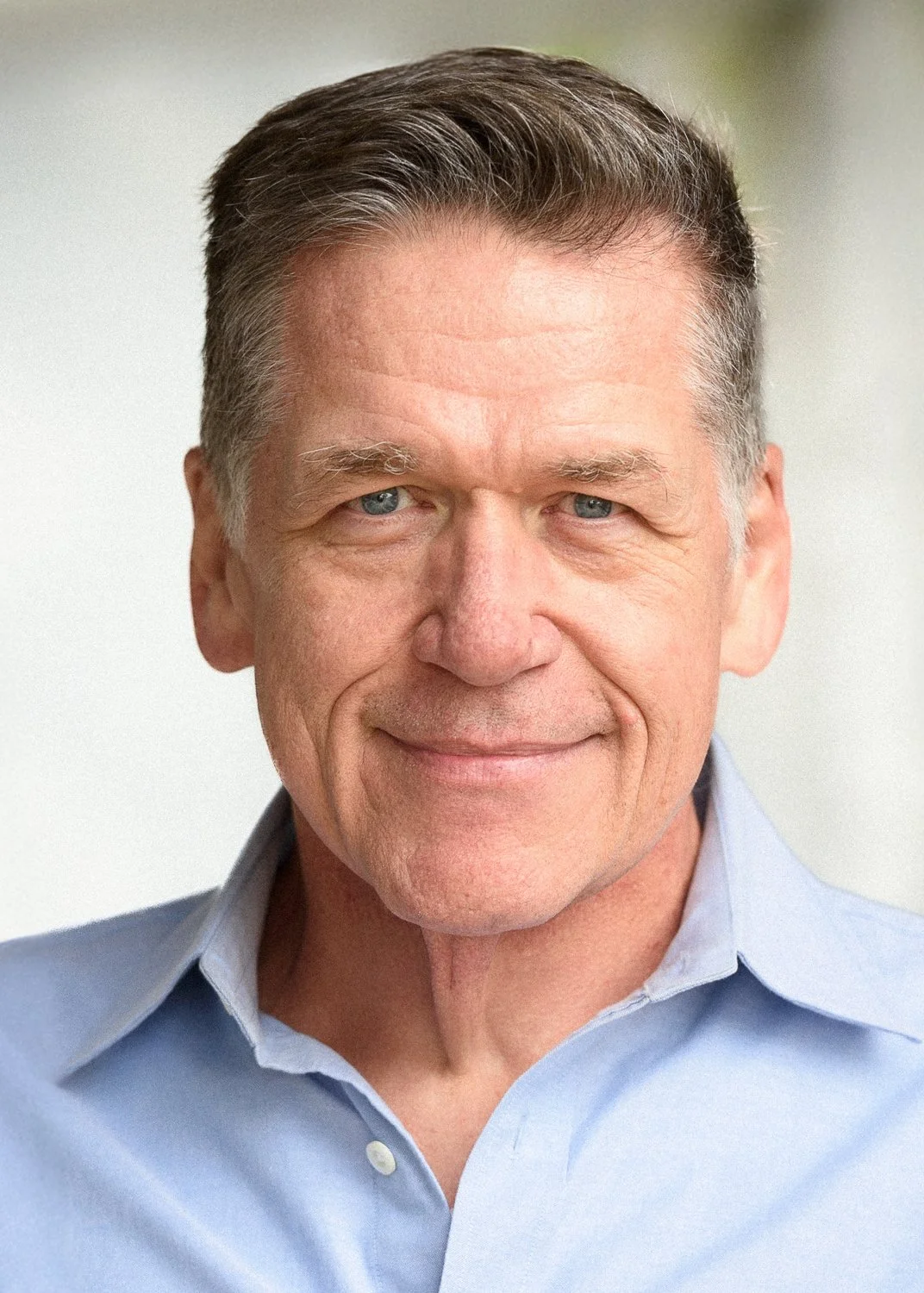
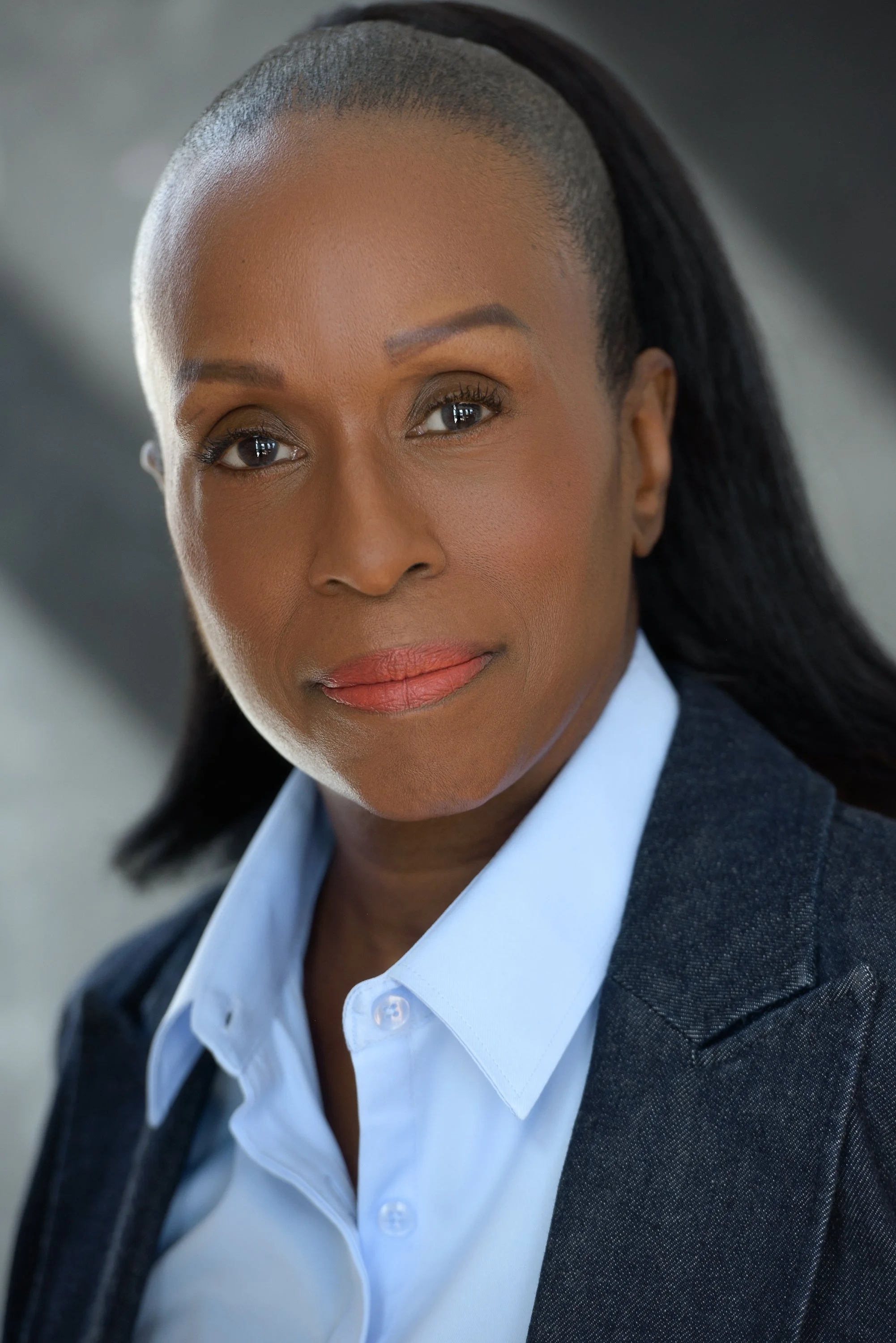
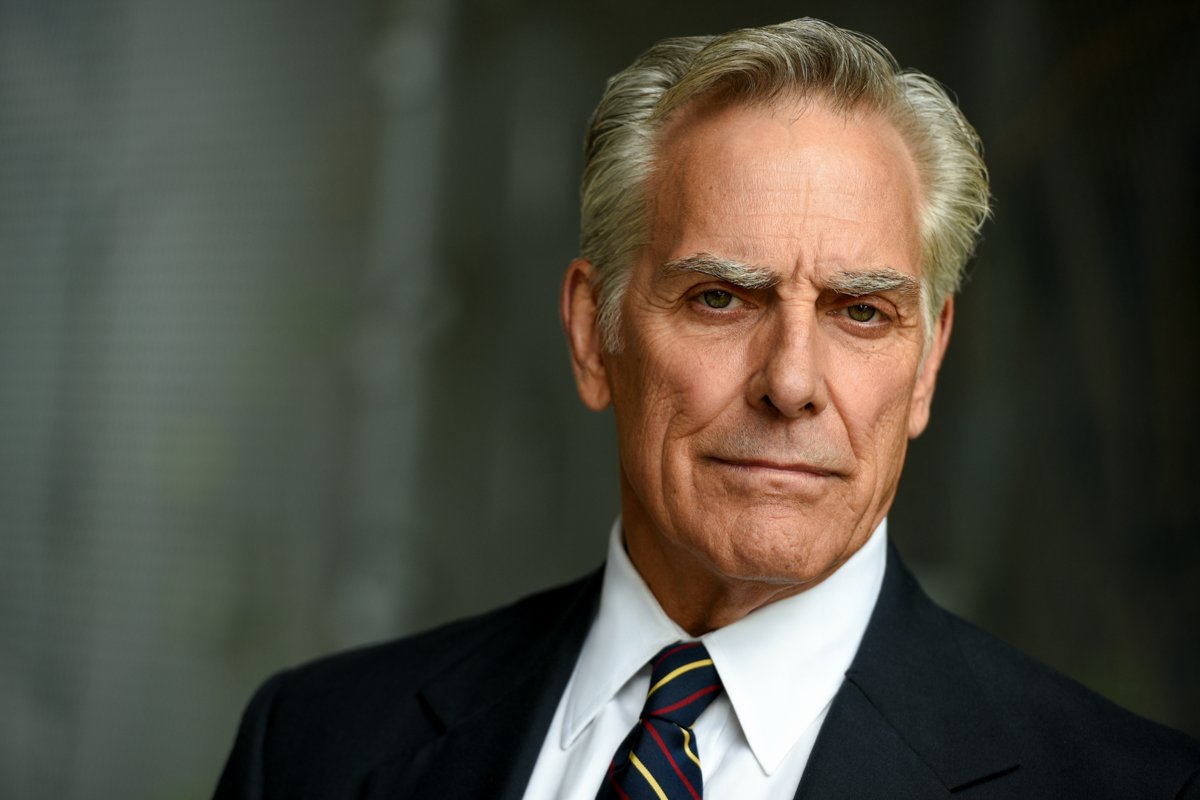
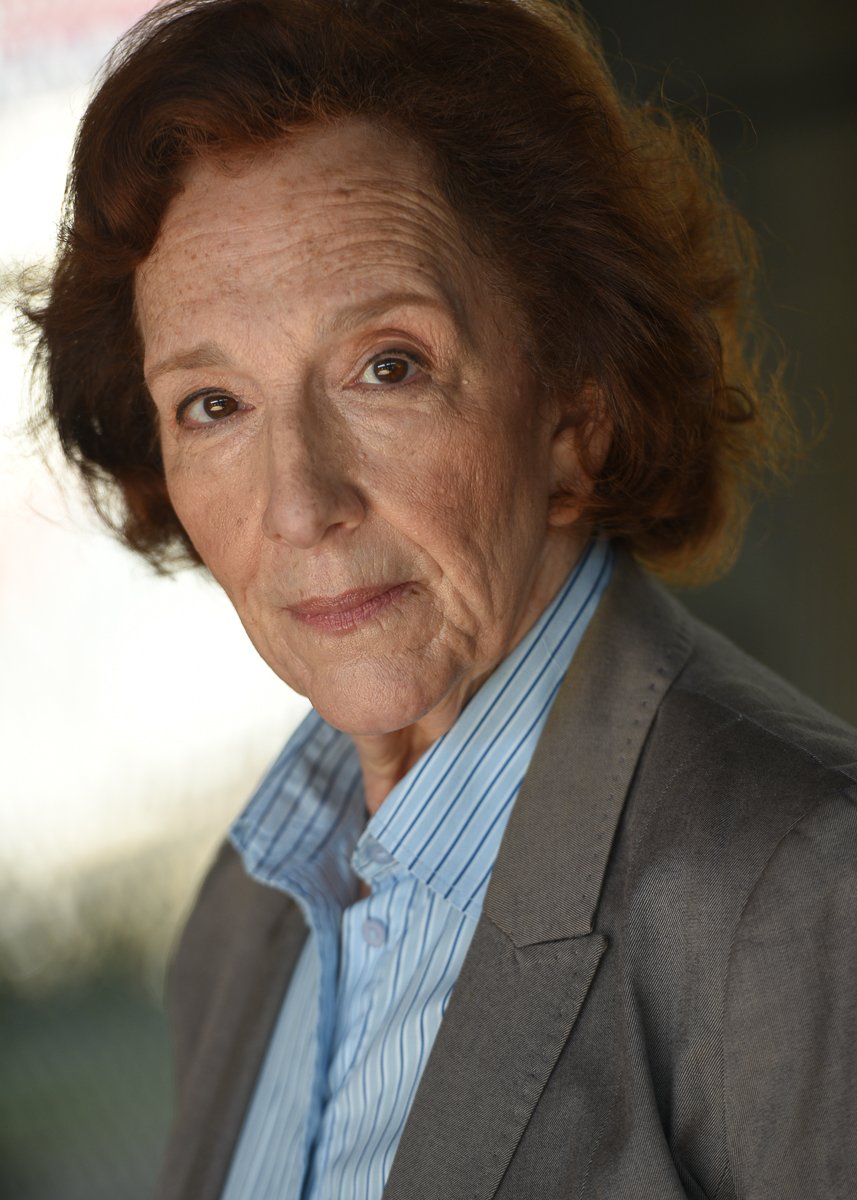
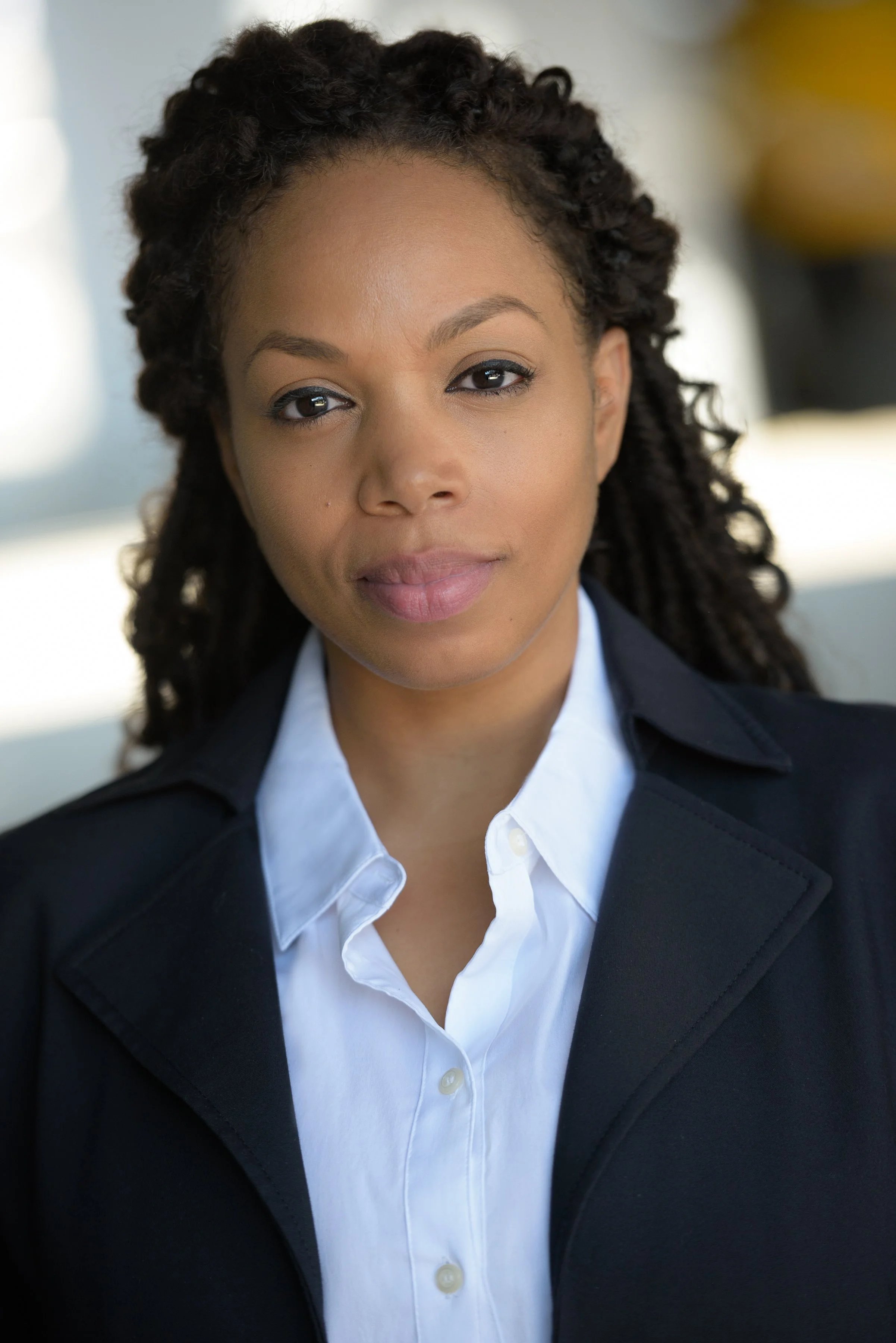
Corporate or Authority Roles
These characters show up constantly in NYC casting.
Think lawyers, detectives, tech executives, government staffers, or administrators.
Wardrobe might include:
blazers or structured jackets
button-down shirts
simple, clean silhouettes
neutral or darker colors














Creative or Intellectual Characters
Professors, writers, musicians, artists, theatre people.
Wardrobe might include:
soft sweaters
layered textures
interesting necklines
slightly more artistic color palettes
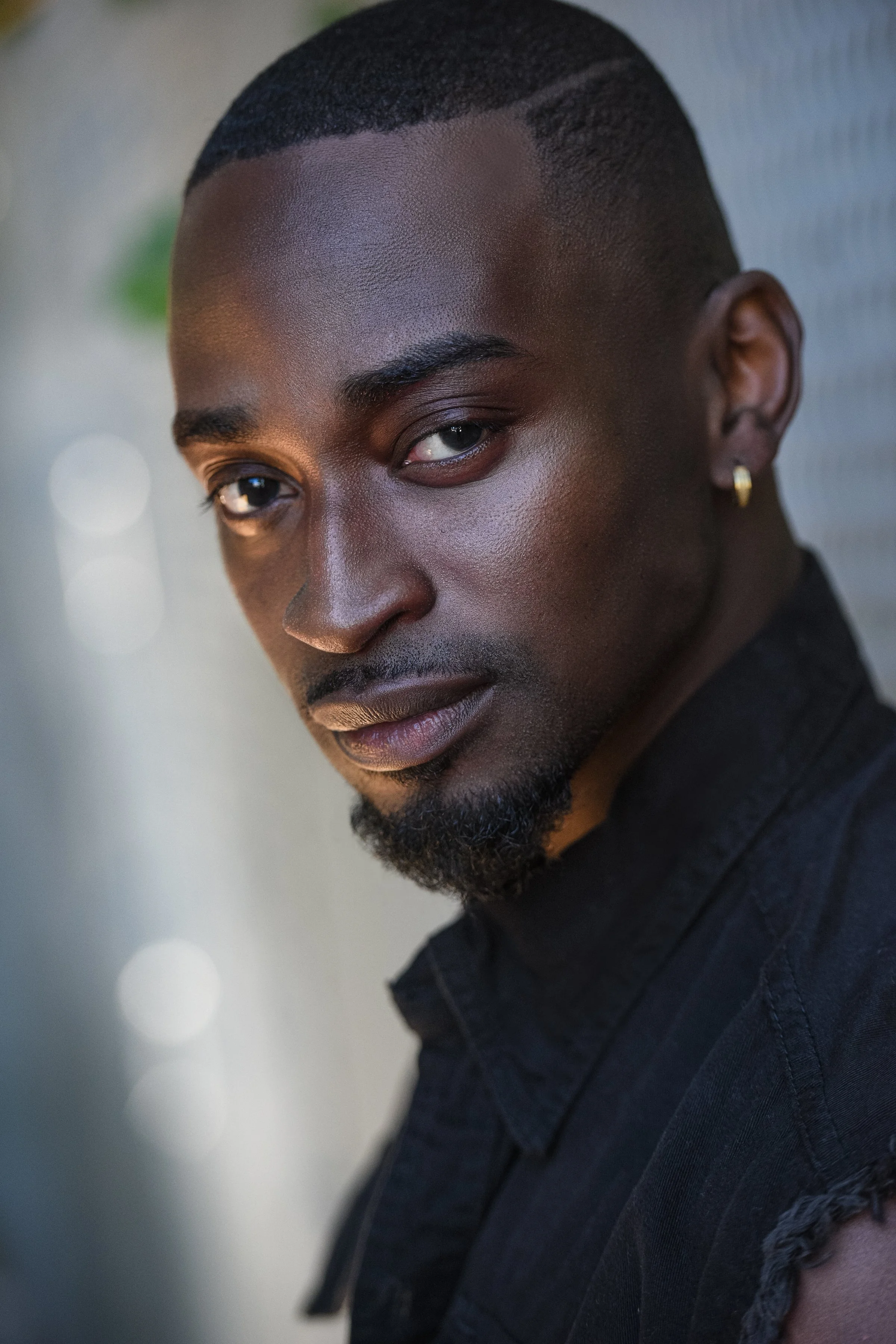
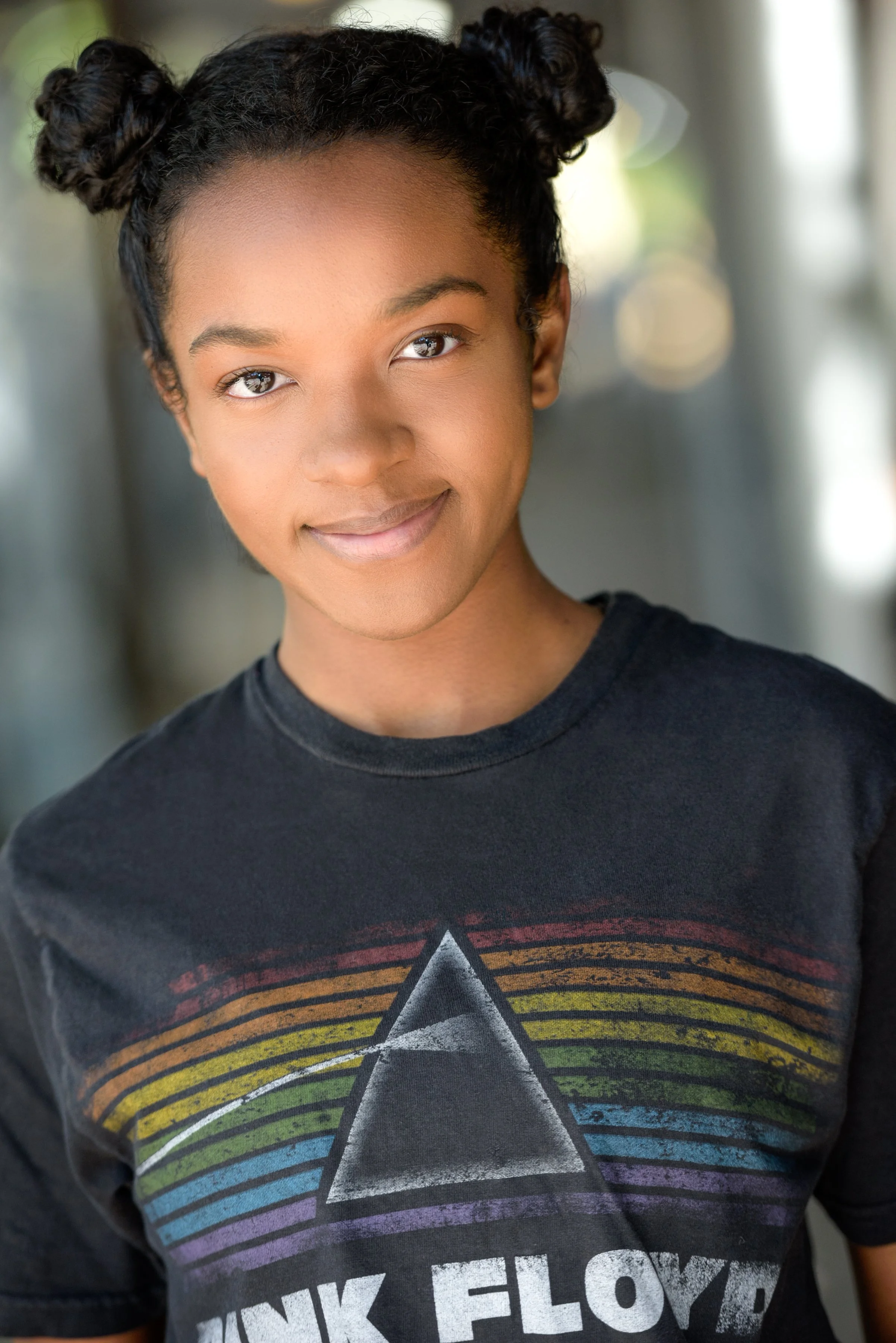
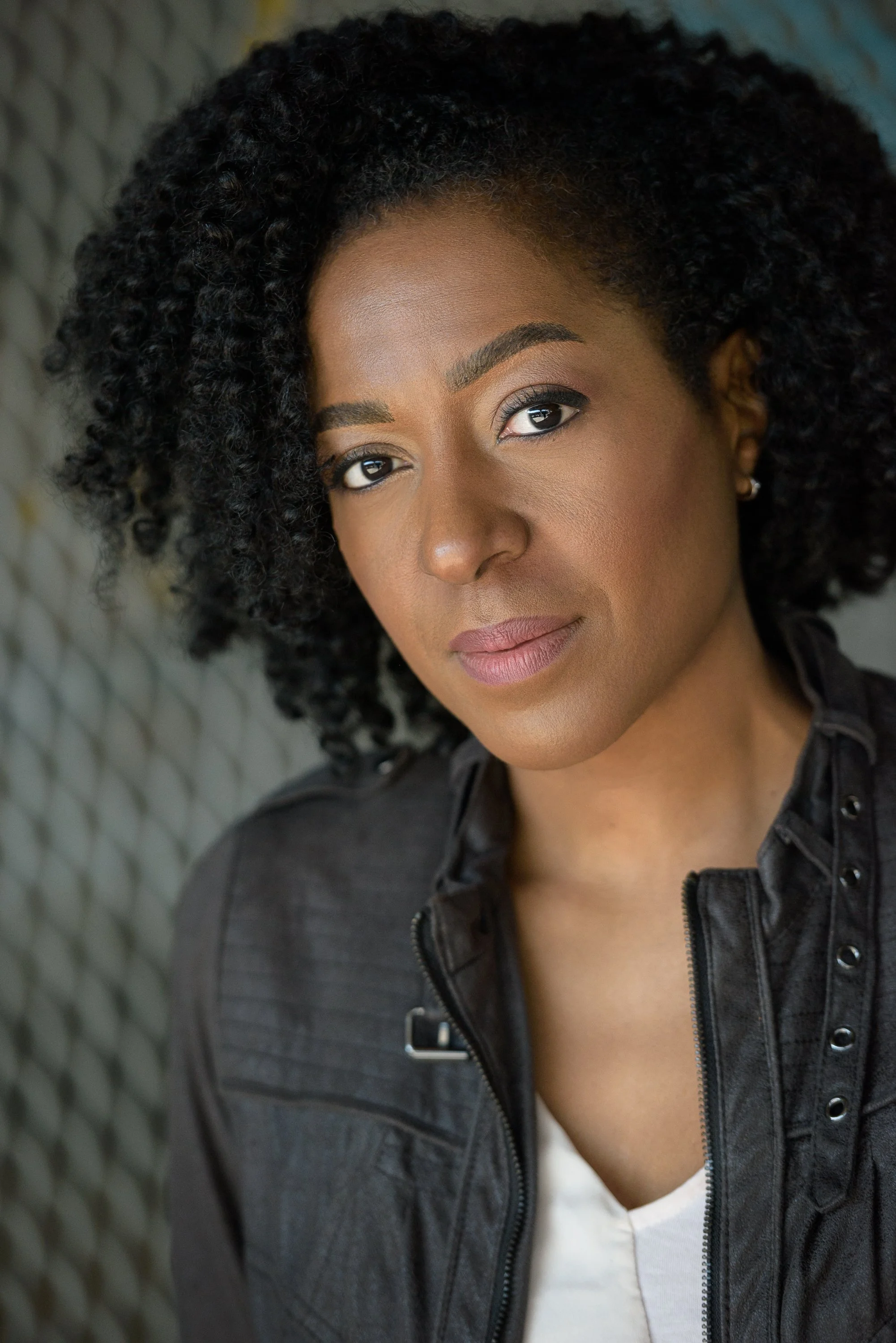




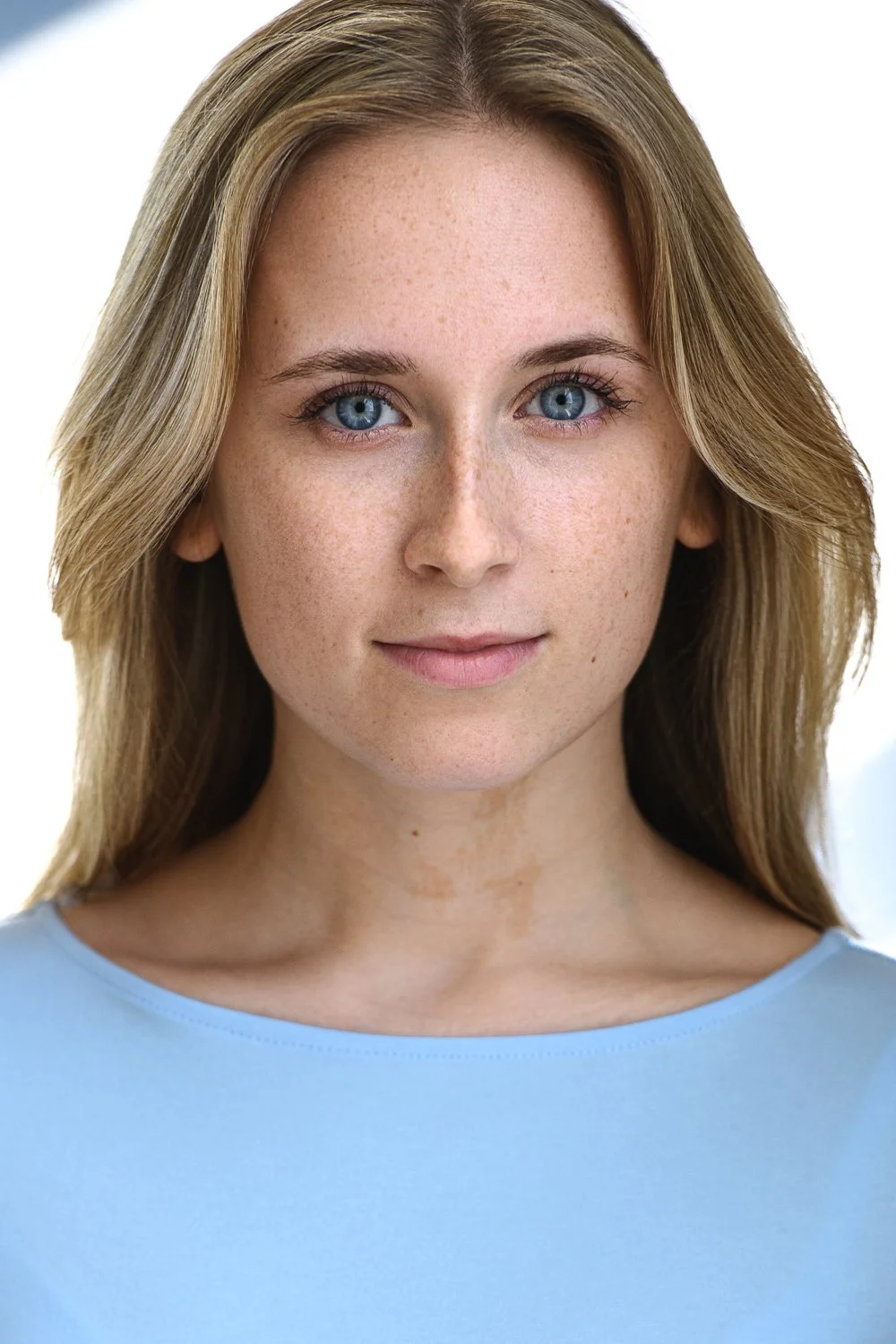
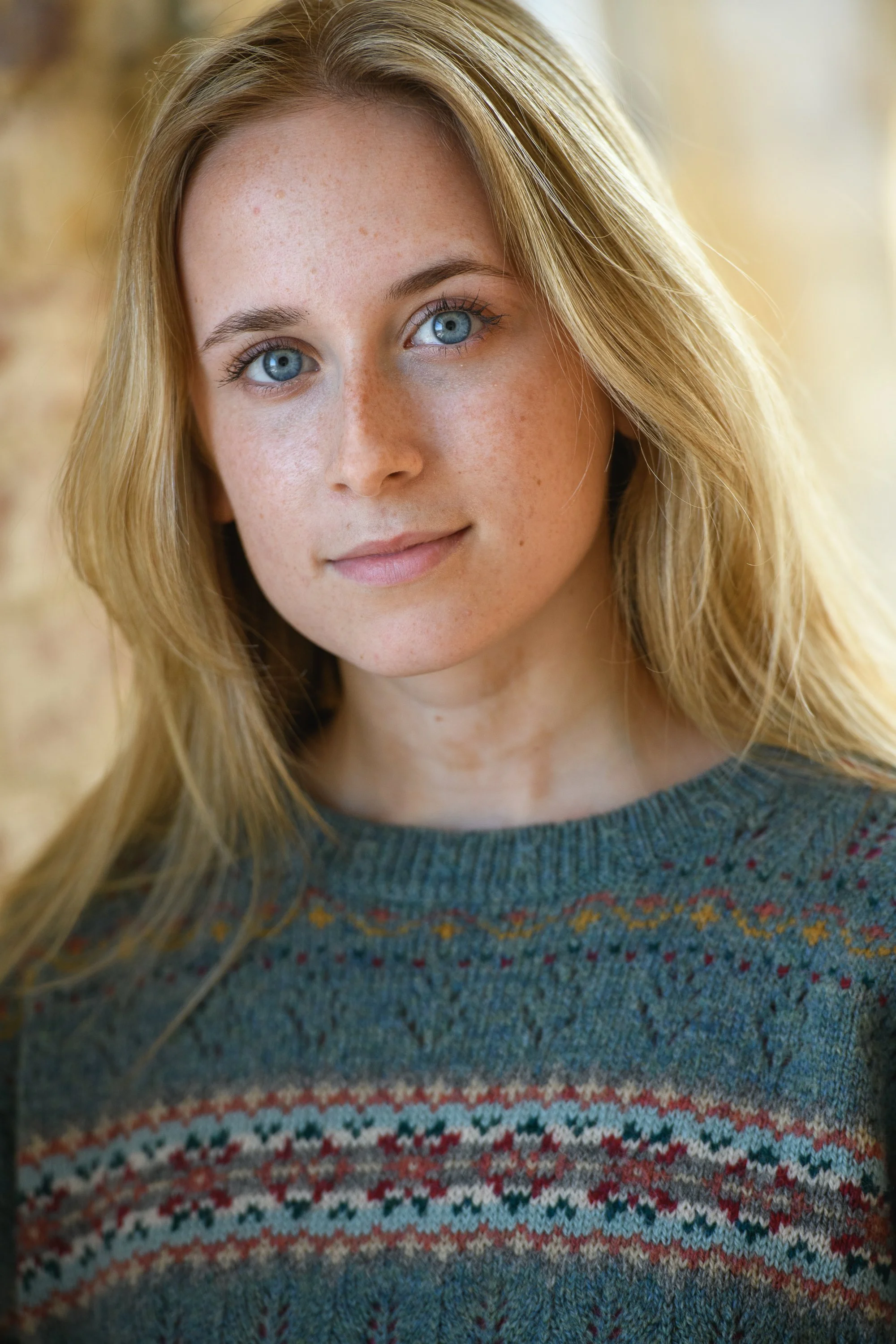
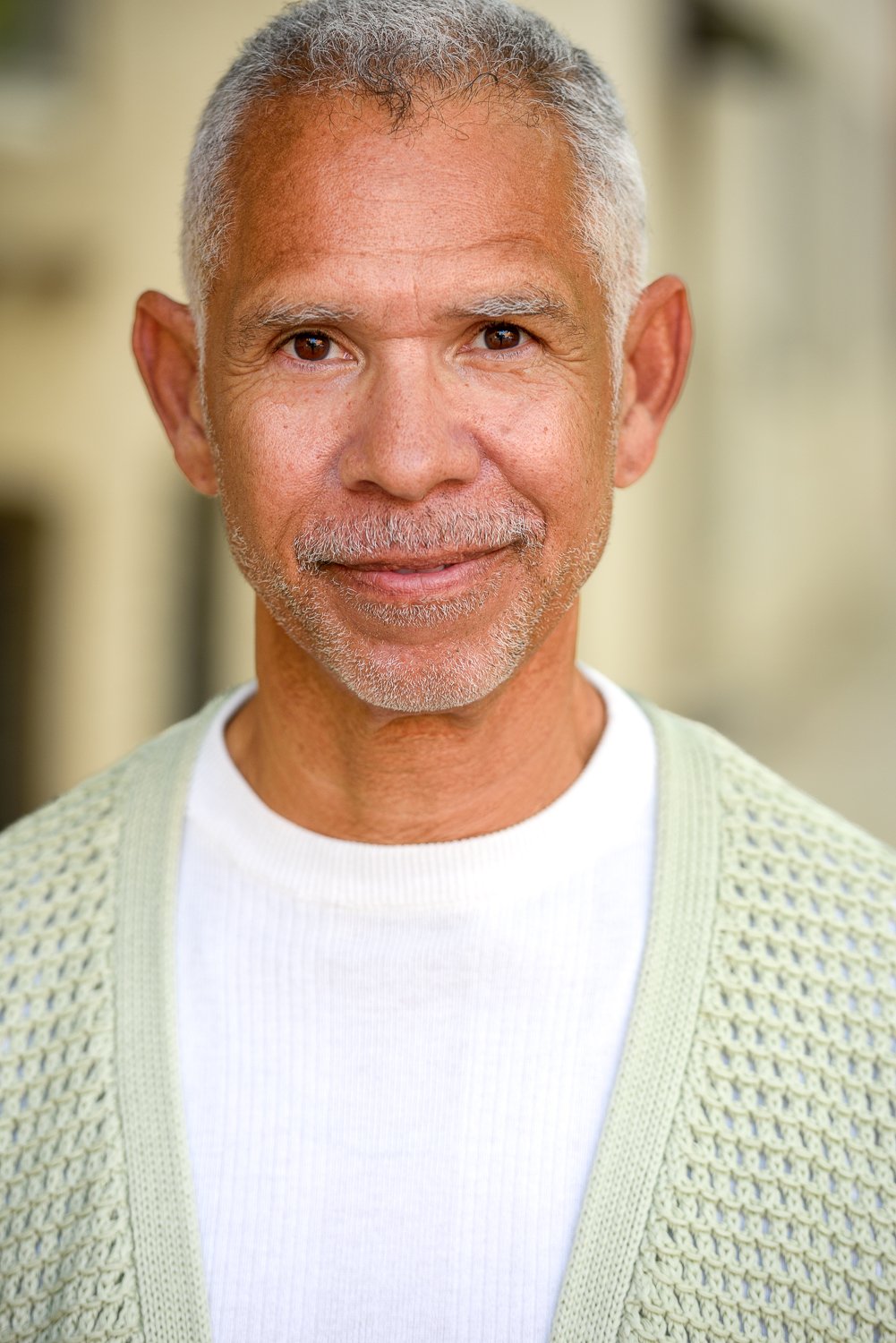




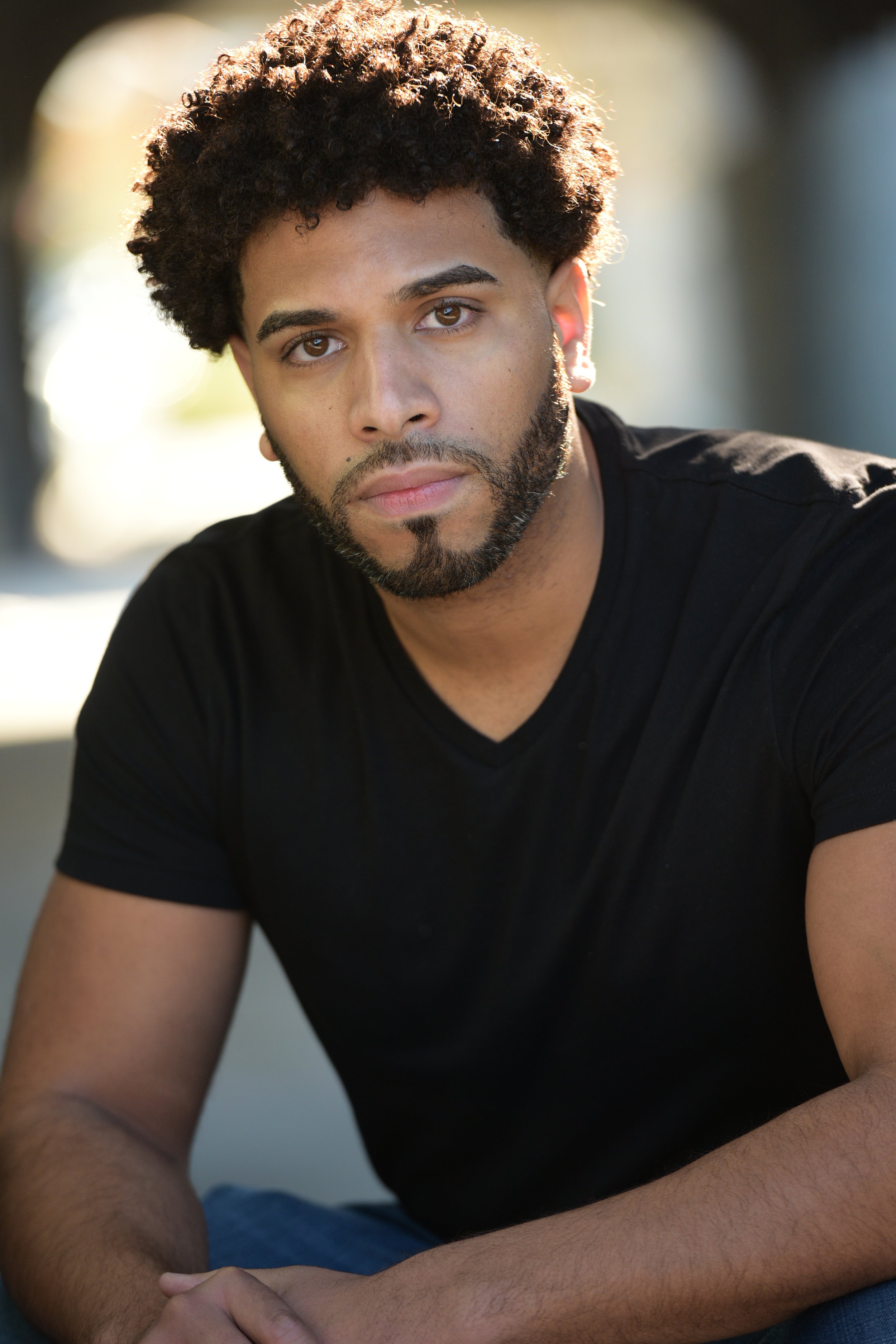


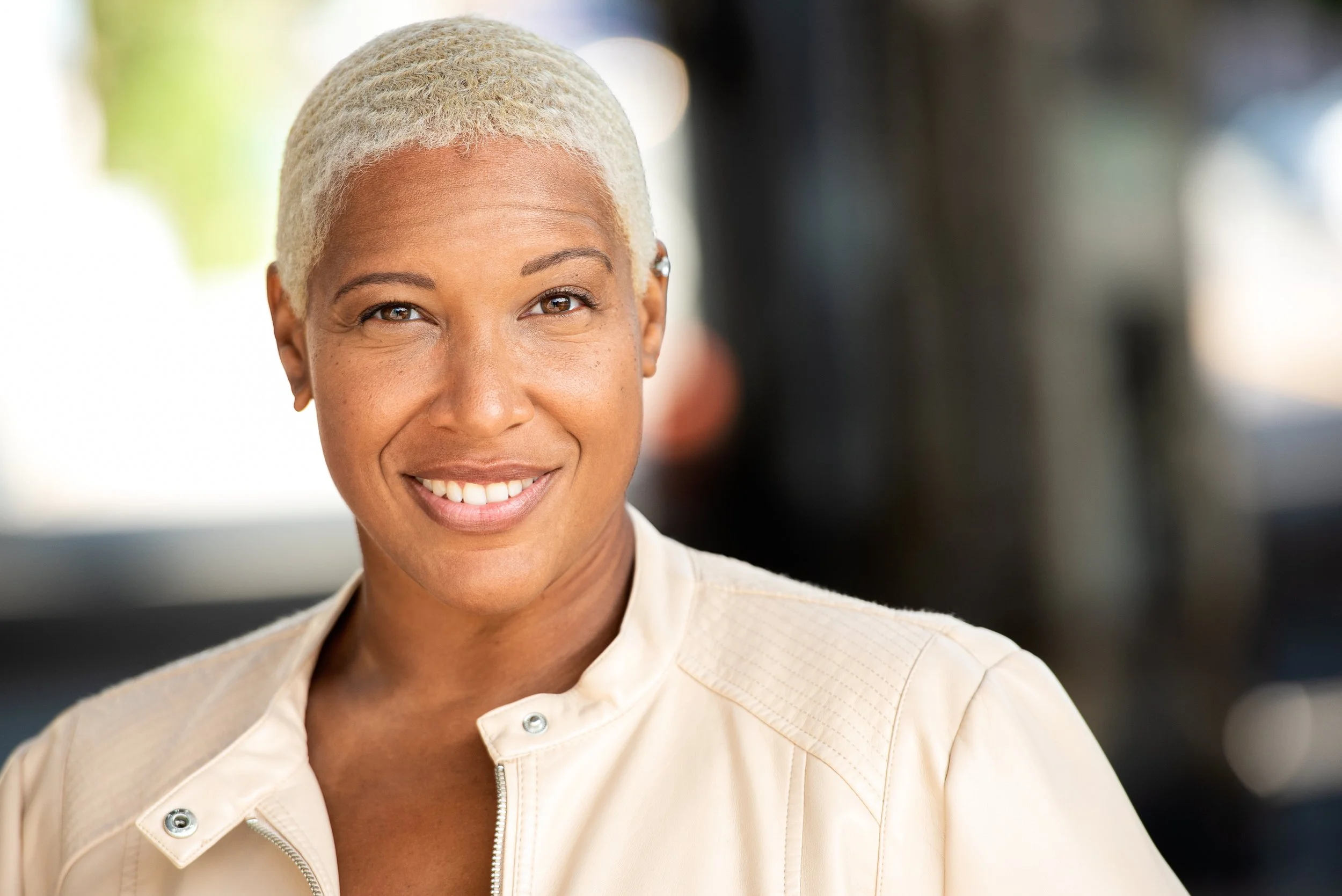

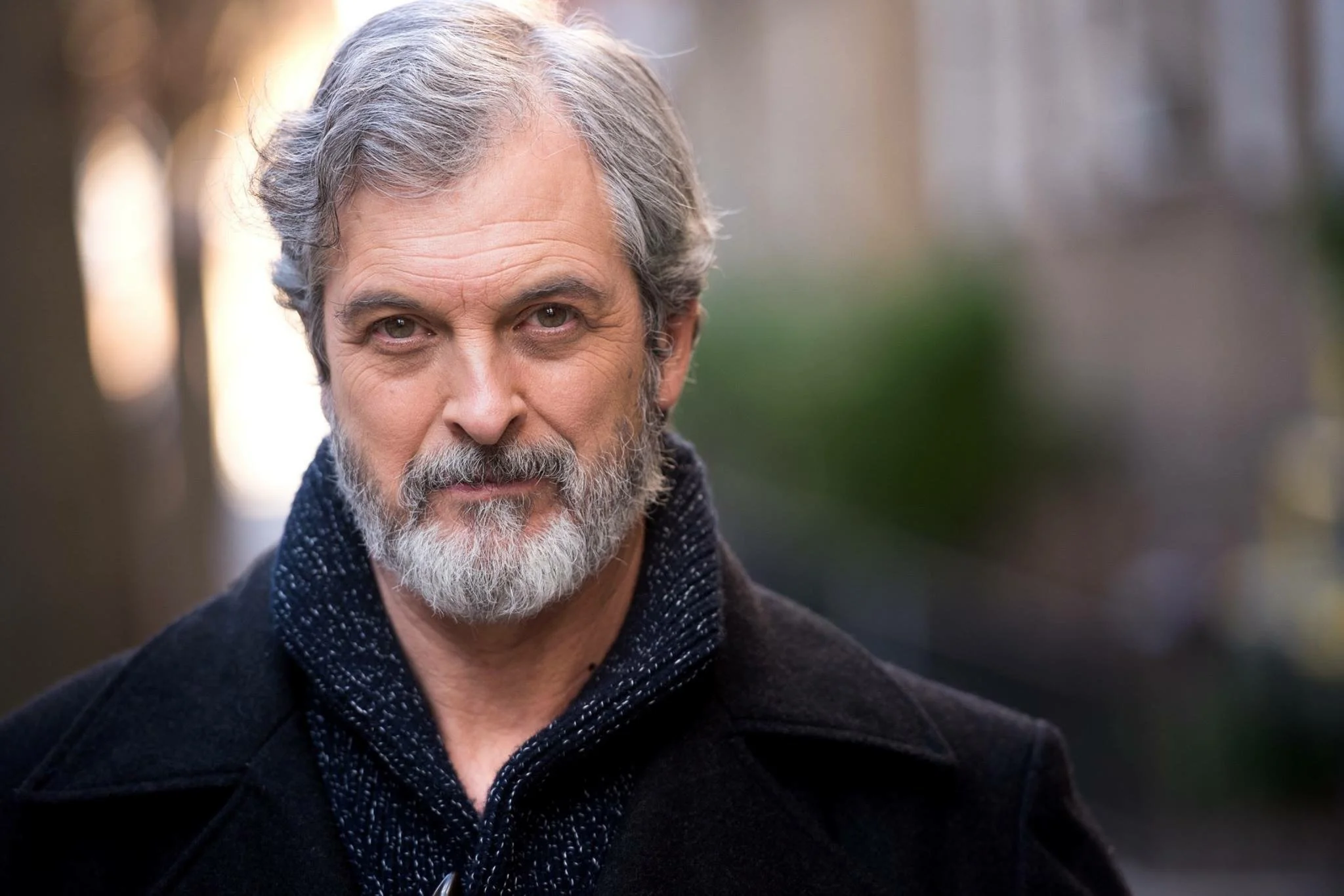
We could do the same thing with Commercial or Sci Fi/Action or Academia Worlds or Family TV Dramas or Family TV Comedies - I’ll let you do a little homework on your own. Ha.
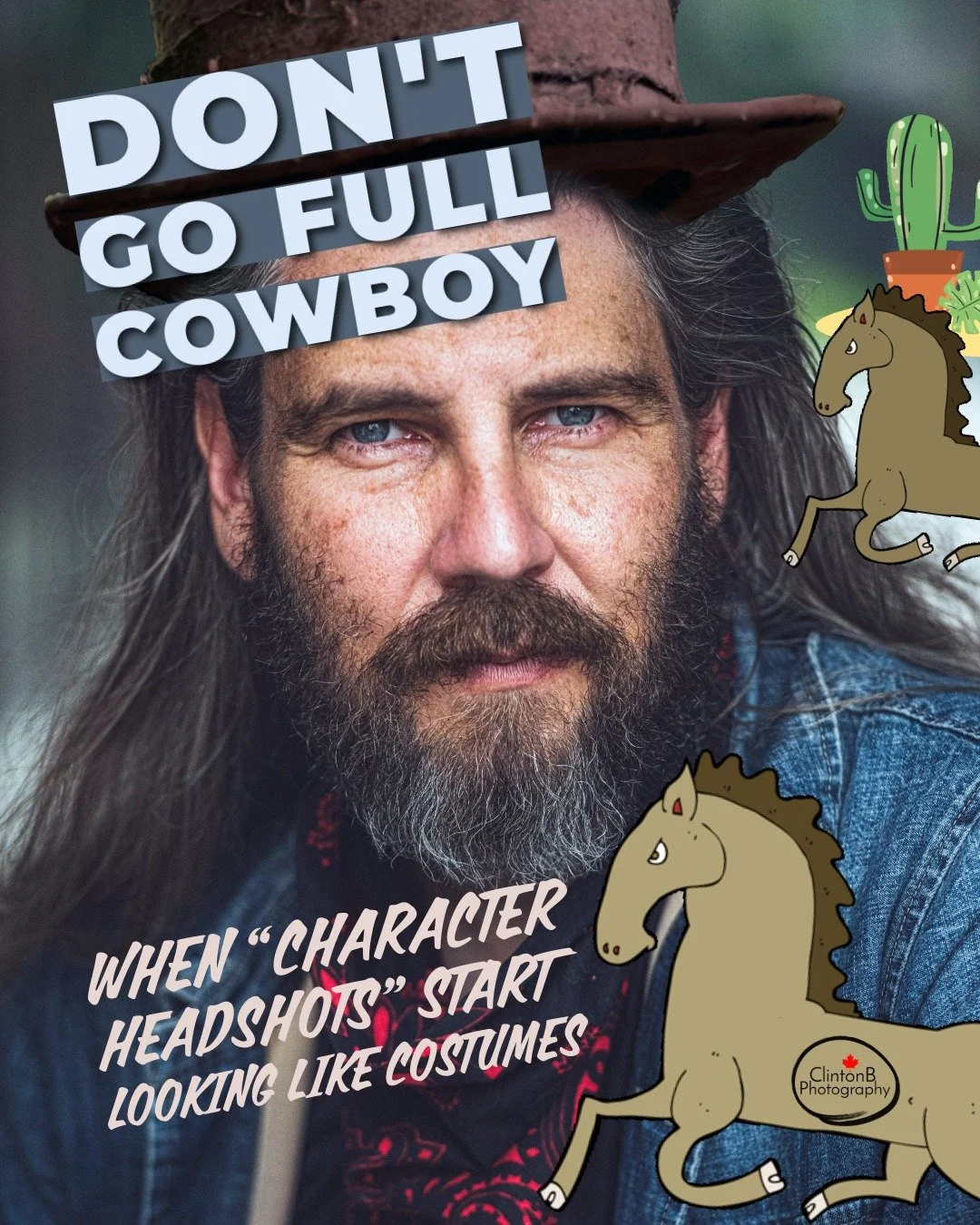
None of this should feel costume-y. No props, no real uniforms unless we’re tying to make a statement of some sort, kids might be an exception to the uniform rule I suppose. Point is, your clothes should hint at real people that live in the worlds (shows) you’re targeting.
Use Your Imagination to Cover Your BASES
I came up with a silly acronym the other day when I was trying to find an easy way to tell actors to think about roles and wardrobe. It’s BASES. Blue Collar, Authority, Stress/survivor, Everyday You, Smartypants. You get it. Cover your BASES when you’re considering your wardrobe.
You don’t need a look for every role or every genre. Because there will most certainly be overlap.
For example, my current actor look leans Walking Dead survivor and that headshot also covers my blue collar or even writer type but I don’t target or submit that shot for corporate roles because well it doesn’t read. When I shave, I’ll use the shorn shot instead for those type of roles.
Everyday You might also cover your teacher or artistic type. Perhaps your authority corporate shot will also cover your authority stress body guard to the mob category and with a change of background and expression that look might also cover the commercial friendly shot and if we throw on a pair of glasses we might get your smartypants therapist. Just by changing the light, framing, expression and background.
Genre. Style. Type. Whatever you wanna call it. Use your imagination and think of the kinds of characters you play really, really well (that seem to turn up again and again obv.) and be sure so get a shot that hints towards that for when a casting director looks at your headshot for the first time.
When they scan a grid of thumbnails, your submitted photo should quickly communicate you as a believable person in a story. And if you’ve covered your BASES (I’m kinda liking that acronym as I hear it more), you can submit a shot that is immediately right for the character breakdown that caught your attention or your reps attention in the first place.
Use Your Own Clothes
Whenever possible, I encourage actors to use clothing they already own.
There’s a simple reason.
You almost always wear it better. (And let’s save some money, shall we? Stuff’s expensive these days.)
When actors buy brand-new headshot outfits, the clothes often feel stiff or unfamiliar or still have the fold lines in it from when it was sitting on the shelf (IRON YOUR STUFF!)
When the wardrobe already belongs to your life, you move more naturally in it.
That ease shows up in the photograph.
Fit Matters More Than Price
Casting isn’t looking for designer labels.
They’re responding to shape and clarity.
A well-fitting $30 shirt will photograph better than an expensive jacket that doesn’t sit right.
Look for clothing that:
fits cleanly through the shoulders
sits well around the neckline
isn’t overly baggy or overly tight
creates a clear silhouette
Necklines matter more than people think because they sit so close to your face in a headshot. Crew necks, henleys, open collars, and v-necks can all work beautifully depending on the roles you’re targeting.
Color and Texture Help the Camera
Lighting interacts with clothing in subtle ways.
Soft textures tend to photograph better than flat fabrics. Knits, brushed cotton, denim, and layered materials create depth without distracting from the face.
For color, I usually recommend:
earth tones
muted colors
rich but simple palettes
Very bright colors or busy patterns can pull attention away from the actor. Let’s use them judiciously.
The clothing should support the face, not compete with it.
Plan Wardrobe Before the Shoot
You’ll get more photos in your session if you and your photographer choose wardrobe before the shoot day.
After an actor books with me, we do a preshoot/planning/strategy session where we talk through casting zones and the kinds of roles they’re closest to booking.
Then we plan looks (wardrobe) that supports those characters.
By the time you step in front of the camera at the start of our session, your wardrobe is already mostly decided. No hopeful, guessing. No giant pile of maybe-shirts.
And then from your set of looks, I’ll often mix and match some things to get ya even more options. (I always overshoot, lucky you).
Whatever You Wear, the Goal Is Believability
Wardrobe is just one part of a successful headshot but it’s the easiest one to plan for.
Lighting helps guide the story. Framing suggests status. Expression creates narrative tension.
Wardrobe provides the social context.
When it’s working well, casting doesn’t think about the clothing at all. They simply believe the person in the photograph.
And that belief is what makes them click.
And remember, every actor’s casting world is a little different. The fun part is discovering how we can tell casting, with a few simple signals, where you fit in.
Because when everything lines up, the headshot doesn’t just look good. It looks castable.
Wanna read some more? Check out these articles below.

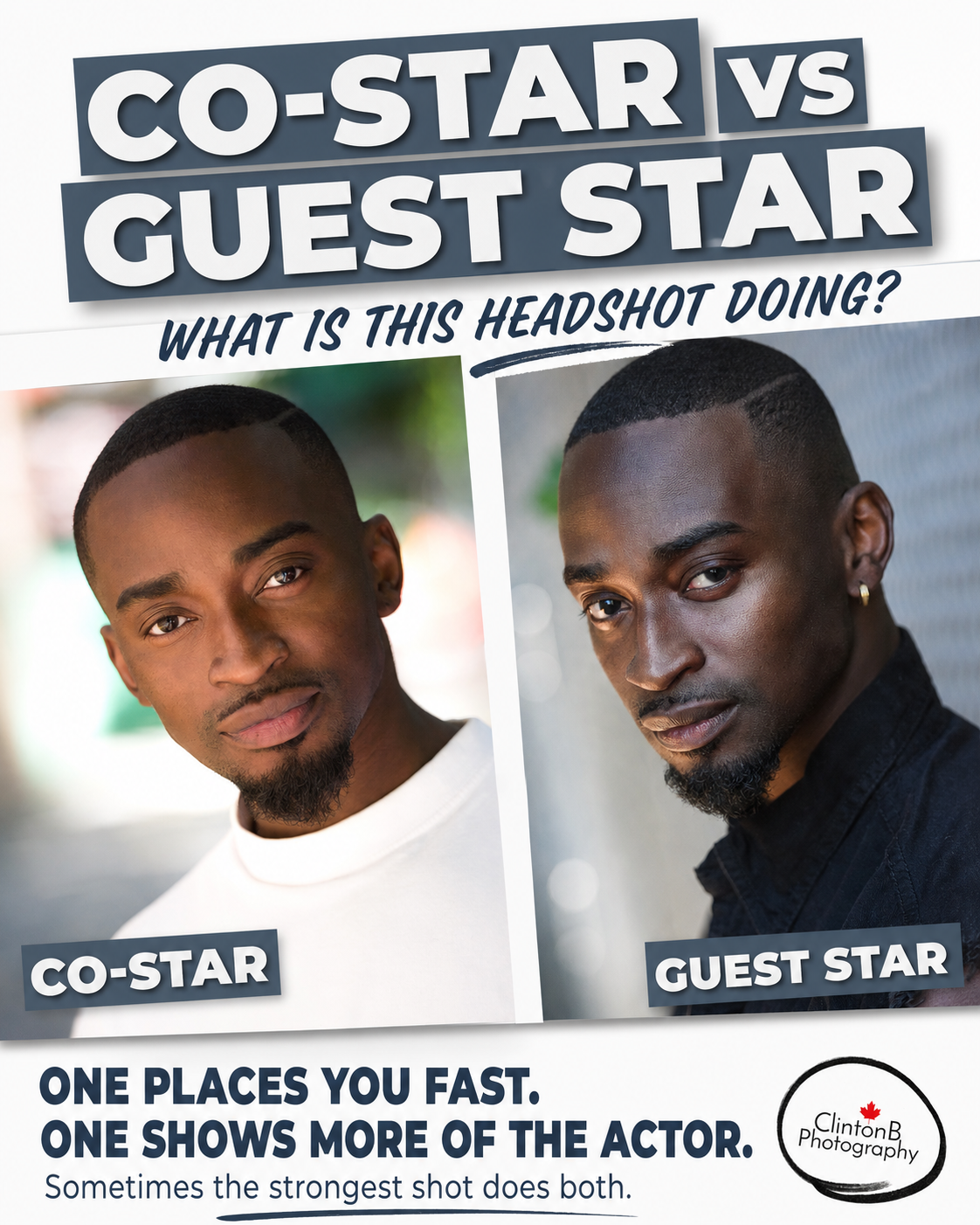
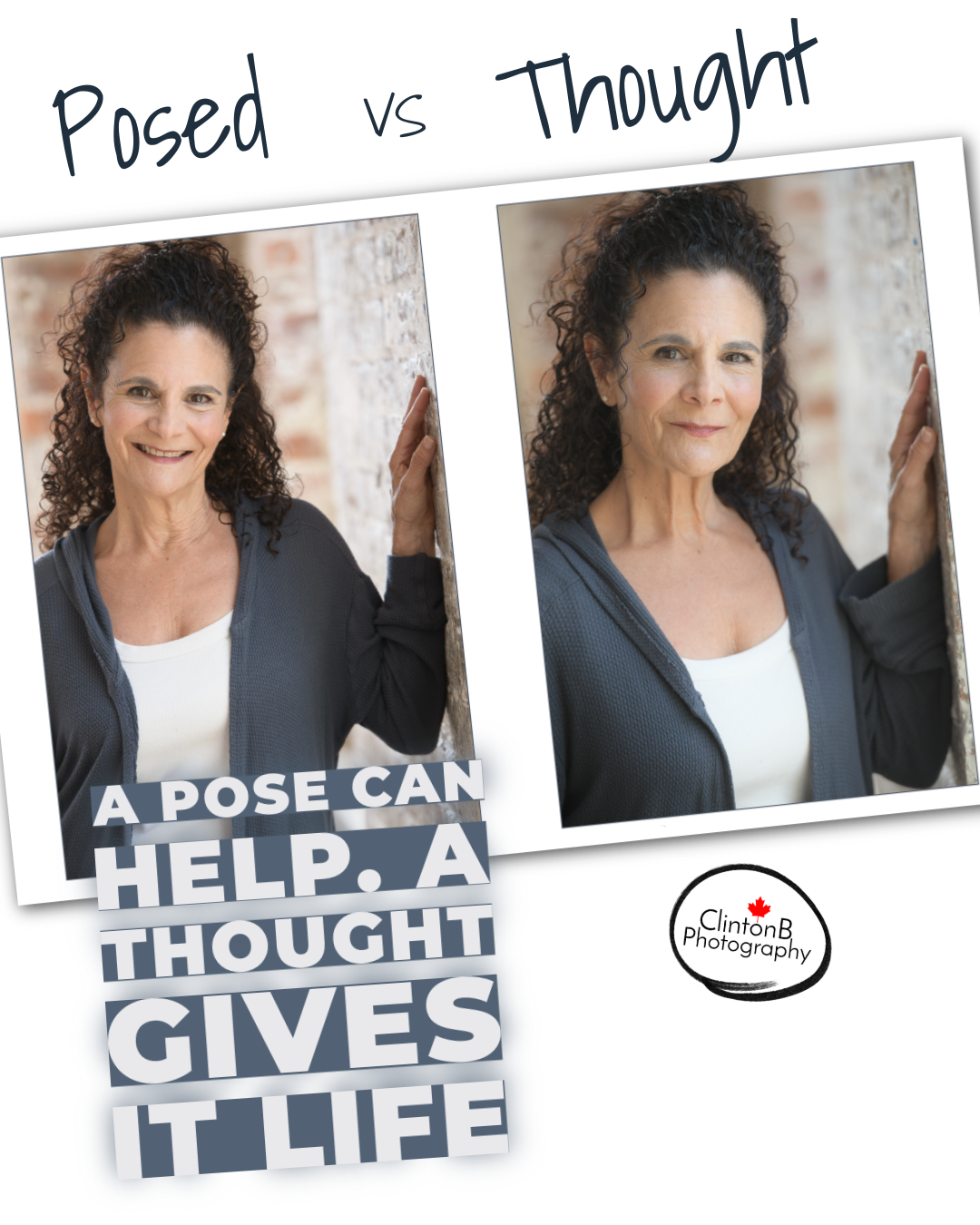

Serious isn’t the problem. Empty is. A headshot can be still, intense, and controlled, but it still has to feel alive. If there’s nothing happening behind the eyes, casting feels it immediately.