
Beyond the T-Shirt: How to Make Your Headshot Send the Right Signal
Why Simplicity Isn’t the Same as Specificity
I’m seeing a familiar trend in headshots again.
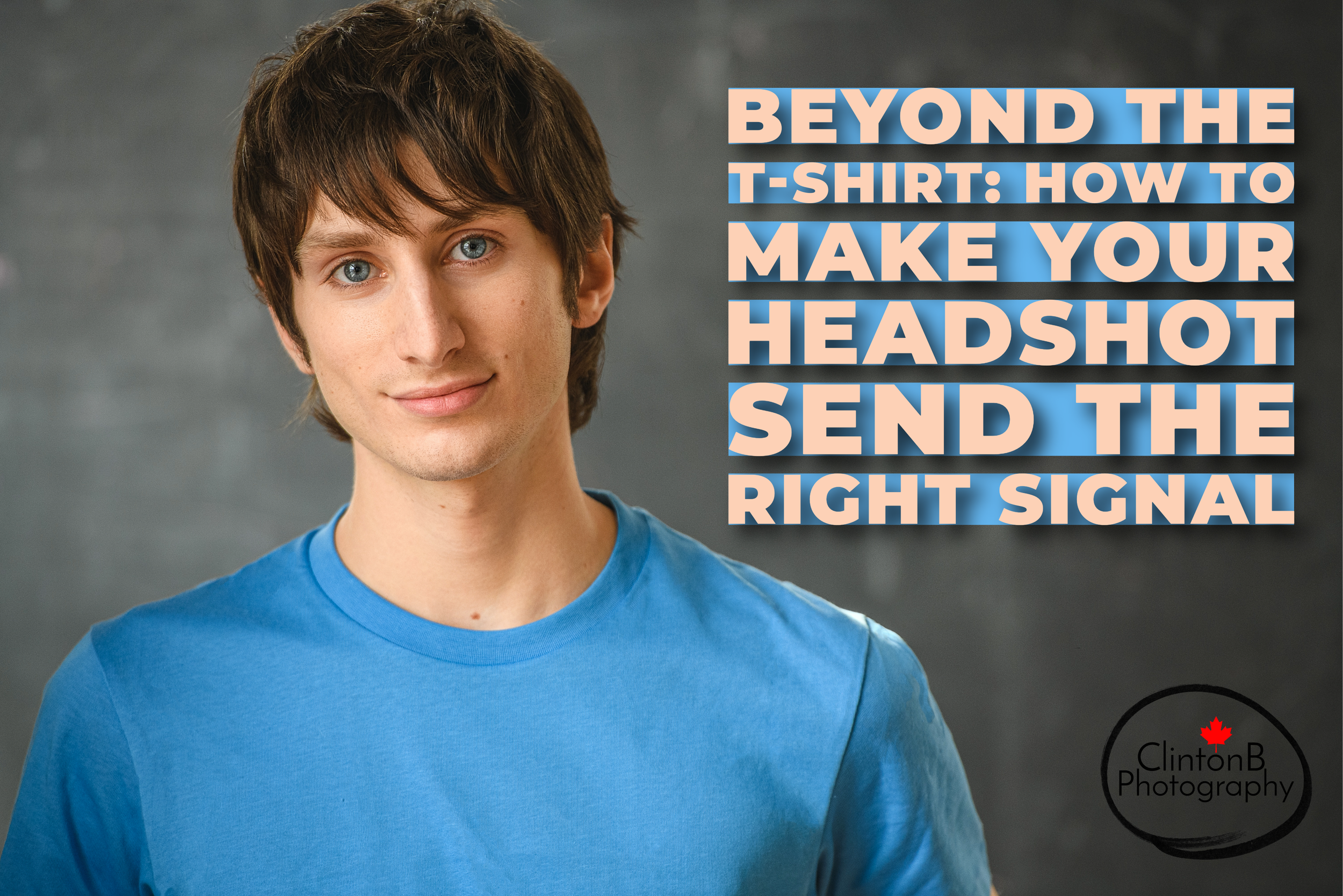
Clean wall or colored paper.
Neutral expression.
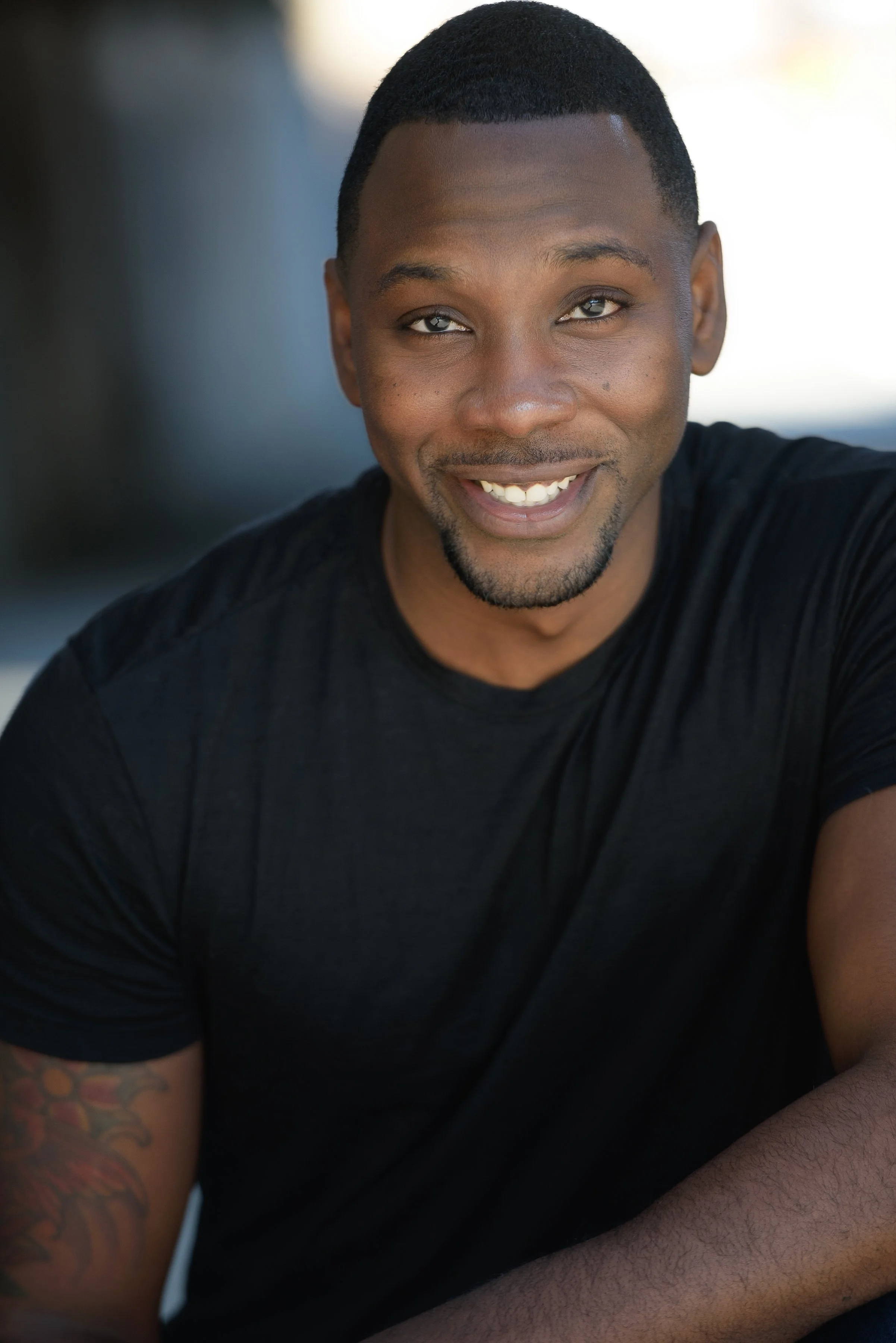
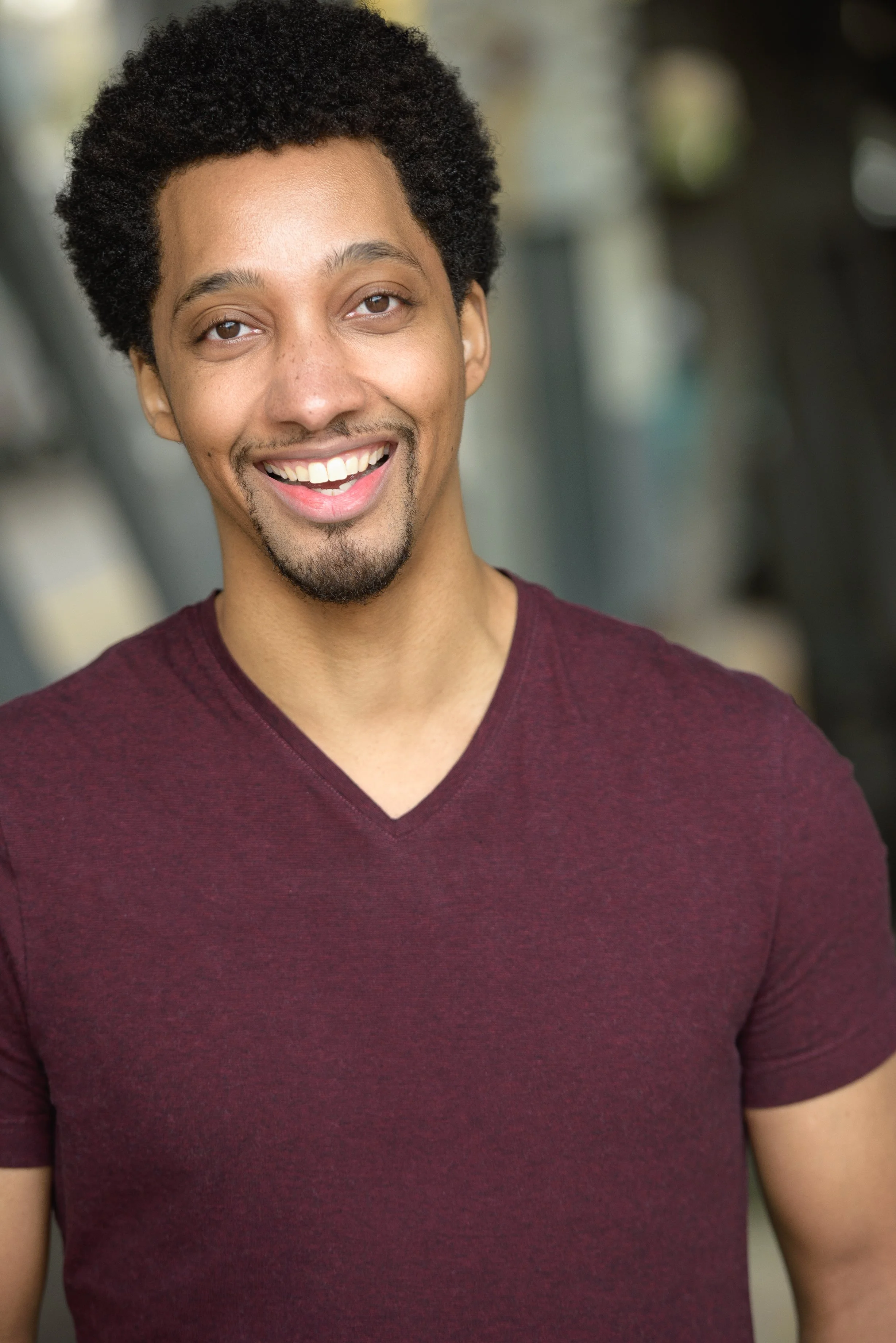
T-shirt.
Quick. Efficient. Simple.
And sometimes, that is absolutely the right call.
But here’s the question:
If casting is scrolling through 300 thumbnails, what makes them stop on yours? What helps them remember you later?
Because that’s the real job of a headshot.
Not to impress.
Not to perform.
To send a clear signal.
Casting Is a Matching Game
Casting directors are not choosing the “best photo.”
They are solving a story problem.
On shows like Law & Order: SVU or FBI, they’re asking:
Who feels like authority?
Who carries quiet tension?
Who belongs in this world?
A t-shirt can absolutely work for some of those roles.
But it does not automatically answer those questions.
Sometimes it helps with clarity.
Sometimes it softens the read.
That’s the distinction.
The goal is not simplicity.
The goal is specificity.
Especially for Character Actors
Character actors are rarely hired because they look generic.
They book because they look like someone.
Someone with history.
Someone with edges.
Someone who fits a very particular corner of a story.
When a character actor leans too neutral, something often disappears.
Status softens.
Texture flattens.
Story gets muted.
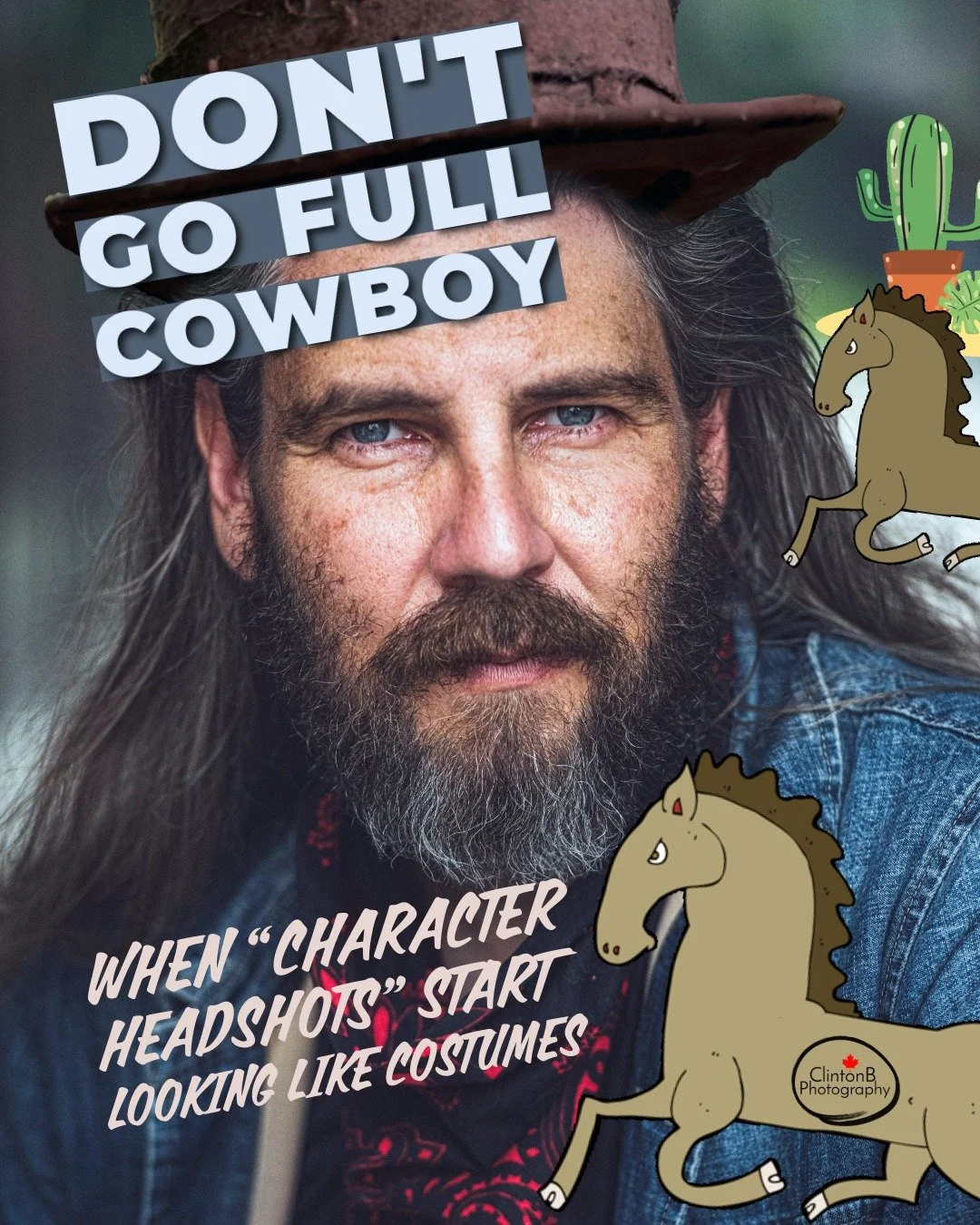
That does not mean you need costume.
It means your wardrobe should support the world you naturally live in on camera.
Why I Want Actors in Their Own Clothes
I’m not interested in dressing actors up. A headshot session is not the moment to suddenly wear something that never leaves your closet.
I’m interested in helping actors feel grounded inside the image.
When people wear clothes that already belong to them, something changes.
They relax.
They stop trying so hard.
Their personality comes forward.
That matters.
Guest star and recurring roles need presence. They need narrative weight.
If your headshot feels like costume, it usually reads like effort.
If it feels like you, but intentional, it reads as believable.
That’s where the good stuff lives.
The Core Principle
In Hack Your Headshots, I spend a lot of time talking about what each piece of the image is actually doing. Lighting helps shape the feel of it. Wardrobe tells us something about the status of the character. Framing changes how we read the person. And expression is usually the part that makes us lean in.
The t-shirt isn’t the issue. The question is what information the image is actually giving casting.
If a t-shirt supports your casting beautifully, great.
If it softens your authority, erases your texture, or makes you harder to place, then it is not helping.
It’s Not About Fancy. It’s About Signal.
Your headshot should communicate:
emotional truth
social context
a sense of world
a sense of status
A structured sweater can suggest competence.
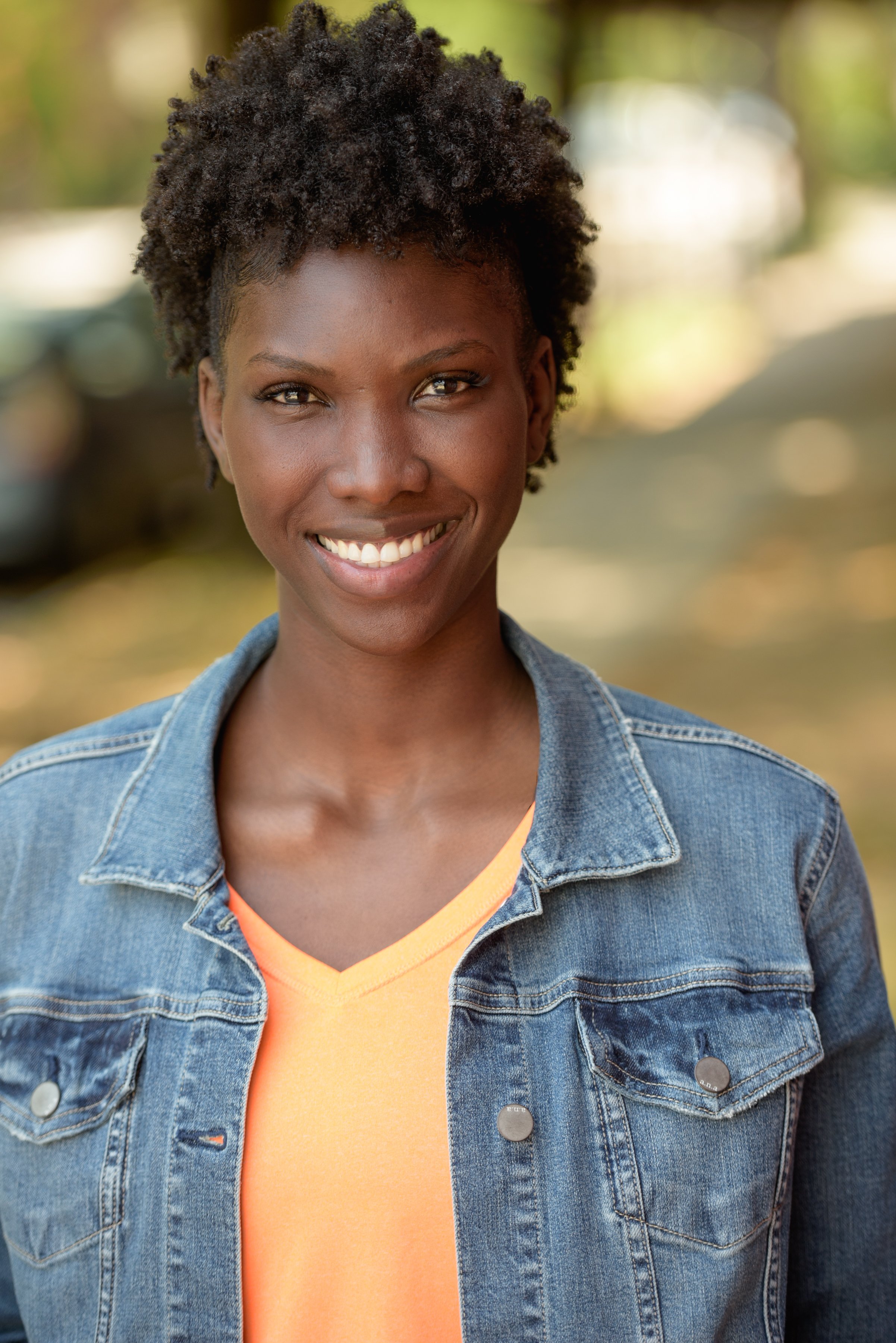
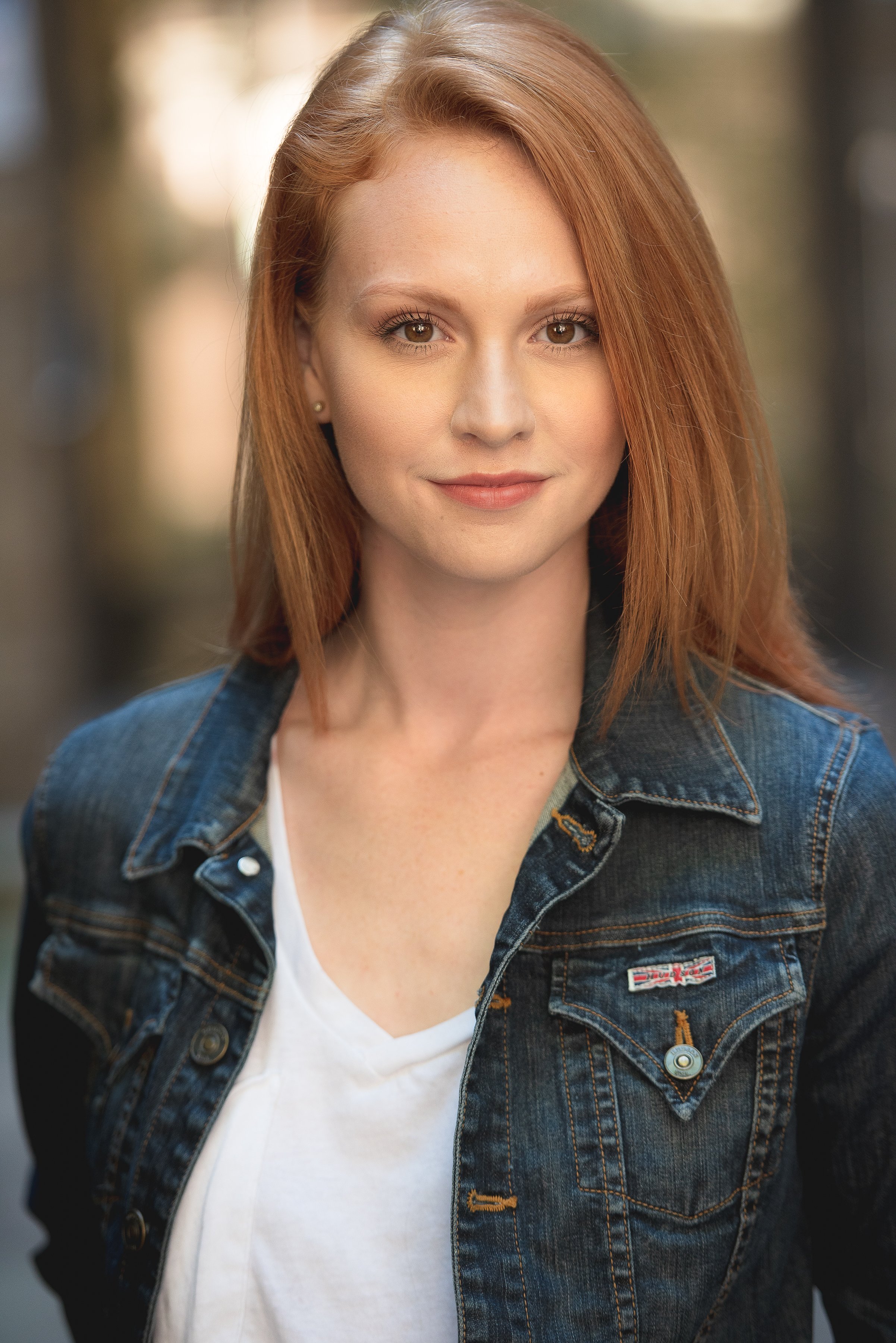
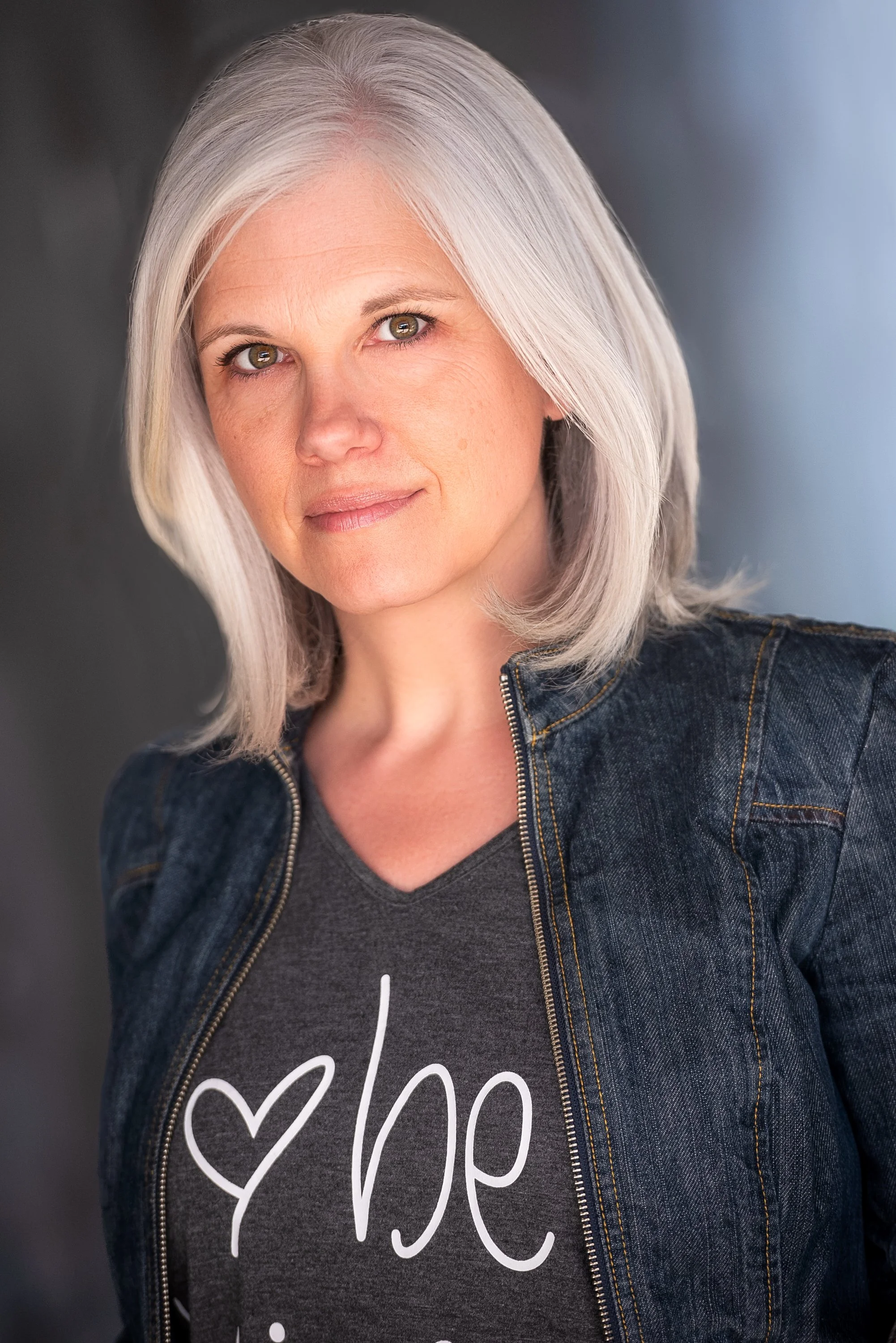
A lived-in denim jacket can suggest experience.
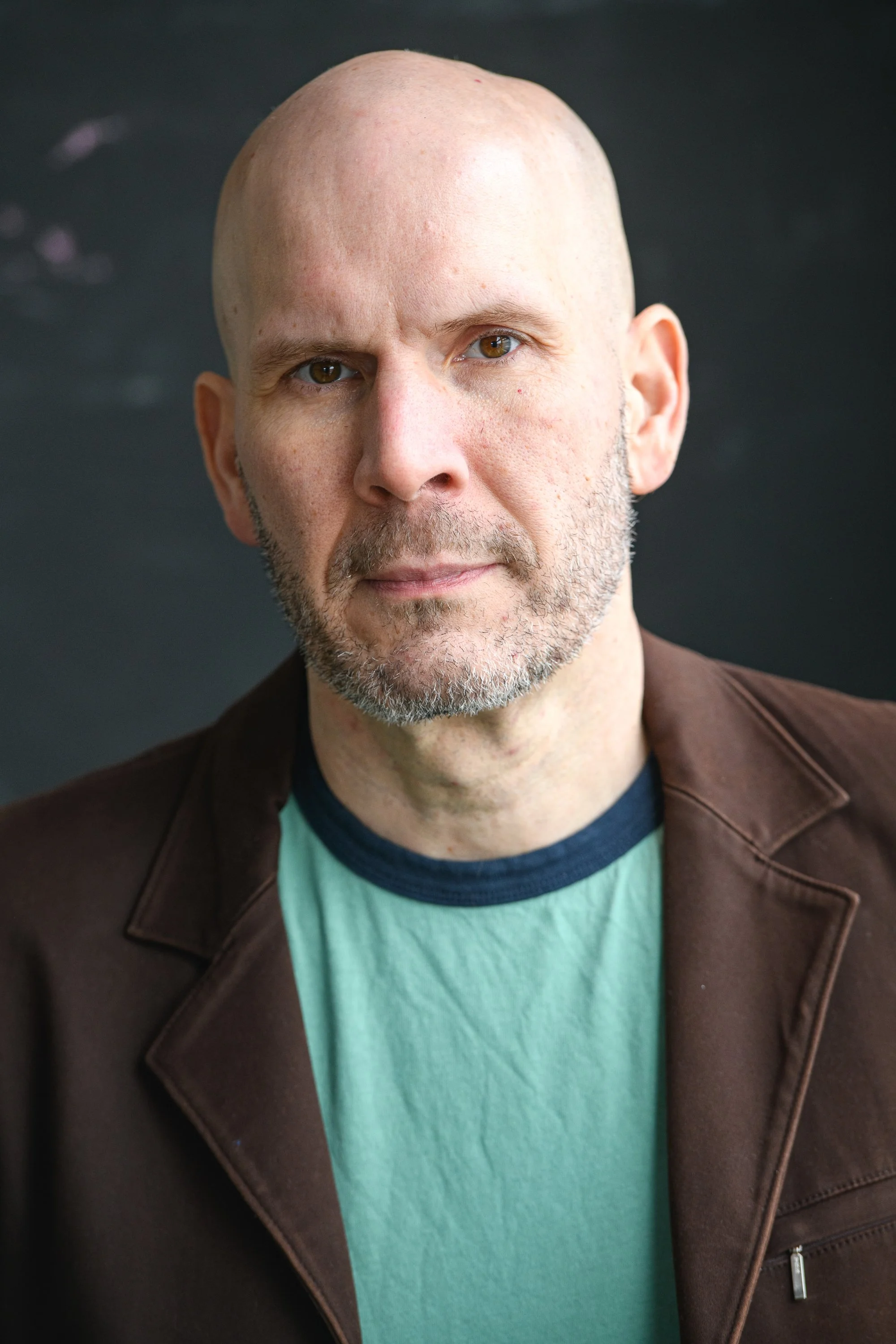
A blazer you already own can suggest authority without feeling stiff.
This is not about dressing things up.
It is about giving casting useful information.
The problem is not simplicity.
The problem is vagueness.
A Thought About Career Growth
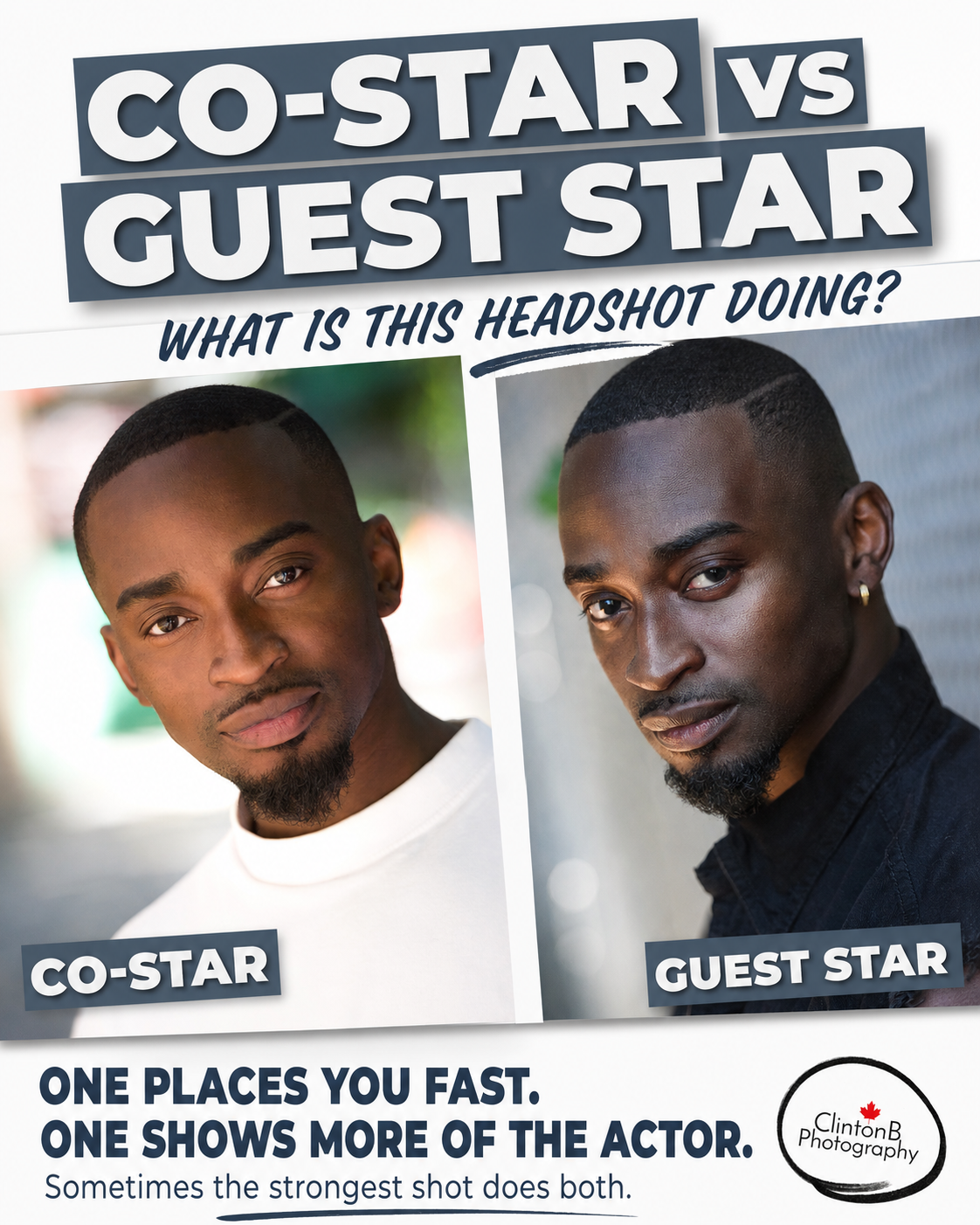
Co-star roles can get you in the room. Guest stars and recurring roles often ask for more.
More presence.
More point of view.
More sense that this person belongs in the world of the show.
If your materials only ever communicate neutral functionality, that may be the category you stay in.
If your materials start to communicate narrative weight and tonal fit, you give yourself a better shot at being seen for more substantial work.
Not by pretending to be someone else.
By getting clearer about who you already are.
A Note to Agents and Managers
I completely understand the desire for clean, submission-friendly shots.
Thumbnails matter.
Clarity matters.
Ease matters.
The goal is never to create images that are busy or distracting.
The goal is to create images that read instantly and stay in memory.
Clean does not have to mean vague.
Simple does not have to mean flat.
The strongest headshots are both clear and specific. They help casting place the actor quickly, without pushing too hard or doing the acting for them.
That balance is the work.
And yes, every now and then, let me put a layer on somebody.
Honestly, there are agents and managers I work with often who specifically request just a t-shirt. And we absolutely do that. But I’ll say this: when I sneak in a simple layer, it is very often one of those images that gets chosen. Why? Because the layer adds character. It adds story. It adds a sense of world. It gives the image just a little more life.
What do you think?

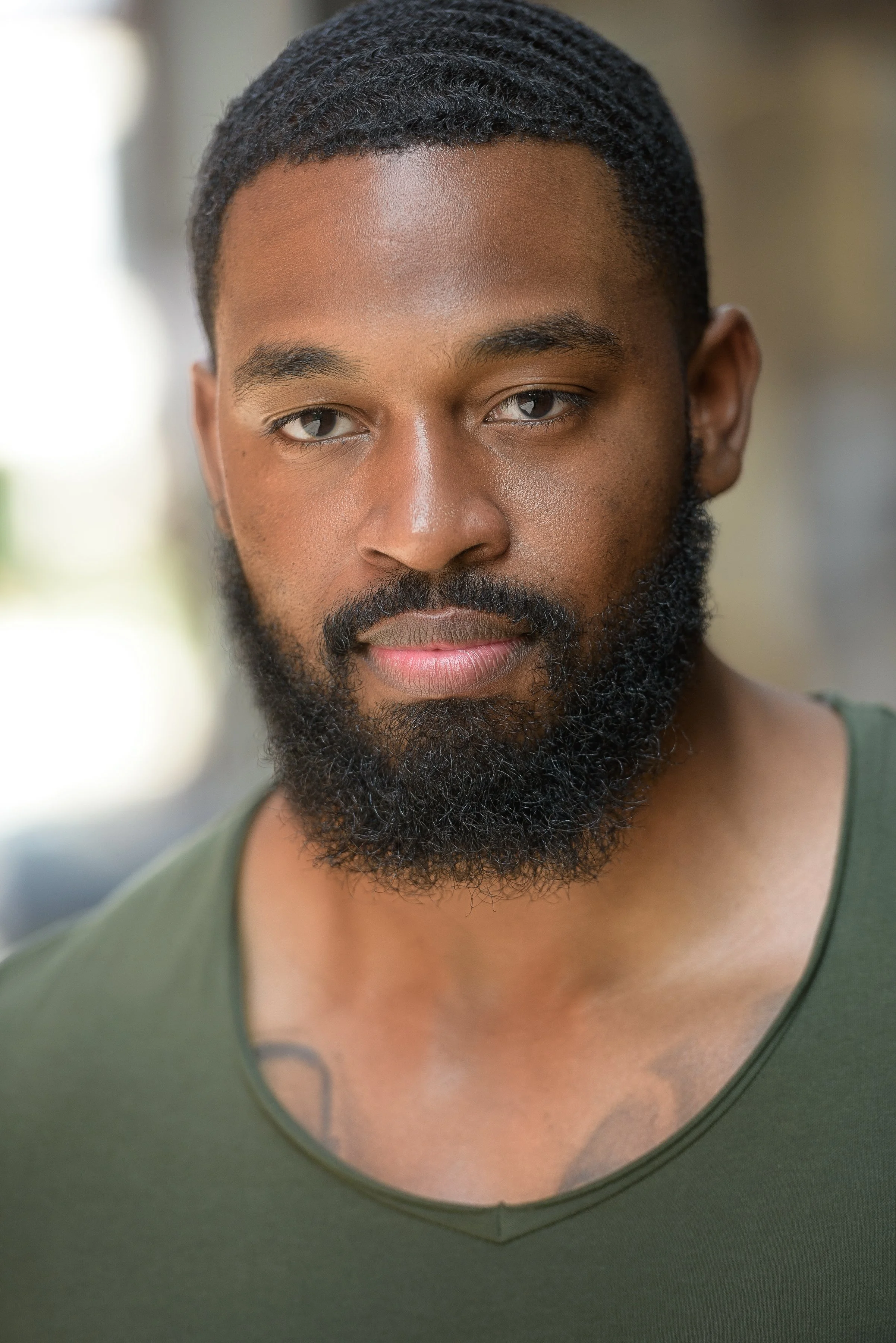
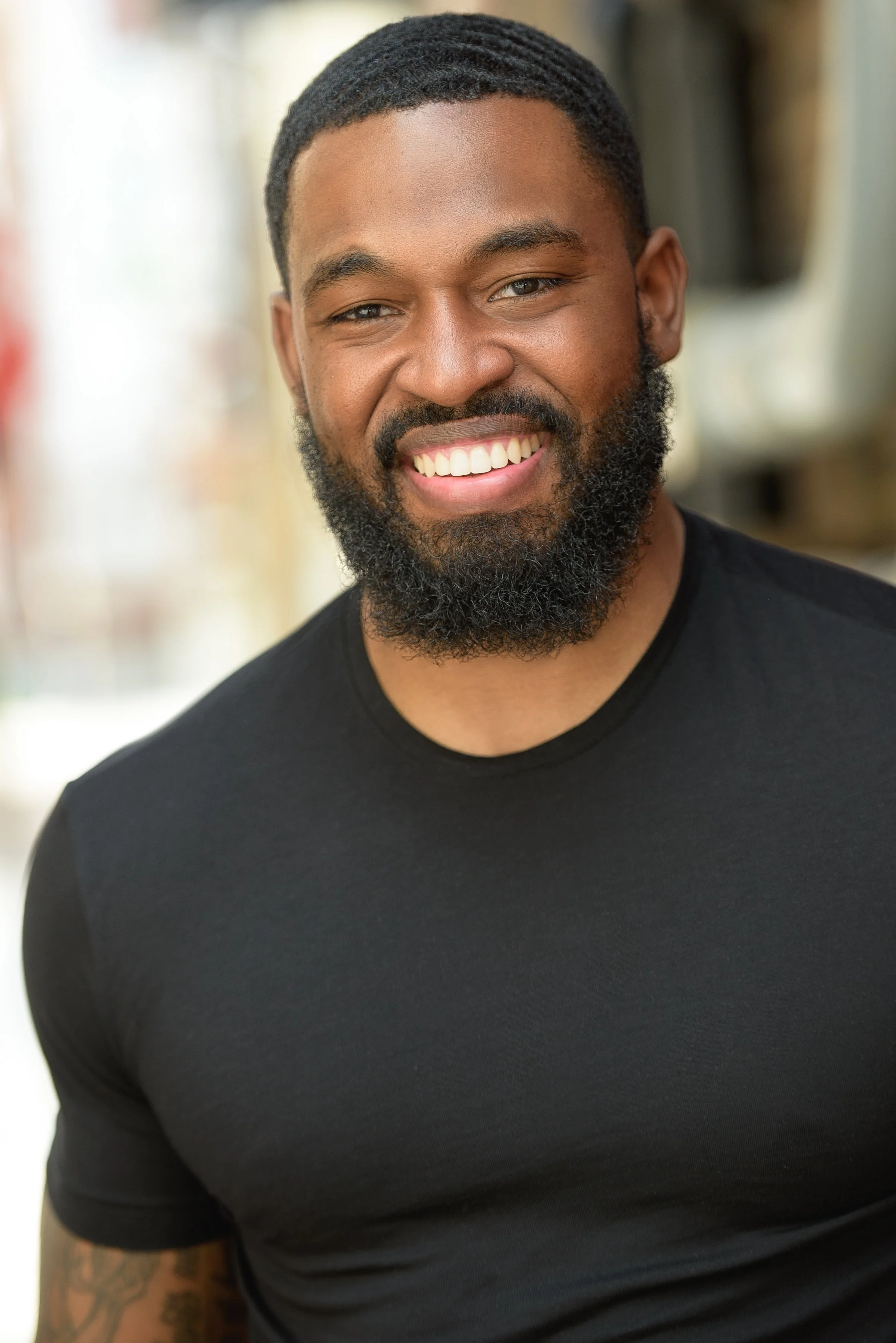
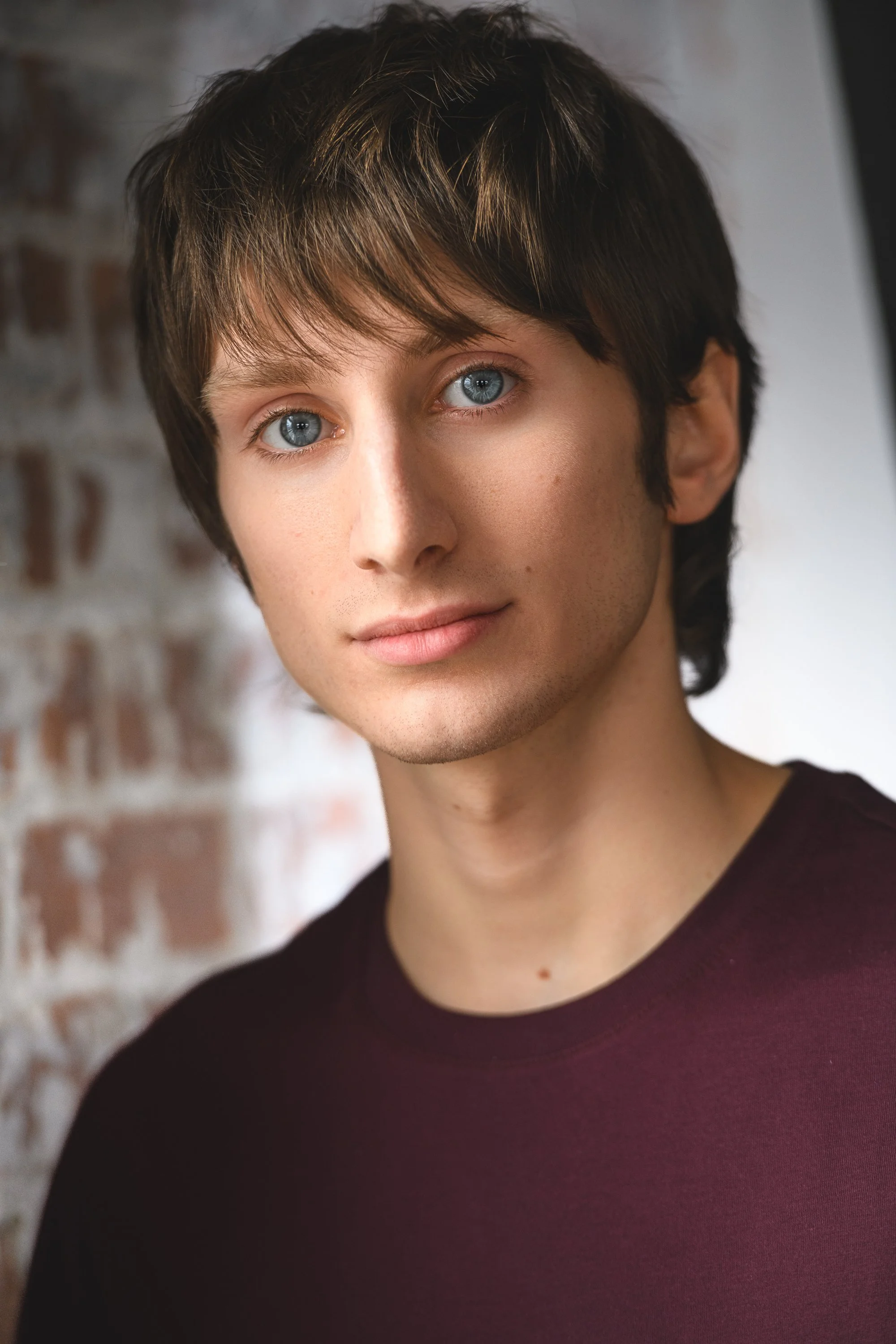

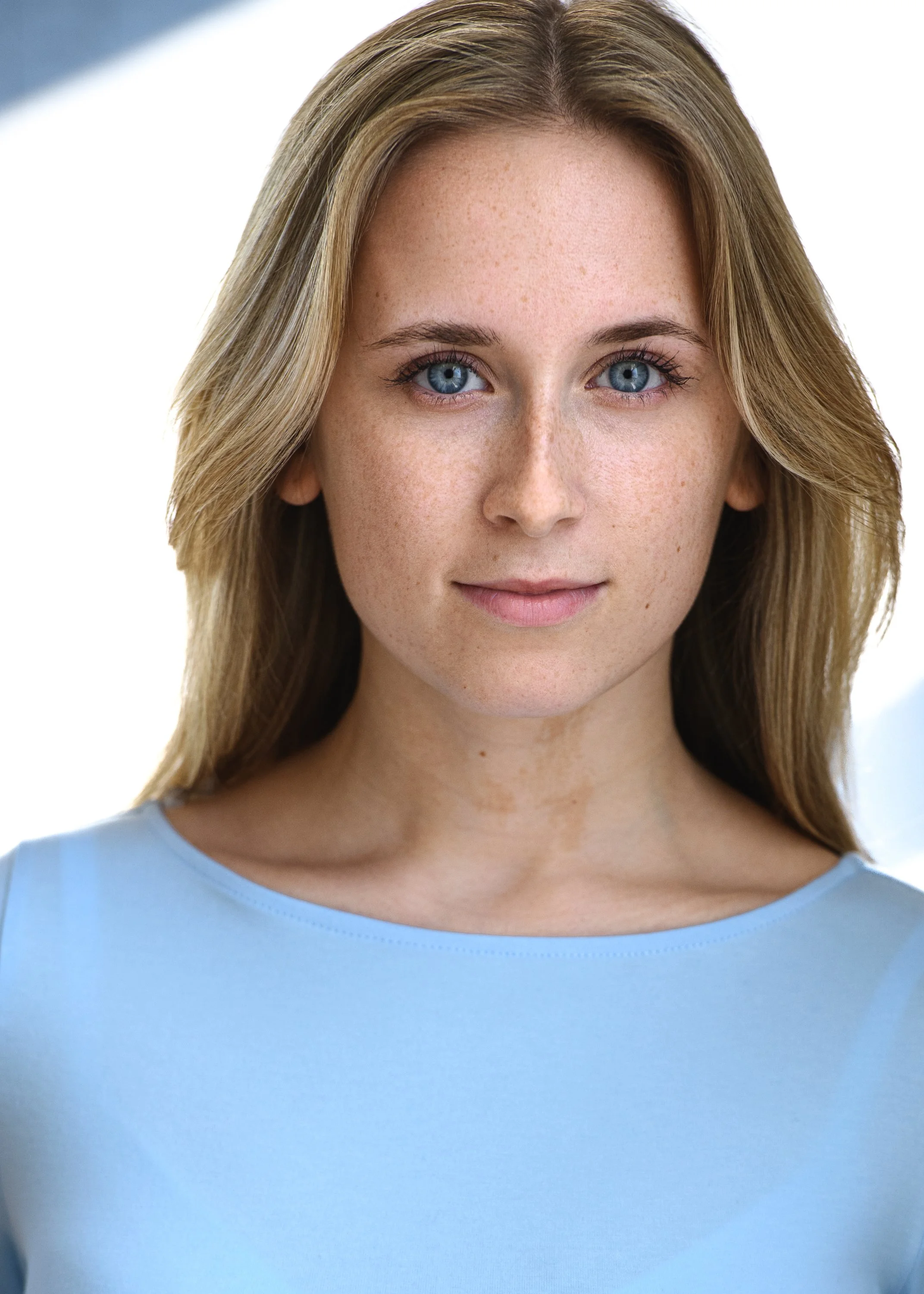

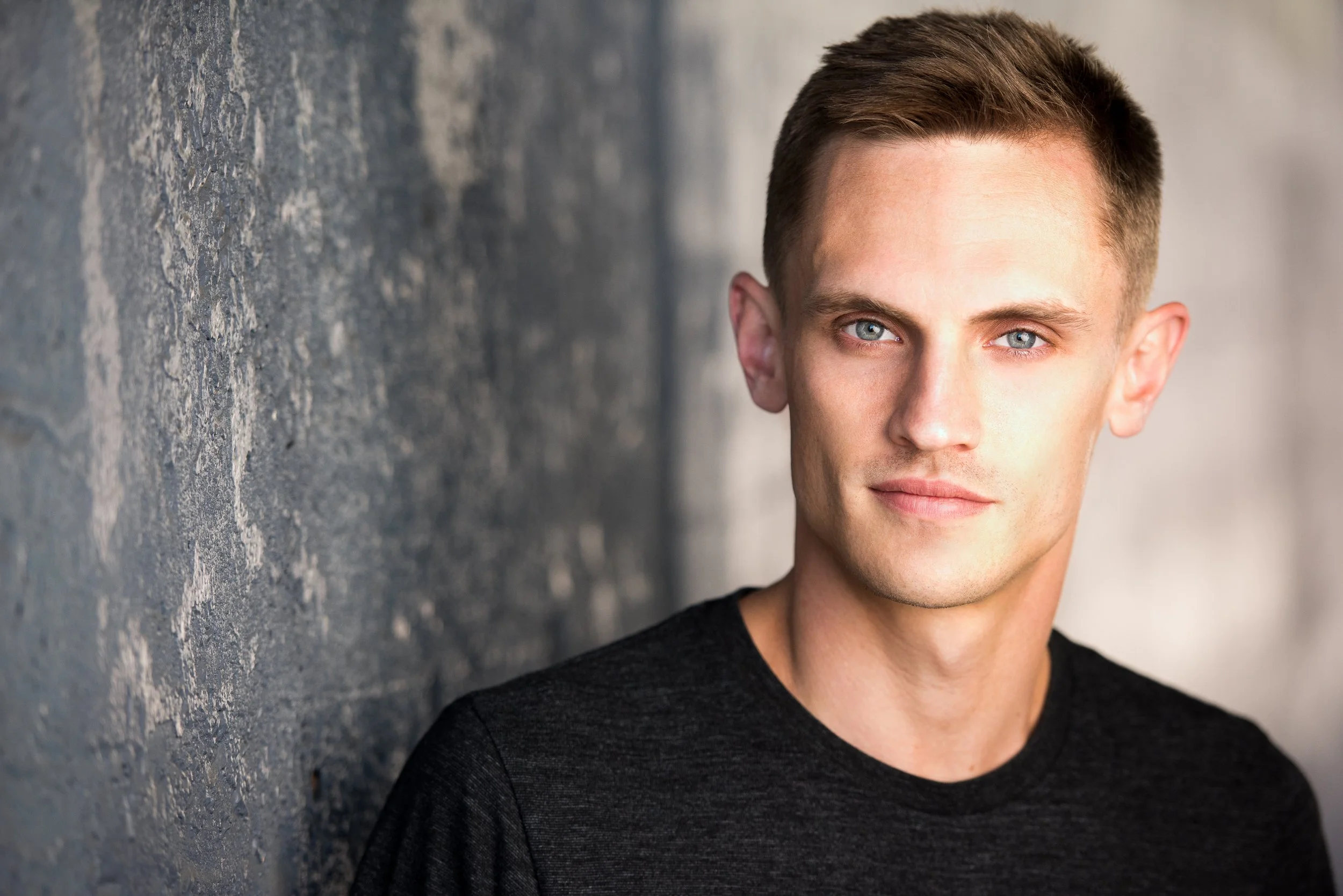



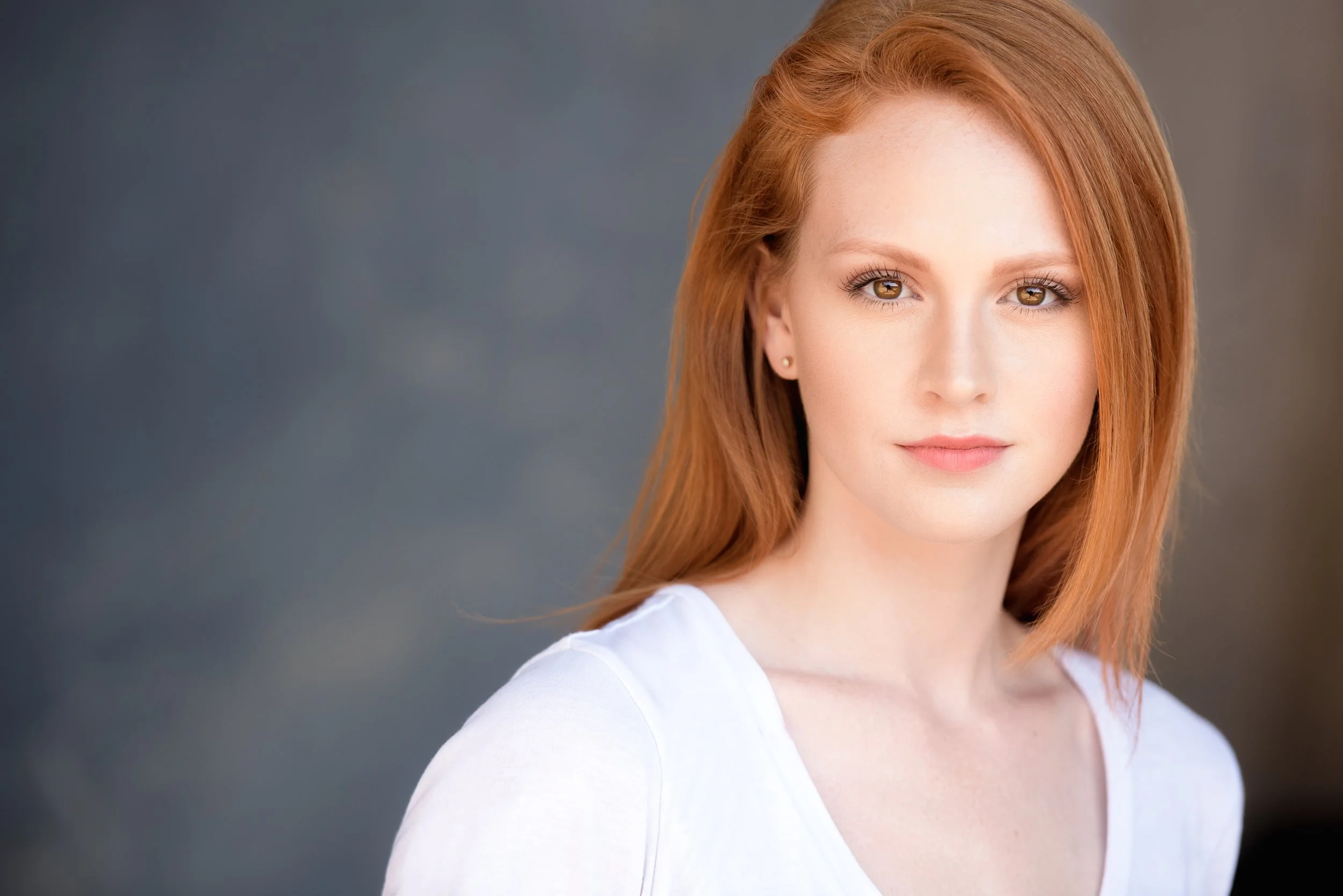


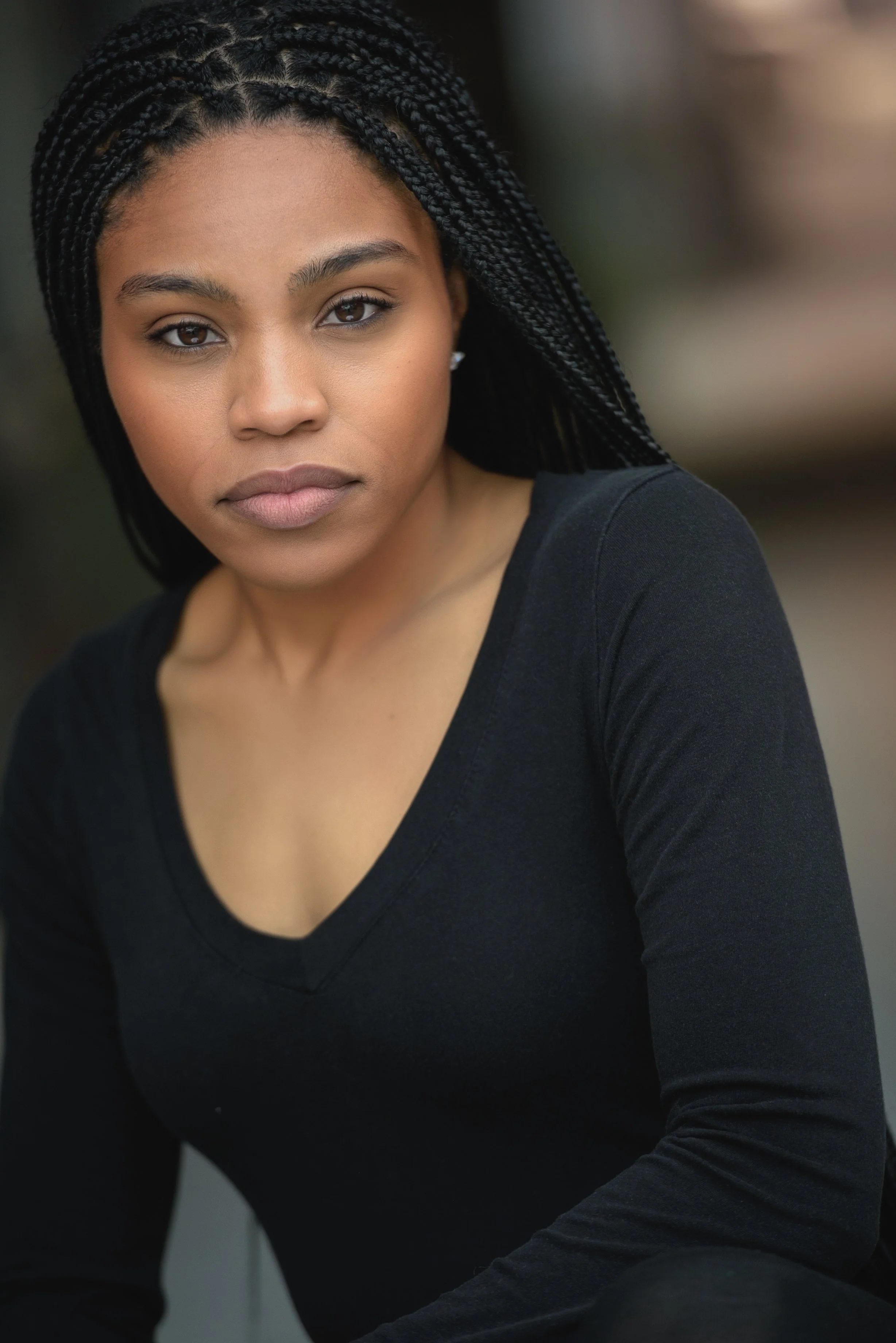
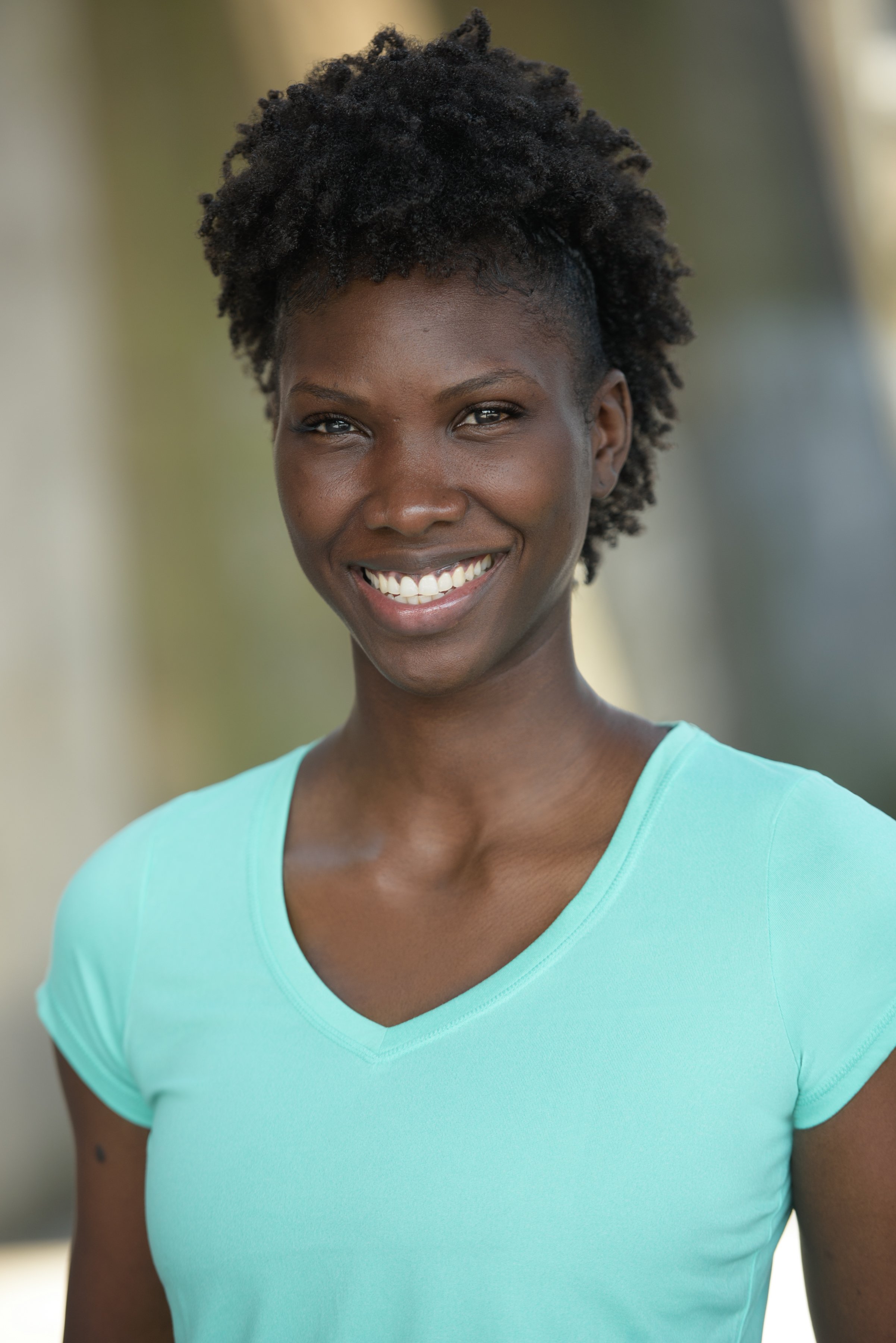
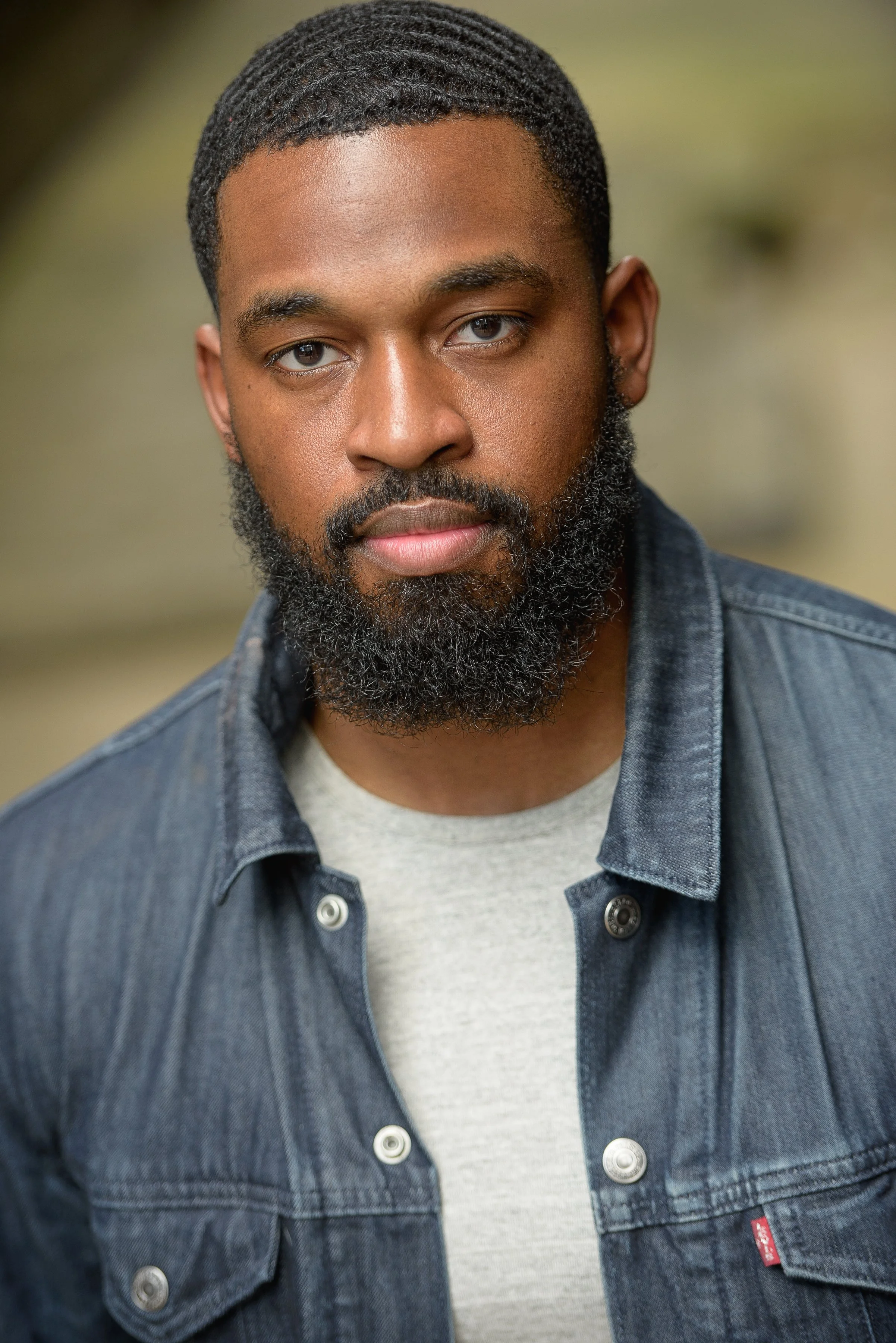
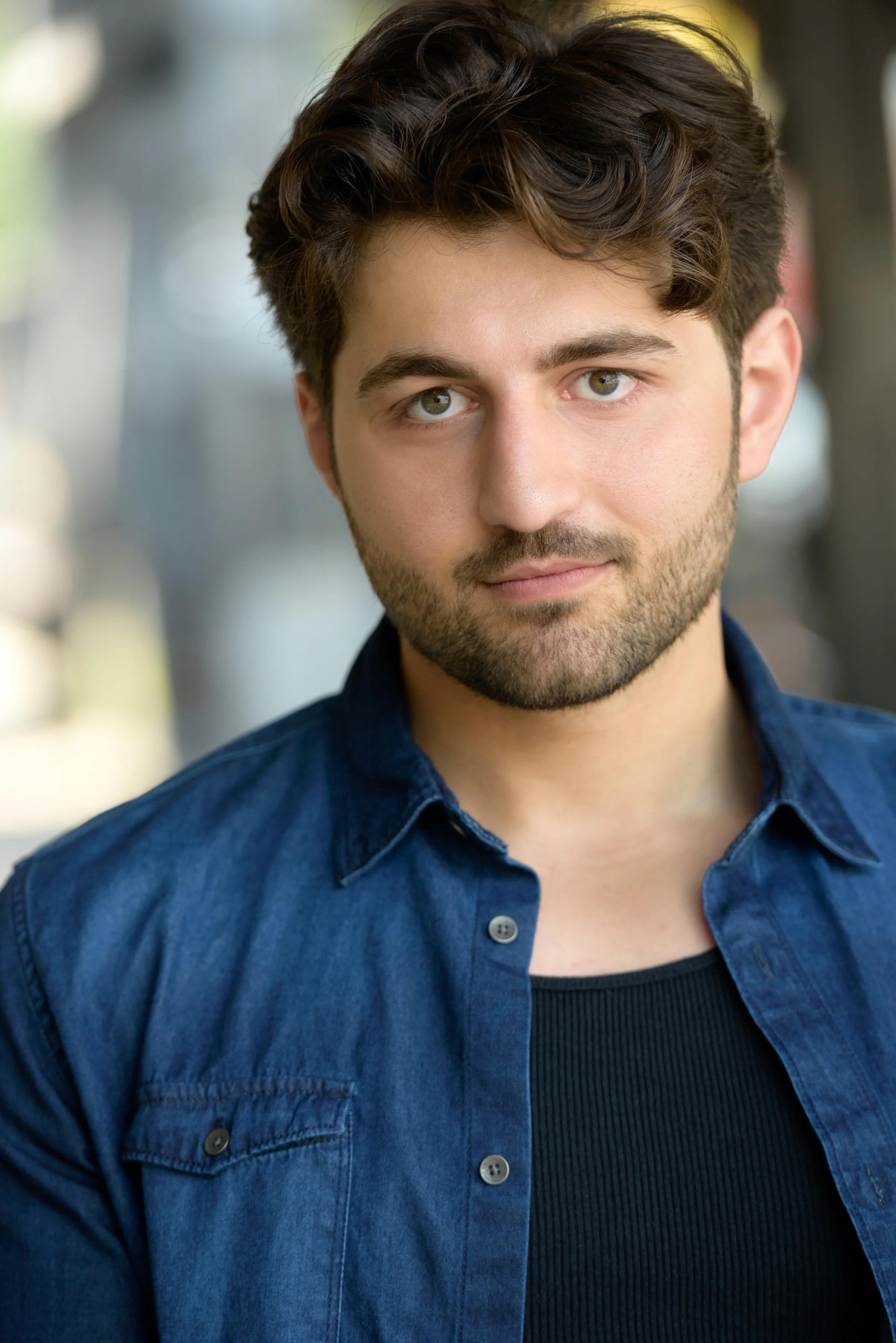

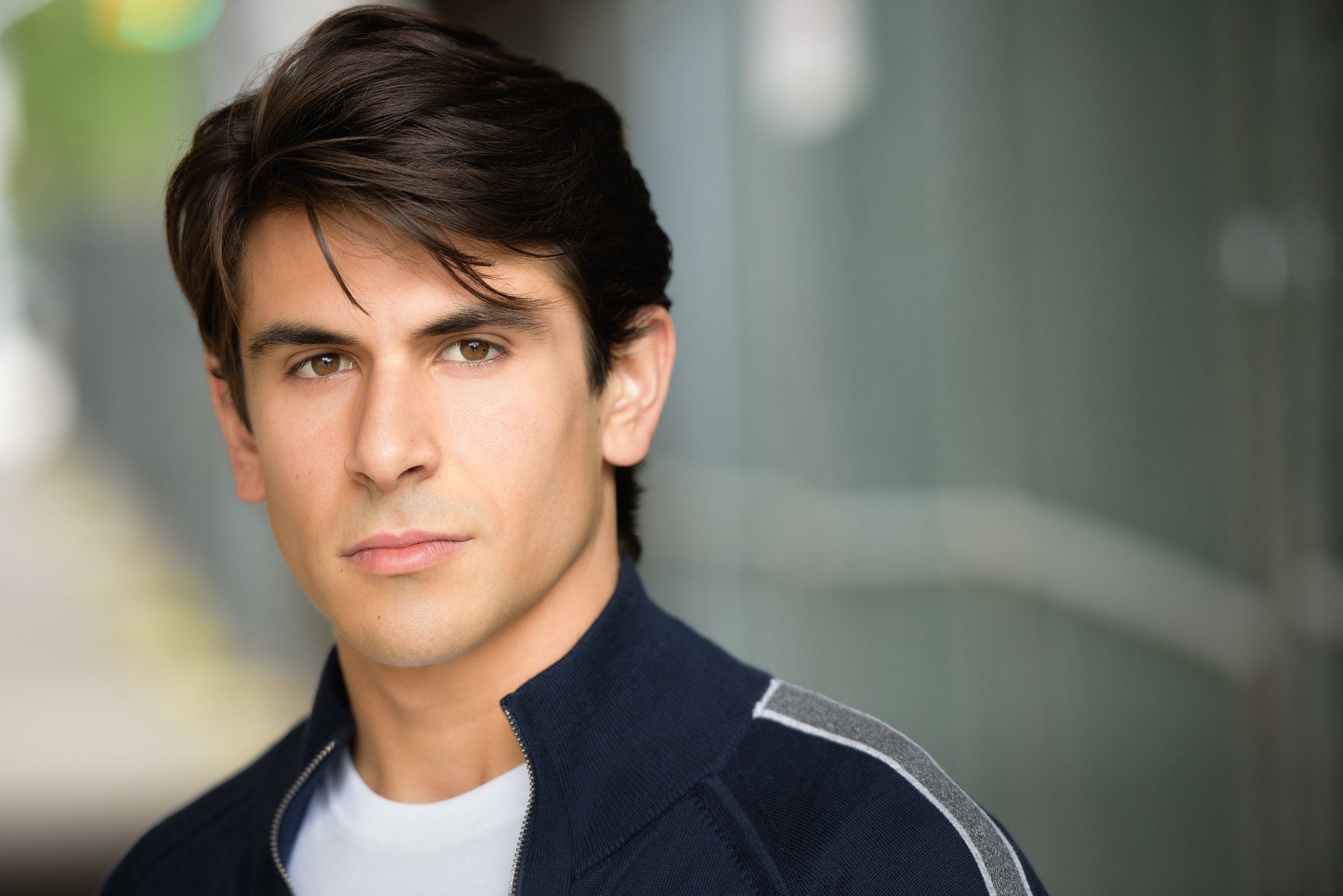
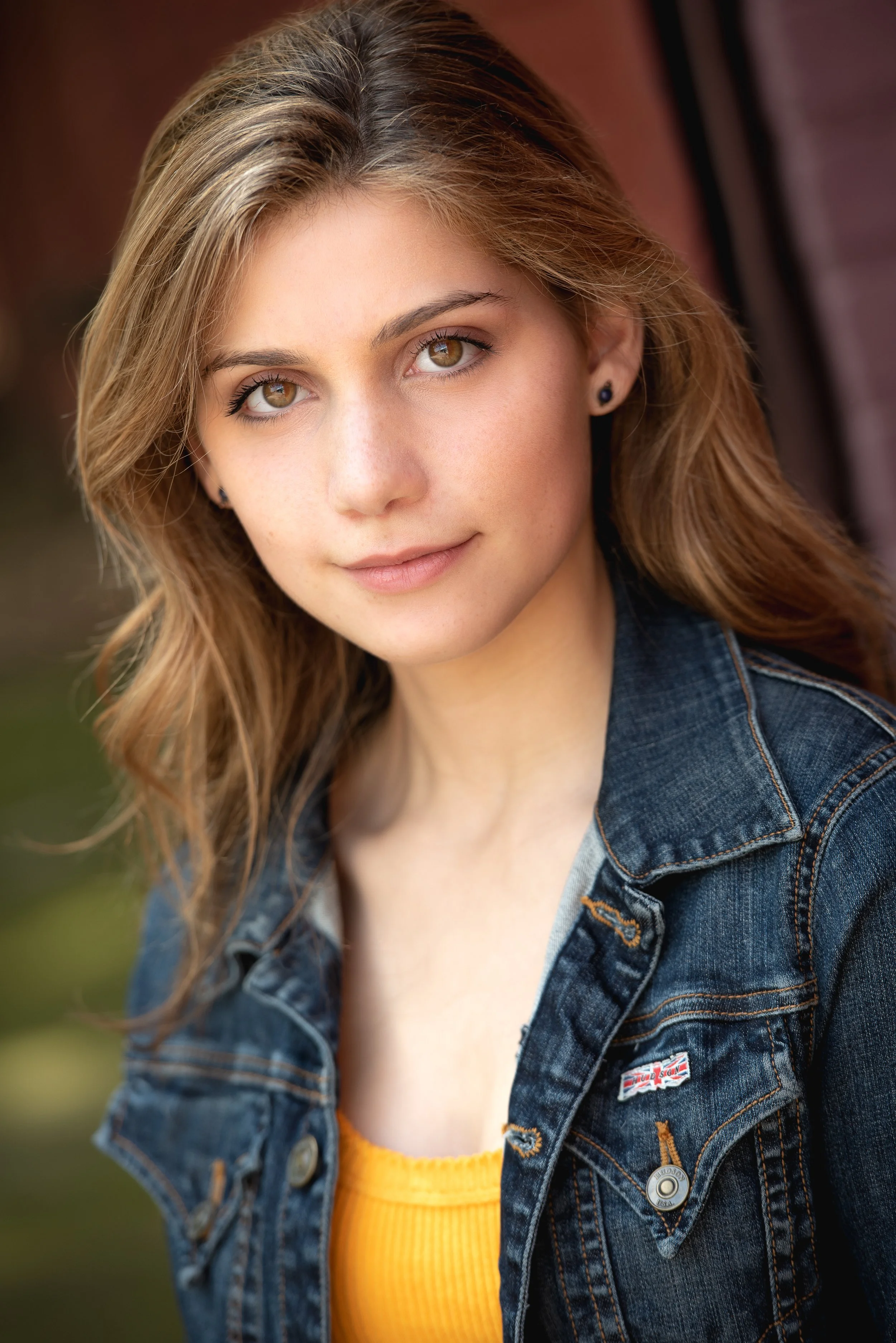
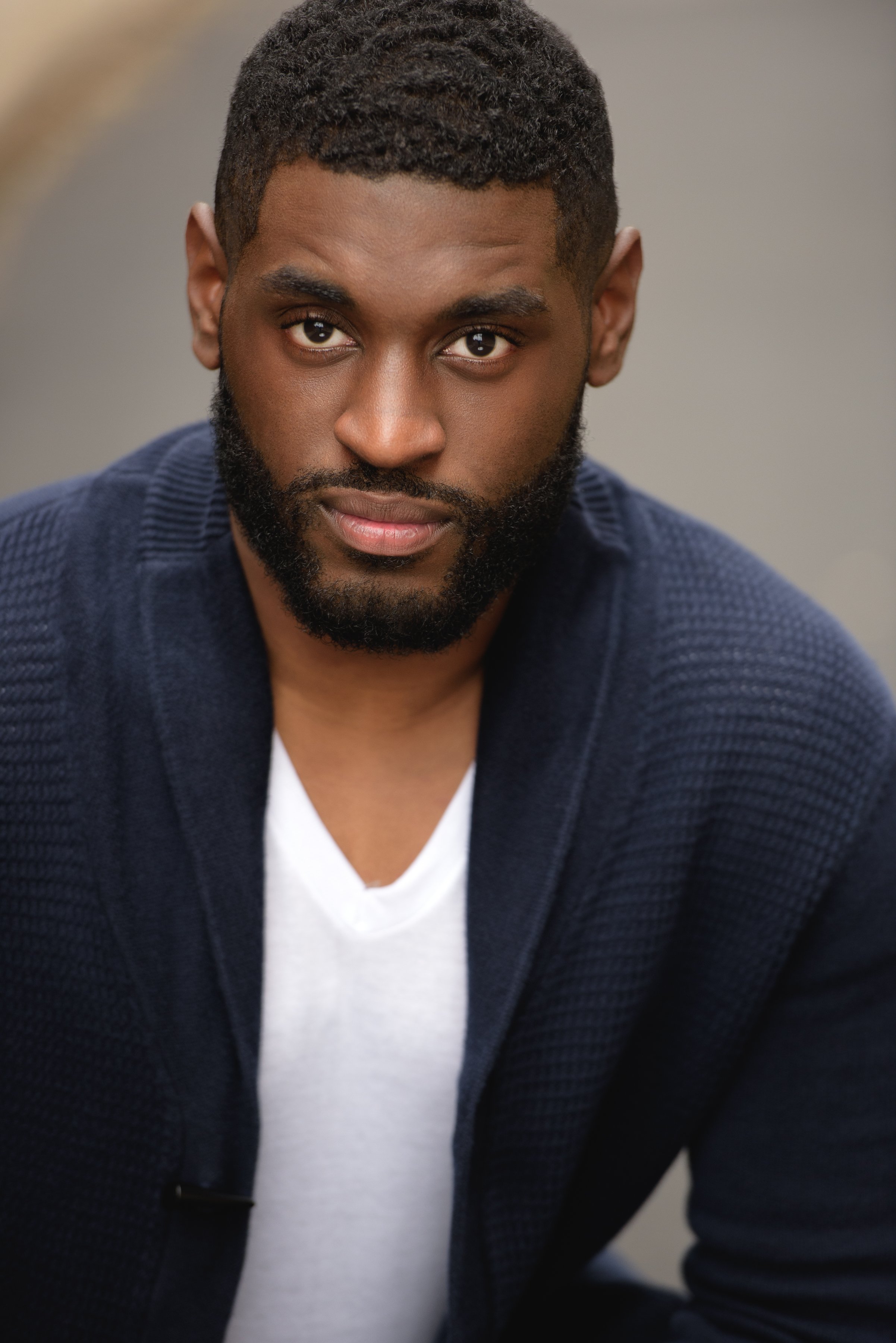
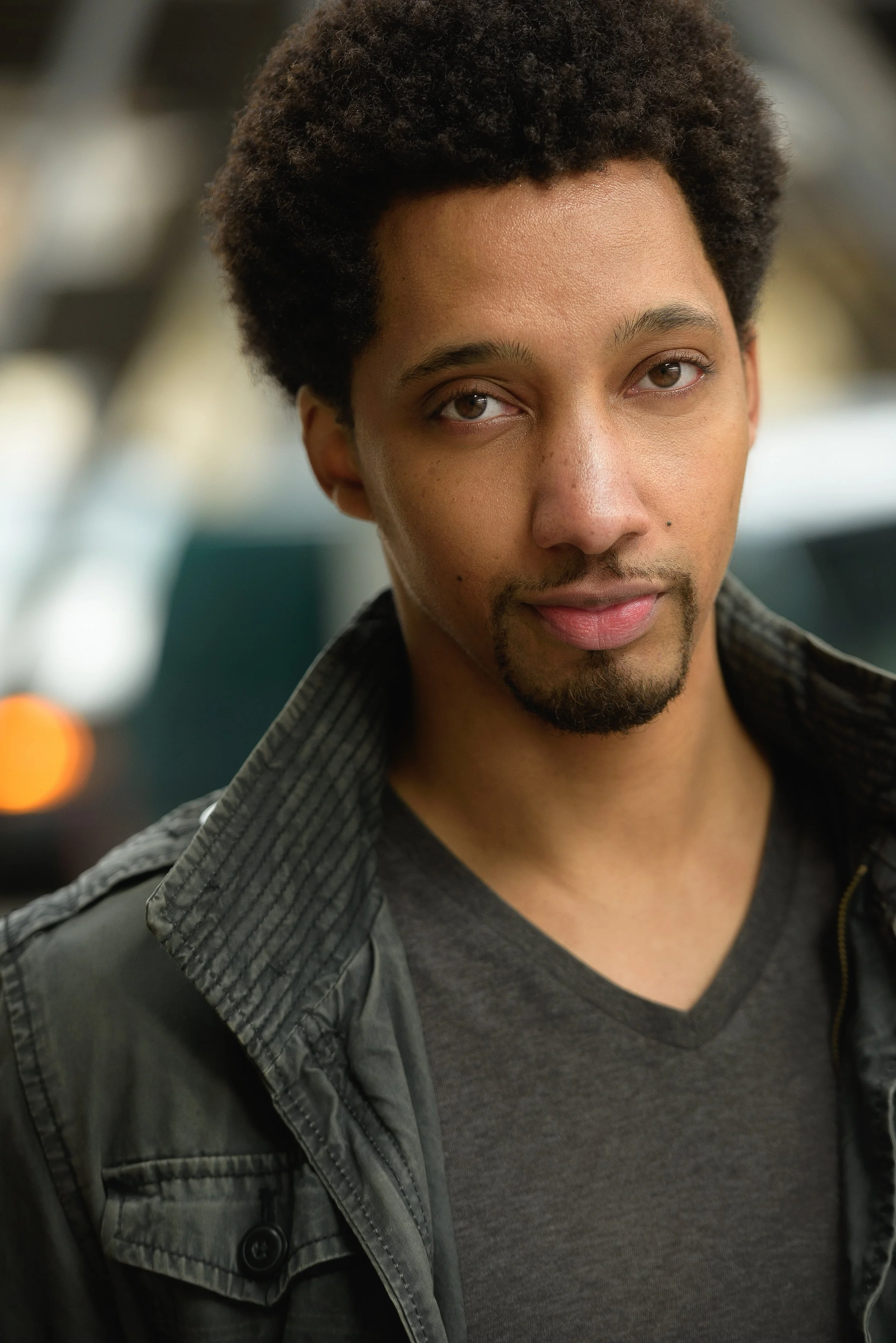
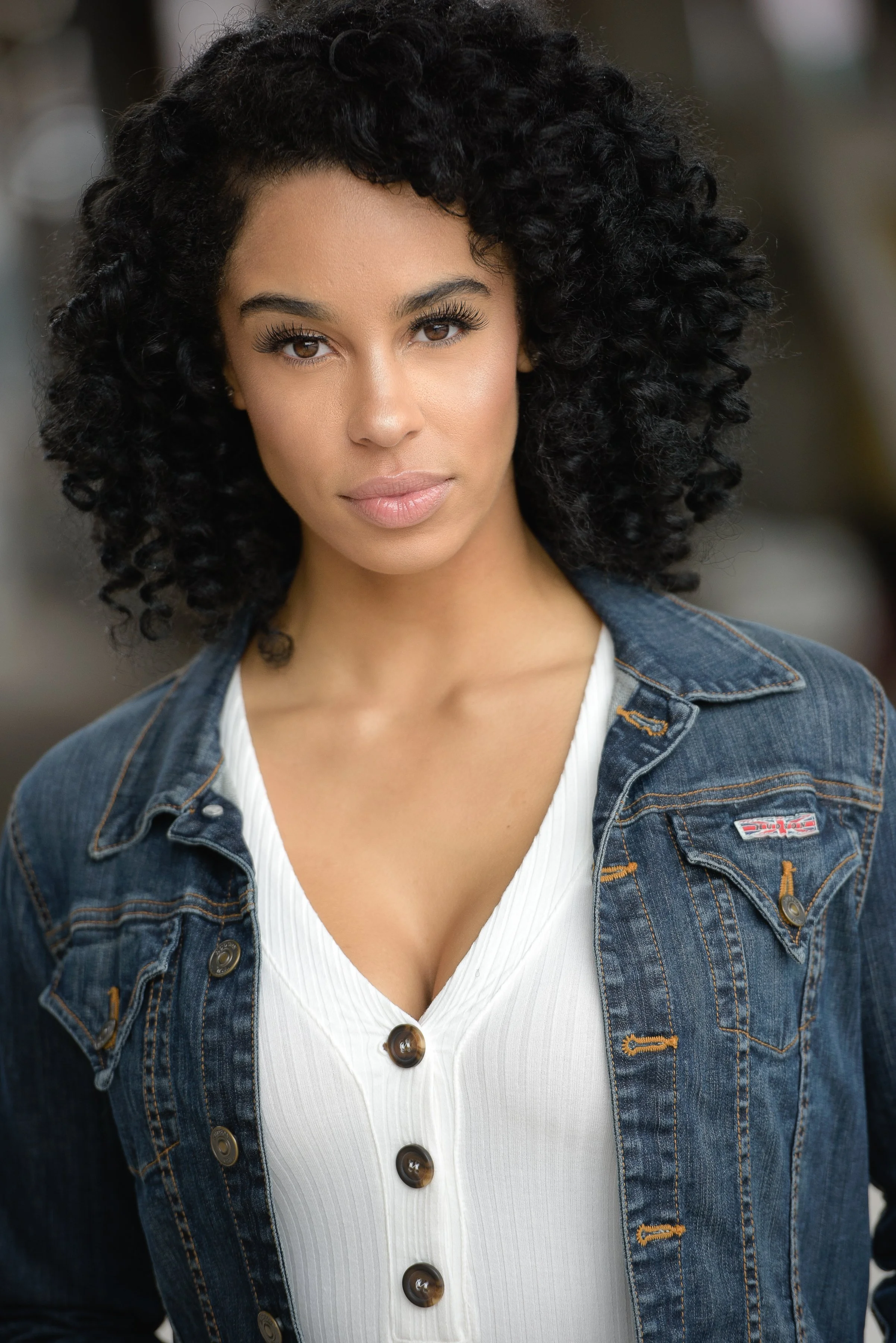
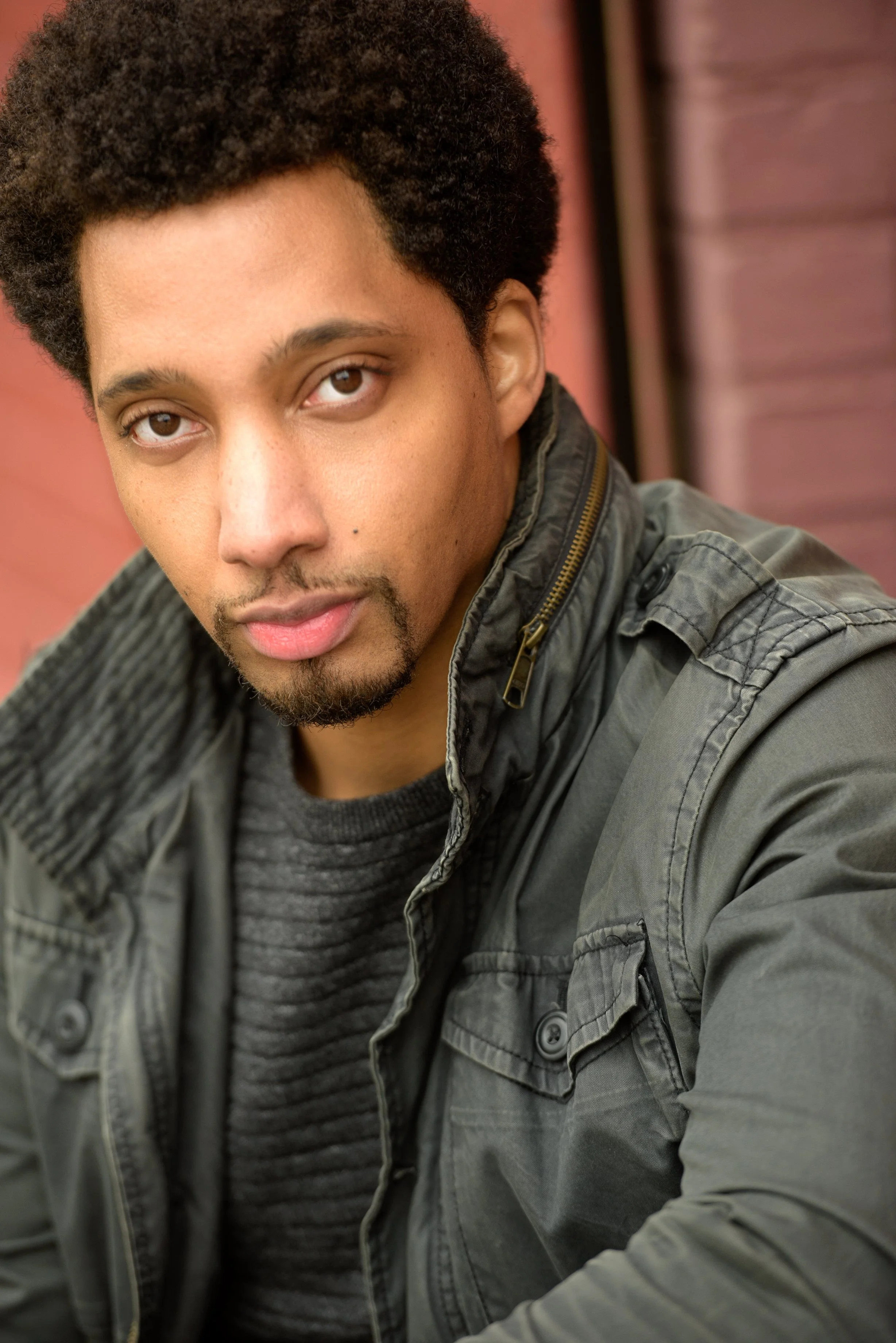
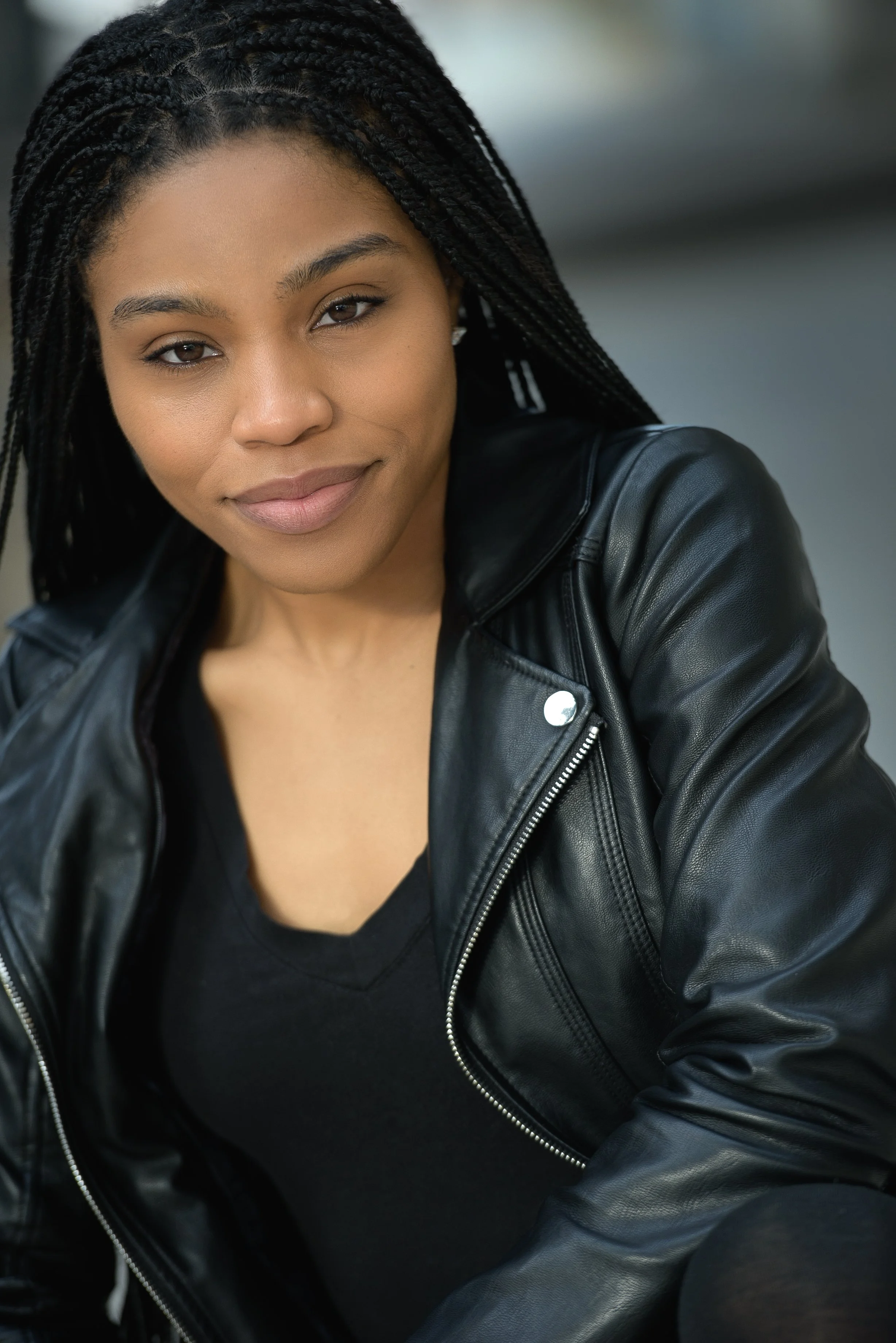

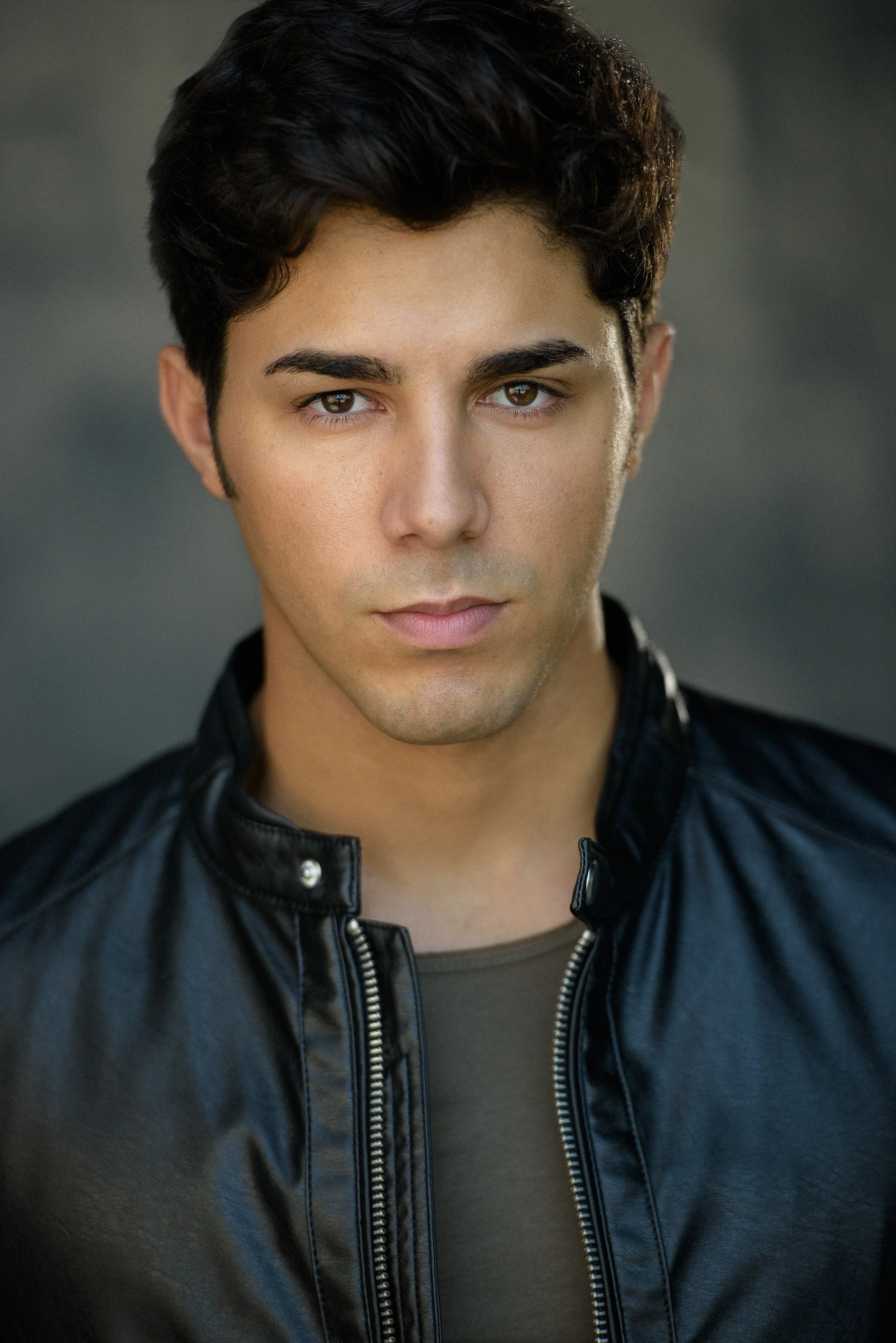



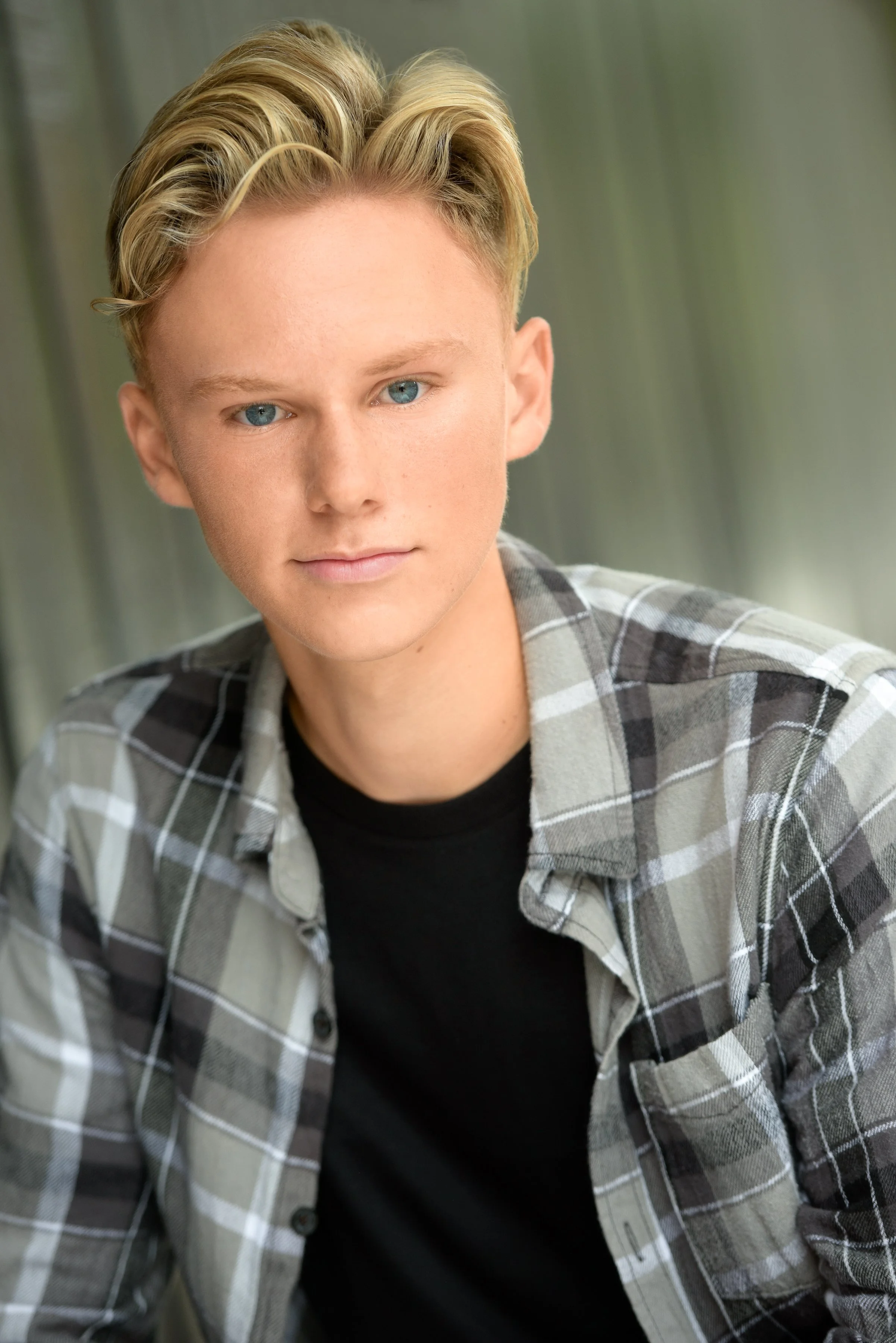

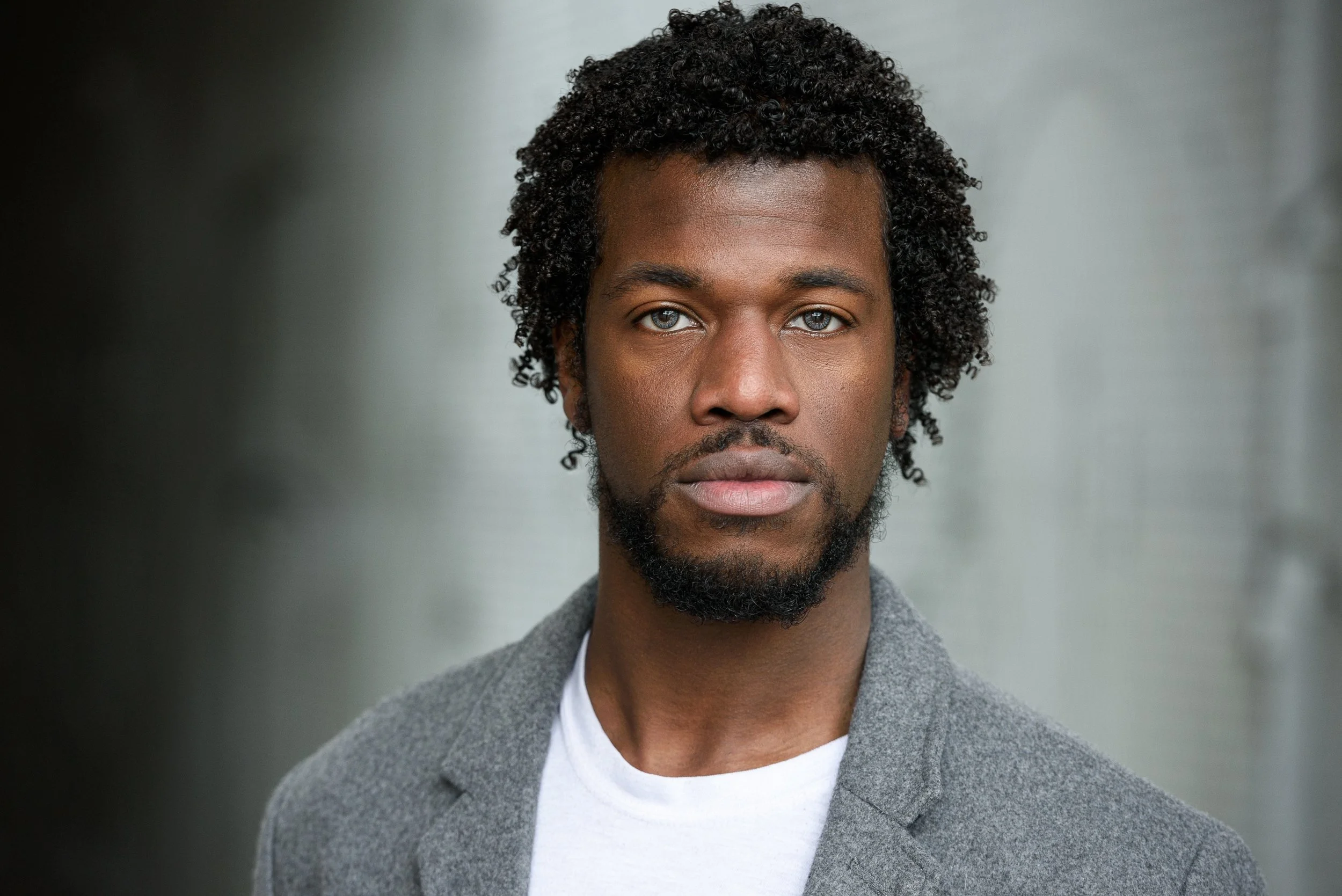

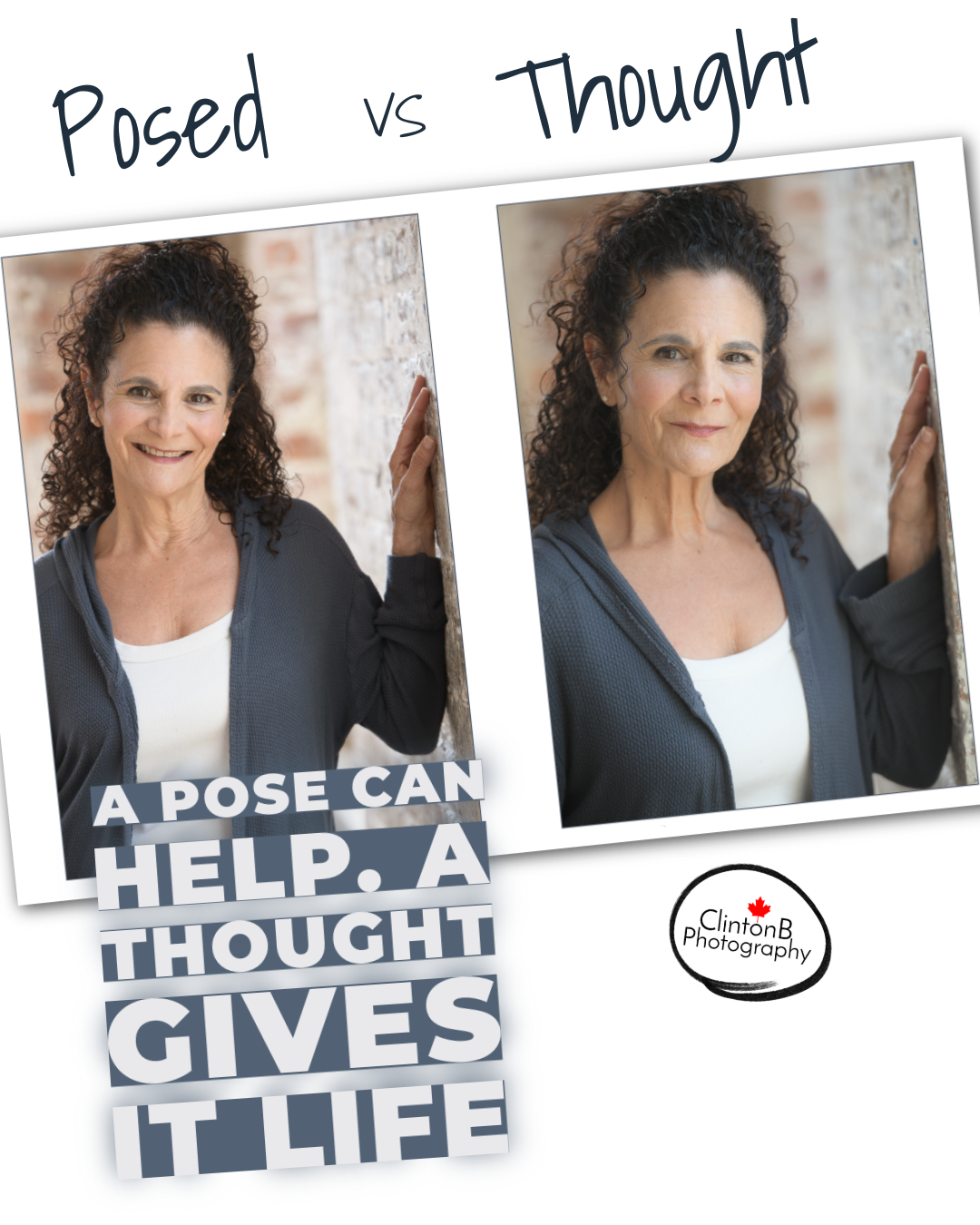

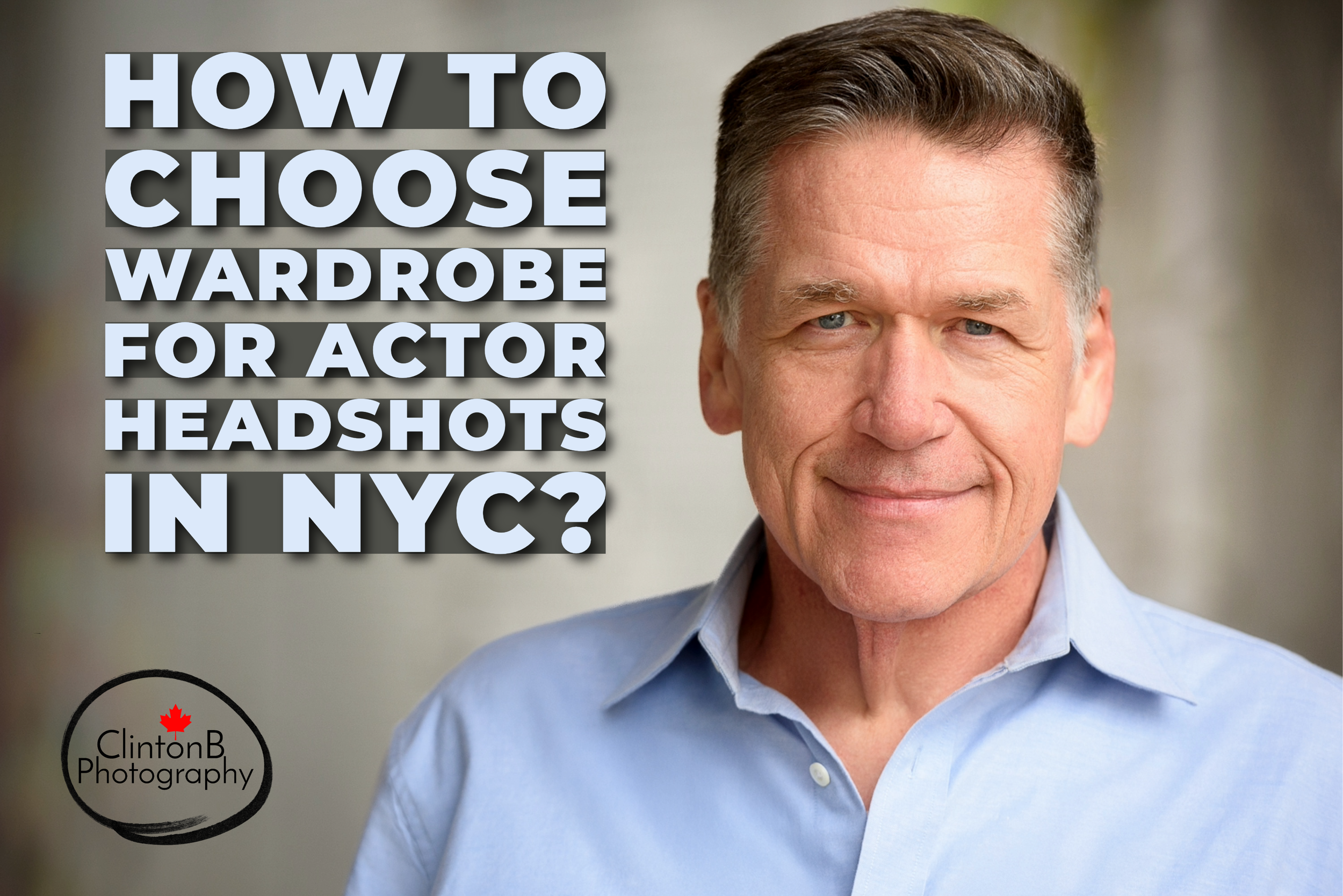
Serious isn’t the problem. Empty is. A headshot can be still, intense, and controlled, but it still has to feel alive. If there’s nothing happening behind the eyes, casting feels it immediately.