
Serious Isn’t a Problem. Empty Is.
Serious isn’t the problem. Empty is. A headshot can be still, intense, and controlled, but it still has to feel alive. If there’s nothing happening behind the eyes, casting feels it immediately.

What Should I Look for in an NYC Actor Headshot Photographer?
Choosing an actor headshot photographer in NYC can feel overwhelming. A great headshot should do more than make you look polished. It should help casting understand who you are, where you fit, and why they should click. Here’s what actors should look for before booking a headshot session.
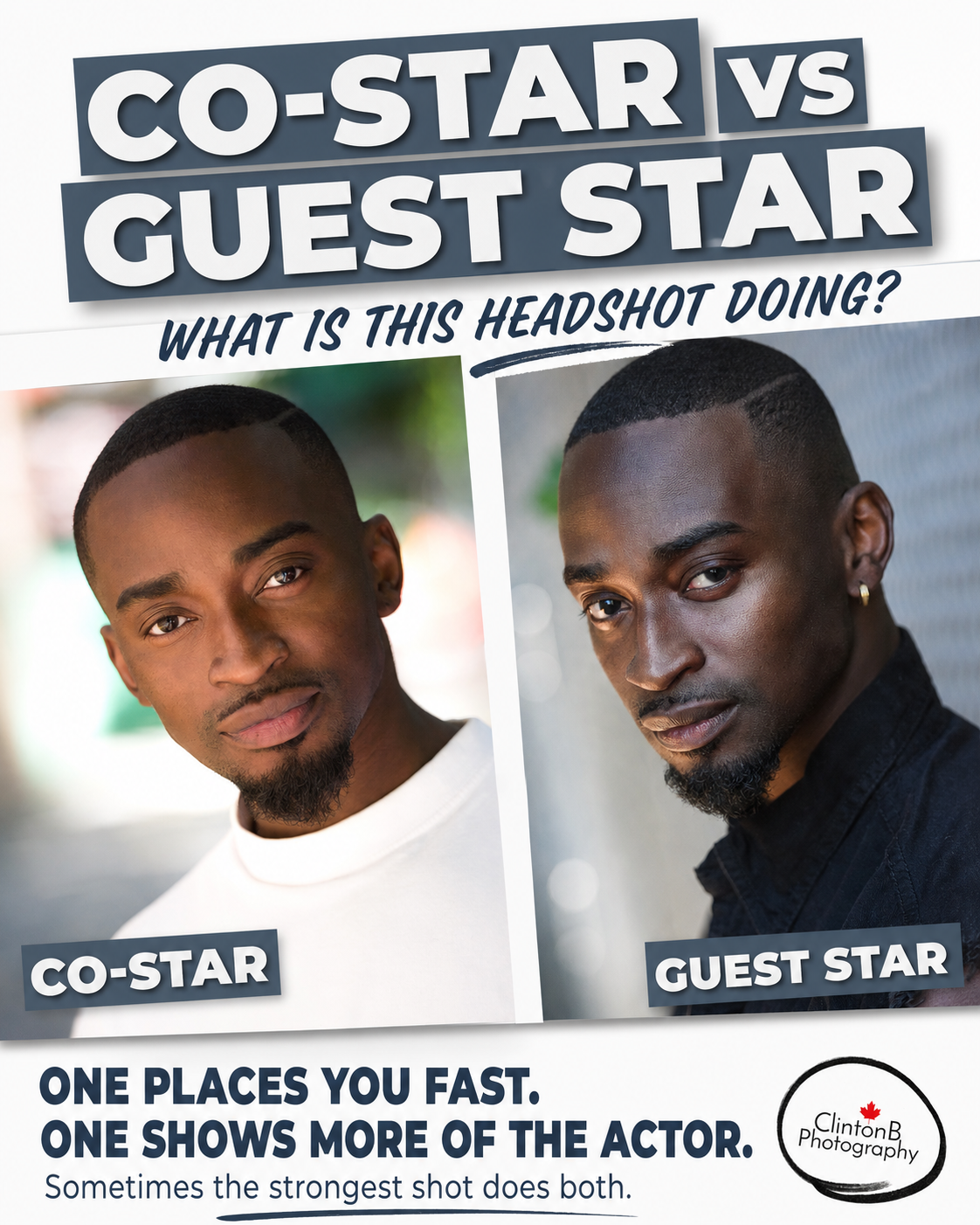
Co-Star Headshots vs. Guest Star Headshots: What Are We Actually Targeting?
Actors often plan headshots around broad categories like professional, casual, dramatic, or commercial. But vague headshots disappear fast. This post breaks down how to think about co-star vs. guest star targeting, how wardrobe can hint at the right world without becoming costume, and why a strong set should include both clear casting signals and a more specific sense of who you are as a working actor.
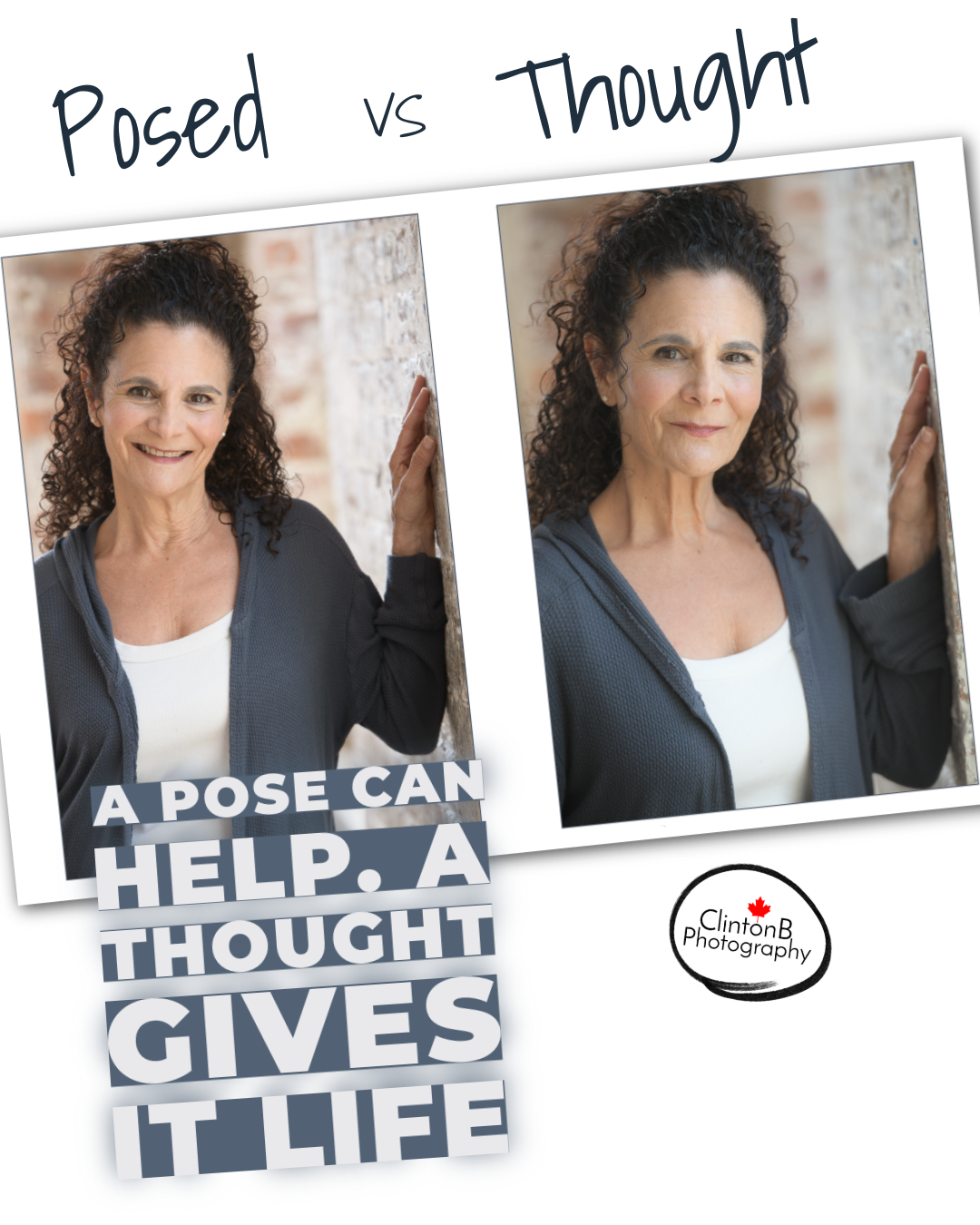
Why Some Headshots Feel Alive and Others Just Feel Posed
A better headshot usually starts underneath the face. This post breaks down how intention, point of view, and treating the camera like a real scene partner can make a shot feel connected instead of posed.
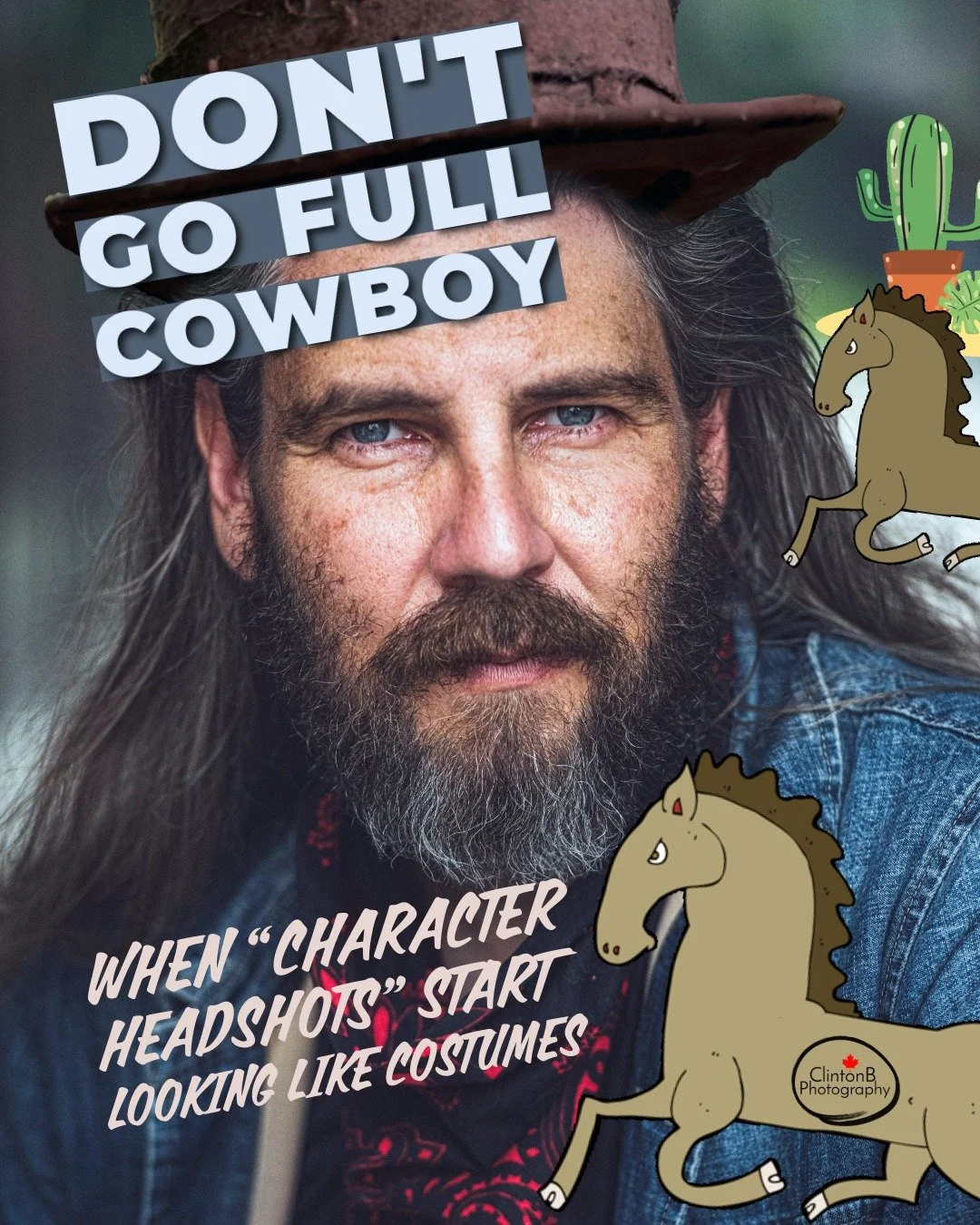
Don’t Go Full Cowboy: When “Character Headshots” Start Looking Like Costumes
If your headshots are starting to look more like outfits than people, it may be time to pull back. Here’s how I think actors should use wardrobe to suggest type, genre, and current casting worlds without going full costume.
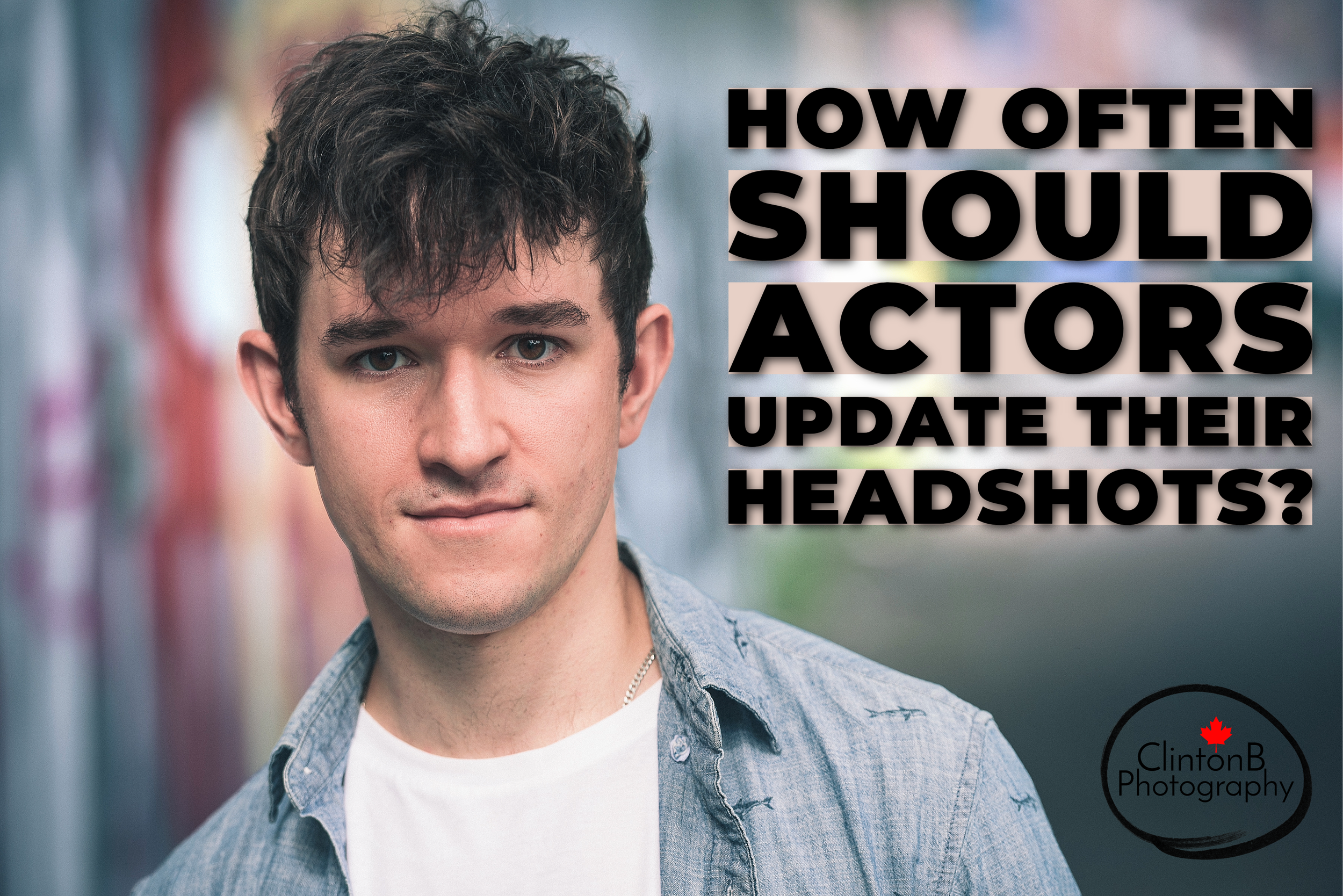
How Often Should Actors Update Their Headshots?
Actors do not always need new headshots on a fixed schedule. They need them when the old ones stop looking like them, stop reflecting how they are cast, or stop feeling current enough to do the job. This post breaks down a practical way to tell when your photos are still helping and when they may be quietly working against you.
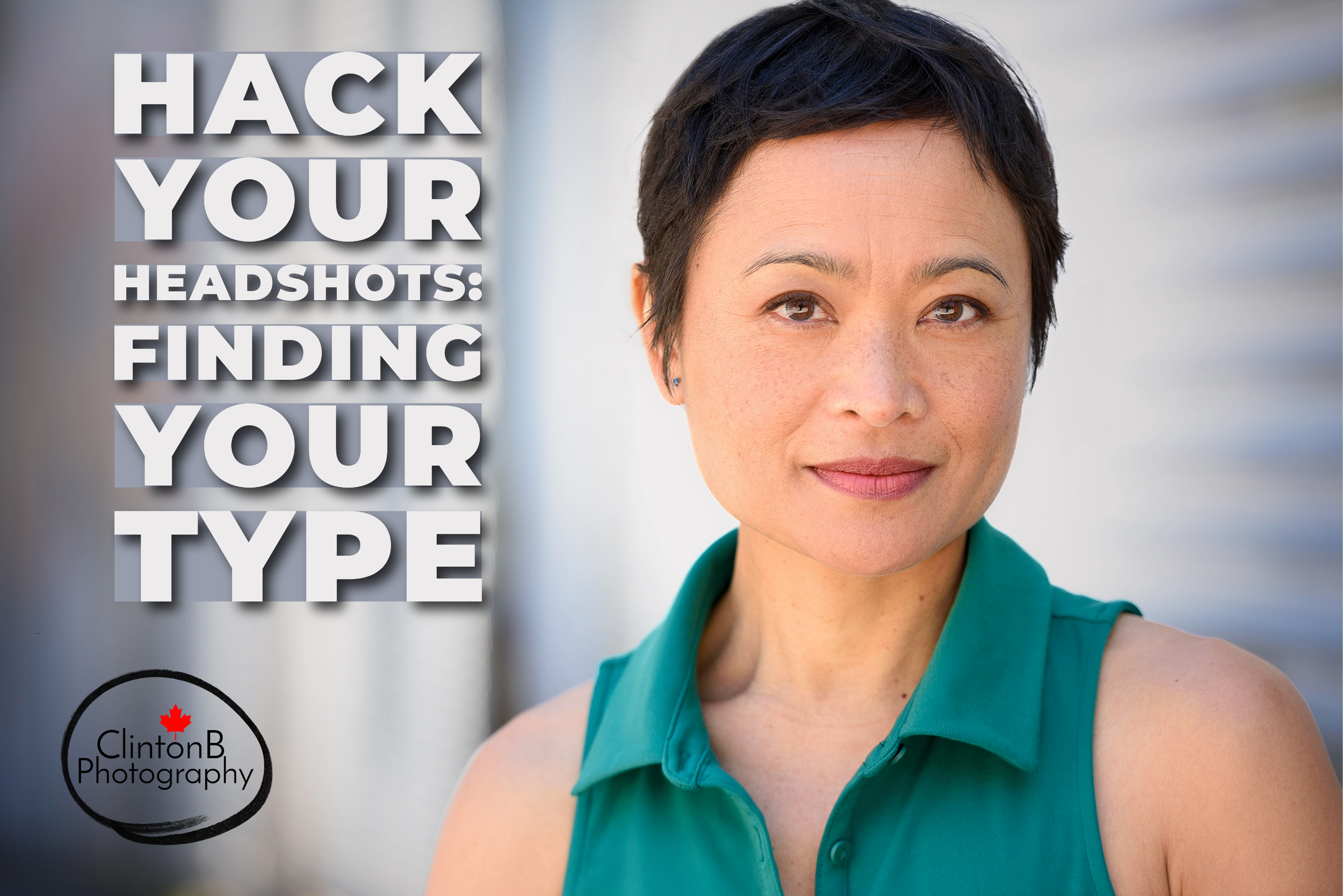
Hack Your Headshots: Finding Your Type
Type is not a box. It is the first read. This article breaks down how casting reads actor headshots fast, why clarity matters, and how to build photos that feel specific, believable, and castable.
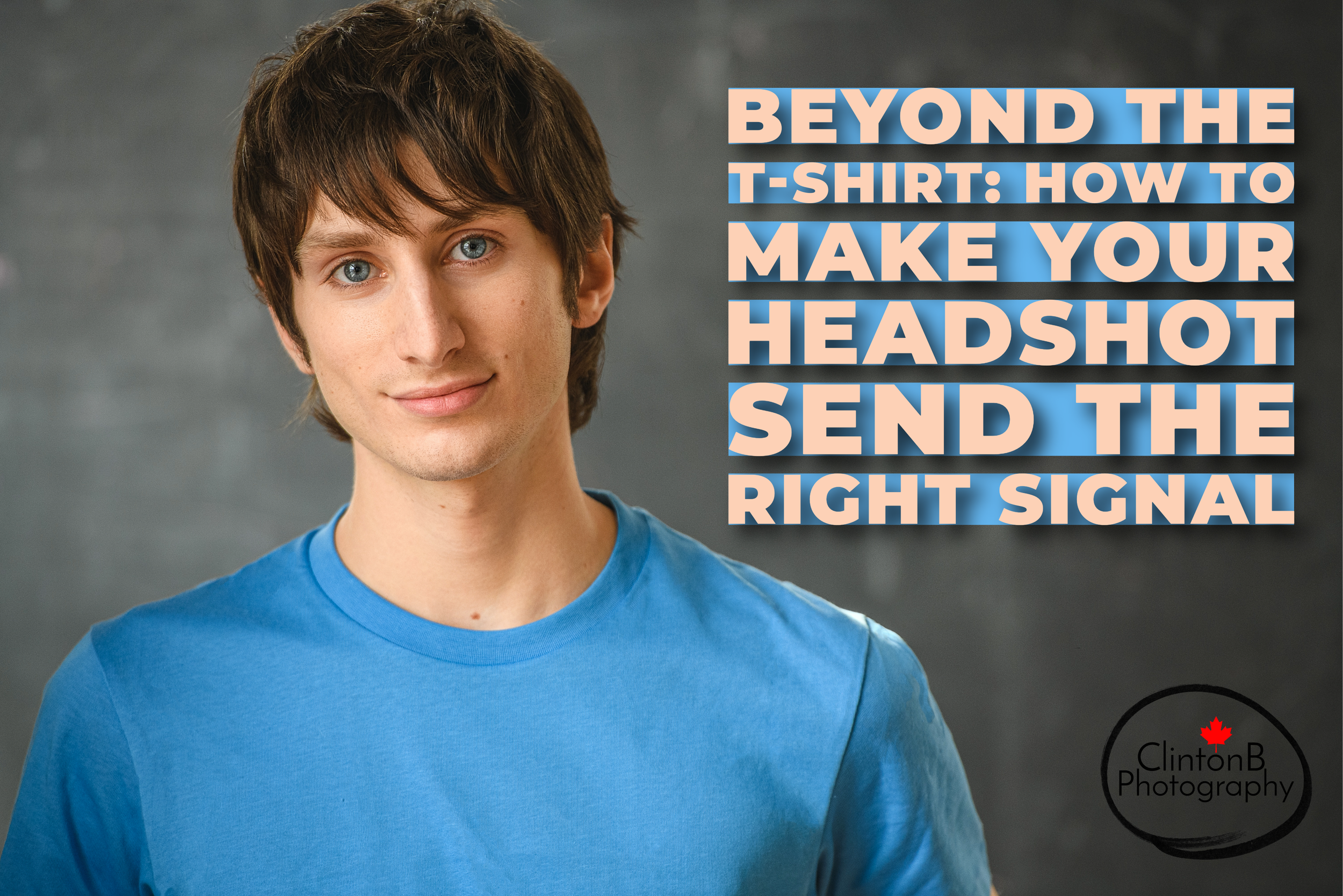
Beyond the T-Shirt: How to Make Your Headshot Send the Right Signal
A practical guide to actor headshot wardrobe that goes beyond the plain T-shirt. Learn how clothing, layering, and specificity help your headshots read clearly, feel castable, and give casting useful story information right away.
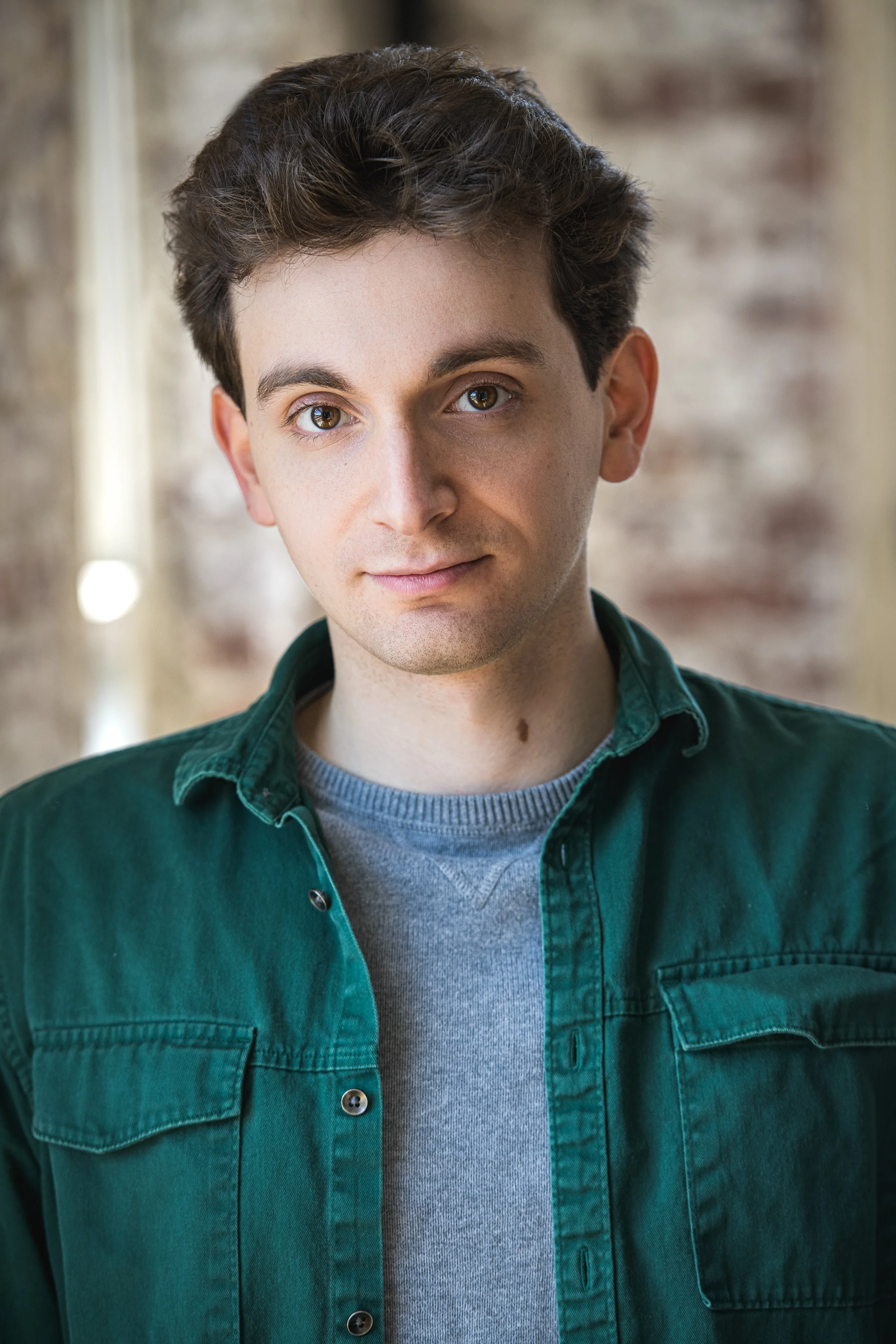
Choosing an actor headshot photographer in NYC can feel overwhelming. A great headshot should do more than make you look polished. It should help casting understand who you are, where you fit, and why they should click. Here’s what actors should look for before booking a headshot session.