
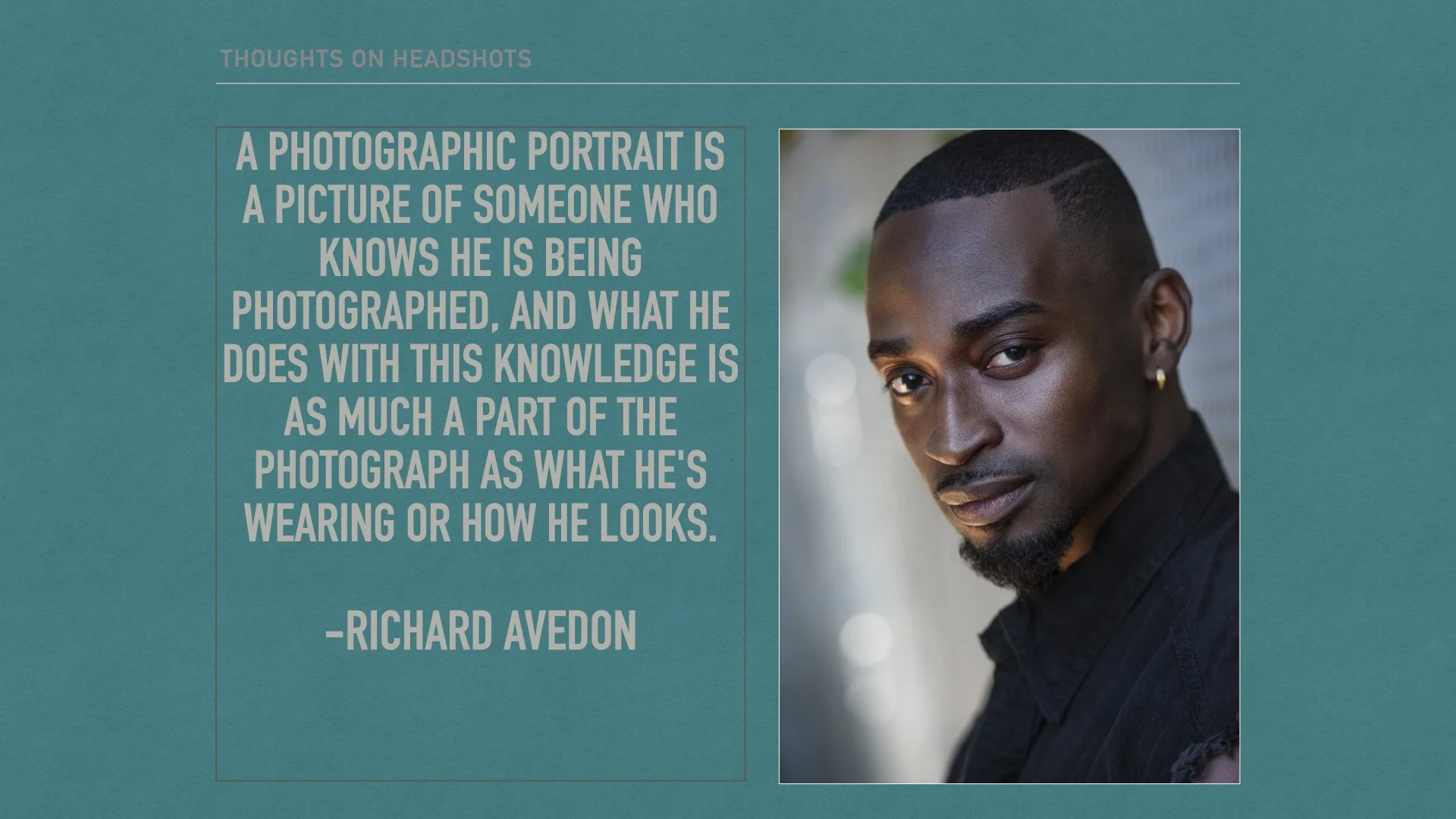
What Makes a Headshot Successful (Before Anyone Clicks)
Casting decisions start with a grid of thumbnails and seconds of attention. A successful headshot isn’t always the most beautiful image. It’s the one that makes someone pause and want to know more. This piece breaks down what actually makes a headshot work before anyone clicks, and why clarity, presence, and restraint matter more than polish.
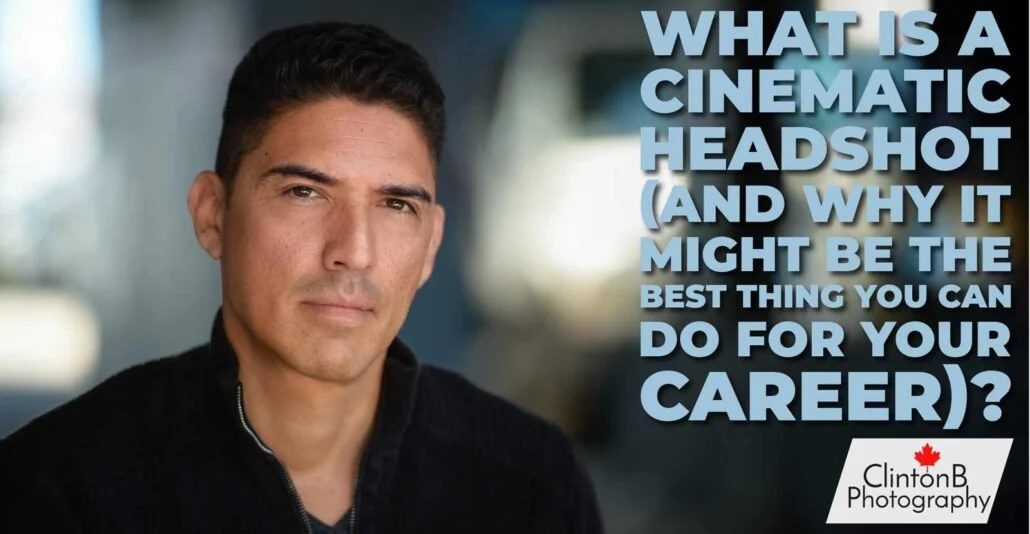
What Is a Cinematic Headshot (and Why It Might Be the Best Thing You Can Do for Your Career)?
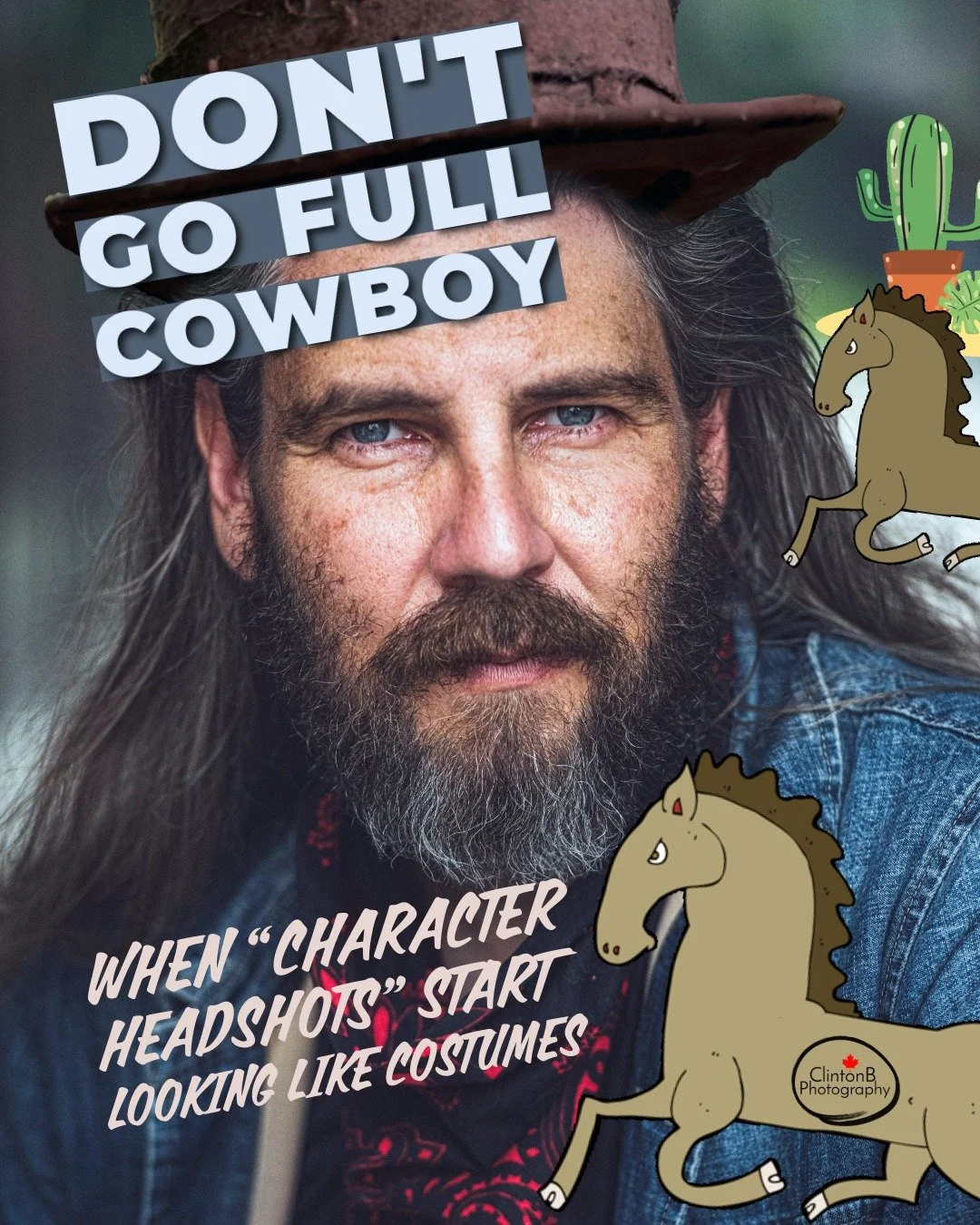
Cinematic headshots aren’t about looking dramatic or “acting” in a still frame. They’re about clarity, presence, and story. A strong cinematic headshot feels like a moment pulled from a larger world. It reads quickly, feels specific, and helps casting immediately understand who you are and where you fit. This post breaks down what cinematic actually means in a casting context, and how to use it strategically rather than stylistically.
Headshot Prep: What Actually Helps (And What Usually Gets in the Way)
Before you book a headshot session, it helps to slow down and get oriented. This is a practical, no-nonsense guide to prepping in a way that makes your photos clearer, more useful, and a lot less stressful.
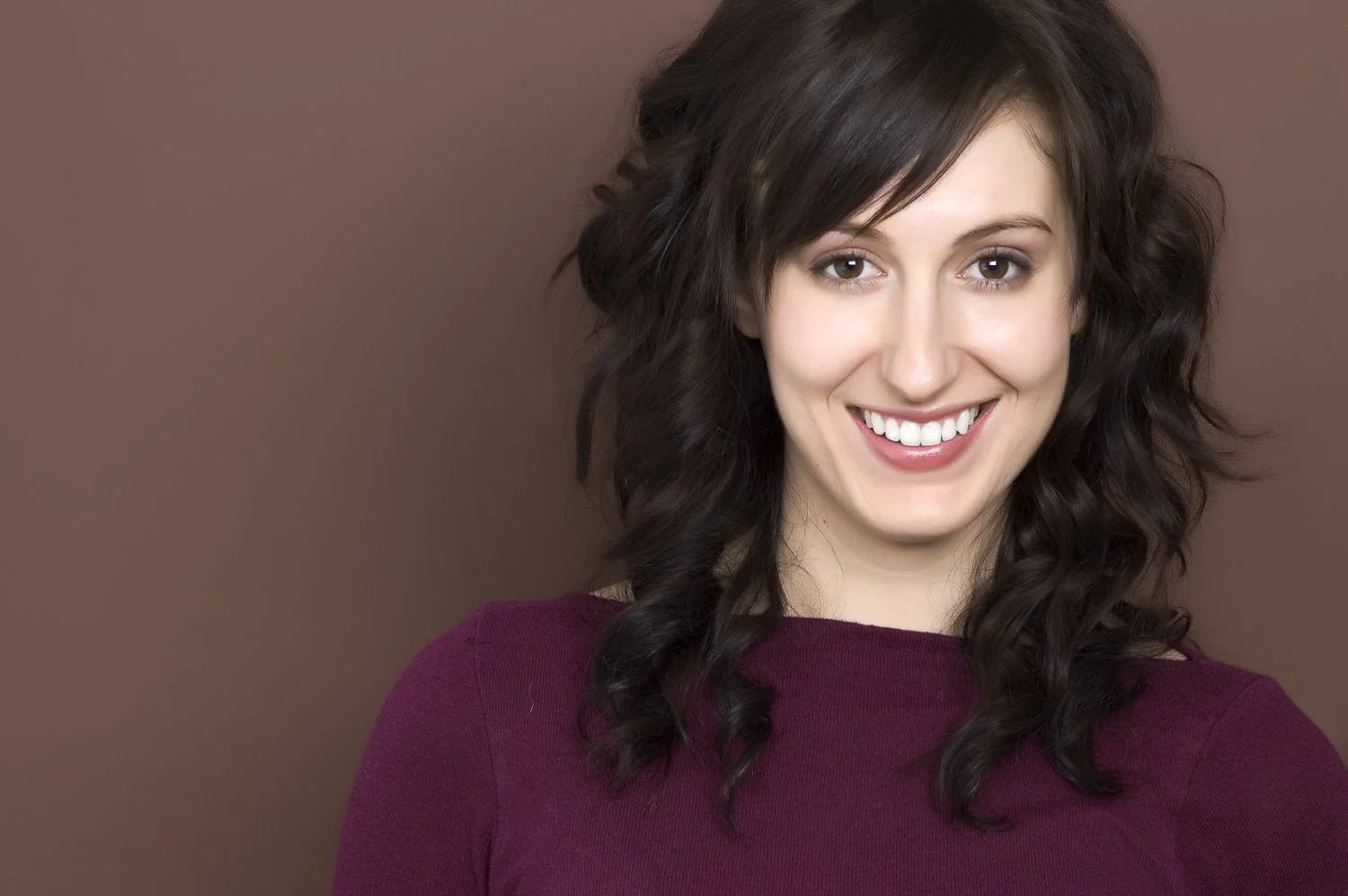
Do You Really Need a “Theatre Headshot”? Let’s Clear This Up
There’s a lot of confusion around theatre headshots. Actors are often told they need something more neutral or less “film-y,” but that advice can miss the point. Theatre headshots serve a different purpose than film and TV, but they’re not a separate universe. This post breaks down how theatre casting actually uses headshots, when they matter most, and how to choose images that help casting see you clearly and confidently.
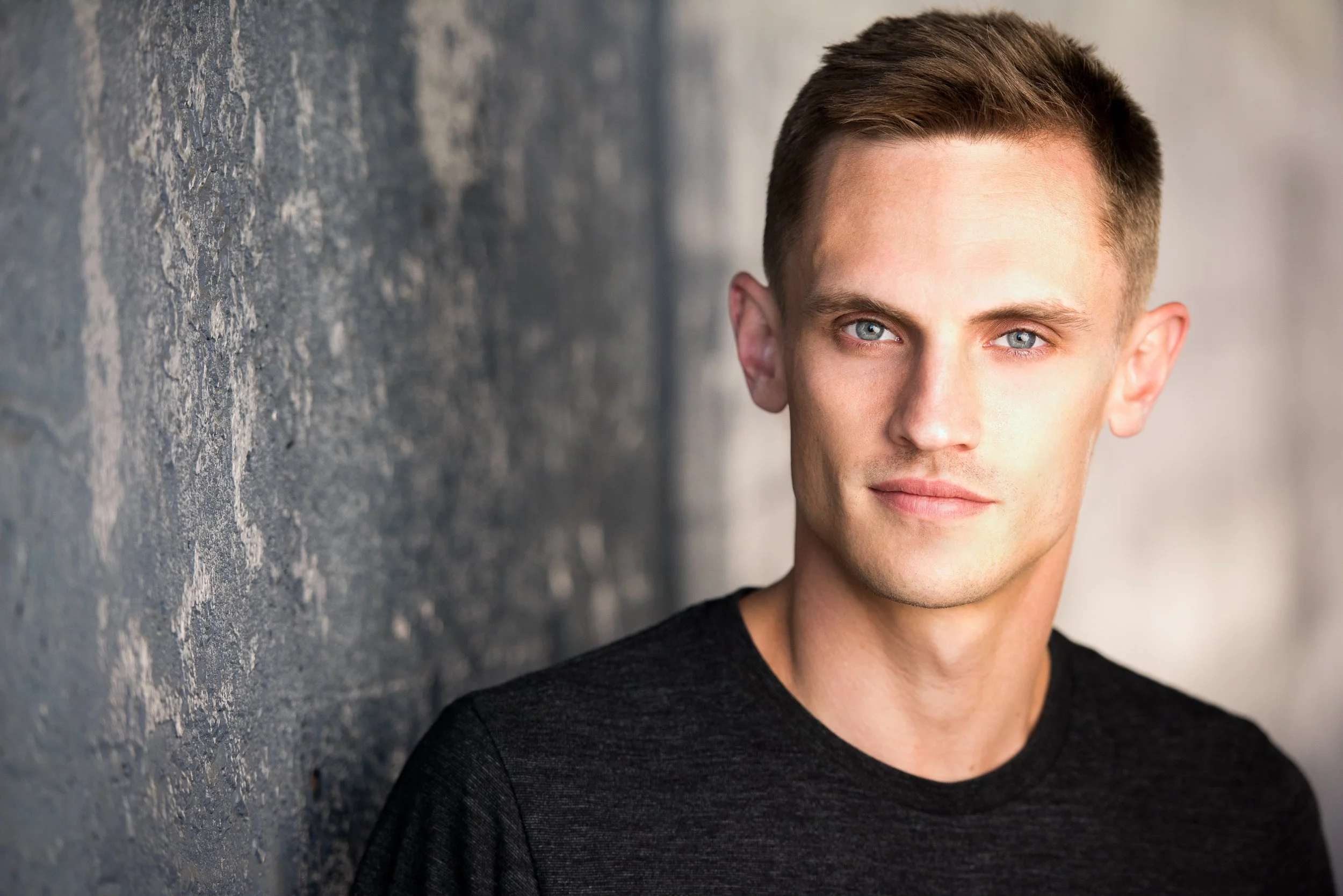
Specificity First: How Headshots Actually Open Doors
Headshots aren’t where actors prove their range. They’re where casting decides where to start. This post explains how specificity in headshots leads to more auditions and greater versatility over time.
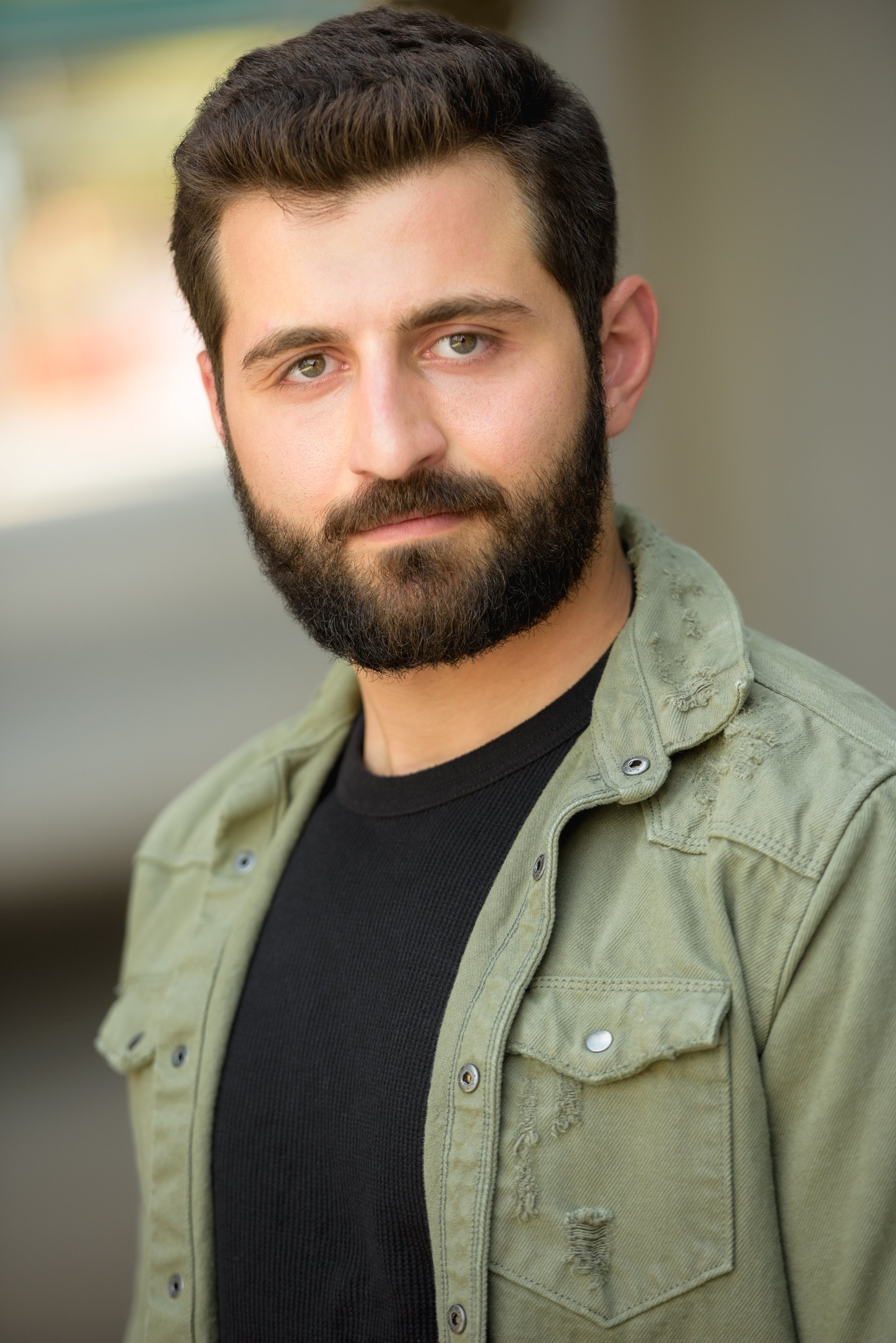
Hack Your Headshots: Where to Begin (Before You Book a Session)
Most headshot mistakes don’t happen during the shoot. They happen before an actor ever books the session. This post is about slowing that moment down, getting clear on what casting needs to see, and making headshots that actually work.
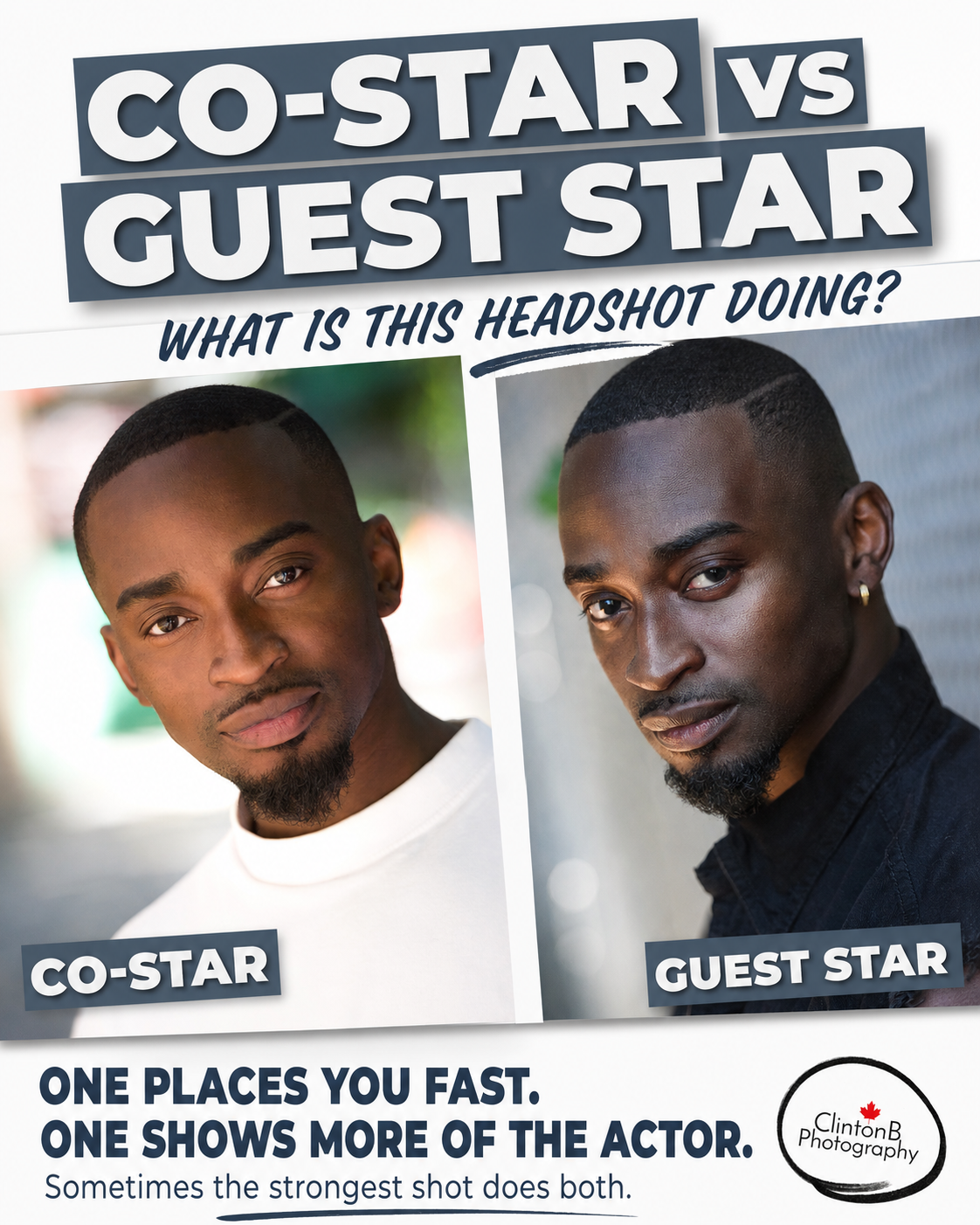
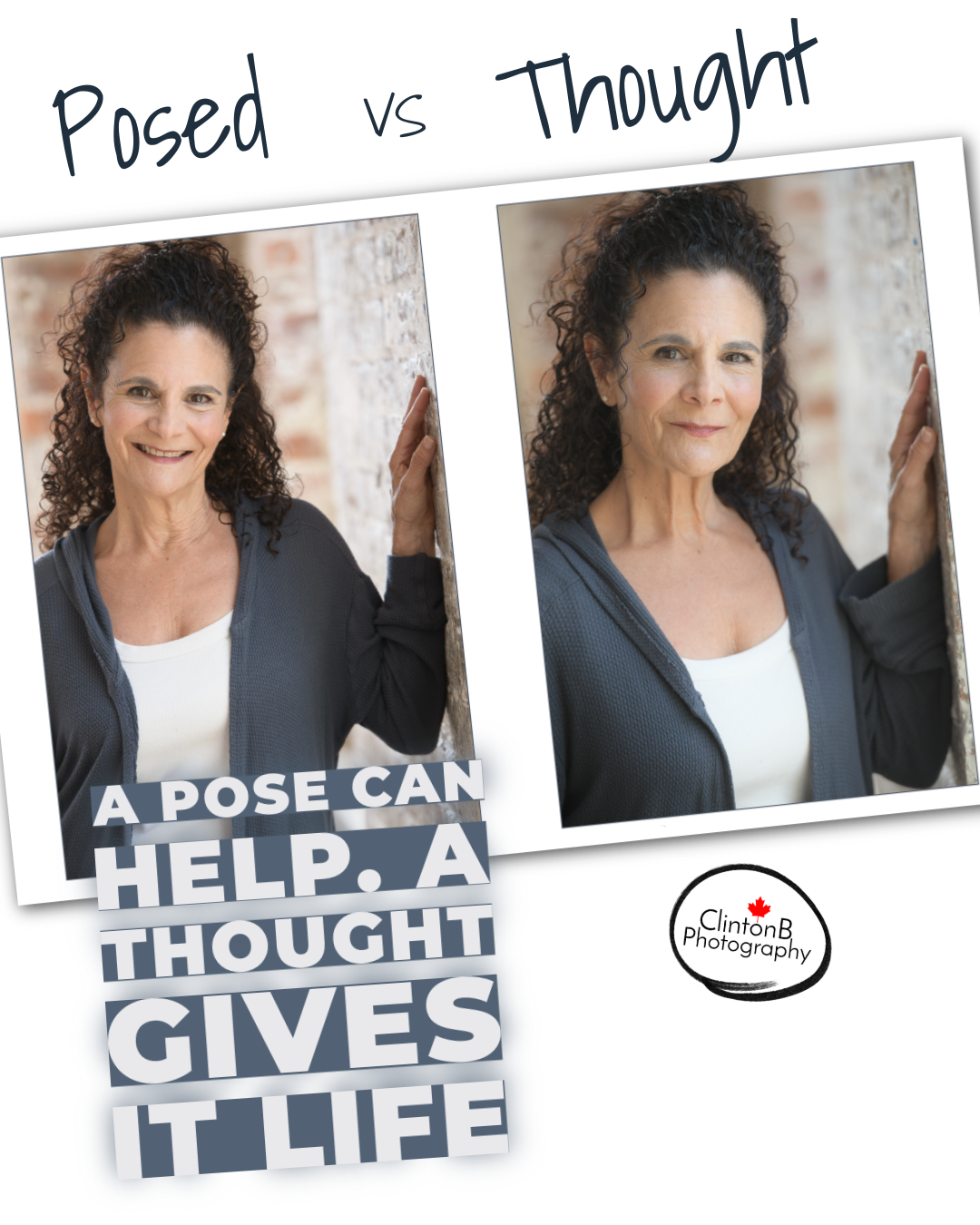
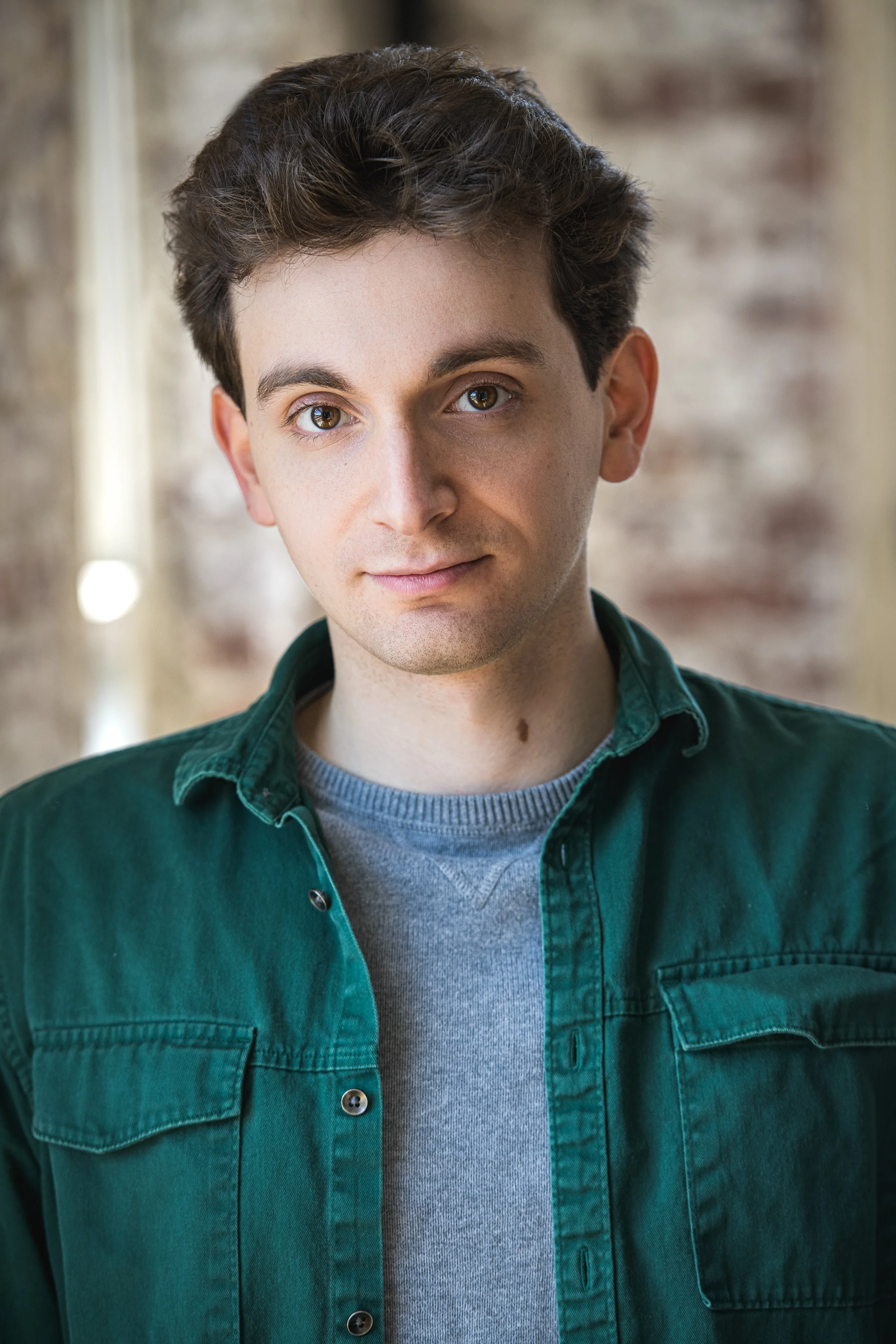
Choosing an actor headshot photographer in NYC can feel overwhelming. A great headshot should do more than make you look polished. It should help casting understand who you are, where you fit, and why they should click. Here’s what actors should look for before booking a headshot session.